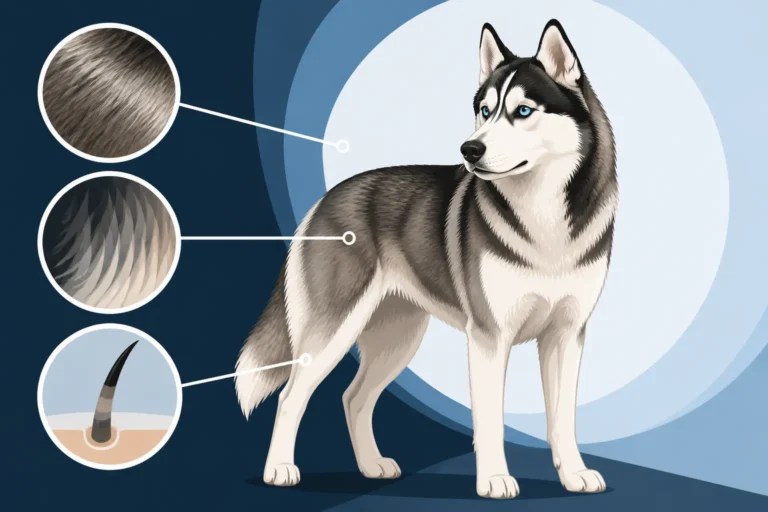
Green Eyes in a Siberian Husky
It’s a truly striking sight to see a Siberian Husky, isn't it? Their piercing eyes are one of their most defining features, often a brilliant blue or deep brown, sometimes even one of each. So, when you look into your Husky’s eyes and see a flash of green, it can be quite a head-scratcher, leaving you wondering if it’s normal, healthy, or if you’ve simply stumbled upon a truly rare gem. This guide will dive deep into the fascinating world of Siberian Husky eye color, specifically addressing the mystery of green eyes and what it means for your beloved companion.
Understanding Siberian Husky Eye Color Genetics
Siberian Huskies are renowned for their captivating gaze, a feature that often draws people to the breed. The variations in their eye color are a source of constant fascination, but the appearance of green eyes can sometimes throw even seasoned Husky enthusiasts for a loop. To really understand green eyes, we first need to look at what's considered "normal" in the Husky world.
The Usual Suspects: Blue, Brown, and Bi-Eyes
When you picture a Siberian Husky, you're likely imagining those icy blue eyes that seem to see right through you, or perhaps the warm, rich brown that is equally common. These are the dominant and widely recognized eye colors within the breed, and both are perfectly acceptable according to breed standards. Blue eyes in Huskies aren't actually blue pigment; rather, it's a structural color caused by the scattering of light in the iris, much like the sky. Brown eyes, on the other hand, contain varying amounts of melanin, the pigment responsible for darker colors.
But then there's the truly unique presentation: heterochromia, or "bi-eyes." This is when a Husky has one blue eye and one brown eye, or even a single eye that's split with two different colors (parti-eyed). It's a hallmark of the breed's genetic diversity and is considered perfectly normal and beautiful. Many people actively seek out Siberian Husky Eye Colors and Heterochromia for this very reason. These variations are all part of the natural genetic tapestry of the Siberian Husky, and breeders often keep track of these traits across generations.
The Genetics of Pigment and Melanin
At the heart of eye color lies melanin, a group of natural pigments found in various parts of the body, including the iris of the eye. The amount and type of melanin present largely determine the final eye color. Dogs with a lot of melanin in their irises tend to have brown eyes, while those with less melanin, coupled with the structural scattering of light, will display blue eyes. It's a complex interplay of several genes, not just one, that dictates these beautiful shades.
In many breeds, the genetics are fairly straightforward, but Huskies have a unique genetic quirk that allows for their striking blue eyes even without the merle gene, which often causes blue eyes in other breeds. This specific genetic pathway is part of what makes the Husky's appearance so distinctive. Understanding this complex genetic dance helps us appreciate why certain colors are prevalent and why others, like a true green, are exceptionally rare or hint at a different genetic story.
Why Green is So Uncommon in the Breed Standard
While blue and brown, and even bi-colored eyes, are explicitly mentioned and celebrated in the Siberian Husky breed standard, green eyes are noticeably absent. This isn't because green is undesirable, but simply because it's not a characteristic that typically occurs in purebred Siberians. The breed standard is essentially a blueprint of the ideal Husky, encompassing physical traits that reflect its historical function and aesthetic appeal.
A true, vibrant green eye is not genetically programmed to appear in the pure Siberian Husky gene pool in the same way blue or brown eyes are. If you see a Husky with distinctly green eyes, it's often a clue. It might suggest a unique genetic anomaly, but more commonly, it indicates that the dog may have mixed ancestry, with another breed contributing to that particular eye color. This isn't a judgment on the dog's value as a pet, but simply an observation about its genetic heritage and how it deviates from the established purebred norms.
The Rarity and Appearance of Green Eyes in Huskies
Finding a Siberian Husky with genuinely green eyes is a truly uncommon occurrence, and it often leads to a bit of confusion for new owners. It's important to differentiate between eyes that appear greenish during a specific stage of development and eyes that are a true, lasting green.
"Greenish" Hues vs. True Green
When people talk about green eyes in a Siberian Husky, they might actually be referring to a couple of different things. Sometimes, a puppy's eyes can go through an intermediate stage as they mature, where they might look a bit murky, grey-green, or amber-green before settling into their final adult color, which is usually brown or amber. This fleeting greenish tint is not the same as a genuine, vibrant green that would be clearly identifiable as "green" in another breed, such as a Labrador Retriever or a Border Collie mix.
A true green eye is a distinct color, not just a transitional shade. It's a striking hue that holds its color consistently under different lighting conditions. This level of green is exceedingly rare in purebred Siberian Huskies. It’s the difference between seeing a hint of green when the light catches it just right in a brown eye, versus a full, unmistakable emerald or jade green.
How Eye Color Can Change in Puppies
One of the most exciting, and sometimes perplexing, aspects of raising a Siberian Husky puppy is watching their eye color develop. Almost all Husky puppies are born with clear, bright blue eyes. It’s a bit like human babies, whose eyes often start blue and change over time. For Husky puppies, this blue can be temporary, especially if their genetic makeup dictates brown eyes as an adult.
Between about 4 to 8 weeks of age, you might start noticing a shift. The blue might deepen, indicating they'll stay blue, or it might begin to darken and muddy, slowly morphing into amber or brown. It's during this transition that some puppies might display those "greenish" or "hazel" tones. Many puppy owners eagerly watch, speculating whether their pup will have blue, brown, or bi-colored eyes. The final adult eye color is usually set by around 4-6 months, though some subtle changes can occur up to a year of age. So, if you have a young Husky with a greenish tint, it's a good idea to wait and see what the mature color will be.
| Age Range | Common Eye Color Appearance | Likely Adult Color |
|---|---|---|
| Birth to 4 Weeks | Usually bright blue, sometimes dark slate blue | Still developing, highly variable |
| 4 Weeks to 3 Months | Blue, may start to show darkening/muddying for brown/amber | May appear greenish-hazel as an intermediate stage |
| 3 Months to 6 Months | Eye color often settling; blue, brown, amber, bi-eyed | Usually final adult color, though subtle shifts possible |
| 6 Months and Beyond | Established adult eye color | Any further changes are rare, usually due to health issues |
When Green Eyes Might Appear in a Mixed Breed
Given that true green eyes are not a standard trait for purebred Siberian Huskies, their appearance often points towards mixed parentage. Many popular mixed breeds, sometimes called "designer breeds," intentionally cross Huskies with other breeds. For example, a Husky mixed with a Labrador Retriever, certain Australian Shepherds, or even some hound breeds, might produce offspring with green, amber, or hazel eyes, as these colors are more common in those other breeds.
These mixed-breed dogs can still possess many wonderful Husky traits, from their playful personalities to their striking coats, but they might also inherit eye colors that are outside the purebred Siberian Husky spectrum. This isn't a negative thing; it's just a different genetic outcome. If you adopted your Husky from a rescue or a situation where the parentage isn't fully known, green eyes could be a beautiful testament to their unique mixed heritage.
Are Green Eyes a Health Concern for Siberian Huskies?
It's natural to worry when you notice something unusual about your pet, especially if it deviates from what you expect for their breed. The good news is that seeing green eyes in your Siberian Husky, while uncommon, is generally not a cause for concern regarding their health.
Eye Color and Vision Health: No Direct Link
Let's put your mind at ease right away: in the vast majority of cases, a green eye color in a Siberian Husky does not directly indicate a health problem or an increased risk of vision issues. Unlike some other genetic conditions where certain coat or eye colors can be linked to deafness or severe eye defects (for instance, the merle gene in some breeds can carry risks if improperly bred), green eyes in Huskies are not associated with any known inherent health concerns.
Your Husky’s vision will likely be just as sharp and healthy as any blue-eyed or brown-eyed counterpart. The color of the iris itself is primarily a cosmetic trait, much like hair color in humans. So, if your green-eyed Husky seems perfectly healthy and active, there's no need to panic about their eye color.
Underlying Conditions or Pigment Issues
While the green color itself isn't a problem, it's important to consider context. If your Husky has green eyes and is displaying other symptoms of illness, or if the eye color seems to be changing suddenly in an adult dog (not a puppy), then a veterinary check-up is always a good idea. For example, inflammation, injury, or certain diseases can sometimes alter the appearance of a dog's eyes, making them look cloudy, discolored, or even giving them an unusual tint. However, this is distinct from being born with or developing green eyes as a natural, stable eye color.
Some rare pigment issues exist in various breeds that can affect the eyes, but none are specifically tied to green eyes in Siberian Huskies. The key takeaway here is to separate a cosmetic trait from a genuine medical symptom. If your dog's eyes appear painful, cloudy, watery, or they are squinting, regardless of color, that's when you should seek veterinary attention. Regular eye exams are vital for every Husky, no matter their eye color.
The Importance of Regular Eye Health Checks
Even though green eyes aren't a red flag, all Siberian Huskies benefit immensely from regular eye health checks. This breed is predisposed to certain ocular conditions that have nothing to do with their eye color. For instance, Juvenile Cataracts in the Siberian Husky and Progressive Retinal Atrophy in Siberian Huskies are two conditions that responsible breeders screen for. These conditions can impact vision and overall eye health, and early detection is crucial for management.
It's highly recommended that all Siberian Huskies receive an annual eye exam by a board-certified veterinary ophthalmologist. This specialized exam goes beyond what a general vet might check during a routine visit and can detect subtle signs of developing issues. Even if your Husky has those striking green eyes, it's important to follow through on these preventative measures to ensure their long-term vision health. This is why Why Siberian Huskies Need Their Eyes Checked Yearly is such an important topic for owners.
What to Consider if Your Siberian Husky Has Green Eyes
So, you have a green-eyed Siberian Husky. What does that mean for you as an owner, beyond simply having a remarkably unique-looking companion? It mostly boils down to understanding breed standards and responsible ownership.
Breed Standard vs. Pet Quality
When it comes to the world of dog shows and breeding, a Siberian Husky with green eyes would be considered a "fault" or a "disqualification" in the show ring, as it falls outside the accepted breed standard. The American Kennel Club (AKC) standard for Siberian Huskies, for instance, specifically mentions blue, brown, or one of each. There's no mention of green. This isn't to say there's anything "wrong" with your dog, but rather that it doesn't conform to the very specific aesthetic criteria set for show competition.
For the vast majority of us who share our lives with Huskies as cherished family members, breed standards are a fascinating detail, but they don't impact our dog's "pet quality" one bit. Your green-eyed Husky is just as loving, playful, and adventurous as any blue-eyed or brown-eyed Siberian. Their unique eye color simply adds to their charm and makes them stand out in a crowd. It's a reminder that beauty comes in many forms, and a deviation from a standard doesn't lessen the value of a companion.
Verifying Pedigree and Responsible Breeding
If you specifically sought out a purebred Siberian Husky and your dog developed green eyes, it might prompt you to look a bit closer at their lineage. While a truly rare genetic quirk can happen, it's more common for green eyes to appear in a Husky that has some mixed ancestry, even if it's several generations back. If you purchased your Husky from a breeder, this is where What a Siberian Husky Breeder Should Hand Over becomes important – documents like a clear pedigree and health certifications.
Responsible breeders prioritize breeding for health, temperament, and adherence to the breed standard, which includes eye color. They will often provide OFA (Orthopedic Foundation for Animals) certifications for eyes, hips, and other relevant health screenings. If you're looking into buying a puppy, always ask to see the parents' health clearances and Reading a Siberian Husky OFA Eye Certificate. A green-eyed Husky from a reputable breeder might be a rare anomaly, but if green eyes are showing up repeatedly in a line advertised as purebred, it could be a sign of less-than-diligent breeding practices.
Embracing Uniqueness Without Compromising Health
Ultimately, a Siberian Husky with green eyes is a distinctive and beautiful dog. There's absolutely no reason to love them any less or view them as anything but perfect companions. Their eye color is simply another part of their individual charm. The key is to embrace their uniqueness while still being a responsible pet owner. This means focusing on their overall health, providing them with proper nutrition (you can find great options on Chewy), ensuring they get plenty of exercise, and staying on top of their veterinary care.
Whether your Husky has blue eyes, brown eyes, bi-colored eyes, or those rare green eyes, the principles of good care remain the same. Huskies need ample physical and mental stimulation to thrive, along with consistent training. Caring for your Husky, regardless of their aesthetic traits, ensures they live a long, happy, and healthy life. You'll want to make sure you're ready for their strong personality and boundless energy, which are far more defining traits than the color of their gorgeous eyes. For insights into their entire lifespan, consider reading Siberian Husky Lifespan and What Shortens It and Caring for a Siberian Husky Past Ten.
Disclaimer
This article is for general informational purposes only and does not constitute professional advice. Laws, prices and regulations vary by location and change over time. Consult a qualified professional for guidance on your specific situation.