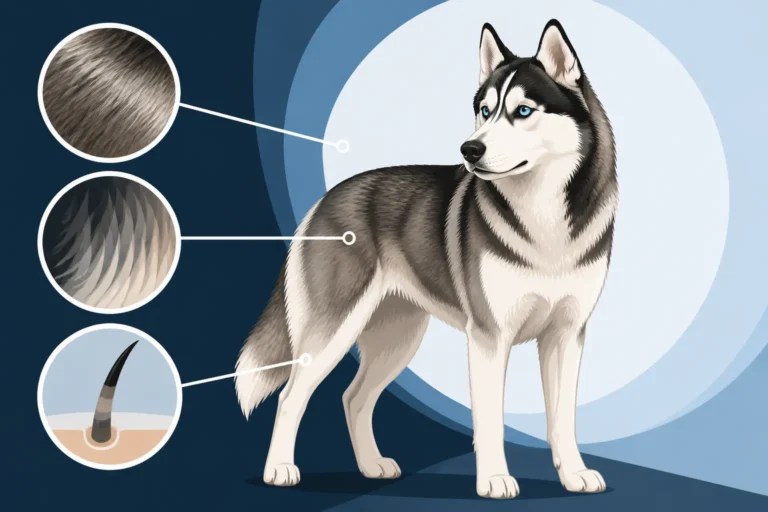
Whether Eye Color Affects a Siberian Husky’s Price
It's a common question that pops up in conversations among aspiring Siberian Husky owners, often whispered with a hint of hopeful curiosity: "Do blue eyes make a Husky more expensive?" Many people assume that the striking blue eyes so often associated with the breed must command a premium, or that rare eye colors might hike up the price tag. This guide will delve into the realities of Siberian Husky pricing, dissecting what truly influences a puppy's cost and dispelling the myth that eye color is a significant, ethical factor.
Unpacking Siberian Husky Eye Colors and Their Genetics
Siberian Huskies are truly unique when it comes to their eyes. While many breeds stick to one or two eye colors, Huskies offer a vibrant palette that can sometimes lead to misunderstandings about their value. Let's break down the different eye colors you might see and the fascinating genetics behind them.
The Spectrum of Siberian Husky Eye Hues
When you look into the eyes of a Siberian Husky, you might see everything from piercing blue to deep brown, and sometimes even a mix of the two. These aren't just random occurrences; they're all part of the breed's accepted standard and genetic diversity.
- Blue Eyes: These are perhaps the most iconic feature many people associate with Siberian Huskies. The striking sapphire or icy blue color is often what draws people in. Unlike in some other breeds where blue eyes might be linked to health issues, in Huskies, it's generally a healthy, natural variation. It's caused by a lack of pigment in the anterior stroma of the iris, which scatters light in a way that makes the eyes appear blue. It's important to remember that a blue-eyed Husky isn't "better" or "rarer" than one with brown eyes; it's simply a different aesthetic.
- Brown Eyes: Just as common as blue, brown eyes range from a light amber to a very deep, almost black shade. These are perfectly normal and beautiful for the breed. In fact, many working-line Huskies often have brown eyes. There's no genetic or health advantage to one over the other; it's purely a matter of preference.
- Bi-Eyes (Heterochromia): This is where it gets really interesting! A bi-eyed Husky has one blue eye and one brown eye. This phenomenon is called heterochromia and is entirely natural and healthy for the breed. It's not a flaw, but rather a charming characteristic that makes each dog truly distinctive. Breeders and enthusiasts alike appreciate this unique trait, and it speaks to the genetic diversity that makes Huskies so captivating.
- Parti-Eyes (Segmented Heterochromia): Sometimes, a single eye might have two distinct colors within the iris itself, for example, a patch of blue within a brown eye, or vice versa. This is known as parti-colored or segmented heterochromia. It's less common than bi-eyes but still falls within the accepted breed standard. Again, this is a healthy genetic variation and not an indication of any underlying issue.
- Green Eyes: While not as common as blue or brown, some Huskies might have eyes that appear greenish, especially in certain lights or during puppyhood before the color fully sets. True emerald green is rare, but shades of hazel or amber with a green tint can certainly be seen. This, too, is a natural variation.
The breed standard for the Siberian Husky, set by organizations like the American Kennel Club (AKC), is quite liberal regarding eye color. It states that all colors are permissible, including blue, brown, bi-eyed, or parti-colored. This means that from a breed purity standpoint, no single eye color is preferred or considered more desirable over another; they are all equally valid and beautiful expressions of the Husky's genetic makeup. You can learn more about specific eye conditions in the breed by reading Siberian Husky Eye Disease and the Annual Exam.
Genetic Basis for Eye Color in Huskies
The genetics of eye color in Siberian Huskies are complex and not fully understood, but we do know it's not simply a dominant/recessive trait like some other genetic characteristics. Multiple genes are likely involved, making for the wide array of colors.
Unlike certain breeds where blue eyes are tied to the merle gene (which can also carry health risks like deafness or vision problems), blue eyes in Huskies are generally not associated with such issues. It's a different genetic pathway at play. This is why a reputable breeder will emphasize health over specific aesthetic traits, understanding that a visually appealing dog should first and foremost be a healthy one. You can read more about The Three Eye Diseases a Siberian Husky Faces if you're concerned about potential issues.
Consider a litter of puppies: you might see blue-eyed, brown-eyed, and even bi-eyed pups all from the same parents. This demonstrates the varied genetic inheritance at work. A responsible breeder understands these genetics and focuses on breeding for overall health, temperament, and adherence to the general breed standard, rather than trying to selectively breed for a specific eye color. Prioritizing health testing over cosmetic traits is crucial; for instance, understanding Progressive Retinal Atrophy in Siberian Huskies is far more important than what color eyes a puppy has.
The Real Factors Influencing a Siberian Husky's Price
If eye color isn't the primary driver, then what truly affects the price of a Siberian Husky puppy? It comes down to a combination of factors related to the breeder's practices, the lineage of the dogs, and the overall care and investment put into raising healthy, well-socialized puppies.
Breeder Reputation and Ethical Practices
The most significant factor influencing a Siberian Husky's price is the reputation and ethical standing of the breeder. A responsible, reputable breeder invests heavily in their dogs, and this investment is reflected in the puppy's price.
- Health Testing: Ethical breeders perform extensive health screenings on both parent dogs before breeding. This isn't just a quick vet check-up; it involves specific certifications for genetic diseases common in the breed, such as eye clearances from a veterinary ophthalmologist (like those certified by the OFA or CERF), and sometimes hip evaluations, even though Huskies have a relatively low rate of hip dysplasia. These tests are costly but crucial for minimizing the risk of passing on hereditary conditions. If a breeder doesn't have current health certificates for the parents, that's a huge red flag, regardless of eye color. Getting a puppy from a breeder who skips these tests might seem cheaper upfront, but it can lead to devastating veterinary bills down the line for genetic conditions. Health Testing Before You Buy a Siberian Husky provides an excellent overview of what to look for.
- Quality of Care: A good breeder provides exceptional care for their breeding dogs and puppies. This includes high-quality nutrition (which can be pricey, especially with brands like Chewy offering premium options), regular veterinary check-ups, appropriate vaccinations, deworming, and a clean, stimulating environment for the puppies. They also spend time on early socialization, exposing puppies to different sights, sounds, and textures to help them develop into well-adjusted adults.
- Time and Expertise: Raising a litter properly is a full-time job. Reputable breeders dedicate countless hours to their puppies, from monitoring the mother during pregnancy and birth to providing individual attention and training as the puppies grow. Their knowledge of the breed, genetic lines, and early puppy development is invaluable, and you're paying for that expertise.
- Support and Guarantees: Ethical breeders offer ongoing support to new owners, acting as a resource for questions and guidance throughout the dog's life. They often provide health guarantees against severe genetic defects and have a clear contract outlining their responsibilities and yours. They also typically have a "take-back" clause, ensuring their puppies never end up in shelters. This level of commitment speaks volumes about their integrity.
Breeders who charge very low prices often cut corners on these essential practices, leading to puppies with unknown health histories and potential behavioral issues. It’s always worth paying more for a puppy from a breeder who can provide transparent documentation of health testing and a clear history of care.
Pedigree and Lineage
The ancestry of a Siberian Husky also plays a significant role in its price. Not all Huskies are bred with the same goals in mind.
- Show Lines: Puppies from champion show lines, where parents have achieved titles in conformation events, generally command higher prices. These dogs are bred to meet the breed standard exceptionally well in terms of structure, movement, and temperament. The cost reflects the breeder's investment in showing their dogs, extensive health testing, and the prestige associated with champion bloodlines.
- Working/Performance Lines: Huskies bred for specific performance sports like sledding, canicross, or agility might also have a higher price. These breeders focus on traits like endurance, drive, and trainability. Their dogs' lineage might include impressive working titles, and the puppies are often sought after by those looking for a competitive canine athlete. These breeders understand the specific needs of working Huskies, including nutritional requirements, and often recommend specific high-energy foods that can be found at retailers like Chewy.
- Pet Quality: Even reputable breeders will classify some puppies as "pet quality," meaning they might have minor flaws that prevent them from excelling in the show ring or having the extreme drive for high-level performance sports, but they are perfectly healthy and wonderful companions. These puppies are usually sold at a slightly lower price than their show- or working-prospect littermates, but still come from the same health-tested parents and receive the same excellent care.
It's important to understand that "pet quality" from a reputable breeder is still miles above a puppy from a backyard breeder or puppy mill, even if that puppy has striking blue eyes. The value is in the foundation, not just the facade.
Supply and Demand, and Geographic Location
Like any commodity, the price of a Siberian Husky can be influenced by supply and demand, as well as the breeder's geographic location.
- Regional Differences: Breeders in areas with a high cost of living, or where demand for the breed is particularly high, might naturally have higher prices to cover their expenses. Conversely, in areas with many breeders, prices might be slightly more competitive.
- Current Popularity: The popularity of the breed can fluctuate. When a breed experiences a surge in popularity (sometimes fueled by movies or TV shows, which unfortunately often leads to more irresponsible breeding), prices can go up temporarily. However, this often brings out "backyard breeders" looking to cash in, making it even more crucial to vet breeders carefully. You can explore topics like The Game of Thrones Wave of Siberian Huskies to see how media impacts breed popularity.
Ultimately, a fair price for a Siberian Husky from an ethical breeder reflects the immense effort, knowledge, and financial investment made to produce healthy, well-adjusted puppies.
Debunking Eye Color Pricing Myths and Unethical Practices
The idea that blue eyes inherently make a Siberian Husky more expensive is largely a myth, often perpetuated by less scrupulous individuals looking to exploit unsuspecting buyers. Let's shine a light on why this is misleading and what to watch out for.
Why Blue Eyes Don't Add Value to an Ethical Breeder
As we've discussed, all eye colors are accepted in the Siberian Husky breed standard. To an ethical breeder focused on health, temperament, and conformity to the overall standard, a blue-eyed puppy is no more or less valuable than a brown-eyed, bi-eyed, or parti-eyed one. They understand the genetics and know that striking blue eyes are a common and natural trait in the breed, not a "rare" anomaly to be capitalized on.
- Focus on the Whole Dog: Reputable breeders evaluate a puppy based on its entire conformation, health, and burgeoning temperament, not just a single physical characteristic like eye color. They are looking for the best overall representation of the breed.
- Health Above All: Their priority is producing healthy dogs free from genetic defects. Eye color has no bearing on a Husky's health or its ability to perform its historical function, or be a loving family member. A breeder who truly cares will prioritize Siberian Husky Eye Disease and the Annual Exam over simply having a blue-eyed litter.
- Transparency: Ethical breeders are transparent about their pricing structure and can clearly articulate why their puppies are priced the way they are – typically citing health clearances, lineage, care costs, and their reputation, not eye color. If a breeder charges significantly more for blue eyes, it's a strong indicator they might be prioritizing aesthetics over ethical breeding practices.
It's easy to fall in love with those captivating blue eyes, but remember, the true beauty and value of a Husky lie in its robust health, stable temperament, and the responsible breeding practices behind it.
Spotting the Red Flags of Exploitation
Unfortunately, the demand for blue-eyed Huskies has led to some unethical practices. Here's what to watch out for when a breeder tries to charge extra solely for eye color:
- Inflated Prices for Blue Eyes: If a breeder advertises "blue-eyed puppies for sale!" and charges a premium specifically for this trait, be wary. This suggests they are aware of public demand and are exploiting it, rather than focusing on the overall quality of their breeding program. They might even try to justify it by calling blue eyes "rare" or "desirable," which is misleading for this particular breed.
- Lack of Health Testing or Paperwork: Breeders who overcharge for eye color often skimp on critical aspects like health testing the parents. They may not be able to provide OFA eye certificates, hip scores, or clear registration paperwork. They bank on buyers being captivated by the eyes and overlooking these crucial details. You absolutely want to see parents listed in the OFA database, which you can investigate by Looking Up a Siberian Husky in the OFA Database.
- Poor Living Conditions: High-volume or "backyard" breeders focused on quick profits by appealing to blue-eye demand often keep their dogs in less-than-ideal conditions, with poor sanitation, inadequate nutrition, and minimal socialization. The puppies may appear cute, but their start in life can predispose them to health and behavioral problems.
- Focus on Appearance Over Temperament: These breeders typically don't screen buyers effectively, ensuring their puppies go to appropriate homes. They're more concerned with selling quickly than with ensuring a good match. A truly ethical breeder will ask you many questions about your lifestyle, experience, and why you want a Husky, prioritizing the puppy's future home.
Always ask questions, demand to see health certificates, meet the parent dogs (if possible), and ensure the breeder is transparent about their practices. A little extra due diligence upfront can save you a lot of heartache and expense down the road. If you're encountering too many red flags, consider searching for Breed-Specific Siberian Husky Rescues as an alternative.
Prioritizing Health and Temperament Over Aesthetics
When bringing a Siberian Husky into your life, the most important considerations should always be the dog's health, temperament, and whether it's a good fit for your lifestyle. Eye color, while visually appealing, should be way down on the list of priorities.
The True Costs of an Unhealthy Puppy
Falling for the allure of "designer" eye colors at an inflated price, especially from an unethical source, can lead to significant financial and emotional burdens. A puppy from parents without proper health clearances is at a much higher risk for various genetic conditions.
- Potential for Genetic Eye Conditions: While blue eyes themselves are healthy in Huskies, if the parents haven't been screened by an ophthalmologist, your puppy could still be at risk for conditions like Juvenile Cataracts in the Siberian Husky or corneal dystrophy. These can lead to expensive treatments, surgeries, or even blindness.
- Other Health Issues: Beyond the eyes, a poorly bred Husky could inherit hip dysplasia (though rare in the breed, it can still occur), thyroid issues, or certain skin conditions like Zinc-Responsive Dermatosis in the Siberian Husky. Managing chronic conditions requires ongoing vet visits, medication, and specialized care, which can quickly add up to thousands of dollars over the dog's lifetime.
- Behavioral Challenges: Puppies from backyard breeders often lack proper socialization during their critical early weeks. This can result in fear, anxiety, aggression, or other behavioral problems that require extensive and costly professional training to address. The emotional toll of dealing with a dog with severe behavioral issues can be immense for a family.
- Financial Strain: The initial "savings" of a cheaper, aesthetically-driven puppy from an irresponsible breeder are almost always negated by future veterinary bills and behavioral training costs. These unplanned expenses can put a severe strain on a family's budget, turning the dream of owning a Husky into a nightmare. You might even find yourself constantly buying specialty items or supplements from Chewy to manage ongoing issues that could have been prevented with proper breeding.
It's a harsh reality, but an unhealthy or poorly socialized dog, regardless of its eye color, is a much greater "cost" than a slightly higher initial price for a well-bred puppy.
What to Focus on When Choosing Your Husky
Instead of fixating on eye color, shift your focus to the fundamental aspects that define a healthy, happy, and well-adjusted Siberian Husky:
- Health Clearances: Insist on seeing current health certificates for both parents. This includes OFA (Orthopedic Foundation for Animals) certifications for hips (if applicable to the specific breeder's practices) and CERF (Canine Eye Registry Foundation) or OFA Eye certifications. These documents prove that the breeding dogs have been screened for common hereditary conditions. Knowing What Siberian Husky CHIC Certification Requires can guide your questions.
- Temperament: Observe the parents' temperament. Are they friendly, calm, and well-socialized? A puppy's temperament is heavily influenced by its parents and its early environment. A good breeder will prioritize breeding for stable, characteristic Husky temperaments.
- Breeder Transparency and Support: Choose a breeder who is open, honest, and willing to answer all your questions. They should interview you as thoroughly as you interview them. Look for someone who offers lifelong support and takes back any dog they've bred if the owner can no longer care for it.
- Living Conditions and Socialization: Visit the breeder's facility if possible, or request videos and photos. The puppies should be raised in a clean, stimulating environment, well-socialized, and exposed to everyday household noises and interactions.
- Contract and Guarantee: A clear, written contract should outline the terms of sale, health guarantees, and responsibilities of both parties. Understand Reading a Siberian Husky Puppy's Health Paperwork before you sign anything.
A beautiful Siberian Husky with captivating eyes is wonderful, but a healthy, well-adjusted Husky with a loving personality is truly priceless. Focus on these core aspects, and you'll find a companion who will bring joy and adventure into your life for many years to come, regardless of the hue of their gaze.
| Factor Affecting Price | Impact on Cost | Why It Matters (or Doesn't for Eye Color) |
|---|---|---|
| Breeder Reputation | High | Reflects investment in health, care, and ethics; ensures healthy puppies. |
| Health Testing | High | Prevents costly genetic diseases; essential for responsible breeding. |
| Pedigree/Lineage | Moderate-High | Indicates quality in show/working traits, reflecting breeder effort. |
| Quality of Care | High | Ensures proper nutrition, vet care, and early socialization for puppies. |
| Geographic Location | Moderate | Influences by local cost of living and regional demand. |
| Eye Color (Ethical) | None | All eye colors are accepted in the breed standard; no color is "rare." |
| Eye Color (Unethical) | Inflated | Scrupulous breeders exploit demand for blue eyes; often linked to poor breeding. |
| Temperament | Not direct | Integral to a good pet; results from good breeding & socialization. |
Disclaimer
This article is for general informational purposes only and does not constitute professional advice. Laws, prices and regulations vary by location and change over time. Consult a qualified professional for guidance on your specific situation.