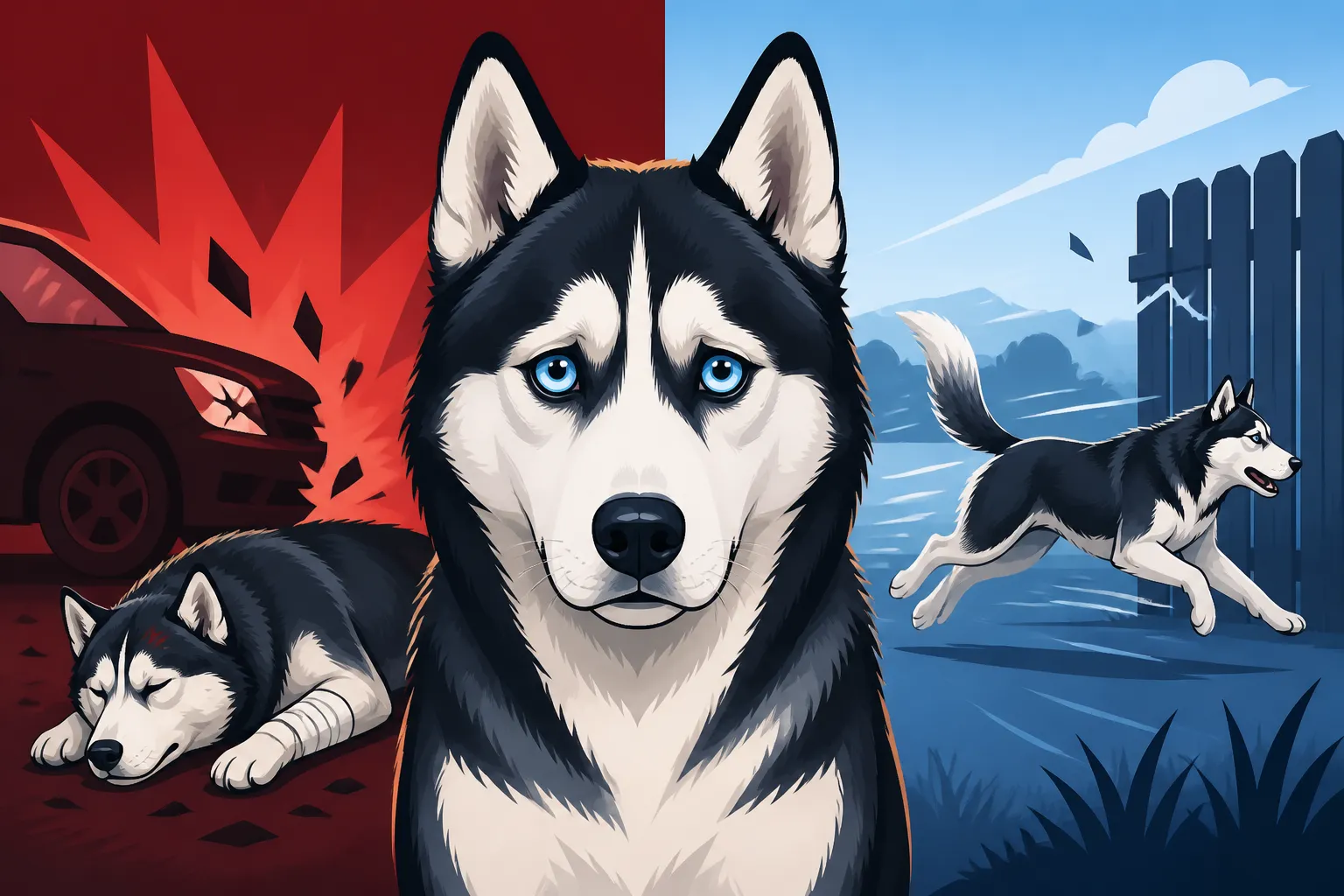
Siberian Husky Deaths From Trauma and Escape
It's a heartbreaking reality that far too many Siberian Huskies meet an untimely end due to escape and subsequent trauma. Owners often underestimate the sheer drive and cunning of these magnificent dogs, leading to devastating accidents, injuries, or even fatalities. This comprehensive guide will delve deep into why Huskies are predisposed to escape, the common dangers they face once loose, and, most importantly, how you can prevent these tragic outcomes to ensure your beloved companion lives a long, safe life.
Understanding the Inherent Risk of Escape in Siberian Huskies
Siberian Huskies are truly unique creatures, possessing an ancient heritage that shapes their very essence. This heritage, while making them incredibly resilient and captivating, also imbues them with certain instincts that can be challenging in a modern domestic setting. Understanding these core drives is the first step in keeping them safe.
The Deep-Rooted Instinct to Roam
Imagine a dog bred for thousands of years to pull sleds for vast distances across unforgiving terrain, often with little direct human supervision beyond a few voice commands. That's the Siberian Husky. Their ancestors, developed by the Chukchi people of Siberia, were not merely pets; they were essential survival partners. This lineage means they possess an incredibly strong "roaming instinct." It's not defiance or a lack of love for you; it's a hardwired compulsion to explore, to chase, and to travel. When a Husky sees an open gate, a slight gap in the fence, or even a tantalizing scent trail, that primal urge kicks in, often overriding any training or bond they have with you. This is why it’s often said that Why a Siberian Husky Cannot Be Trusted Off Leash is a foundational truth for the breed. They thrive on independence and challenge, making confinement feel like an affront to their very nature.
Common Escape Tactics and How They Develop
Siberian Huskies are problem-solvers, and escape is often the ultimate problem they're determined to solve. They don't just "get out"; they plan their escapes. This might start innocently enough – a young puppy testing the boundaries of a weak gate latch, or a bored adolescent digging under a small gap. Over time, these experimental behaviors can escalate into sophisticated escape artistry. They are infamous for Siberian Huskies That Dig Under Fences, seemingly with limitless energy and determination. A small scratch at the base of a fence can become a full-blown tunnel in mere hours. They are also known for their incredible climbing ability. Many an owner has been shocked to find their Husky perched atop a six-foot fence, ready to gracefully vault over. Beyond physical barriers, some Huskies develop an uncanny knack for Siberian Huskies That Open Gates and Doors, manipulating latches, doorknobs, or even unhooking simple carabiners. These behaviors aren't born out of malice but from an insatiable curiosity and a deep-seated need for stimulation.
The Reality of Life on the Run for a Husky
When a Siberian Husky escapes, it's rarely a leisurely stroll. Their instinct to run means they cover significant distances rapidly, making them incredibly difficult to track. Many owners are shocked by How Far a Loose Siberian Husky Travels in a short amount of time. Once out, they're suddenly exposed to a world full of dangers they are ill-equipped to handle as a domesticated pet. The very traits that make them amazing sled dogs—their endurance, their speed, their focus on a 'trail'—become liabilities. They often run without looking back, prioritizing the thrill of the chase or the pursuit of a scent over returning to safety. This can lead to them getting hopelessly lost, far from familiar landmarks or scents. The stress of being lost, combined with the lack of food and water, rapidly depletes their energy, making them even more vulnerable to the myriad of perils lurking beyond the safety of your yard.
The Traumatic Consequences of an Uncontained Siberian Husky
The dangers a Siberian Husky faces once they've escaped are numerous and terrifying. It's a harsh reality that many "lost dog" posters for Huskies often have tragic endings. Understanding these specific risks can help reinforce the critical need for robust prevention.
Vehicle Accidents: The Silent Killer
Without a doubt, traffic accidents are one of the leading causes of death for escaped Siberian Huskies. Their speed, coupled with their tendency to run across roads without hesitation, makes them incredibly susceptible to being hit by cars. A Husky, caught up in the exhilaration of the run or focused on a scent, often doesn't perceive vehicles as a threat. They might dart out from behind bushes, chase a squirrel across a busy street, or simply be unable to stop their momentum when a car approaches. The drivers, too, often don't have enough time to react, especially if the Husky appears suddenly. The results are almost always catastrophic, leading to severe injuries, internal damage, or immediate death. This is why What Siberian Huskies Most Often Die Of often includes trauma, particularly road accidents. Even if they survive, the veterinary bills for such trauma can be astronomical, and the recovery process lengthy and painful, if recovery is even possible.
Encounters with Wildlife and Other Dogs
Once a Husky is free, they are thrust into a world where their prey drive, normally managed in a domestic setting, can become a deadly liability. They have a strong instinct to chase and hunt smaller animals, from squirrels and rabbits to cats and even local livestock. This puts them at direct risk of injury from defensive prey or even larger predators. Encounters with wildlife, such as coyotes or aggressive stray dogs, can lead to serious fights, resulting in bites, lacerations, and potentially fatal infections. Similarly, a loose Husky might approach other dogs in an unpredictable manner, leading to dog fights where either your Husky or another pet could be severely injured or killed. Beyond the physical dangers, there's the heartbreaking possibility of your Husky being involved in an incident with a neighbor's pet, which can lead to immense emotional distress and significant legal or financial consequences for you, the owner. This is particularly relevant when considering Siberian Husky Prey Drive Around Small Animals.
Environmental Hazards and Exposure
While bred for cold climates, even Siberian Huskies have their limits when exposed to the elements without shelter or consistent access to food and water. In summer, they are susceptible to heatstroke, especially if they are running for extended periods. Their thick double coat, while great for insulation against cold, can trap heat when temperatures rise, making them quickly overheat. Conversely, in extreme cold, prolonged exposure without proper rest or nutrition can lead to hypothermia and frostbite, particularly on their ears and paw pads. Beyond temperature, they face dehydration, starvation, and potential poisoning from ingesting toxic plants, garbage, or even antifreeze found in driveways. Ditches, sewers, ponds, and even barbed wire fences pose physical threats, leading to falls, drowning, or severe lacerations. An escaped Husky, particularly if injured or exhausted, becomes incredibly vulnerable to these environmental dangers. This is a significant aspect of Why an Escaped Siberian Husky Is a Health Risk.
Preventing Escape: Fortifying Your Home and Training Your Husky
The good news is that most escape-related traumas are preventable. It requires a multi-pronged approach that combines physical security, consistent training, and proactive identification measures.
Secure Fencing and Containment Strategies
Your fence is your Husky's first line of defense. A standard four-foot fence, or even many six-foot fences, often won't cut it. Huskies are notorious for being able to The Height a Siberian Husky Can Clear, sometimes scaling fences that seem impossibly tall. Investing in a truly secure containment system is non-negotiable for a Husky owner. This typically means a solid six-foot privacy fence, or even taller, with an L-footer or "coyote roller" at the top to prevent climbing. An L-footer is essentially an extension of the fence material buried horizontally underground, preventing digging. You might also consider using a "coyote roller," which is a PVC pipe or similar material that runs along the top of the fence, spinning if the dog tries to get a grip. For those truly determined diggers, burying chicken wire or a similar mesh at the base of the fence can also deter their tunneling efforts. Always double-check latches and consider adding extra security, like padlocks or heavy-duty carabiners, that your Husky can't manipulate. Remember, a bored Husky is a destructive and escape-prone Husky, so ensuring plenty of enrichment within the secure yard is also crucial. It's often said that The Fence Bill a Siberian Husky Forces is one of the most significant initial investments, and for good reason.
The Crucial Role of Training and Management
While a secure yard is vital, training and vigilant management are equally important. Never rely solely on a fence. Teach your Husky rock-solid recall, even though this breed is notoriously challenging when it comes to Teaching a Siberian Husky to Come Back. It requires consistent, positive reinforcement, high-value treats, and practice in various environments. Socialization from a young age is key to help them develop appropriate responses to other dogs and strangers. Always use a secure harness (preferably a martingale or a front-clip harness for better control) and a sturdy leash when out on walks. Even the most well-behaved Husky can bolt if startled or tempted by a strong scent. Management also means being aware of their energy levels and ensuring they get adequate exercise to prevent boredom-driven escape attempts. Many Husky owners find that channeling their dog's natural drive into activities like canicross, bikejoring, or even structured long-line walks in safe, open areas can significantly reduce their desire to escape. You can learn more about managing their tendencies by reading up on Stopping a Siberian Husky From Escaping the Yard.
Microchipping, GPS, and Emergency Preparedness
Even with the best precautions, accidents can happen. This is where preparedness becomes paramount. Every Siberian Husky should be microchipped and registered with up-to-date contact information. Microchips are a permanent form of identification that greatly increase the chances of being reunited if your dog is found by a shelter or vet. Beyond microchipping, consider a GPS tracker collar for your Husky, especially if you live in an area with a lot of open space or know your Husky is a particularly adept escape artist. Brands like Fi or Tractive offer excellent GPS tracking capabilities that can pinpoint your dog's location in real-time. This can be a lifesaver in those critical first few hours after an escape.
Creating a "Lost Dog" emergency plan is also wise. This includes having recent photos of your dog, knowing who to call (local shelters, animal control, breed-specific rescues, neighborhood groups), and even having pre-made "Lost Dog" flyers ready to print. Having pet insurance, like a policy from Healthy Paws, can also be invaluable if your escaped Husky is found injured, as veterinary emergencies are costly. A good insurance plan can help cover the unexpected bills that often come with traumatic injuries.
The Emotional and Financial Toll of a Lost or Injured Husky
The impact of a lost or injured Siberian Husky extends far beyond the immediate incident, leaving lasting emotional scars and significant financial burdens.
The Heartbreak of a Missing Companion
Few things are as agonizing for a pet owner as the sudden, terrifying realization that their dog is gone. The silence in the house, the empty spot on the couch, the frantic searching and calling—it's a profound, gut-wrenching pain. The uncertainty, the constant worry about their safety, and the fear of what might have happened can consume an owner. The emotional toll of a missing Husky can last for weeks, months, or even years, often leading to guilt, anxiety, and profound sadness. Many owners describe it as losing a family member, and the grief is every bit as real. This emotional upheaval is an often-overlooked aspect of What Losing a Siberian Husky Costs. The joy a Husky brings to a home is immense, and the void they leave when gone is equally vast.
Veterinary Bills and Recovery Costs
If an escaped Husky is found injured, the financial burden can be overwhelming. Emergency veterinary care, surgeries for fractures or internal injuries, extensive wound treatment, and prolonged hospitalization can quickly accumulate into thousands of dollars. For example, a fractured leg can easily cost upwards of $3,000 to $5,000 for surgery and aftercare. Internal bleeding or organ damage from a car accident can be even more expensive, sometimes reaching $10,000 or more. Even less severe injuries might require ongoing medication, physical therapy, or special diets. This is where pet insurance, like a comprehensive plan from Healthy Paws, truly shines. Knowing you have support for these unexpected, high-cost emergencies can ease the financial stress during an already traumatic time, allowing you to focus on your Husky's recovery. Beyond direct medical costs, there might be expenses for finding and recovering your Husky, such as reward money, advertising for flyers, or fees from animal control.
Legal Ramifications and Community Impact
An escaped Siberian Husky can also lead to significant legal and community issues. If your dog causes a traffic accident, bites another person or animal, or damages property, you, as the owner, could be held legally and financially responsible. This could mean paying for another person's medical bills, property repairs, or veterinary costs for an injured pet. Local ordinances often have strict rules about dogs at large, leading to fines, mandatory training, or even seizure of the animal. In severe cases, a judge might deem a dog dangerous, with devastating consequences. These incidents can also strain relationships with neighbors and impact the reputation of the breed within the community. For example, if your Husky's strong prey drive leads to an incident, understanding Liability When a Siberian Husky Kills a Neighbor's Cat becomes a harsh reality.
Comparison of Common Escape Methods and Prevention
| Escape Method | Description | Prevention Strategy | Key Considerations |
|---|---|---|---|
| Digging Under Fences | Huskies create tunnels beneath fence lines, often starting with small gaps. | Install an L-footer (buried fence extension), concrete barrier, or chicken wire at the fence base. | Regular fence line checks are crucial, especially after rain, which can soften soil. |
| Climbing/Jumping Fences | Huskies use their agility to scale or jump over fences, even tall ones. | Erect a 6-foot or taller solid fence. Install "coyote rollers" or inward-sloping extensions at the top. | Avoid chain-link fences as they provide paw holds for climbing. |
| Opening Gates/Doors | Huskies learn to manipulate latches, handles, or push open unsecured doors. | Use heavy-duty, complex latches (e.g., double-locking, padlock-compatible). Add secondary security like carabiners. | Child-proof locks on interior doors can deter clever Huskies. |
| Slipping Collars | A poorly fitting collar allows the Husky to back out and escape easily. | Use a martingale collar, a secure harness, or a combination. Ensure proper fit (two fingers snug). | Never tie out a Husky; they can slip collars or injure themselves. |
| Bolting Through Doors | Huskies rush through open doors or gates when an opportunity arises. | Train "wait" or "stay" commands at thresholds. Use baby gates or double doors to create a barrier. | Inform visitors and family members about Husky door manners. |
| Chewing Through Barriers | Bored or anxious Huskies may chew through wooden fences, kennels, or crates. | Provide ample mental and physical exercise. Offer durable chew toys. Use metal crates if chewing is an issue. | Address separation anxiety or boredom with enrichment and appropriate training. |
Disclaimer
The information provided in this guide is for general educational purposes only and should not be considered a substitute for professional veterinary advice. Always consult with a qualified veterinarian or certified professional dog trainer for personalized advice regarding your Siberian Husky's health, training, and specific needs.