Whether Husky Corneal Dystrophy Needs Treating
Spotting a cloudy area in your beloved Siberian Husky's eye can send a chill down any dog parent's spine. It's natural to immediately jump to the worst conclusions, picturing painful conditions or even blindness. This guide is here to walk you through what corneal dystrophy actually is in Siberian Huskies, how to recognize its signs, and most importantly, whether it's something that always requires immediate, aggressive treatment.
What Exactly is Corneal Dystrophy in Siberian Huskies?
Corneal dystrophy sounds intimidating, and while any eye issue warrants attention, this particular condition in Siberian Huskies isn't always as dire as it sounds. Simply put, corneal dystrophy refers to a group of non-inflammatory, inherited conditions that affect the cornea, which is the clear, outermost layer of your dog's eye. Unlike injuries or infections that cause inflammation, dystrophy means there's an abnormal development or metabolism within the corneal cells themselves.
These conditions are typically bilateral, meaning they affect both eyes, though often not symmetrically or to the same degree. They tend to progress slowly, if at all, and are usually not painful. The primary concern is often the cosmetic appearance of the eye or, in rare, more severe cases, a potential impact on vision. Understanding the specific type your Husky might have is the first step in knowing what to expect.
Types of Corneal Dystrophy Affecting Huskies
While there are several types of corneal dystrophy, Siberian Huskies are primarily predisposed to a form known as stromal corneal dystrophy. The cornea has three main layers: the epithelium (outermost), the stroma (middle, thickest layer), and the endothelium (innermost). Stromal dystrophy involves the accumulation of lipid (fat) or cholesterol deposits within the stroma, giving the cornea a cloudy, sometimes crystalline or shimmering appearance.
Epithelial corneal dystrophy affects the outer layer and can sometimes lead to recurrent corneal erosions, which are painful. Endothelial dystrophy affects the innermost layer and can cause corneal edema (swelling), leading to a bluish haze. However, these are less common in Huskies compared to the characteristic lipid deposits of stromal dystrophy. It's crucial for a veterinary ophthalmologist to distinguish between these types, as their potential impact and management can differ.
The Genetic Component
A significant aspect of corneal dystrophy in Siberian Huskies is its genetic basis. This is not a condition caused by diet, injury, or environmental factors; rather, it’s typically passed down through generations. While the exact mode of inheritance can vary or still be under investigation for some specific forms, it's generally understood to be hereditary in Huskies. This means if your Husky has corneal dystrophy, it's likely they inherited a predisposition from their parents.
Responsible breeders often perform Health Testing Before You Buy a Siberian Husky and will have their breeding dogs' eyes examined by a board-certified veterinary ophthalmologist. An OFA Eye Certification Exam can help identify affected dogs before they are bred, reducing the incidence of such genetic conditions. Even with the best intentions and thorough testing, some conditions can still manifest, highlighting the complex nature of canine genetics.
Recognizing the Signs of Corneal Dystrophy in Your Husky
For many Siberian Husky owners, the first sign of corneal dystrophy is simply noticing a change in the appearance of their dog's eye. It’s not usually accompanied by sudden pain or discharge, which can be both a relief and a source of confusion. The key is to learn what to look for and, perhaps more importantly, what not to mistake it for, as several eye conditions can present with similar-looking cloudiness.
Regular observation of your Husky’s eyes, particularly in good light, can help you catch subtle changes early. If you ever notice anything unusual, it's always best to consult your veterinarian, who can then refer you to a specialist if needed. Early detection allows for proper diagnosis and monitoring, ensuring your Husky receives the appropriate care.
The Characteristic "Cloudy Ring" or White Spots
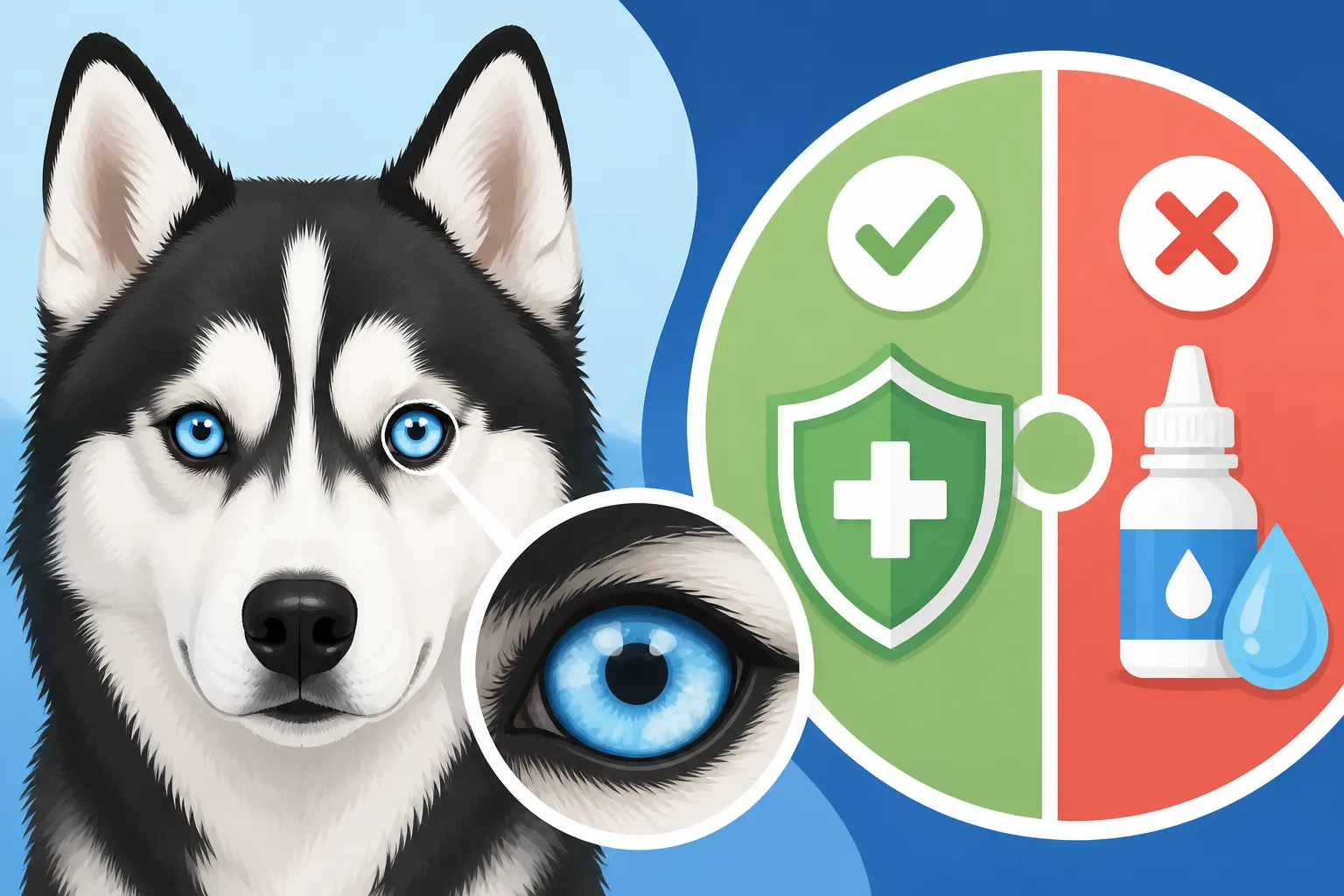
The hallmark of stromal corneal dystrophy in Siberian Huskies is often the appearance of white, grayish, or crystalline deposits within the cornea. These can manifest as distinct white spots, a diffuse haziness, or most commonly, a ring-like opacity in the peripheral or central cornea. This "cloudy ring" or disk shape can be quite noticeable, sometimes appearing as if glitter or tiny sugar crystals are embedded in the eye.
Unlike a cataract, which is a cloudiness within the lens behind the iris, corneal dystrophy is on or within the cornea itself. You might see it more clearly when your Husky is looking directly at you, or when light catches their eye at a certain angle. For more specific visual cues, you might want to look up Corneal Dystrophy Rings in a Siberian Husky Eye for detailed descriptions. Typically, these deposits don't cause irritation, redness, or excessive tearing, distinguishing them from inflammatory eye conditions.
Distinguishing from Other Eye Conditions
It's easy to confuse corneal dystrophy with other eye issues that cause a cloudy appearance, which is why a professional diagnosis is so vital. One common mistake is confusing it with Juvenile Cataracts in the Siberian Husky. While both cause cloudiness, cataracts affect the lens of the eye, located deeper inside, and often lead to significant vision impairment as they progress. Corneal dystrophy, on the other hand, is a corneal issue and usually has a different visual texture – more crystalline or granular, rather than the milky or icy look of a cataract. For tips on Spotting a Cloudy Lens in a Siberian Husky, you'll learn how to tell the difference.
Another condition often confused with corneal dystrophy is nuclear sclerosis, a normal aging change in the lens that makes it appear hazy but rarely affects vision. More serious conditions like Glaucoma as a Siberian Husky Emergency or uveitis can also cause corneal cloudiness, but these are typically accompanied by pain, redness, squinting, and often a sudden onset. If your Husky is showing Siberian Husky Eye Pain and Sudden Squinting, that's an urgent vet visit, as it's likely something more severe than benign dystrophy. This is why Why a Siberian Husky Needs an Eye Exam Every Year is so important – annual checks help catch subtle changes and rule out more serious issues.
Does Corneal Dystrophy Always Require Treatment?
This is the million-dollar question for many Husky owners, and the answer, happily, is often no. For the vast majority of Siberian Huskies diagnosed with stromal corneal dystrophy, the condition is benign. This means it might be present, it might even be noticeable, but it generally doesn't cause pain, inflammation, or significant vision problems. It's more of a cosmetic observation than a serious medical threat.
However, like any health condition, there are nuances and exceptions. Understanding these can help you and your vet make informed decisions about your Husky's care. The primary goal of managing corneal dystrophy is to ensure your dog remains comfortable and their vision is unimpaired.
When It's Benign and Just Needs Monitoring
In most cases of stromal corneal dystrophy in Siberian Huskies, the lipid or mineral deposits remain superficial or confined to areas that don't interfere with central vision. Your vet or a veterinary ophthalmologist will confirm the diagnosis, often by examining the eye with specialized equipment that allows them to view the different layers of the cornea. Once diagnosed as a non-progressive, non-painful condition, the recommendation is almost always to simply monitor it.
This monitoring involves regular eye check-ups, often annually. During these exams, the specialist will assess if the deposits have changed in size or density, if they are causing any irritation, or if they are beginning to impinge on your Husky's field of vision. This is where What an Ophthalmologist Checks in a Siberian Husky becomes invaluable. As long as your dog isn't squinting, rubbing their eyes, or showing signs of discomfort, and their vision remains good, treatment is typically unnecessary. It's a condition many Huskies live with comfortably throughout their lives, requiring only routine observation. Pet insurance providers like Healthy Paws can certainly help manage the costs of these important preventative and diagnostic visits, making consistent monitoring more accessible.
Situations Where Intervention Might Be Considered
While uncommon, there are instances where corneal dystrophy might warrant intervention. These are usually when the deposits become significant enough to:
- Impair Vision: If the deposits become very dense or spread into the central visual axis, they can begin to obstruct your Husky's sight. This might manifest as your dog bumping into objects, especially in dim light, or being hesitant to navigate unfamiliar spaces.
- Cause Corneal Erosions or Ulcers: In some rare cases, particularly with epithelial dystrophy (less common in Huskies but possible), the deposits can cause the outer layer of the cornea to become fragile, leading to painful, recurrent erosions or ulcers. These are significant and require immediate veterinary attention to prevent infection and further damage.
- Cause Discomfort: Although generally non-painful, very large or irritating deposits could theoretically cause mild discomfort. Any sign of your Husky rubbing their eye, increased tearing, or sensitivity to light should be investigated.
In these specific scenarios, your vet or ophthalmologist might discuss treatment options. It's important to differentiate these rare complications from the typical benign presentation, which generally doesn't cause any real issues for your dog.
Managing Corneal Dystrophy: When and How
If your Siberian Husky's corneal dystrophy falls into the majority category—meaning it's benign and not causing any problems—then management is primarily about vigilant monitoring. This means adhering to those annual ophthalmologist appointments and keeping a keen eye on your dog's comfort and vision at home. But for those rare cases where intervention is considered, there are a few avenues to explore.
Living with a Husky means being prepared for various health considerations, and eye health is a big one. Even if corneal dystrophy doesn't always need treating, unexpected issues like corneal ulcers or other eye emergencies can arise. Having pet insurance like Healthy Paws in place provides invaluable peace of mind for those unforeseen circumstances, allowing you to focus on your dog's well-being without added financial stress.
Medical and Surgical Approaches
For the rare instances where corneal dystrophy does cause problems, medical and surgical treatments exist.
-
Medical Management: If corneal erosions are a concern, lubricating eye drops or ointments might be prescribed to keep the eye surface moist and help prevent irritation. Topical medications, sometimes even containing chelating agents (substances that bind to minerals), have been tried to reduce the deposits, but their effectiveness is often limited, especially for deeply embedded lipid deposits. Diet modification, aimed at reducing fat and cholesterol, is often discussed but rarely proves effective at reversing or significantly halting the progression of existing corneal lipid deposits.
-
Surgical Intervention: In severe cases where vision is significantly impaired or painful recurrent erosions occur, surgical removal of the corneal deposits might be considered. This procedure, known as a superficial keratectomy, involves carefully shaving off the affected outer layers of the cornea. While it can improve vision and relieve discomfort, it's not without risks. There's a chance of recurrence, and like any surgery, it requires anesthesia and a recovery period. The decision for surgery is usually a last resort, after thorough discussion with a veterinary ophthalmologist, weighing the potential benefits against the risks. Before any potential surgical intervention for a severe case, discussing coverage with your provider, such as Healthy Paws, is always a wise step to understand what's covered and what your out-of-pocket might be.
Ongoing Monitoring and Proactive Care
Regardless of whether treatment is initiated, ongoing monitoring is paramount for any Husky with corneal dystrophy. This typically involves annual visits to a board-certified veterinary ophthalmologist. These specialists have the equipment and expertise to thoroughly evaluate your Husky's eyes, detect subtle changes, and rule out other conditions. For more on this, check out Siberian Husky Eye Disease and the Annual Exam.
At home, you should be proactive in observing your Husky. Look for any signs of discomfort like squinting, rubbing their face, increased tearing, or redness. Pay attention to changes in their vision, especially in low light or unfamiliar surroundings. Make sure their environment is safe and consistent if you suspect any visual impairment. Regular visual checks of their eyes for changes in the cloudiness are also helpful. If your vet recommends a specialist, an ophthalmologist’s fees can add up, but with a good plan from Healthy Paws, you can focus more on your Husky's health and less on the unexpected expenses.
Here’s a quick overview of how corneal dystrophy compares to other common eye conditions in Huskies:
| Condition | Primary Location of Cloudiness | Main Cause | Associated Pain/Inflammation | Impact on Vision (Typically) | Treatment Needs (Typically) |
|---|---|---|---|---|---|
| Corneal Dystrophy | Cornea (outer layer) | Genetic, lipid deposits | Rarely | Little to none, unless severe | Monitoring, rarely surgery |
| Cataract | Lens (inside the eye) | Genetic, age, injury | No | Significant, progressive loss | Surgery if severe |
| Nuclear Sclerosis | Lens (inside the eye) | Normal aging process | No | Minimal | None |
| Glaucoma | Whole eye (high pressure) | Fluid drainage issues | High pain, redness | Rapid loss, emergency | Emergency medical/surgical |
| Corneal Ulcer | Cornea (surface) | Injury, infection, erosion | High pain, squinting, discharge | Temporary | Medical, sometimes surgery |
Remember, while this table offers a general guide, only a professional veterinary examination can accurately diagnose and recommend the best course of action for your unique Siberian Husky. It's a good practice to enroll your Siberian Husky into a reputable pet insurance plan, perhaps from Healthy Paws, when they are young, before any conditions like corneal dystrophy are noted, to ensure maximum coverage.
Disclaimer
The information provided in this article is for educational purposes only and is not a substitute for professional veterinary advice. Always consult with a qualified veterinarian or veterinary ophthalmologist for any health concerns or before making any decisions about your Siberian Husky's medical care.