Tie-Back Surgery for a Siberian Husky
It's incredibly distressing when your once vibrant Siberian Husky, full of life and boundless energy, starts struggling with something as fundamental as breathing. That raspy, noisy inhale, the sudden collapse after a short walk, or the alarming gagging while eating can leave any owner feeling helpless and terrified. This guide is here to walk you through understanding laryngeal paralysis, a condition that can affect older Huskies, and how tie-back surgery can offer a lifeline, restoring their ability to breathe freely again.
Understanding Laryngeal Paralysis in Older Siberian Huskies
Laryngeal paralysis isn't something most Husky owners think about until they're faced with it, but it's a condition that can significantly impact a dog's quality of life, especially as they age. It involves the larynx, or voice box, which has cartilages that should open widely when your dog inhales to allow air into the lungs and close when they swallow to prevent food or water from entering the windpipe. With laryngeal paralysis, these cartilages don't open properly, making it incredibly difficult for air to pass through, creating that tell-tale noisy breathing.
How Laryngeal Paralysis Develops and Its Impact
Typically, laryngeal paralysis is an age-related condition, often striking older dogs, though some breeds can be predisposed. While Siberian Huskies aren't at the top of the list for this particular ailment, any senior dog can develop it. It's often part of a broader neurological issue where the nerves that control the muscles of the larynx start to degenerate. This means the muscles can't pull the cartilages open or closed effectively.
Imagine trying to breathe through a perpetually half-closed straw – that's what it can feel like for your Husky. Initially, you might notice subtle changes: a slight increase in panting, a change in their bark (it might become hoarse), or a cough after drinking water. As the condition progresses, these signs become more pronounced. Your dog might develop a distinctive "roaring" sound when they breathe, especially during excitement or exercise. They'll show decreased exercise tolerance, becoming winded much faster than usual. In severe cases, they can experience episodes of acute respiratory distress, where they struggle violently for air, their gums might turn blue, and they can even collapse. This is particularly dangerous if it occurs during warmer weather, as it exacerbates their inability to cool themselves, increasing their risk of heat stroke. If you've ever had an older Husky that makes Noisy Breathing in an Older Siberian Husky, it's definitely something to discuss with your vet.
Recognizing the Warning Signs and Seeking Diagnosis
Catching laryngeal paralysis early can make a big difference in managing it. Beyond the noisy breathing, keep an eye out for changes in their activity level. Is your usually energetic Husky suddenly reluctant to go for walks or play? Are they panting excessively even at rest? Do they gag or cough more frequently, especially after eating or drinking? These are all red flags.
Diagnosing laryngeal paralysis requires a specific examination performed by a veterinarian, often under light sedation. During this laryngeal exam, the vet will observe the movement of the arytenoid cartilages as your dog breathes. If they don't abduct (open) symmetrically or sufficiently, it confirms the diagnosis. It's crucial that this exam is done properly to differentiate laryngeal paralysis from other respiratory issues like collapsing trachea, allergic reactions, or even a tumor in the airway. Your vet may also recommend chest X-rays to rule out other lung conditions or a concurrent megaesophagus, which can worsen the risk of aspiration.
What Tie-Back Surgery Entails
Once laryngeal paralysis is diagnosed, especially if your Husky's quality of life is severely impacted, tie-back surgery – officially known as unilateral arytenoid lateralization – is often the most effective treatment. It's a surgical procedure designed to permanently open one side of the airway, making breathing much easier for your dog.
The Surgical Procedure: A Permanent Airway Opening
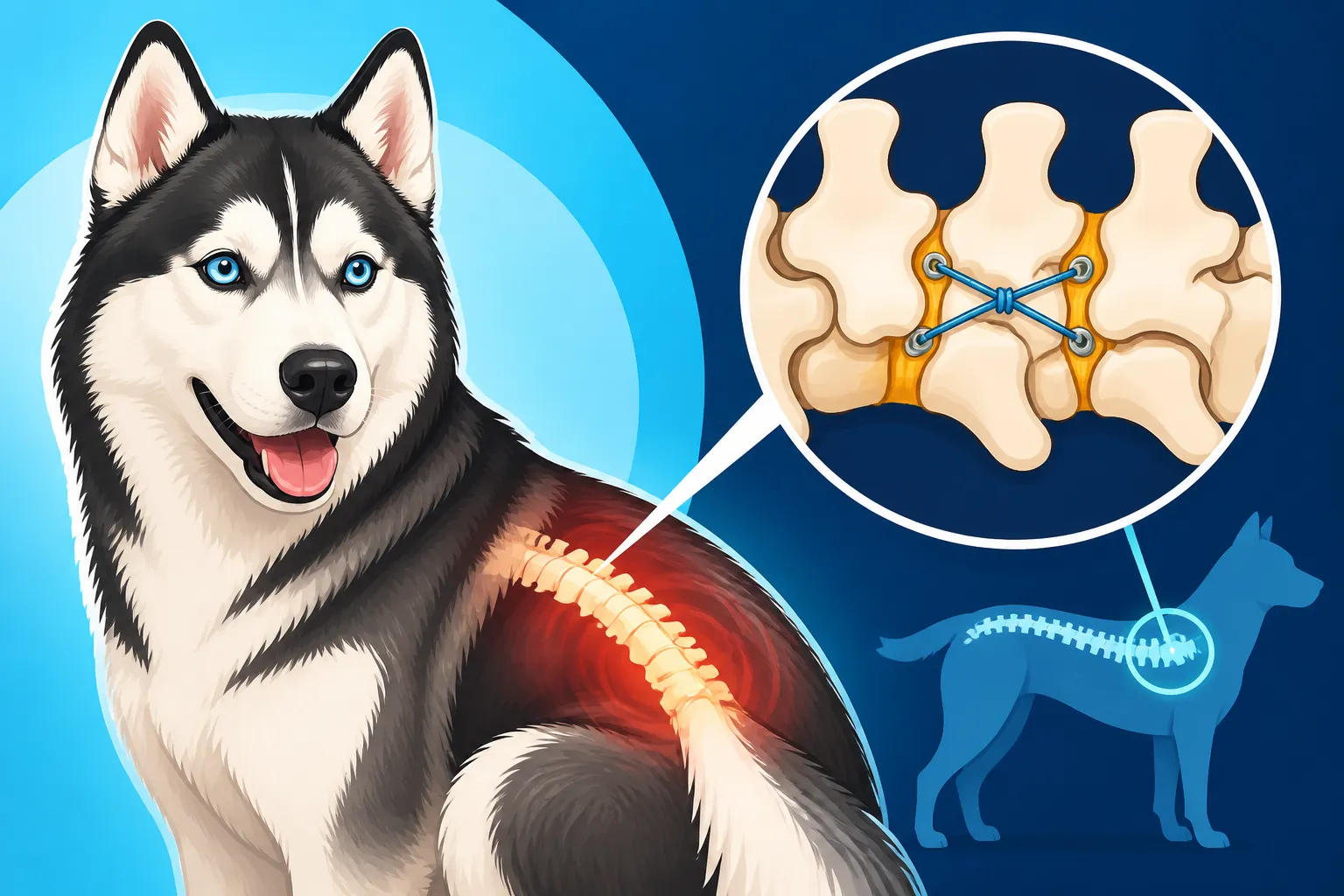
The concept behind tie-back surgery is relatively straightforward, though the execution requires a skilled veterinary surgeon, typically a board-certified specialist. The surgeon will make an incision on one side of your Husky's neck, accessing the larynx. They then identify the arytenoid cartilage on one side and use strong, non-absorbable sutures to "tie back" or permanently fix it in an open position. This effectively widens the airway, allowing air to flow in and out with less resistance. Most surgeons will only tie back one side, as tying both sides significantly increases the risk of aspiration pneumonia, a serious complication where food or liquid enters the lungs.
The decision to proceed with surgery is a big one. It's an invasive procedure, and like any surgery, it comes with risks. However, for a dog severely struggling to breathe, the relief can be immediate and life-changing. It’s about weighing the quality of life against the potential complications. Many owners find that the benefits far outweigh the risks when their beloved companion is literally fighting for every breath. This surgery can significantly improve their comfort and activity levels. For an older Husky, the thought of them gasping for air is terrifying, and this procedure aims to alleviate that constant struggle. If you're looking into options for Laryngeal Paralysis in an Older Siberian Husky, this surgery will be a primary discussion point with your vet.
Potential Risks and Complications
While tie-back surgery offers significant relief, it's not without its potential drawbacks. The most critical and common complication is aspiration pneumonia. Because one side of the larynx is permanently open, the protective mechanism that usually prevents food and water from entering the trachea during swallowing is compromised. This makes your Husky more susceptible to inhaling small particles of food, water, or even saliva into their lungs, leading to infection.
Other less common complications can include:
- Suture failure: The sutures used to tie back the cartilage can sometimes break, causing the airway to collapse again. This would require another surgery.
- Wound infection: As with any surgical incision, there's a risk of infection at the surgical site.
- Excessive swelling: Swelling post-surgery could temporarily impede breathing, requiring close monitoring.
- Change in bark: Your Husky's bark may change permanently, becoming hoarser or softer, or they might lose it altogether. This is typically a minor concern compared to breathing difficulties.
It's vital to have a thorough discussion with your veterinary surgeon about these risks and how they will be managed both during and after the procedure. They will provide detailed instructions on post-operative care aimed at minimizing these complications.
Preparing for and Recovering from Tie-Back Surgery
The journey through tie-back surgery isn't just about the procedure itself; it involves careful preparation and diligent post-operative care to ensure the best possible outcome for your Siberian Husky. This is particularly true when dealing with an older dog, as their bodies may be more fragile.
Pre-Surgical Considerations and Diagnostics
Before your Husky goes under the knife, your vet will perform a comprehensive workup. This isn't just a formality; it's essential to assess their overall health and identify any underlying conditions that could complicate anesthesia or recovery. Expect a full panel of blood tests, including a complete blood count (CBC) and a biochemistry profile, to check organ function. A urinalysis might also be recommended.
Chest X-rays are crucial to evaluate lung health and rule out pre-existing pneumonia, which would need to be treated before surgery. Sometimes, an electrocardiogram (ECG) might be performed to check heart function, especially in older dogs or those with a history of cardiac issues. Remember, anesthesia poses a Anesthesia Risk in a Senior Siberian Husky, so thorough pre-operative screening is vital to minimize these risks.
It's also a good time to discuss the financial aspects of the surgery. Tie-back surgery is a specialized procedure and can be quite costly. This is where pet insurance, like policies from Healthy Paws, can really make a difference, helping to cover a significant portion of the veterinary bills. Knowing you have that support can ease a lot of the stress during what is already a very emotional time.
Immediate Post-Operative Care at the Clinic
After surgery, your Husky will require intensive monitoring in the veterinary hospital. The immediate recovery period is critical for preventing complications. The veterinary team will closely watch their breathing patterns, heart rate, and temperature. Pain management will be a top priority, with appropriate medications administered to keep them comfortable.
One of the most important aspects of immediate post-op care is monitoring for aspiration. Your Husky will likely be kept in a sternal position (lying on their chest) to help reduce the risk of regurgitation and aspiration. They might not be allowed food or water for several hours, or even overnight, to ensure the swelling in the throat has subsided and the risk is minimized. When they do start eating and drinking, it will be under strict supervision, often with small amounts of soft food and water in a slightly elevated position.
| Aspect of Care | Pre-Surgery Checklist | Post-Surgery Checklist (Clinic) |
|---|---|---|
| Diagnostics | Bloodwork, Urinalysis, Chest X-rays, Laryngeal Exam (sedated) | Continuous respiratory rate & effort, Heart rate, Temperature |
| Medications | Address pre-existing conditions (e.g., pneumonia) | Pain relief (IV/oral), Anti-inflammatories, Anti-nausea |
| Feeding | Normal diet until specific fasting instructions | NPO (Nothing Per Os) initially, then small, soft, elevated feedings |
| Monitoring | Overall health assessment | Aspiration pneumonia signs, Swelling at incision site |
| Financial | Confirm insurance coverage (e.g., Healthy Paws), discuss costs | Receive discharge instructions, follow-up payment arrangements |
Home Care and Long-Term Management
Once your Husky is deemed stable enough to go home, your role in their recovery becomes paramount. You'll receive detailed instructions from your vet, and it’s crucial to follow them precisely.
Key aspects of home care include:
- Restricted Activity: Your Husky will need to be kept calm and quiet for several weeks. No running, jumping, or rough play. Leash walks only, and keep them short. This helps the surgical site heal and prevents undue strain.
- Diet Modifications: This is one of the most critical aspects of preventing aspiration pneumonia. You will need to feed your Husky soft, bland food (e.g., canned food, soaked kibble, cooked chicken and rice) in small, frequent meals. Feeding them from an elevated position, or using a slow feeder, can help them swallow more effectively. They should remain in an elevated position for 10-15 minutes after eating to aid digestion and prevent regurgitation.
- Water Management: Offer water in small amounts, frequently, or use a "licker" bottle to encourage slower drinking. You might be advised to avoid regular water bowls for a while.
- Medication Administration: You’ll likely have several medications to give: pain relievers, anti-inflammatories, and possibly antibiotics.
- Monitoring for Complications: Keep a vigilant eye out for any signs of aspiration pneumonia: coughing (especially productive coughs), gagging, fever, lethargy, or increased respiratory effort. If you notice these, contact your vet immediately. Also watch for swelling, discharge, or redness at the incision site.
- Environment: Keep your Husky in a cool, calm environment. Avoid excessive heat or humidity, which can worsen breathing difficulties. Minimize excitement.
The first few weeks are the most challenging, but with consistent care, your Husky can recover well and enjoy a significantly improved quality of life. This dedicated aftercare is a big part of Caring for a Siberian Husky Past Ten when they face health challenges.
Life After Tie-Back Surgery: Expectations and Management
Undergoing tie-back surgery for laryngeal paralysis is a big step, and while it promises significant relief, it also means adapting to a "new normal" for your Siberian Husky. The goal is to provide them with a comfortable, happy life with easier breathing, but it requires ongoing management and a keen eye from you.
What to Expect in the Months Following Surgery
The initial recovery period usually lasts 4-6 weeks, during which you'll gradually reintroduce normal activity and food textures as advised by your vet. Most owners report a dramatic improvement in their Husky's breathing immediately after surgery. The loud roaring sounds often disappear or are significantly reduced, and they can tolerate more activity without struggling.
However, it's important to understand that while breathing is improved, the risk of aspiration pneumonia never truly goes away. It becomes a lifelong management consideration. Your Husky will always have that slightly open airway, making careful eating and drinking habits essential. Regular check-ups with your veterinarian will be important to monitor their respiratory health and overall well-being, especially as they continue to age.
Managing the Lifelong Risk of Aspiration Pneumonia
Aspiration pneumonia is the most serious long-term risk after tie-back surgery. It occurs when food, water, or stomach contents are inhaled into the lungs, leading to infection. To minimize this risk, you'll need to maintain specific feeding and drinking protocols:
- Elevated Feeding: Continue to feed your Husky from elevated bowls. This positioning helps gravity pull food down the esophagus more effectively and reduces the chance of it entering the windpipe.
- Soft Food Diet: While some Huskies can eventually transition back to kibble, many do best on a permanently soft or moistened diet. Soaking kibble thoroughly, or feeding canned food, makes it easier to swallow.
- Small, Frequent Meals: Instead of one or two large meals, offer smaller portions more often throughout the day. This prevents overfilling the stomach and reduces regurgitation risk.
- Careful Drinking: Supervise water intake. Many vets recommend using smaller water bowls or even a Lixit-type bottle to encourage slower drinking. You might even consider offering water mixed with a small amount of low-sodium chicken broth to entice them to drink slowly.
- Post-Meal Monitoring: Keep your Husky upright or in a sternal position for at least 10-15 minutes after eating and drinking. Avoid vigorous activity immediately after meals.
Symptoms of aspiration pneumonia include coughing, difficulty breathing, lethargy, loss of appetite, and fever. If you notice any of these signs, seek veterinary attention immediately. Early intervention is key to successful treatment.
Quality of Life Improvements and Limitations
For many Siberian Huskies, tie-back surgery provides a remarkable improvement in their quality of life. They can breathe easier, enjoy walks and gentle play, and are generally more comfortable and less anxious about their next breath. Owners often describe a resurgence of energy and happiness in their dogs.
However, there will still be some limitations. High-intensity exercise, especially in warm weather, should be avoided. Your Husky won't have the same respiratory capacity as a perfectly healthy dog, and pushing them too hard can still lead to distress. Managing Heat Stroke Risk in a Siberian Husky becomes even more critical for a post-op dog. They might not be able to join you on long trail runs or participate in strenuous dog sports as they once did. Instead, focus on moderate, consistent exercise that keeps them engaged without overexertion.
The biggest benefit is the peace of mind it gives you, knowing your beloved Husky isn't constantly struggling for air. While the ongoing care requires diligence, seeing your Husky comfortable and happy makes every effort worthwhile. For specific advice on managing your dog's activity level and dietary needs, always consult with your vet or a board-certified veterinary nutritionist.
Disclaimer
This article is intended for informational purposes only and does not constitute veterinary medical advice. Always consult with a qualified veterinarian for any health concerns or before making any decisions about your pet's medical care, diet, or treatment. Individual results and outcomes may vary.