Why a Cheap Siberian Husky Puppy Is a Warning
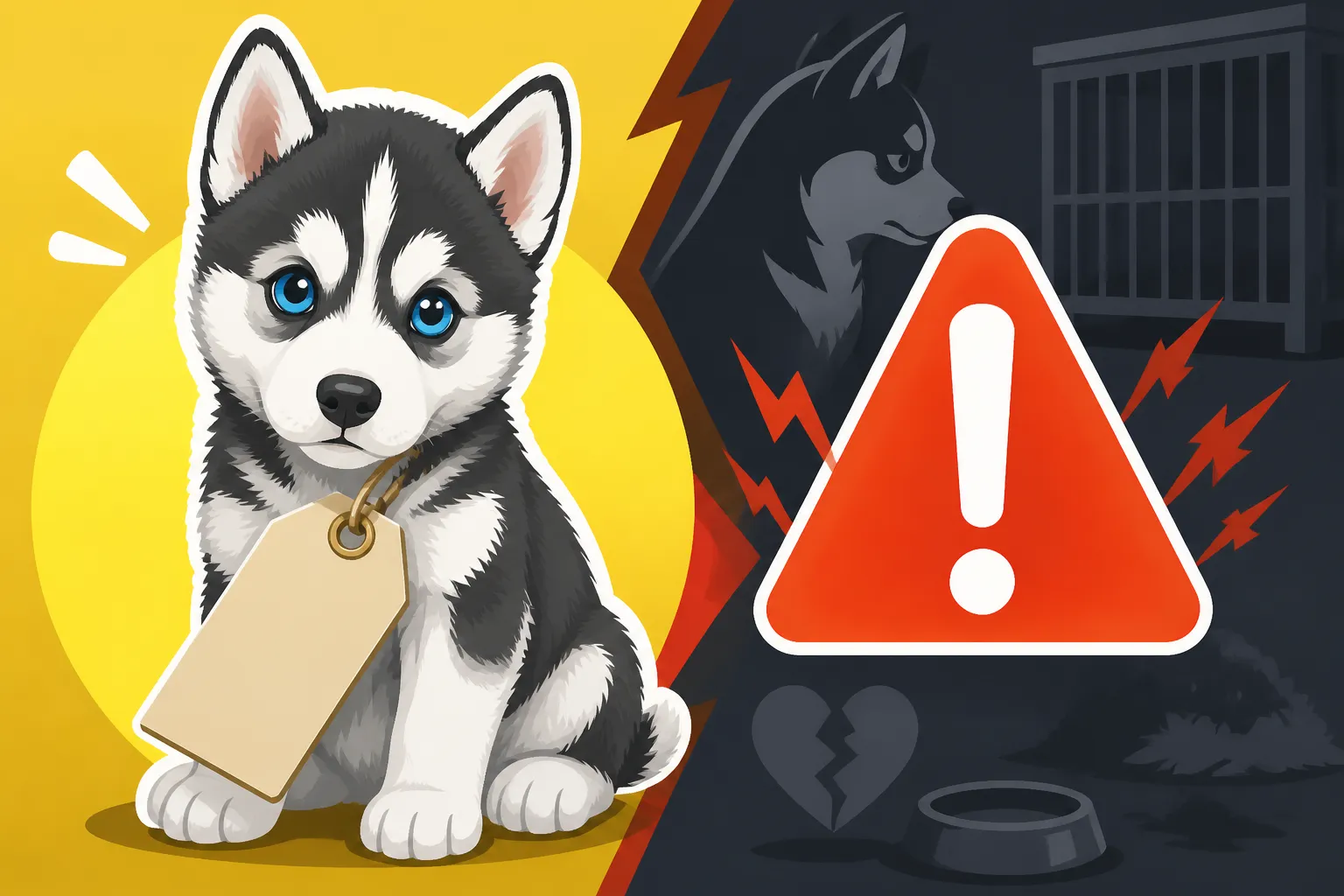
It’s a tale as old as time: you’re dreaming of bringing a beautiful Siberian Husky puppy into your life, scrolling through ads, and suddenly, you spot one at an unbelievably low price. Your heart leaps, but a tiny voice in your head whispers, "Is this too good to be true?" That gut feeling is usually right, especially when it comes to adopting a Husky. A surprisingly cheap Siberian Husky puppy is almost always a massive red flag, signaling potential heartache, immense veterinary bills, and behavioral challenges down the road. This guide will walk you through why that bargain might cost you more in the long run and how to find a healthy, well-adjusted Husky companion.
The Allure of a Low Price Tag and the Hidden Costs
We’ve all been there, browsing online marketplaces or seeing flyers, and the price of a Siberian Husky puppy seems incredibly appealing. Perhaps it's half of what you've seen elsewhere, or even less. It's natural to be drawn to a good deal, especially when you're excited about a new family member. However, for a breed as unique and complex as the Siberian Husky, a low upfront cost often masks a multitude of problems that will demand significantly more of your time, emotions, and wallet later on.
Understanding "Bargain" Huskies
When you see a Siberian Husky puppy listed for significantly less than the going rate – say, a few hundred dollars when reputable breeders are charging well over a thousand, sometimes even two thousand dollars – it’s time to hit the pause button. These "bargain" puppies typically come from sources that prioritize profit over the health and welfare of their animals. We're talking about backyard breeders, puppy mills, or individuals who accidentally bred their dogs without any understanding of genetics, breed standards, or proper care. They aren't investing in health clearances for the parents, quality nutrition, or crucial early socialization, all of which are expensive but essential steps for producing healthy, well-adjusted pups. They might just be trying to get rid of a litter quickly, without a second thought about where these puppies end up.
These breeders often bypass essential steps like health testing their breeding dogs for genetic conditions common in the breed. For example, Siberian Husky Eye Disease and the Annual Exam is a serious consideration, as are other conditions that can be screened for. A good breeder knows that skipping these tests dramatically increases the risk of passing on debilitating and costly health issues to the puppies. They also might not provide a safe, clean environment or proper nutrition, which impacts a puppy’s development from day one. You might think you're saving money, but you're really just inheriting their skipped corners.
The Immediate Financial Traps
That low purchase price is just the tip of the iceberg. The moment you bring a "bargain" Husky puppy home, a new set of immediate and often unexpected expenses typically arises. These puppies frequently haven't received proper veterinary care. This means they often haven't had their first vaccinations, or if they have, they might have been given incorrectly or with cheap, ineffective vaccines. They could also be riddled with parasites like worms, fleas, or even more serious infections that were left untreated.
Imagine taking your new, inexpensive puppy to the vet for their first check-up, only to be hit with a bill for a full series of vaccinations, multiple deworming treatments, and perhaps even antibiotics for a respiratory infection. These initial vet visits can quickly tally up, easily surpassing the "savings" you thought you made on the purchase price. A responsible breeder will have already invested in these crucial first steps, providing you with a healthy puppy and records of all initial vet care, including details about their first shots and deworming. This upfront investment by the breeder truly saves you money and worry.
Health Problems Stemming from Poor Breeding
The beautiful, majestic Siberian Husky is generally a robust breed, but like all purebreds, they are susceptible to certain genetic health conditions. Responsible breeders go to great lengths to screen their breeding stock to minimize the risk of passing these issues onto their puppies. A cheap puppy, however, almost certainly comes from parents who have not been screened, meaning you're playing a genetic lottery with your new family member's health.
Genetic Conditions to Watch For
Siberian Huskies are known for a few key hereditary health concerns. Eye conditions are particularly prevalent. For instance, Juvenile Cataracts in the Siberian Husky can appear quite young, potentially leading to blindness and requiring expensive surgery. Another serious concern is Progressive Retinal Atrophy in Siberian Huskies, which can also result in blindness. These are not minor issues; they require specialized veterinary ophthalmologist care, and treatments or management can cost thousands of dollars over a dog's lifetime.
Beyond the eyes, Huskies can also suffer from conditions like Zinc-Responsive Dermatosis in the Siberian Husky, a skin condition that often requires lifelong zinc supplementation. While not as immediately life-threatening as some other issues, managing this condition is a constant expense and requires diligent care. Hip issues, though less common in Huskies than some other large breeds, can still occur. While Siberian Husky Hips and Why the Rate Is Low suggests they are relatively healthy in this regard, a poorly bred Husky could still develop hip dysplasia, leading to pain and costly surgeries. These are just a few examples, but they illustrate how a "cheap" puppy can quickly become incredibly expensive to maintain, impacting both your finances and your dog's quality of life.
Lack of Essential Veterinary Care
A cheap Siberian Husky puppy is almost guaranteed to have missed critical early veterinary care. This isn't just about vaccinations; it extends to basic health checks, parasite prevention, and early detection of congenital problems. Puppies from irresponsible breeders might not receive adequate nutrition, impacting their growth and immune system development. They could be exposed to unsanitary conditions, making them more vulnerable to infections like kennel cough, parvovirus, or giardia. These diseases are not only dangerous but can be incredibly costly to treat, often requiring emergency vet visits, hospitalization, and a regimen of medications.
A reputable breeder, on the other hand, understands the importance of early intervention and preventative care. They invest in regular vet check-ups for their litters, ensuring they are dewormed, vaccinated appropriately for their age, and screened for any obvious health concerns before going to new homes. They keep meticulous records, providing you with verifiable proof of care, often referred to as Reading a Siberian Husky Puppy's Health Paperwork. This transparency is something you simply won't get with a bargain puppy, where health history is often vague or nonexistent. That initial investment in a well-cared-for puppy drastically reduces your chances of a devastating and expensive health crisis early on.
Here’s a quick comparison of what you might save versus what you might pay:
| Factor | Reputable Breeder Puppy (Upfront Cost) | Cheap Puppy (Upfront Cost) | Potential Long-Term Costs for Cheap Puppy |
|---|---|---|---|
| Purchase Price | $1,500 – $3,000 | $300 – $800 | N/A |
| Health Testing (Parents) | Included in price | None | $500 – $5,000+ (for treating genetic issues) |
| Initial Vet Care (Vaccines, Deworming) | Included in price (documented) | Often none | $200 – $1,000+ (catch-up vaccines, parasite treatment, illness) |
| Genetic Guarantee | Yes, often in contract | None | N/A |
| Behavior Support | Breeder guidance, well-socialized | None, poorly socialized | $500 – $2,000+ (for trainers, property damage) |
| Total Initial Outlay | $1,500 – $3,000 | $300 – $800 | Potentially $1,200 – $8,000+ EXTRA |
As you can see, the initial "savings" on a cheap puppy can quickly be dwarfed by unexpected and substantial expenses.
Behavioral Challenges and Future Expenses
Siberian Huskies are known for their strong personalities, intelligence, and often mischievous nature. While these traits are part of their charm, they also require consistent training, socialization, and an owner who understands their specific needs. When a Husky puppy comes from a subpar breeding situation, these inherent traits can be exacerbated, leading to significant behavioral problems that are not only frustrating but can also be incredibly expensive to manage.
The Impact of Poor Socialization
Early socialization is absolutely critical for a puppy's development, especially for a breed like the Siberian Husky, which can be independent and prone to certain behaviors. Puppies from backyard breeders or puppy mills often miss out on this vital period of exposure. They might be kept in small, confined spaces, with minimal human interaction or exposure to different sights, sounds, and other animals. This lack of early positive experiences can lead to lifelong anxiety, fear, aggression, or an inability to cope with new situations.
Imagine bringing home a cheap puppy that cowers at every new noise, nips out of fear, or struggles to interact appropriately with other dogs. These issues don't just magically disappear; they require intensive, ongoing training, potentially with professional behavioralists, which can cost hundreds, if not thousands, of dollars. Moreover, the emotional toll of living with a dog that constantly struggles with fear or aggression is immense. A well-socialized puppy from a good breeder will have been exposed to various stimuli in a positive way, setting them up for success as a confident, adaptable companion. This foundational work by the breeder is invaluable and cannot be easily replicated or "fixed" later on.
Escape Artists and Destructive Tendencies
Siberian Huskies are natural escape artists and diggers. They have an innate drive to run and explore, often described as their The Roaming Instinct Bred Into Every Siberian Husky. This isn't necessarily a bad thing, but when combined with a lack of proper training, boundaries, and sufficient exercise, it can lead to serious destructive behaviors. A cheap puppy might not have received any early training, boundaries, or mental stimulation, meaning they are even more likely to act out when bored, anxious, or left alone.
This can manifest as chewing through furniture, tearing up carpets, digging craters in your yard, or, most dangerously, becoming proficient at Stopping a Siberian Husky From Escaping the Yard. The costs here are not just financial – replacing damaged property, installing higher fences, or even facing fines from animal control if your Husky escapes – but also emotional. A lost or injured Husky can be devastating. Investing in a puppy from a reputable source means starting with a dog that has a better foundation, making training more effective and reducing the likelihood of extreme destructive behaviors. You might also find yourself needing to invest in heavy-duty chew toys and puzzle feeders from places like Chewy to keep these intelligent pups occupied, which adds up.
How to Find a Reputable Siberian Husky Breeder
Okay, so the "cheap puppy" alarm bells are ringing loud and clear. Now you're probably wondering, "How do I find a good breeder then?" It's definitely more work than just picking the first cute face you see, but trust me, it's worth every single bit of effort. A reputable breeder isn't just selling you a puppy; they're offering a lifetime of support and a healthy, well-adjusted companion that truly embodies the best of the Siberian Husky breed.
What to Look for in a Responsible Breeder
A responsible Siberian Husky breeder will be passionate about the breed, deeply knowledgeable, and genuinely invested in the health and future of their puppies. They won't always have puppies available; instead, they breed sparingly, carefully planning each litter. They’ll likely have a waiting list, which is a good sign, showing demand for their quality.
Here are some key indicators of a reputable breeder:
- Transparency and Openness: They should welcome your questions, allow you to visit their facility (or at least see photos/videos of the clean, safe environment where the puppies are raised), and be transparent about their breeding practices. They should be just as interested in you as you are in them, asking about your living situation and experience.
- Focus on Health: They will openly discuss health clearances for both parent dogs. They should be able to provide documentation, such as OFA (Orthopedic Foundation for Animals) certifications for hips and elbows, and CERF (Canine Eye Registration Foundation) or equivalent ophthalmologist reports for eyes. They will also discuss Health Testing Before You Buy a Siberian Husky in detail.
- Lifelong Support: A good breeder will offer continued support and advice for the lifetime of your dog. They often require you to return the dog to them if, for any reason, you can no longer care for it.
- Puppy Care and Socialization: They will keep their puppies with their mother and littermates until at least 8 weeks of age, allowing for crucial social development. They will also ensure the puppies are well-socialized with humans and exposed to various stimuli.
- Contract and Guarantee: They will provide a written contract detailing health guarantees, return policies, and expectations for the puppy's care.
- Knowledge of the Breed Standard: They understand the temperament, conformation, and working ability of the Siberian Husky as defined by breed clubs.
Don't be afraid to ask tough questions and take your time. This is a significant commitment.
Essential Health Clearances and Paperwork
This is where the rubber meets the road. A reputable Siberian Husky breeder will provide you with a comprehensive package of information and documentation that proves their commitment to healthy breeding. This paperwork is your assurance that you're getting a puppy with the best possible start.
Key documents and clearances you should expect to see include:
- Pedigree: A multi-generational lineage of the puppy, showing its ancestors. This helps demonstrate responsible breeding.
- Health Clearances for Parents: This is non-negotiable. You should see OFA or PennHIP certifications for hips (indicating no dysplasia), and current eye certifications from a veterinary ophthalmologist, typically through the OFA Eye Certification Registry or CERF. These should be for both the sire and dam.
- Vaccination and Deworming Records: Detailed records of the puppy's first vaccinations and deworming treatments, administered by a licensed veterinarian.
- Microchip Information: Many breeders microchip their puppies before they go to new homes.
- AKC Registration Paperwork (Limited Registration): While this adds to the What a Siberian Husky Puppy Costs in 2026, it confirms the puppy is a purebred Siberian Husky. Most reputable breeders will sell pet-quality puppies on a limited registration, meaning they cannot be bred.
- Sales Contract: A legally binding document outlining the terms of sale, health guarantees, and what happens if the puppy develops a genetic health issue. This might also include clauses about spaying/neutering.
When looking at this paperwork, take your time. Don't be shy about asking for clarification or even contacting the certifying organizations if you have doubts. Remember, these records are a testament to the breeder's ethical practices and a crucial investment in your puppy's long-term well-being. Services like Healthy Paws pet insurance often look favorably upon dogs from reputable breeders with good health histories when calculating premiums, potentially saving you money in the long run. And once you have your healthy puppy, consider a high-quality food plan like Ollie to maintain their well-being, which again, a responsible breeder can advise on.
Disclaimer
The information provided in this article is for general informational purposes only and is not intended as a substitute for professional veterinary advice. Always consult with a qualified veterinarian or animal health professional for any questions or concerns about your Siberian Husky's health or specific medical conditions.