Booties for Siberian Husky Paws
It’s a common misconception that because Siberian Huskies come from such hardy stock, their paws are practically indestructible. While it’s true that they’re built for endurance and cold, modern environments throw a lot of challenges at those beautiful, tough paws – from scorching summer pavement and jagged ice to corrosive road salt and abrasive urban trails. This guide will walk you through exactly why and when your Siberian Husky might need booties, how to choose the right pair, and how to gently introduce them to your sometimes-stubborn companion, ensuring their paw health and comfort.
Why Your Siberian Husky's Paws Need Protection
You might picture your Siberian Husky happily bounding through feet of snow, their paws perfectly adapted to the icy terrain, and that's largely true for their natural habitat. Their paws are indeed incredible pieces of engineering, with dense fur between their pads providing insulation and a tough, leathery texture designed for traction on natural surfaces. But the world they live in today often presents conditions that even their amazing paws can struggle with.
Guarding Against Extreme Temperatures
Think about a sweltering summer day in the city. While you might be able to find a shady patch for your Husky to rest, walks are often unavoidable, and pavement temperatures can skyrocket. Asphalt can reach incredibly dangerous temperatures – think 120-140°F (49-60°C) when the air temperature is only 80°F (27°C). Holding your hand on it for five seconds is a good test; if it's too hot for you, it's too hot for their paws. This isn't just uncomfortable; it can lead to severe burns, blisters, and painful infections. Even short walks to potty can cause damage, and a burnt paw pad is a lengthy, agonizing recovery process. Hot Pavement Under Siberian Husky Paws is a serious concern for any Husky owner.
Conversely, while Huskies are masters of the cold, even they have their limits, especially when dealing with ice and chemical de-icers. Extreme cold can still cause frostbite, and compact snow or ice can create sharp edges that cut delicate paw pads. More insidiously, when snow packs between their toes, it can melt slightly from body heat and then refreeze, forming painful ice balls. These can cause discomfort, chafing, and even open wounds. Protecting against Snowballs Between Siberian Husky Toes is a primary reason many working dog owners use booties, even for breeds built for winter.
Protecting Against Environmental Hazards
Beyond temperature, our human-made environments are riddled with hazards. In urban and suburban areas, you’ll encounter sharp gravel, broken glass, discarded metal, thorns, and chemical spills. Road salt and chemical de-icers, while keeping our walkways clear, are incredibly corrosive and irritating to paw pads. They can dry out and crack the skin, leading to pain and infection. When your Husky licks their paws after a walk through salted areas, they ingest these chemicals, which can cause digestive upset or worse. This is why addressing Road Salt on Siberian Husky Paw Pads is so crucial, especially in winter.
For those active Huskies who join you on hiking trails, running adventures, or even urban explorations, booties provide an essential layer of protection against abrasive surfaces, sharp rocks, and unforeseen debris. Whether you're training for canicross or simply enjoying a long walk, ensuring their paws are shielded from potential cuts, scrapes, and punctures means a happier, healthier companion. You might also want to consult Checking Siberian Husky Pads After Trail Runs to know what to look for even with bootie protection.
Choosing the Right Booties for Your Siberian Husky
Selecting the right booties isn't a "one-size-fits-all" scenario. Given the Siberian Husky's active lifestyle, unique paw shape, and sometimes finicky nature, there are several factors to consider. The goal is to find booties that offer protection without hindering their natural gait or causing discomfort.
Material and Durability
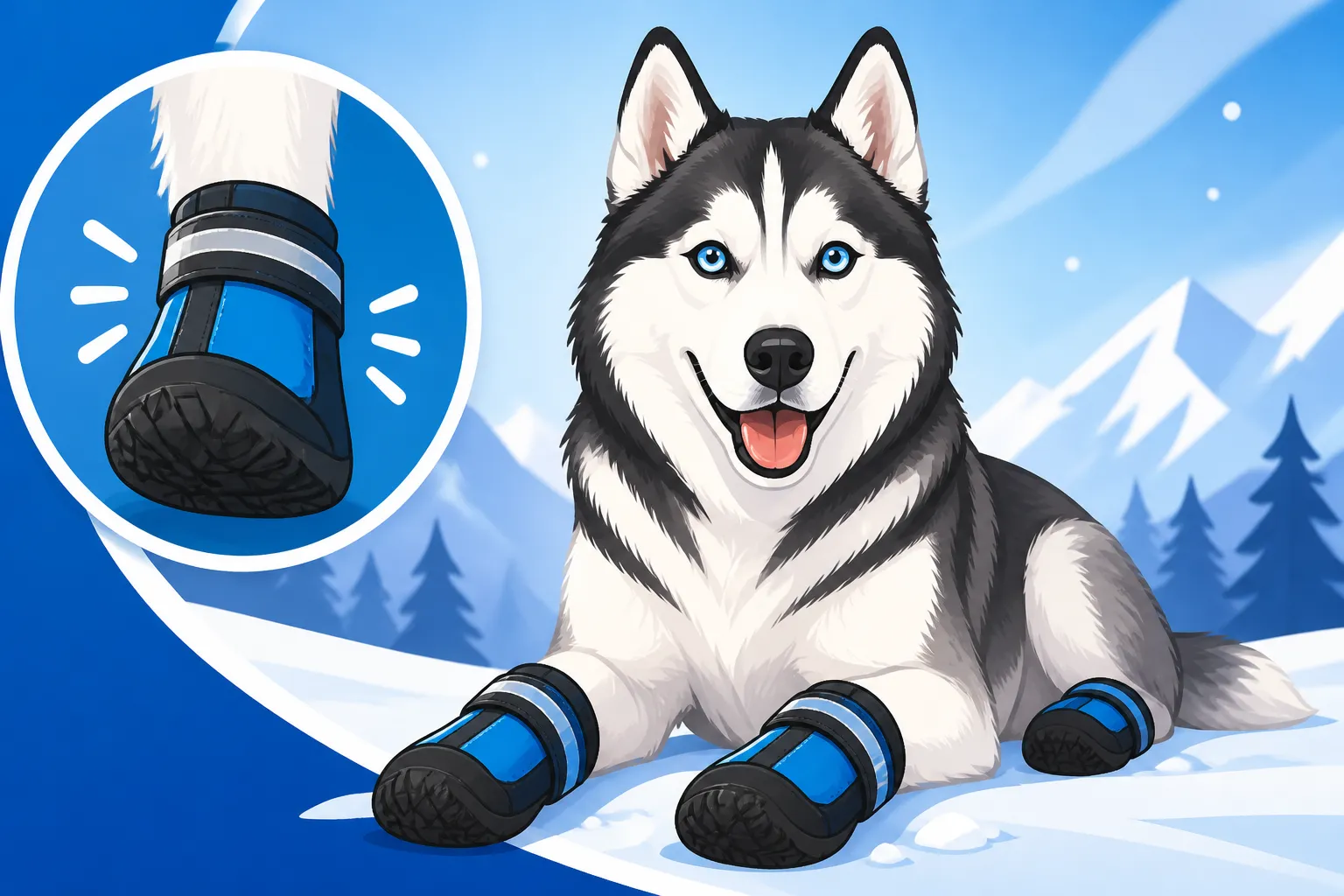
The material dictates the bootie's primary function. For harsh winter conditions, look for insulated, waterproof materials like neoprene or fleece-lined nylon. These will keep paws warm and dry, preventing ice balls and frostbite. For summer pavement or abrasive trails, a breathable but tough material like Cordura or canvas with a robust rubber sole is ideal. Some brands specialize in extreme conditions, while others offer lighter-weight options for everyday use. Durability is key; Huskies are strong, and weak stitching or flimsy materials won't stand up to their adventures.
Consider the sole as well. A thick, textured rubber sole will provide excellent grip on ice and pavement, protecting against slips and falls. For softer terrain or minimal impact, a thinner, more flexible sole might be appropriate. Remember, the idea isn't to create a clunky shoe but a protective layer that allows for natural paw movement.
Fit and Fastening
This is perhaps the most critical aspect. A poorly fitting bootie will either fall off easily (a common Husky trick!) or chafe and cause blisters. You'll need to measure your Husky's paw carefully. Most manufacturers provide sizing guides based on paw width. Stand your Husky on a piece of paper, trace their paw (including toenails), and measure the widest point. If your Husky's paws are between sizes, it's often better to size up slightly and secure it snugly, rather than having it too tight.
Look for strong, adjustable fastening systems. Velcro straps are common, but ensure they are wide, securely stitched, and ideally have a secondary closure or a double-wrap design. Some booties feature elastic cuffs or drawstrings. The fastening should sit above the paw, around the narrowest part of the leg, to prevent it from slipping off. Always ensure the strap isn't overtightened, which can cut off circulation, but snug enough that the bootie won't easily twist or come loose when your Husky is in motion.
Different Types of Booties and Their Uses
Booties come in a variety of designs, each suited for different needs:
- Winter/Extreme Cold Booties: These often have more insulation, are waterproof, and feature robust, non-slip soles. They are essential for protecting against Frostbite on Siberian Husky Ears and Tails (though booties are for paws, the principle of cold protection applies), snowballs, and chemical de-icers.
- Summer/Hot Pavement Booties: Lighter, more breathable materials dominate here, with a focus on shielding against heat. Look for good ventilation and a durable rubber sole.
- Trail/Sport Booties: Designed for active dogs, these prioritize abrasion resistance, flexible grip, and a secure fit to withstand running, hiking, and activities like canicross or bikejoring. Canicross and Bikejoring With a Siberian Husky often involve these types of booties to protect against rough terrain.
- Disposable/Temporary Booties: Think of these as emergency wraps or very short-term solutions for a minor injury. They're not built for durability but can offer temporary protection.
Here's a quick comparison of common bootie features:
| Feature/Type | Best For | Pros | Cons |
|---|---|---|---|
| Insulated/Waterproof | Deep snow, ice, extreme cold, chemical salt | Excellent warmth, dry paws, chemical barrier | Can be bulky, less breathable for moderate temps |
| Breathable/Mesh | Hot pavement, mild trails, indoor use | Good ventilation, prevents overheating | Offers less protection from sharp objects, not waterproof |
| Rugged Rubber Sole | Icy surfaces, sharp gravel, abrasive trails | Superior grip, maximum puncture protection | Can be less flexible, may feel clunky to some dogs |
| Flexible Fabric Sole | Light trails, indoor traction, temporary use | More natural paw feel, lightweight | Less durable, minimal puncture or heat protection |
| Velcro Strap System | General use, adjustable fit | Easy to put on/take off, customizable snugness | Can come undone if not secured properly, less durable over time |
| Elastic Cuff/Drawstring | Snug fit, less prone to slipping | Good for preventing snow/debris entry | Can be harder to adjust, may rub if too tight |
When you're ready to buy, online retailers like Chewy often have detailed product descriptions, customer reviews, and sizing charts that can help you make an informed decision. Don't be afraid to try a couple of different brands or styles to find what truly works best for your unique Husky.
Getting Your Siberian Husky Used to Wearing Booties
Ah, the moment of truth! You’ve picked out the perfect set of booties, perhaps from a well-regarded brand, and now it’s time to convince your independent, often opinionated Siberian Husky that these strange foot coverings are a good idea. This isn't usually a quick process, and patience, positive reinforcement, and a good sense of humor are your best friends. Remember that the independent nature of a Siberian Husky means they’ll likely question your every decision, including their footwear! Training an Independent Siberian Husky requires a consistent and positive approach.
The Initial Introduction: Baby Steps
Start slow, in a calm environment, with plenty of high-value treats. Don't try to put all four booties on at once on the first go.
- Just the Bootie: Let your Husky sniff the booties, praise them, and give a treat. Do this for a few days. The goal is to associate the sight and smell of the booties with positive things.
- One Paw, Briefly: Gently slip one bootie onto a single paw. Don't fasten it tightly yet. Immediately give a treat and praise. Take it off after a few seconds. Repeat a few times, then stop the session before your Husky gets frustrated.
- Fasten and Distract: Once they tolerate the bootie on for a few seconds, try fastening it lightly. Again, treat and praise. Immediately try to distract them with a favorite toy or a quick game. The aim is to make them forget about it for a moment.
- Multiple Paws, Short Intervals: Gradually work up to two, then three, then four booties. Keep the sessions short – a minute or two at most – and always end on a positive note, even if it's just one bootie successfully worn for a few seconds.
Dealing with the "Bootie Dance" and Resistance
Your Husky will almost certainly do the "bootie dance." This often involves high-stepping, shaking their paws, trying to chew the booties off, or simply freezing in place and looking utterly betrayed. This is normal! Do not scold them. Instead:
- Redirect and Distract: When they start the dance, immediately try to distract them with a treat, a toy, or a short walk (even if it's just across the living room). Movement can sometimes help them adjust faster.
- Positive Reinforcement is Key: Every time they take a step in the booties, offer praise and a treat. Make it a game!
- Consistency: Short, positive sessions every day are more effective than one long, frustrating session once a week. They need time to acclimate to the foreign sensation on their paws.
- Don't Give Up: It can take days or even weeks for some Huskies to accept booties. Don't force it, but don't give up after the first dramatic display.
First Outdoor Adventures
Once your Husky is tolerating booties indoors for a few minutes, it’s time for their first outdoor test. Pick a short, low-stress walk.
- Short and Sweet: Start with a very brief walk, perhaps just around the block. They might still do the bootie dance, but the novelty of being outside often distracts them.
- Observe Closely: Watch for any signs of discomfort, rubbing, or if a bootie is slipping. Adjust as needed.
- Increase Duration Gradually: Over several outings, slowly increase the duration and distance of your walks. The more they wear them during enjoyable activities, the more they’ll associate booties with fun.
If you’re planning on rigorous activities like mushing or extended trail runs, ensure your Husky is fully comfortable with the booties during shorter, less intense sessions first. The Cues a Siberian Husky Needs in Harness for pulling activities can also be incorporated into bootie training, associating the gear with their "job."
Maintaining and Maximizing Bootie Lifespan
Once your Siberian Husky is a pro at wearing booties, you'll want to make sure they last. Proper care and knowing when to replace them will not only save you money but also ensure your Husky's paws remain protected.
Cleaning and Storage
Just like your own shoes, booties collect dirt, salt, and grime. After each use, especially if they’ve been in snow, mud, or on chemically treated surfaces, give them a quick clean.
- Rinse Thoroughly: Most booties can be rinsed under warm water to remove loose dirt and salt residue. For stubborn mud, a soft brush might be helpful.
- Mild Soap if Needed: If they're particularly dirty or smelly, a mild, pet-safe soap can be used. Avoid harsh detergents that could irritate your Husky’s paws or break down the material.
- Air Dry Completely: This is crucial to prevent mold, mildew, and unpleasant odors. Hang them in a well-ventilated area, away from direct sunlight or heat, ensuring they are completely dry before storing. Stuffing them with newspaper can help absorb moisture and maintain their shape.
- Proper Storage: Once dry, store them in a breathable bag or container, perhaps with a sachet of baking soda to absorb any lingering smells. Keeping them organized means you’ll always find them easily for your next adventure.
When to Repair or Replace Booties
Even the toughest booties will eventually show wear and tear, especially with an active Siberian Husky. Regularly inspect them for signs of damage.
- Holes or Tears: Check the soles and fabric for any punctures, tears, or significant thinning. A small hole might seem innocuous, but it compromises the bootie's protective function, allowing in water, debris, or hot pavement.
- Worn Soles: If the tread on the sole is worn smooth, they'll lose their grip, increasing the risk of slips and falls, particularly on ice or wet surfaces.
- Damaged Fasteners: Velcro straps can lose their stickiness over time, and buckles or elastic can stretch out. If the bootie can no longer be securely fastened, it’s time for a replacement, as a loose bootie is an ineffective one.
- Chafing or Discomfort: If you notice your Husky developing hot spots, redness, or blisters even with correctly fitted booties, the booties themselves might be breaking down or no longer suitable.
While small tears might be repairable with heavy-duty thread or fabric glue, it's often more practical and safer to invest in a new pair. Think of it as preventative care; replacing worn booties is much cheaper and less painful than a vet visit for a serious paw injury that might not be fully covered by pet insurance like Healthy Paws without a specific accident rider.
Complementary Paw Care
Booties are a fantastic tool, but they shouldn’t be your only line of defense for paw health. Consistent, year-round paw care is essential for your Siberian Husky.
- Regular Nail Trims: Long nails can push paw pads apart, making them more susceptible to injury and discomfort, especially inside booties. Keeping nails trimmed helps maintain proper foot structure and comfort.
- Paw Balm: In dry climates or after exposure to harsh elements, paw balm can help keep paw pads moisturized and prevent cracking. Brands like Musher's Secret or natural balms found on Chewy can be excellent for this. Apply it when your Husky is relaxed, perhaps before bed, to allow it to soak in. Learn more about using Paw Balm for a Cracked Siberian Husky Pad.
- Check Between Toes: Regularly inspect your Husky’s paws, especially the fur between their toes. This is where ice balls form, and where debris, burrs, or small stones can get lodged, causing irritation and potential infection. This is part of a routine Siberian Husky Paw Care Through Snow and Salt regimen.
- Overall Health: A healthy diet and adequate nutrition also contribute to robust paw pads and skin health. While specific foods don't replace booties, a well-rounded diet supports overall resilience.
By combining the strategic use of high-quality booties with consistent paw care practices, you’ll be providing your Siberian Husky with the best possible protection, allowing them to enjoy all their adventures comfortably and safely, whether that's a quick walk down a city street or an exhilarating run on a snowy trail.
Disclaimer
This article is for general informational purposes only and does not constitute professional advice. Laws, prices and regulations vary by location and change over time. Consult a qualified professional for guidance on your specific situation.