Whether a Siberian Husky Needs Hip X-Rays
Hip X-rays for Siberian Huskies clarify diagnosis, breeding suitability, and general peace of mind when dysplasia concerns arise.
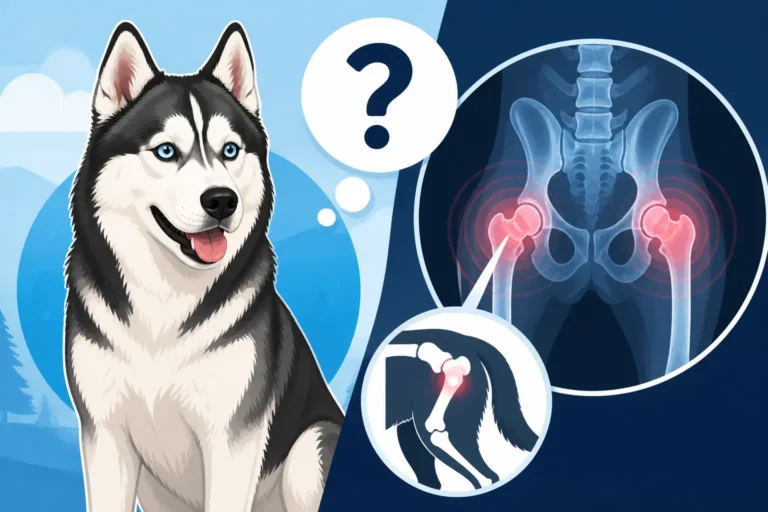
Hip X-rays for Siberian Huskies clarify diagnosis, breeding suitability, and general peace of mind when dysplasia concerns arise.
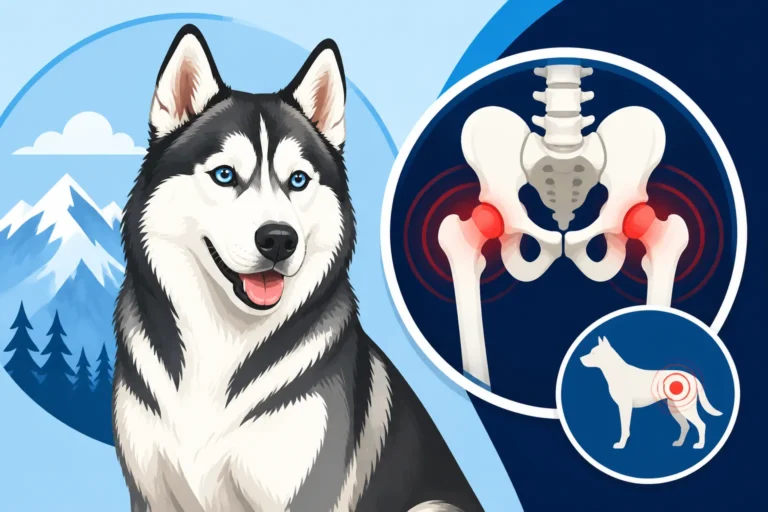
The Siberian Husky hip dysplasia rate explains why this breed defies expectations with surprisingly lower joint disease numbers.

Siberian Husky hip scores beat most large dog breeds due to natural selection, preventing the painful joint degeneration of hip dysplasia.
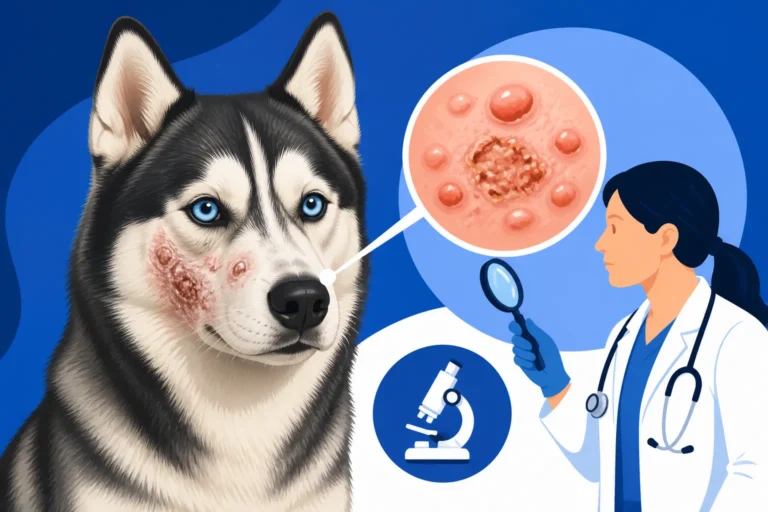
Diagnosing pemphigus in Siberian Huskies involves recognizing facial crusts, footpad changes, and understanding genetic predisposition.
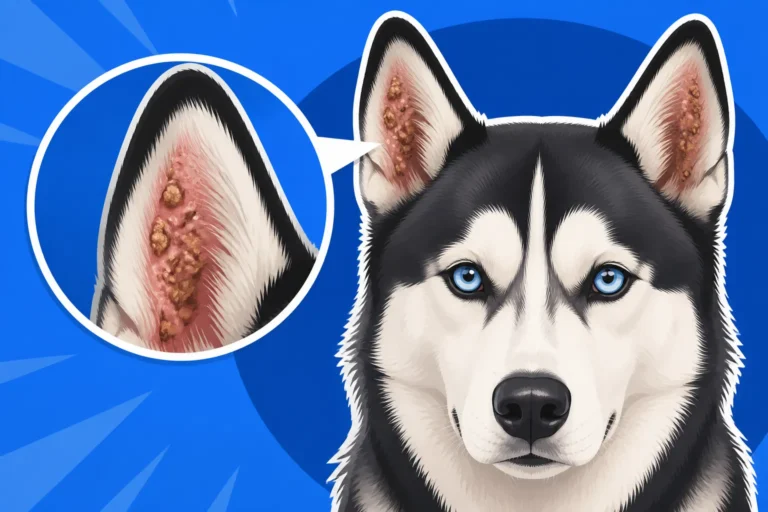
Crusting pustules on Siberian Husky ears can indicate Pemphigus Foliaceus, an autoimmune skin disease requiring veterinary diagnosis.
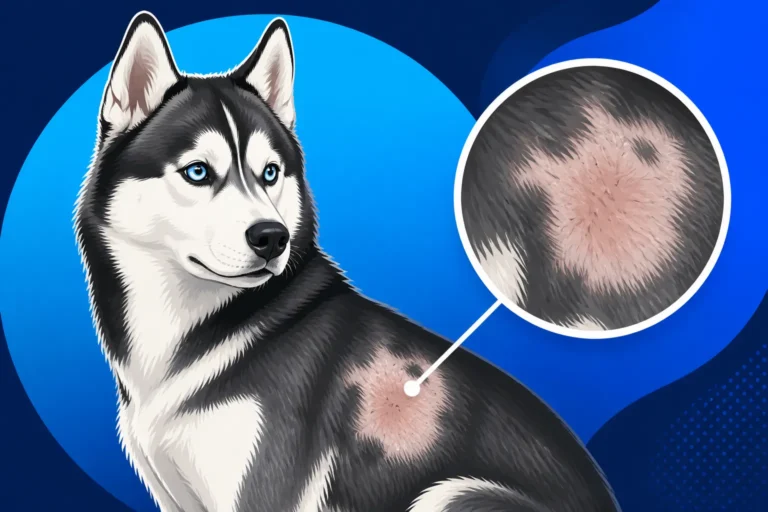
Symmetrical hair loss of unknown cause, also called Black Skin Disease, leaves follicles dormant, and the Husky usually is not itchy or bothered by it.

Siberian Husky follicular dysplasia causes permanent hair loss in young dogs, affecting the flanks, trunk, and tail with thinning coats.
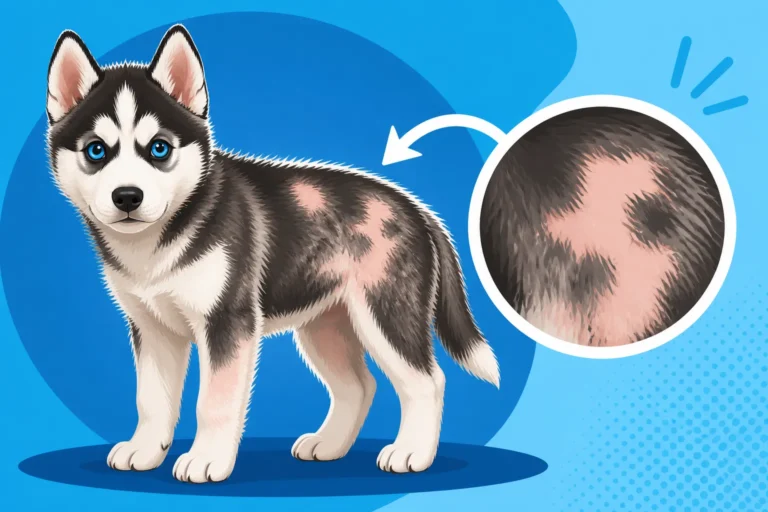
Siberian Husky puppy coat changes explain the difference between normal development and potential health issues at four months.
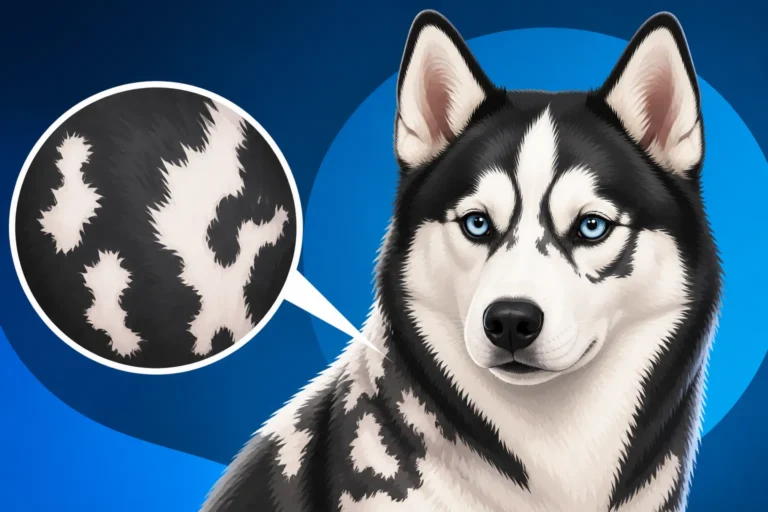
Vitiligo in Siberian Huskies causes painless white patches on the nose, lips, and eyelids due to an autoimmune response.
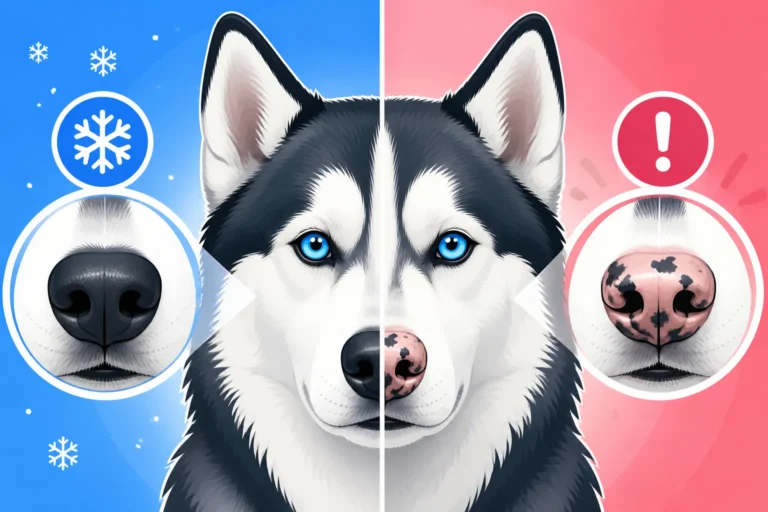
Siberian Husky snow nose is a harmless seasonal pigment loss caused by cold temperatures reducing melanin production in the nose.