Why a Siberian Husky Pulls Harder in a Harness
Siberian Husky pulling behavior stems from sledding instincts and shoulder physiology, activating primal work drives when wearing a harness.
Work with the temperament you have.
House-training and crate work, recall, leash manners, separation anxiety, and the behaviors this breed is wired for.
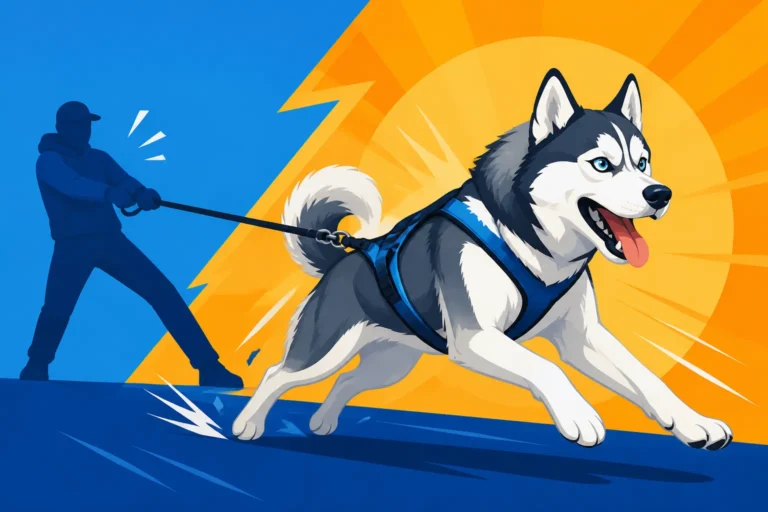
Siberian Husky pulling behavior stems from sledding instincts and shoulder physiology, activating primal work drives when wearing a harness.

Siberian Husky whining behavior stems from instinct and reinforcement, signaling unmet needs or demanding owner attention.
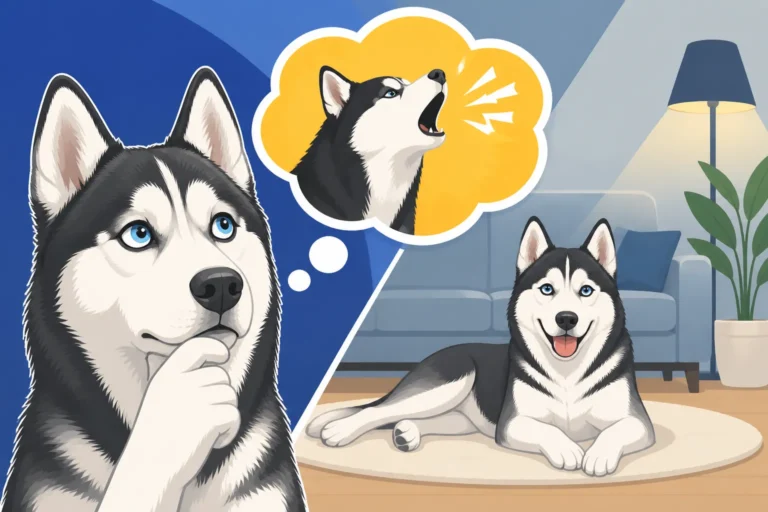
Siberian Husky indoor noise levels, including howls and grumbles, explain what owners can expect and how to manage their vocalizations.
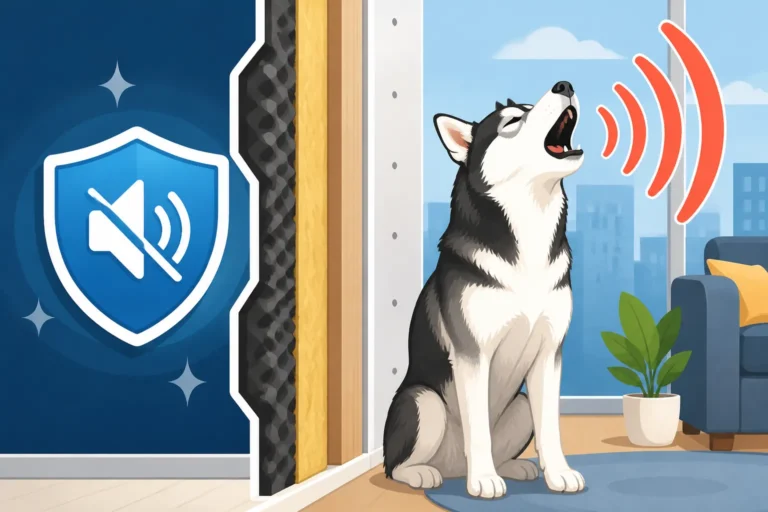
Siberian Husky vocalizations and apartment soundproofing strategies explain how to manage noise and reduce neighbor complaints.

Siberian Husky howling in multi-dog homes determines if adding a second dog increases noise levels or changes communication.
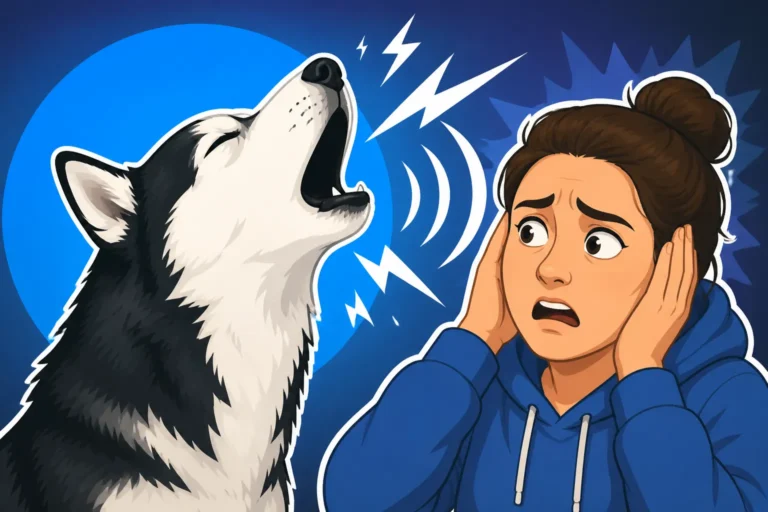
Siberian Husky vocalizations include howls, woo woo greetings, and sassy grumbles, explaining why these dogs talk and how to manage the noise.

Siberian Husky vocalizations during training reflect ancestral heritage, expressing frustration, excitement, or confusion through unique non-barking sounds.
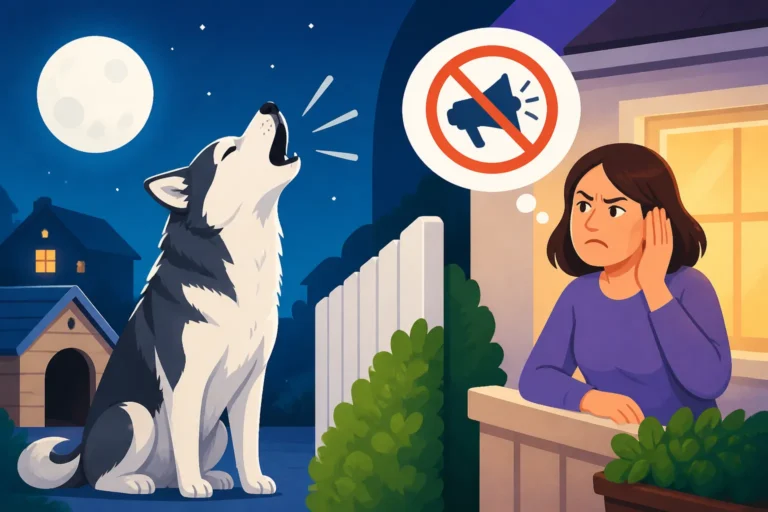
Neighbor complaints about Siberian Husky howling, local noise laws, and practical steps to reduce canine vocalization triggers.
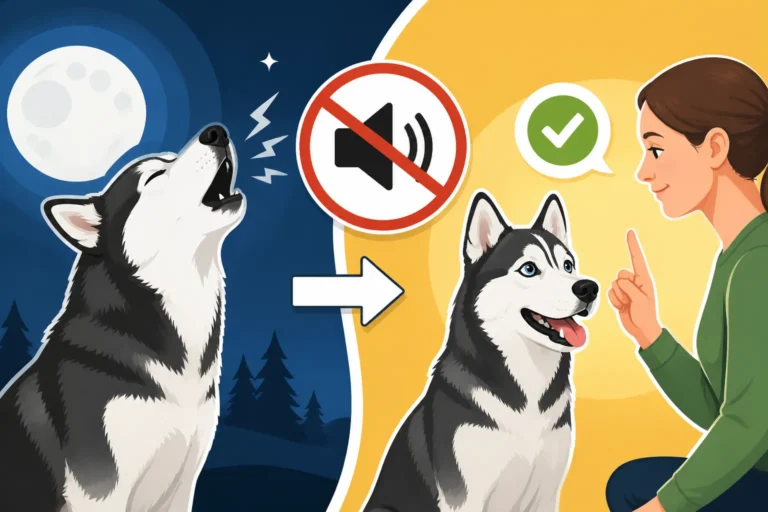
Siberian Husky howling and realistic strategies for managing excessive vocal communication help owners reduce unwanted noise.
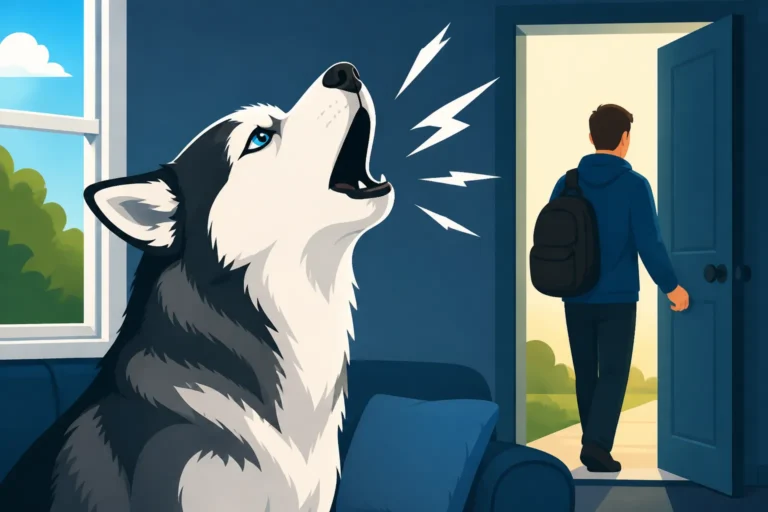
Siberian Husky howling when left alone stems from pack instinct and separation anxiety, causing neighborhood tension and panic responses.