Getting a Siberian Husky Puppy Out Before Sixteen Weeks
Bringing home a Siberian Husky puppy is a whirlwind of excitement, adorable fluff, and sometimes, a little bit of anxiety, especially when you start hearing about how crucial it is to get them out and socialized early. It’s a common worry for new puppy parents: how do you introduce your little floof to the big wide world when they haven't had all their shots yet? This guide will walk you through safe and effective strategies for socializing your Siberian Husky puppy before they hit that critical sixteen-week mark, ensuring they grow into a confident, well-adjusted adult without compromising their health.
The Critical Window: Why Early Socialization Matters So Much for Huskies
You’ve probably heard the term "socialization window" thrown around, and for good reason. For dogs, especially a breed as intelligent and sometimes wary as the Siberian Husky, this period is absolutely vital. It’s not just about meeting other dogs; it’s about exposing them to a vast array of sights, sounds, smells, people, and experiences in a positive, controlled way. Miss this window, and you might find yourself with a dog who is fearful, reactive, or even aggressive towards new things, which is certainly not what we want for our adventure-loving Huskies.
Understanding the Siberian Husky Temperament
Siberian Huskies are a unique breed. They're renowned for their friendly and outgoing nature with people, but they also possess an independent streak and can be quite discerning. They aren't typically known for being aggressive, but their natural caution, combined with a strong prey drive and a tendency to be vocal, means that early, positive exposure to various stimuli is non-negotiable. Without it, that natural caution can morph into fear-based reactions, making everything from vet visits to walks around the block a challenge. We want our Huskies to embrace the world with curiosity, not trepidation. For more on what makes them tick, you can read about Siberian Husky Temperament and What the Standard Says.
Their intelligence means they soak up information like sponges during these early weeks. Every interaction, every new sound, every gentle touch imprints on their developing brains. If those experiences are positive, they learn that the world is a safe and interesting place. If they're negative or nonexistent, they learn to be fearful or suspicious, which is much harder to undo later. Think of it as laying the foundational blocks for their entire personality and coping mechanisms.
The "Fear Period" and Its Impact
One of the most crucial aspects of the early socialization window is understanding the "fear period." While there can be several, the first critical one typically occurs between 8 and 11 weeks of age. During this time, puppies are highly susceptible to traumatic experiences. A single scary event—a loud noise, a rough interaction with another dog, a sudden fall—can leave a lasting negative impression that can be incredibly difficult to overcome. This doesn't mean you should keep your puppy in a bubble; quite the opposite. It means every exposure needs to be carefully managed and overwhelmingly positive.
For a Husky, who might already possess a degree of reserved independence, navigating this fear period successfully is paramount. If they develop anxieties during this time, it can manifest as shyness, fear of strangers, fear of other dogs, or even generalized anxiety that impacts their quality of life. The goal is to introduce new things gently, pair them with high-value treats and praise, and always allow the puppy to retreat if they feel overwhelmed. Never force an interaction during this sensitive stage; positive association is key.
Lifelong Benefits of a Well-Socialized Husky
A well-socialized Siberian Husky is a joy to live with. They're the dogs who take new situations in stride, greeting new people politely and navigating unfamiliar environments with curiosity rather than fear. They are more adaptable to changes in routine, less prone to stress-related behaviors, and generally happier, more confident companions. This early investment pays dividends for their entire Siberian Husky Lifespan and What Shortens It. From a practical standpoint, a socialized Husky is easier to manage in public, more relaxed at the vet, and generally a safer member of the community.
Imagine taking your Husky on a new hiking trail, introducing them to a friend's calm dog, or even just having repair people in your home. A well-socialized Husky will likely be curious, perhaps offer a sniff, and then settle, rather than barking frantically or trying to hide. These are the everyday scenarios where early positive experiences shine through. It fosters a deep trust between you and your dog, as they learn that you will always keep them safe and introduce them to good things.
Navigating Vaccinations and Health Concerns Before Sixteen Weeks
This is often the biggest point of contention and confusion for new puppy owners. You’re told to socialize your puppy, but also to protect them from diseases like canine parvovirus and distemper until they’ve completed their vaccination series. It feels like a catch-22, doesn't it? The key lies in understanding the risks and taking calculated, responsible steps.
The Puppy Vaccine Schedule: A General Overview
Puppy vaccinations typically begin around 6-8 weeks of age, with boosters administered every 3-4 weeks until the puppy is 16 weeks or older. The core vaccines usually include Distemper, Adenovirus (Hepatitis), Parvovirus, and Parainfluenza (often combined as DAPP or DHPP). Rabies is typically given as a single shot around 12-16 weeks. It's important to remember that puppies are not fully protected until about one to two weeks after their final vaccination in the series, typically at 16 weeks or sometimes even a bit older depending on the vet's protocol and the specific vaccine used. This means that before 16 weeks, your puppy's immune system is still developing, leaving them vulnerable to various pathogens. For a detailed guide, see Vaccinating a Siberian Husky Puppy on Schedule.
Your veterinarian will provide a specific schedule tailored to your puppy and your local area's disease prevalence. Adhering to this schedule is non-negotiable for their long-term health. Never skip a booster, even if your puppy seems perfectly healthy. Each shot builds upon the last, providing cumulative protection.
Balancing Risk: Exposure vs. Protection
So, how do you socialize a puppy without full immunity? It's about smart, controlled exposure. The biggest risks come from environments where unvaccinated or sick dogs congregate, such as dog parks, pet stores, or busy public walking trails. These places should be avoided like the plague until your Husky puppy has completed their full vaccine series and your vet gives the all-clear. However, this doesn't mean your puppy has to be a hermit.
The critical distinction is between high-risk and low-risk environments. Think about where your puppy is likely to encounter pathogens shed by sick dogs. Paved surfaces are generally safer than grassy areas where urine and feces might linger. Private homes of trusted friends with fully vaccinated, healthy adult dogs are infinitely safer than public dog parks. The goal is to maximize positive, low-risk interactions while minimizing exposure to potential disease vectors. It's a careful dance, but a necessary one to ensure both physical and mental health.
Consulting Your Veterinarian for Local Risk Assessment
This step cannot be stressed enough. Your veterinarian is your absolute best resource for navigating early puppy socialization safely. They know the prevalence of diseases in your specific area, understand your puppy's individual health status, and can offer personalized advice on what is safe and what isn't. Don't rely solely on generalized advice from the internet or well-meaning friends. Every region has its own unique disease patterns, and your vet's knowledge is invaluable. You'll have many Siberian Husky Vet Visits by Life Stage throughout your dog's life, and these early ones are perhaps the most important.
During your puppy's initial vet visits, discuss your socialization plans openly. Ask about the risks of parvo and distemper in your community. Inquire about local puppy classes that require proof of vaccination and offer indoor, sanitized facilities. Your vet might suggest specific places or types of interactions that are safer than others, such as visiting a friend's clean yard or even just supervised exposure to different sights and sounds from a car. They might also suggest Leptospirosis Risk for a Siberian Husky if it's prevalent in your region, which is another consideration.
Safe Socialization Strategies: Bringing the World to Your Puppy
Since you can't hit the dog park, you have to get creative! Socialization isn't just about playing with other puppies; it's about building resilience and positive associations with all sorts of things they'll encounter in life. This means carefully controlled, positive experiences are your best friend.
Controlled Home Environments and Visitors
Your home is your puppy's first classroom. Invite a variety of people over – men, women, children of different ages (who are supervised and know how to interact gently with puppies), people wearing hats, glasses, or carrying umbrellas. The more diverse the positive human interactions your Husky puppy has, the better. Pair these introductions with treats and gentle praise. Always ensure the experience is positive and never overwhelming. A quick, happy interaction is better than a long, scary one.
Consider the sounds too. Play different types of music, vacuum the house, run the dishwasher, or gently tap pots and pans. You can find "desensitization sound CDs" or playlists on streaming services specifically designed for puppies. Start with low volume and gradually increase it, always watching your puppy's body language to ensure they remain calm and curious, not fearful. Offer a chew toy or a delicious treat like a Kong filled with peanut butter (check out options on Amazon) while these sounds are playing to create positive associations.
Exposing Your Husky to Sights, Sounds, and Textures
Think beyond just people and other dogs. Your Husky puppy needs to experience a wide array of sensory input.
- Sights: Take them on short car rides to see different scenery, from urban areas (from a distance) to quiet parks (again, from inside the car or carried). Let them watch people walk by, cars drive past, bikes, strollers, and even larger animals from a safe distance.
- Sounds: Introduce them to doorbells, sirens (from afar), children playing, construction noises, and different types of human voices. Use positive reinforcement to make these experiences pleasant.
- Textures: Let them walk on carpet, tile, wood, grass, concrete, gravel, and even soft blankets. Get them used to being handled all over their body – ears, paws, tail – which will make grooming and vet visits much easier later on. You can even create a little sensory path in your home or yard with different safe materials.
The key is variety and positive association. Every new experience should be paired with treats and praise, keeping it short, sweet, and fun. You're building a mental library of "safe and good" experiences.
Puppy Classes and Curated Interactions
Many reputable puppy classes are specifically designed for young puppies who haven't completed their full vaccination series. These classes typically require proof of initial vaccinations, are held in sanitized indoor environments, and ensure all participating puppies are within a similar age range and vaccination status. This is one of the best ways to get your Siberian Husky puppy socialized with other puppies and people in a controlled, safe manner. The instructors are also invaluable resources for addressing common puppy behaviors and providing guidance.
Beyond formal classes, seek out opportunities for controlled, one-on-one playdates with adult dogs that you know are fully vaccinated, healthy, and have a calm, tolerant temperament. These dogs should be socialized themselves and have good manners with puppies. Supervise all interactions closely, ensuring the adult dog isn't overwhelming the puppy. These interactions teach crucial canine communication skills. Online training programs, like those offered by BAXTER & Bella, can also provide structured guidance and exercises you can do at home, which is especially helpful if in-person classes aren't readily available or if you want to supplement their learning.
Introducing Your Husky to Other Dogs and Animals
This is where things get particularly sensitive, as direct interaction with other animals carries the highest potential risk for disease transmission and for negative behavioral imprints if not handled correctly.
Choosing Safe Canine Playmates
Before your Husky puppy has completed their vaccination series, direct interaction with unknown dogs, or dogs whose vaccination status you can't confirm, is simply not worth the risk. Instead, focus on introducing them to a select few, carefully chosen canine companions. These should be dogs belonging to trusted friends or family members who you know are:
- Fully vaccinated: They should be up-to-date on all their shots.
- Healthy: No signs of illness, recent exposure to sick dogs, or visits to high-risk environments.
- Temperamentally sound: Calm, gentle, and experienced with puppies. An overly boisterous or aggressive dog could easily traumatize a young Husky.
Always ensure play sessions are supervised, short, and positive. The goal is gentle exposure, not rough-and-tumble play at this delicate age. A good guideline is "quality over quantity" when it comes to early dog interactions. For more on how they interact with their own kind, check out Siberian Huskies With Other Dogs.
Supervised Introductions with Known, Healthy Dogs
When you do introduce your Husky puppy to a safe, adult dog, choose a neutral, quiet environment – ideally a clean, private yard. Keep initial greetings brief and on-leash, allowing for sniffing and a calm exchange. Watch both dogs' body language carefully. If either seems stressed, separate them. Once they seem comfortable, you can allow for a short period of off-leash play, but keep a long line on your puppy for easy, gentle intervention if needed. Remember, the older dog should act as a mentor, teaching appropriate play without being too rough.
It's helpful if the older dog is accustomed to puppies and has good bite inhibition. This means they won't accidentally hurt your puppy, even during play. Keep plenty of high-value treats on hand to reward calm interactions from both dogs. The best adult dogs will ignore a puppy's annoying behaviors rather than correcting them harshly. If you notice signs of stress in your puppy – tail tucked, ears back, excessive licking, trying to hide – end the session immediately.
Early Exposure to Other Species (Safely!)
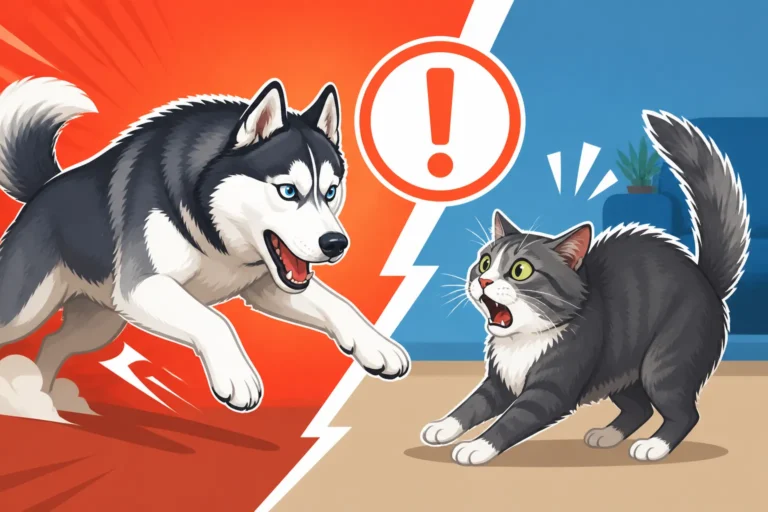
Siberian Huskies have a notoriously strong Siberian Husky Prey Drive Around Small Animals. This instinct is hardwired, but early, positive exposure can help manage it, though rarely eliminate it entirely. If you have a cat, rabbit, or other small pet, introductions must be done with extreme caution, and never unsupervised, especially when the Husky is still a puppy. The goal is to teach the puppy to tolerate and ignore other species, not necessarily to be friends.
Start with your Husky puppy on a leash, in a carrier, or behind a baby gate, allowing them to observe the other pet from a safe distance. Reward calm behavior (e.g., lying down, watching without intense focus) with high-value treats. Never allow chasing or rough play. It’s about building a positive association with the presence of the other animal, not interaction. A professional trainer experienced with Huskies can be incredibly helpful in guiding these sensitive introductions, especially with cats.
Managing Outings and Public Spaces Wisely
While dog parks are out, and even some walking trails might be too risky, there are still plenty of ways to safely expose your Husky puppy to the world outside your home. It’s all about choosing the right environment and managing the experience.
Low-Risk Public Environments
Think about places where other dogs are unlikely to frequent or where the surfaces are easy to sanitize. Carrying your puppy in a backpack or sling through a quiet outdoor shopping center (avoiding pet stores, which are often high-traffic for dogs), sitting on a bench in a low-traffic park, or even just driving them to a friend's house in a different neighborhood can provide valuable exposure. The idea is to let them see and hear the world from a safe vantage point without touching the ground or interacting directly with unknown animals.
- Paved parking lots (empty ones!): You can carry your puppy or even let them walk for a few steps on clean pavement to experience the texture, then pick them up.
- Friends' homes/yards: As mentioned, if your friends have a clean, fenced yard and no unvaccinated or sick dogs, this can be a safe place for brief excursions.
- Car rides: Even just driving around town allows your puppy to experience different sights, sounds, and movements without direct contact risk. Make car rides positive with treats!
The table below offers a quick comparison of safe vs. risky environments for a young, unvaccinated Siberian Husky puppy.
| Environment Type | Safety Level | Rationale |
|---|---|---|
| Home with visitors | Very High | Controlled, known people, can sanitize, no unknown dog exposure. |
| Sanitized Puppy Class | High | Strict vaccination requirements, disinfected facilities, supervised interactions. |
| Friends' clean yard | High | Private, known healthy dogs (if any), owner control over environment. |
| Quiet public park (carried) | Medium | Exposure to sights/sounds/smells without ground contact, avoid dog-frequented grass. |
| Empty parking lot (brief, on-leash) | Medium | Hard surface, less pathogen risk, easy to observe for hazards, avoid high-traffic times. |
| Busy pet store (on ground) | Very Low | High volume of unknown dogs (many potentially unvaccinated or ill), high pathogen risk on floors. |
| Dog park | Very Low | Unknown vaccination status of dogs, high pathogen load, potential for negative interactions. |
| Communal grassy areas | Very Low | High risk of pathogen exposure from urine/feces of unknown dogs. |
The Importance of Observation and Calm Experiences
When you do venture out with your puppy, even in low-risk scenarios, your primary job is to observe them and ensure they are having a positive experience. Look for signs of stress: yawning, lip-licking, turning away, cowering, tail tucked, trying to hide. If you see these, it’s time to remove them from the situation or reduce the intensity. Push them past their comfort zone too quickly, and you risk creating a negative association with that type of environment or stimulus.
The goal is gentle exposure, not overwhelming immersion. A few minutes of calmly observing the world from your arms or a carrier, paired with praise and delicious treats, is far more beneficial than a longer session where they are visibly stressed. Think of it as "deposits" into their confidence bank. Each positive, calm experience is a deposit; a negative or stressful one is a withdrawal. We want to build a hefty balance!
Avoiding Overwhelm and Negative Associations
It's easy to get excited and want to show your new Siberian Husky puppy everything, but remember their little brains are still developing. Too much, too fast, can be detrimental. Imagine being a tiny creature suddenly plunged into a world of giant, loud, fast-moving things. It's overwhelming! Always aim for short, positive sessions. End on a good note, before your puppy gets tired, scared, or overstimulated.
This also means being protective. Don't allow strangers to rush up and grab your puppy without asking. Advocate for your puppy if someone is being too rough or if another dog is being too boisterous. You are their advocate and protector. A negative interaction during this critical period can have long-lasting effects, such as fear of strangers or fear of other dogs. Remember that Siberian Huskies With Strangers and Children can be friendly, but those interactions need to be managed carefully from puppyhood.
Practical Tools and Resources for Early Puppy Training
Beyond direct exposure, there are many tools and resources that can help you ensure your Siberian Husky puppy is well-adjusted and ready for the world. Think of it as a comprehensive approach to their development.
Essential Gear for Safe Outings
Having the right gear makes a huge difference in managing and enjoying your early puppy adventures.
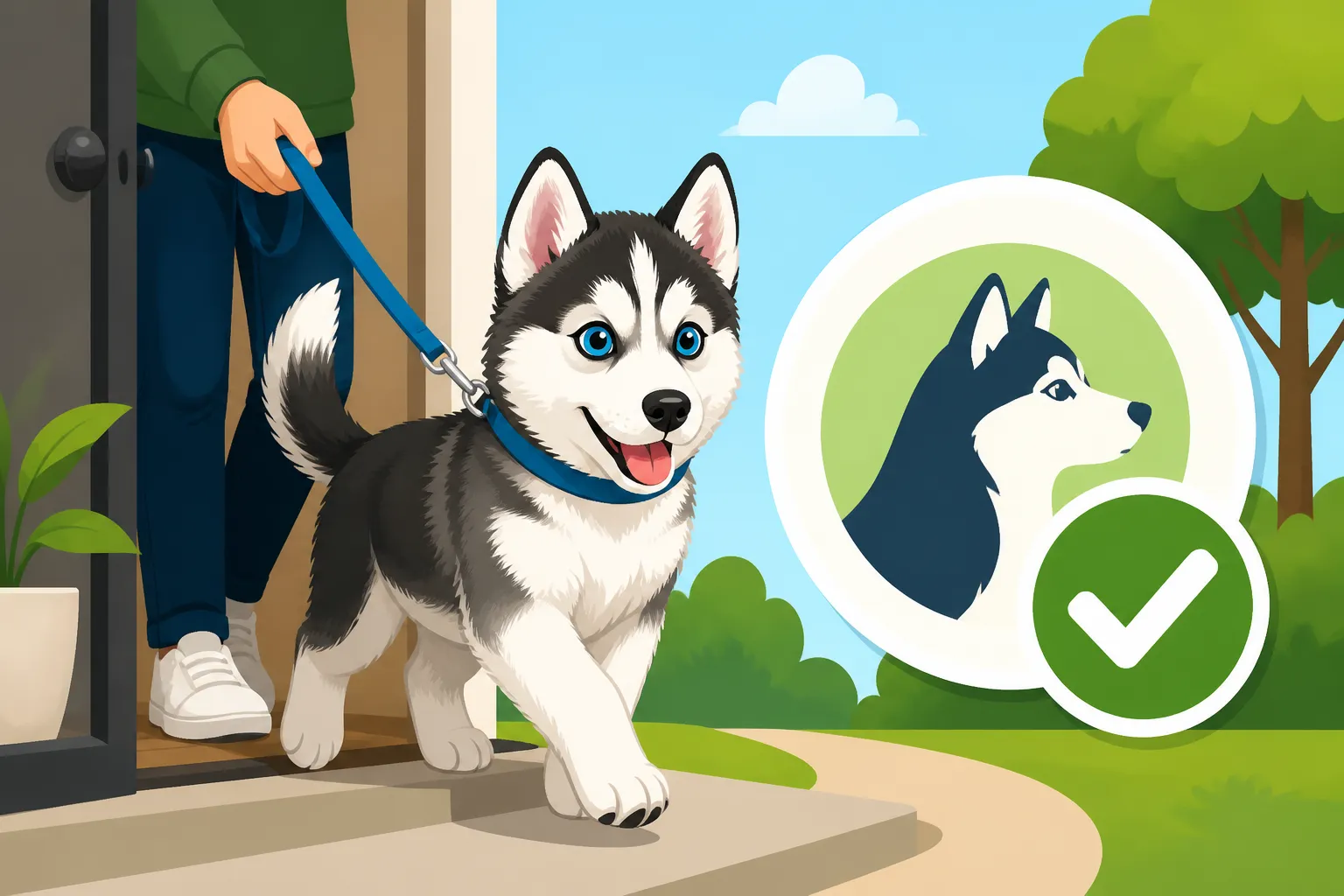
- Secure Leash and Collar/Harness: A comfortable, well-fitting harness (avoiding pressure on their delicate neck) and a sturdy leash are essential, even if you’re just carrying them. A martingale collar can be useful for their slender necks once they're a bit older, to prevent slipping, but for a tiny puppy, a gentle harness is often best. You can find many suitable options on Amazon.
- Puppy Carrier or Backpack: This is indispensable for taking your unvaccinated puppy to public places where they can observe the world safely from above, without touching potentially contaminated ground.
- High-Value Treats: Keep a stash of small, soft, incredibly delicious treats on hand at all times. These are your secret weapon for creating positive associations with new sights, sounds, and experiences. Think tiny pieces of cooked chicken, cheese, or specialized training treats. Discover Food Rewards a Siberian Husky Will Work For.
- Chew Toys/Puzzle Feeders: These can be great distractions during potentially overwhelming moments, or just for mental enrichment at home. A frozen Kong can keep a puppy happily occupied while you expose them to new sounds.
Having these tools ready means you can seize socialization opportunities safely and effectively.
Online Resources and Training Programs
In today's digital age, you don't have to go it alone. Many online resources and structured programs offer fantastic guidance for puppy owners. Online puppy classes, like those offered by BAXTER & Bella, provide step-by-step instructions for everything from basic obedience to advanced socialization exercises you can do at home. These are particularly valuable for situations where in-person classes are limited, or if your puppy is too young to attend. They can help you understand Raising a Siberian Husky Puppy Through the First Year from the comfort of your home.
These platforms often include video tutorials, written guides, and sometimes even access to trainers who can answer specific questions. They can help you create a structured socialization plan, ensuring you're covering all the bases – people, places, sounds, objects, and other animals – in a safe and positive way. You can also find countless reputable dog training YouTube channels and websites that offer free advice, though always cross-reference information with your vet and local trainers.
Continuous Learning for Both You and Your Husky
Socialization isn't a one-and-done process that ends at 16 weeks. It's a lifelong commitment. The early period lays the groundwork, but you'll need to continue exposing your Siberian Husky to new (safe) experiences throughout their life to maintain their confidence and adaptability. Dogs, like people, can become less comfortable with novelty if they don't regularly encounter it.
Stay curious about dog behavior and training techniques. Attend advanced obedience classes, try out new dog sports, or simply explore new hiking trails as your Husky grows. A well-adjusted, confident Husky is a testament to consistent effort and positive reinforcement. Remember to always make learning fun, and your Husky will be a happy, engaged companion for years to come. Even basic commands like House Training a Siberian Husky Puppy or learning to relax in a safe space like their Crates a Siberian Husky Cannot Break Out Of contribute to their overall well-being and confidence. Don't forget to keep track of The Health Milestones of a Siberian Husky Year by Year to ensure they're always thriving.
Disclaimer
This article is for general informational purposes only and does not constitute professional advice. Laws, prices and regulations vary by location and change over time. Consult a qualified professional for guidance on your specific situation.