Siberian Huskies With Other Dogs
It's a common dream to imagine your Siberian Husky romping happily with other canine companions, a picture of perfect harmony. But the reality can be far more complex, leaving many owners feeling bewildered and even frustrated by their Husky's unique approach to dog-on-dog relationships. If you're struggling to understand why your Siberian Husky interacts the way it does with other dogs, or how to best manage those interactions, this comprehensive guide is here to help you navigate the beautiful, sometimes chaotic, world of multi-dog households and public encounters with your independent, spirited Husky.
Understanding the Siberian Husky's Unique Social Fabric
Siberian Huskies are a fascinating breed, and their social dynamics with other dogs are often misunderstood. They aren't always your typical "everyone's best friend" type, nor are they necessarily aggressive. Instead, they operate on a very distinct social wavelength, one that's deeply rooted in their historical purpose and genetic makeup.
The Pack Mentality of Huskies
While many breeds are described as having a "pack mentality," for Siberian Huskies, it's a bit different. They were bred to work in large teams, often alongside many other Huskies, covering vast distances in harsh conditions. This meant they needed to be cooperative and efficient with their fellow sled dogs, but not necessarily subservient or constantly seeking approval from a single alpha. Their pack was a working unit, not always a deeply bonded family in the human sense. They understand hierarchy, but they also possess a strong sense of self-preservation and an independent streak. This can sometimes lead to what looks like "rudeness" or "aloofness" to other dogs, especially those from breeds that prefer constant social engagement or clear dominance signals.
They're not usually looking for a fight, but they're certainly not backing down from a challenge either, especially if another dog is overly pushy or disrespectful of their personal space. You'll often see them engage in play that can look quite rough and tumble, but it's typically within the bounds of what they consider acceptable, which might be a bit much for a Golden Retriever or a Cavalier King Charles Spaniel. This self-assured, sometimes indifferent, demeanor is a core part of their breed.
Siberian Husky Play Style
Oh, the Husky play style! If you've ever watched two Huskies play, you know it's a sight to behold. It's often characterized by wrestling, body slamming, open-mouthed biting (without true pressure), chasing, and a good deal of vocalization – the infamous "Husky talk" that sounds like a cross between a howl and an argument. They use their mouths a lot in play, which can be alarming to owners of other breeds or to the owners of the dogs they're playing with. It's not usually aggressive, but it's very physical.
For many other breeds, this kind of play can be overwhelming, even frightening. A Husky might inadvertently bowl over a smaller dog or nip too hard for another dog's comfort, not out of malice, but because that's just how they communicate and have fun. They often prefer to play with other large, robust dogs who can match their intensity and understand their cues. If your Husky tries to engage a less physical dog, you might see the other dog cower, snap defensively, or simply try to disengage. It's crucial for owners to understand this difference and manage interactions accordingly, always prioritizing the safety and comfort of all dogs involved. We talk a lot about How Much Exercise a Siberian Husky Really Needs, and channeled play is a big part of that.
Prey Drive and Its Impact on Interactions
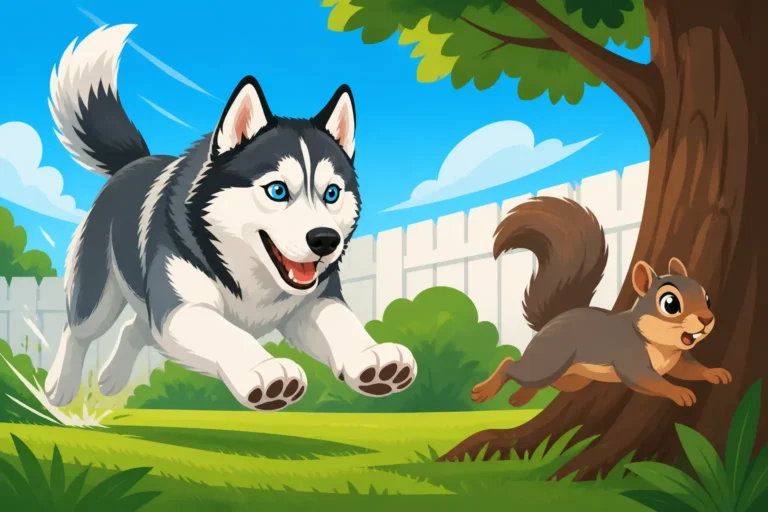
This is a critical factor when discussing Siberian Huskies with other dogs, especially smaller ones or other species. Huskies were bred to hunt and to thrive in conditions where they had to supplement their diet. This deep-seated prey drive is still very much alive in the breed today. While a Husky might be perfectly friendly with a Labrador, a tiny Chihuahua could easily trigger their prey instinct, not necessarily as a malicious act, but as an uncontrollable, instinctual response. This is why many Husky owners are warned that Why a Siberian Husky Cannot Be Trusted Off Leash is not just about them running away, but about potential interactions with small animals or even children moving quickly.
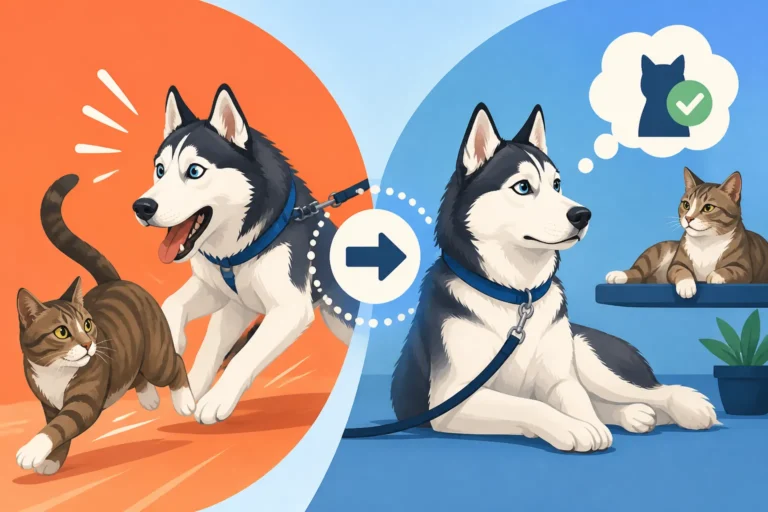
This prey drive extends beyond just small wild animals; it can encompass small dogs, cats, chickens, and even livestock. If you have other small pets, introducing a Siberian Husky requires extreme caution, often with strict management protocols for their entire lives. It's a fundamental part of who they are, and while it can be managed with careful training and supervision, it's rarely something that can be "trained out" entirely. Understanding this instinct is vital for preventing tragic incidents and ensuring the safety of all animals in your home and community. This is why discussions around Siberian Huskies and Cats Under One Roof are so vital.
Thoughtful Introductions: Setting Up for Success
Bringing a new dog into a home with a Siberian Husky, or even just introducing your Husky to a new canine friend, requires a strategic and calm approach. Rushing introductions can create stress, fear, or even aggression, making future interactions difficult.
The Importance of Neutral Territory
When introducing dogs, especially a new dog to your home or your Husky to a new dog, neutral territory is key. This means an area where neither dog feels ownership or territoriality. A local park, a quiet field, or a friend's fenced yard (if it's not strongly associated with either dog) can work well. The idea is to remove any potential for resource guarding or territorial disputes right from the start.
Start with parallel walks on leash, maintaining a comfortable distance where both dogs are aware of each other but not stressed. This allows them to get used to each other's presence, scent, and body language without the pressure of a direct interaction. Keep the leashes loose, allowing for natural movement, and avoid any tension that could translate down the leash to your dog. Slowly, over a period of minutes or even a few sessions, you can gradually decrease the distance as long as both dogs remain calm and show positive, relaxed body language. The goal is positive association, not forced interaction.
Supervised Meetings and Body Language
Once both dogs seem comfortable with parallel walks, you can move to a controlled, on-leash sniff-and-greet. Keep these initial nose-to-tail interactions brief and positive. Look for relaxed body language: loose wagging tails (not stiff), soft eyes, relaxed mouths, and a willingness to disengage and re-engage. Avoid signs of stress like stiff body posture, averted eyes, lip licking, excessive yawning, growling, or snapping. If you see these, gently increase the distance again.
Always have two handlers, one for each dog, to ensure control and safety. If you decide to let them off leash (only in a secure, enclosed neutral area after several positive on-leash interactions), continue to supervise closely. Many trainers recommend keeping a drag line on both dogs initially, so you can easily and safely intervene if necessary without reaching into a potential spat. Remember, Huskies play rough, so differentiating between typical Husky play and actual aggression is vital. A good resource for understanding canine body language is invaluable here.
Gradual Integration and Separate Spaces
Once initial introductions go well, the process of integration at home should still be gradual. Don't throw them into the deep end right away. Provide separate spaces for each dog, especially for sleeping, eating, and when you can't actively supervise. Crate training can be incredibly beneficial here, offering each dog a safe, personal retreat. Baby gates can also be your best friend, allowing dogs to see and smell each other without direct contact, fostering a sense of calm coexistence. You can find excellent, sturdy gates on platforms like Amazon that can handle a determined Husky.
For puppies, this gradual approach is even more crucial. Early, positive socialization experiences are paramount. Getting a Siberian Husky Puppy Out Before Sixteen Weeks to meet a variety of calm, well-behaved adult dogs can help them learn appropriate canine social skills, which is a lifelong benefit when living with other dogs. Never leave newly introduced dogs unsupervised until you are absolutely certain they are comfortable and safe together. Even then, err on the side of caution.
Living in a Multi-Dog Household with a Husky
Once your Siberian Husky has been successfully introduced to other dogs and you're all living under one roof, the next step is managing daily life to ensure continued harmony. This isn't just about preventing fights; it's about fostering a happy, balanced environment for everyone.
Resource Guarding Prevention
Resource guarding is a very natural canine behavior, but it can escalate quickly and lead to serious conflict in a multi-dog household. Huskies, with their history of self-preservation, can sometimes be prone to guarding high-value items like food, chews, toys, or even favorite sleeping spots. Preventing it is far easier than treating it.
Always feed dogs separately, preferably in their crates or in different rooms. This eliminates competition at meal times. Pick up all toys and chews when you can't supervise. If one dog is enjoying a chew, ensure the other dog has an equally (or more!) appealing chew in their own separate space. When giving treats, give them simultaneously to avoid a dash for the first offering. You can also work on "trade" exercises with your Husky, teaching them that giving up a valued item results in an even better reward. This builds positive associations around relinquishing resources. A trainer from a program like BAXTER & Bella can guide you through these preventive measures effectively. Remember, what one dog considers a resource, another might not, so pay attention to potential flashpoints. A Siberian Husky That Guards Food From Another Dog is a real problem that needs proactive management.
Managing Energy Levels and Exercise Needs
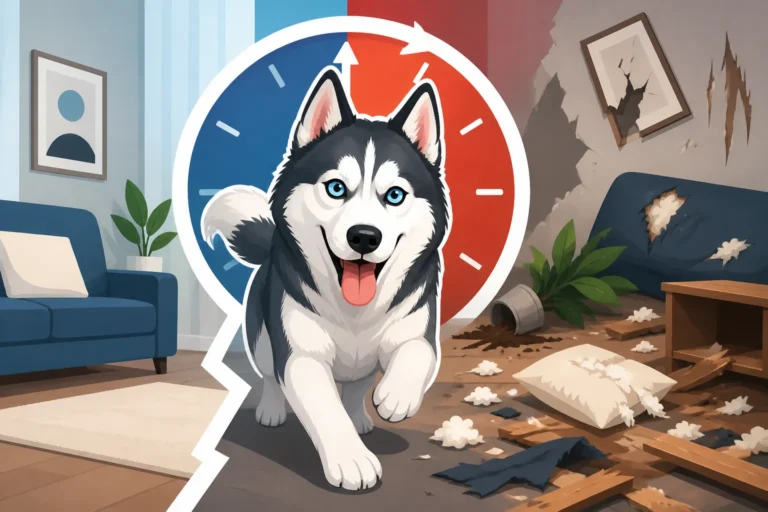
A tired Husky is a good Husky, and a well-exercised Husky is a much more tolerant and balanced housemate. Siberian Huskies have incredibly high energy levels and a need for mental and physical stimulation. If these needs aren't met, they can become restless, destructive, and even irritable with other dogs. This often manifests as incessant pestering, rough play that crosses the line, or general over-arousal that stresses out the other dogs.
Ensure your Husky gets at least two good, vigorous exercise sessions a day. This could be long walks, runs (if appropriate for their age and health), or structured play in a secure yard. Engaging in activities like canicross, bikejoring, or even long-line work in a safe field can burn off a tremendous amount of energy. Read up on How Much Exercise a Siberian Husky Really Needs to tailor your routine. If your other dogs aren't as active, you might need to exercise your Husky separately to ensure their needs are met without over-tiring or annoying their housemates. Mental exercise, like puzzle feeders, can also help. Just ensure only one dog uses a puzzle feeder at a time to avoid guarding issues.
Ensuring Fair Attention and Boundaries
In a multi-dog household, it's easy for one dog to become a "favorite" or for another to get less attention. This can breed resentment and competition. It's important to provide individual quality time for each dog, even if it's just a few minutes of one-on-one petting, training, or a short walk. This reinforces your bond with each dog and reduces the need for them to compete for your affection.
Establish clear rules and boundaries for all dogs consistently. For example, if one dog isn't allowed on the couch, neither should the Husky. This consistency helps dogs understand their place in the household structure and reduces ambiguity that can lead to squabbles. If one dog is constantly pestering another, it's your job to intervene calmly and redirect the pestering dog. It's not about being "alpha," but about being a fair and consistent leader who ensures peace and quiet in the home.
Addressing Common Challenges in Multi-Dog Husky Homes
Even with the best intentions and careful management, challenges can arise. Understanding how to identify and address them effectively is key to maintaining a harmonious multi-dog household with your Siberian Husky.
Managing Over-Arousal or Rough Play
Siberian Huskies are known for their high-energy, boisterous play style. While this is normal for them, it can quickly escalate to over-arousal, especially if their playmate isn't matched in energy or size. Signs of over-arousal include incessant barking or growling during play, ignoring the other dog's "stop" signals (like turning away, yelping, or pinning), or a general franticness that doesn't resolve itself.
Intervention is crucial here. If play gets too intense, separate the dogs with a calm "break" command. You can use a verbal cue, or simply physically separate them (without escalating tension) into different rooms or crates for a few minutes to de-escalate. Once they've calmed down, you can allow them to re-engage, but be ready to intervene again. Teaching your Husky a "settle" or "place" command can be incredibly useful to bring their energy down. Providing plenty of appropriate outlets for their energy, as discussed earlier, will also reduce the likelihood of over-the-top play. Sometimes, the issue isn't even about fighting, but about one dog constantly pushing the other's boundaries, which can wear down the other dog's patience.
Dealing with Fear or Shyness in Other Dogs
If your Husky's play style or general demeanor is too much for a more sensitive or shy dog, you need to manage the interactions carefully to protect the fearful dog. Forcing a shy dog to "get over it" or repeatedly exposing them to an overwhelming Husky will only exacerbate their fear and could lead to defensive aggression.
Create clear boundaries with baby gates or crates, allowing the shy dog to retreat and feel safe. Ensure they have high places or hidden spots where they can observe the Husky without feeling threatened. Reward the shy dog for calm behavior in the Husky's presence, even if it's just looking at the Husky without reacting. Avoid direct, high-pressure greetings. Instead, focus on parallel activities where both dogs can be in the same space but engaged in their own quiet activities. Over time, positive, low-key exposure can help the shy dog build confidence. If your Husky is overly persistent, you'll need to actively redirect their attention away from the shy dog with toys, training, or exercise.
| Play Style Trait | Siberian Husky Play | Common "Typical" Dog Play |
|---|---|---|
| Physicality | High: body slams, wrestling, pinning, mouth wrestling | Moderate to high: chasing, wrestling, some mouthing |
| Vocalization | High: "talk-howls," growls, grumbles, screams (in excitement) | Moderate: barks, growls, yips, whines |
| Mouth Use | Frequent and open-mouthed, often includes neck/face "bites" | Varies by breed; usually softer mouthing, less frequent face grabs |
| Energy Level | Very High: long bursts of intense activity | Moderate to High: periods of intense play interspersed with breaks |
| Social Signals | Can be subtle or intense; often ignores appeasement signals | Clear appeasement signals, play bows, self-handicapping |
| Disengagement | May be slow to disengage, can be persistent | More readily disengages, responds to "no thank you" signals |
Preventing Fights and De-escalation
Recognizing the subtle signs of escalating tension is paramount to preventing full-blown fights. These can include stiff body language, direct stares, raised hackles, growling, snarling, air snaps, or an intense silence. At the first sign of tension, intervene immediately and calmly. Avoid shouting, which can escalate the situation.
If a fight does occur, your primary goal is to separate the dogs safely. Never reach your hands into a dog fight, as you risk serious injury. Instead, try to create a loud noise (like clapping loudly or using an air horn), throw a blanket over them, or use a barrier (like a piece of plywood or a chair) to separate them. If you have two people, each can grab a dog by the back legs and pull them away like a wheelbarrow. Once separated, keep them apart until everyone has completely calmed down. Afterward, reassess what triggered the fight and re-evaluate your management plan. This is often where professional help becomes indispensable.
When to Seek Professional Guidance
Sometimes, despite your best efforts, the challenges of a multi-dog Husky household can feel overwhelming. Knowing when to call in the experts can make all the difference, not just for your sanity, but for the safety and well-being of all your dogs.
Recognizing Red Flags
There are definite red flags that indicate you need professional help right away. These include:
- Frequent or escalating fights: If your dogs are fighting regularly, especially if the intensity of the fights is increasing or drawing blood, it's a serious problem.
- Injury to a dog or person: Any incident resulting in injury is a clear sign that the situation is beyond typical management.
- Constant stress or anxiety: If one or more dogs are consistently stressed, fearful, or anxious in the presence of the other, their quality of life is suffering.
- Resource guarding with aggression: If a dog is guarding resources with aggressive displays (growling, snapping, biting) towards another dog or even you.
- Unprovoked aggression: If your Husky is initiating aggression without any clear trigger or warning signals.
- Significant changes in behavior: Any sudden, unexplained change in your Husky's interactions with other dogs warrants professional investigation.
- Same-sex aggression, particularly with females: While not universal, some Siberian Huskies, especially same-sex females, can struggle with living together in harmony. This is a common pattern in many breeds, and Same-Sex Siberian Husky Pairs might require extra careful management or even separate homes. Likewise, if you're wondering Whether a Second Husky Settles the First One, a professional can help you assess if it's the right move for your particular dogs.
Finding a Qualified Trainer or Behaviorist
Not all dog trainers are created equal, especially when dealing with multi-dog household dynamics and a breed as unique as the Siberian Husky. Look for a certified professional dog trainer (CPDT-KA) or, even better, a certified professional canine behaviorist (CDBC) or a veterinary behaviorist (DACVB). These professionals have extensive education and experience in understanding complex canine behavior.
When interviewing potential trainers, ask specifically about their experience with northern breeds like Huskies and their approach to multi-dog aggression or dynamics. They should prioritize positive reinforcement methods and humane training techniques. Avoid anyone who suggests using harsh punishment, "alpha" rolling, or other outdated dominance-based methods, as these can severely damage your dogs' trust and escalate aggression. A good trainer will observe your dogs in their home environment, ask detailed questions about their history, and work with you to create a personalized plan. Many online platforms like BAXTER & Bella also offer virtual consultations that can be a great starting point, though in-person visits are often best for complex multi-dog issues.
Long-Term Management Strategies
Working with a professional isn't usually a quick fix; it's about developing long-term management strategies and training plans that you can implement consistently. This might include:
- Structured routines: Predictable routines for feeding, exercise, and play can reduce anxiety and competition.
- Ongoing training: Continuously reinforcing obedience cues, especially impulse control (like "leave it" and "stay"), is crucial. You might find resources on Motivating a Siberian Husky That Ignores You helpful here.
- Environmental enrichment: Providing plenty of appropriate toys, chews, and mental puzzles can reduce boredom and redirect unwanted behaviors.
- Continued separation: In some cases, managing dogs in separate living areas, either full-time or at certain times of day, might be the safest and most humane solution. This isn't a failure; it's prioritizing the well-being of all animals.
- Medication: For severe anxiety or aggression, a veterinary behaviorist might recommend medication in conjunction with behavior modification.
Living with a Siberian Husky and other dogs can be incredibly rewarding, but it requires patience, understanding, and consistent effort. By respecting their unique nature, providing clear guidance, and seeking help when needed, you can create a happy, peaceful pack for everyone.
Disclaimer
This article is for general informational purposes only and does not constitute professional advice. Laws, prices and regulations vary by location and change over time. Consult a qualified professional for guidance on your specific situation.