Whether Any Siberian Husky Is Reliable Off Leash
It’s a dream many Siberian Husky owners share: strolling through a beautiful park or wide-open space, their beloved Husky trotting happily at their side, completely off-leash and fully responsive. But let's be real—the reality for most Husky families is a constant battle with a leash, a fence, and the ever-present fear of an escape. This guide dives deep into why "off-leash reliability" with a Siberian Husky is such a unique challenge and what realistic expectations, training, and management truly look like for this incredible breed.
The Deep-Rooted Instinct to Roam and Run
Let's start with the hard truth: the Siberian Husky was quite literally bred to run. Their ancestors, the dogs of the Chukchi people, were developed to cover vast distances efficiently, often with minimal supervision, in harsh, wide-open environments. This isn't just a quirky habit; it's thousands of years of selective breeding for a very specific purpose. When you let a Husky off-leash, you're not just fighting a lack of training; you're going against a profound genetic blueprint.
Why the Call of the Wild is Stronger Than Your Voice
Imagine you're standing in a quiet field, your Husky happily sniffing around. Suddenly, a rabbit darts across the path, or a fascinating new scent drifts on the breeze. For many breeds, a sharp "Come!" might interrupt the chase. For a Siberian Husky, that primal instinct to hunt and explore kicks in. Their ears might swivel back towards you for a split second, but their feet are already moving. They are following a scent, a sight, a sound—a calling that often overrides even the strongest bond or the most delicious treat you might offer. It's not defiance; it's simply what they were born to do. This profound drive is why many experts will tell you that Why a Siberian Husky Cannot Be Trusted Off Leash. They're not being stubborn; they're being a Husky.
The Independent Nature of the Siberian Husky
Unlike some breeds that live to please their human companions, Siberian Huskies possess a striking independence. They are intelligent, yes, but their intelligence often manifests in problem-solving geared towards their own objectives—which frequently involve covering ground or investigating something interesting. This isn't a Golden Retriever who craves your approval above all else. A Husky might decide that the thrilling chase of a squirrel is far more rewarding than the verbal praise or even the high-value treat you're dangling. This independent streak means that building a rock-solid recall, while certainly possible in controlled environments, requires a level of consistency, motivation, and environmental control that often feels like a full-time job. Understanding Training an Independent Siberian Husky means recognizing their unique learning style and motivations.
The Power and Speed of a Running Husky
Have you ever seen a Siberian Husky really open up and run? It's a breathtaking sight—a blur of power and grace. They can cover ground with incredible speed and endurance. This means that if they decide to bolt, you're likely not going to catch them. The distance they can cover in a few minutes is astounding, and that can lead to extremely dangerous situations. Roads, other animals, unfamiliar territories, and even becoming disoriented themselves are all significant risks once a Husky decides to make a run for it. This isn't a dog that will tire itself out and come back to you quickly; they can run for miles.
Understanding "Reliable Off-Leash" for a Siberian Husky
Given their inherent nature, what does "reliable off-leash" even mean for a Siberian Husky? It's crucial to adjust our expectations from what we might see with other breeds. For most Huskies, it's not about being able to walk down a city street or through a busy park without a leash. It's about careful management, specific environments, and an unwavering commitment to safety.
Setting Realistic Expectations: Management Over Absolute Freedom
For 99% of Siberian Huskies, "off-leash reliability" means being able to safely enjoy very specific, highly controlled off-leash experiences. This might include fully fenced private dog parks, large, secure fields rented specifically for this purpose (places like Sniffspot can be great for this), or vast, isolated wilderness areas far from roads or livestock, where the risk of encountering distractions or danger is minimal. It means understanding that the moment you introduce a new, exciting variable—another dog, a cyclist, a deer, or even just a particularly enticing smell—their innate drive can kick in, and your "reliable" Husky might suddenly appear to have selective hearing.
Consider these scenarios:
- Scenario 1: The Fenced Dog Park. Your Husky might do wonderfully in a securely fenced dog park, interacting with other dogs and returning when called. This is a fantastic form of controlled off-leash exercise. But this is still a contained environment.
- Scenario 2: The Open Trail. You're on a remote hiking trail, seemingly alone. You decide to let your Husky off. Suddenly, a mountain biker comes around a bend, or a deer leaps across the trail. Even with consistent training, the chances of your Husky prioritizing your voice over the chase are significantly lower than with many other breeds. The consequences of them taking off could be severe.
This distinction is vital. Relying on an invisible fence, for example, is almost universally discouraged for Huskies because Why Invisible Fencing Does Not Hold a Siberian Husky. Their desire to run often outweighs any unpleasant sensation.
The "Emergency Stop" Versus a Casual Recall
Instead of aiming for a casual "come" that always works, many Husky owners focus on an "emergency stop" or an absolute, non-negotiable recall that is practiced incessantly in every possible distraction-free environment, then slowly introduced to very low-distraction settings. This isn't a command they learn and then use anywhere; it's a life-saving cue. This recall needs to be more powerful, more rewarding, and more practiced than any other command they know. It's built on a foundation of trust, high-value rewards (think real meat, not just kibble), and flawless consistency. Many owners achieve this through dedicated classes or online programs like those offered by BAXTER & Bella, which emphasize positive reinforcement and building a strong foundation.
| Aspect of "Reliability" | Typical Breed Expectation | Siberian Husky Reality |
|---|---|---|
| Environment | Open parks, trails, varied settings | Highly secure, fenced areas, extremely low-distraction zones |
| Motivation for Return | Desire to please, treats/toys | Extremely high-value treats, established reward history |
| Distraction Level | Can work through moderate distractions | Minimal to no distractions, or extreme reinforcement |
| Response Time | Immediate, consistent | Can be delayed, requires more intense motivation |
| Primary Goal | Freedom and interaction | Safe exercise and mental stimulation under strict control |
Strategies and Tools for Managing a Husky's Off-Leash Tendencies
Since true "off-leash reliability" in varied environments is largely a myth for most Siberian Huskies, smart owners focus on excellent management and specialized training approaches. This means accepting the breed for what it is and working with their instincts, not against them.
Mastering the Long Line: A Safe Compromise
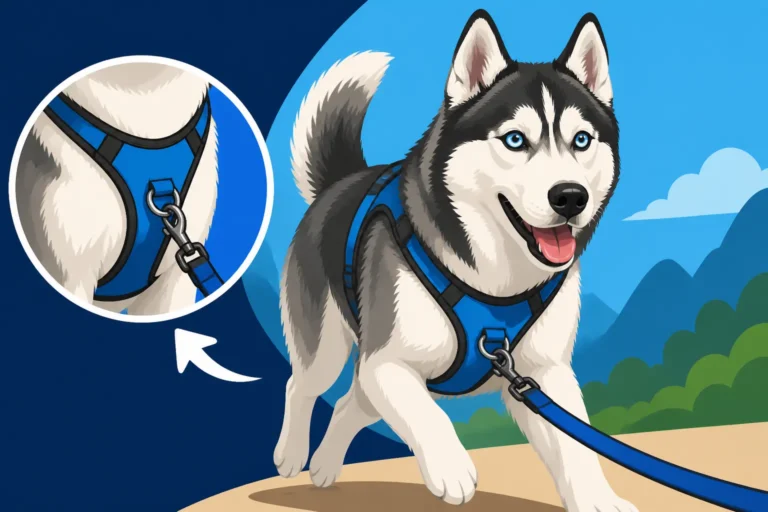
The long line is a Siberian Husky owner's best friend. It offers the illusion of freedom while maintaining crucial control. A 30-foot or 50-foot long line allows your Husky to run, sniff, and explore a wider area, mimicking an off-leash experience, all while you retain the ability to step on the line or reel them in if danger approaches or their focus drifts too far. This is an indispensable tool for Starting Long Line Work With a Siberian Husky. You can find excellent quality long lines made from biothane or durable nylon on platforms like Amazon, ensuring they stand up to a Husky's strength and enthusiasm.
When working with a long line:
- Practice in Safe Spaces: Begin in a large, securely fenced area (if available) or a very isolated space with no distractions.
- Teach the "Release" Command: Let your Husky know when they're allowed to go exploring, then call them back, rewarding heavily for success.
- Step on the Line, Don't Jerk: If your Husky ignores your recall, step on the line instead of yanking. This is safer and less likely to cause a negative association with coming back to you.
- Gradual Distraction Increase: Only slowly introduce more distractions as your Husky masters recall in quieter settings.
Building an Indestructible Recall (Within Limits)
While absolute off-leash reliability in all situations is elusive, a strong recall is still paramount for safety, even when using a long line. This isn't a command you teach once; it's a behavior you reinforce for life.
- High-Value Rewards Are Key: Forget plain kibble. For a Husky, recall rewards need to be exceptional: cheese, cooked chicken, hot dogs, or specialized training treats they rarely get otherwise. These are the "rewards that beat the chase instinct" you hear about.
- Make it a Game: Turn recall into a fun, rewarding game. Play "hide and seek" in the house or yard. When they find you and come, it's a party!
- Practice, Practice, Practice: Short, frequent recall sessions in various low-distraction environments are far more effective than long, infrequent ones. Celebrate every successful recall like they just won the Iditarod.
- Never Punish a Recall: If your Husky eventually comes to you after ignoring multiple calls, never scold or punish them. That teaches them that coming to you leads to bad things, making them less likely to return next time. Celebrate their arrival, even if it was delayed.
- The "Emergency Stop" Command: Consider developing a separate, unique "emergency stop" command (e.g., "Halt!" or "Freeze!"). This command should only be used in dire situations and should be practiced with extreme high-value rewards. An Emergency Stop Cue for a Siberian Husky can be a lifesaver.
Secure Containment: Your Primary Defense
Ultimately, the best strategy for a Husky that tends to roam is preventative containment. This means having a secure yard and being hyper-vigilant about doors and gates.
- Six-Foot Fences (at least!): A standard four-foot fence is often little more than a suggestion to a determined Husky. Six feet is generally considered the minimum, but even then, some Huskies can clear it if motivated. Remember, Six-Foot Fences and the Siberian Husky That Climbs is a real concern.
- L-Footers or Burying Wire: Huskies are notorious diggers. To prevent them from tunneling under a fence, an L-footer (mesh or wire extending horizontally inwards from the bottom of the fence) or buried wire can be essential. Stopping a Siberian Husky Digging Along the Fence is a vital skill for any owner.
- Secure Latches: Huskies are intelligent and can often figure out simple gate latches. Invest in double-locking mechanisms or padlocks.
- Never Unattended: Even with the most secure fence, a Siberian Husky should ideally not be left unsupervised in a yard for extended periods. Boredom and the opportunity to plan an escape are a dangerous combination.
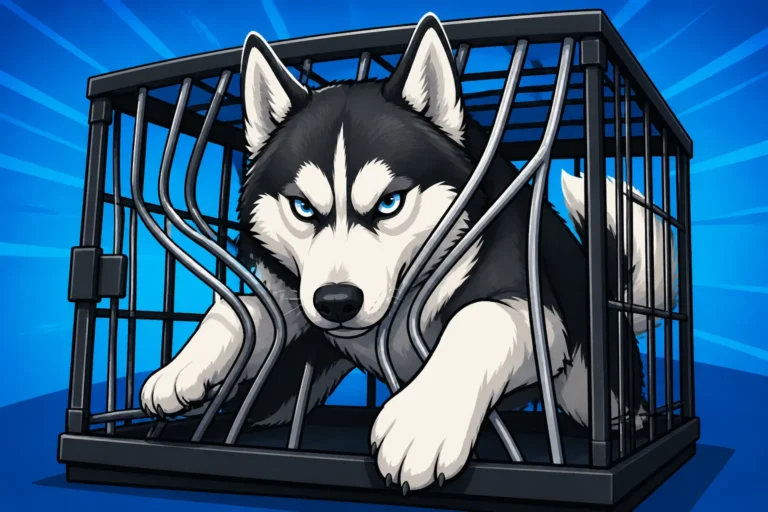
- Crating When Alone: For those times when you can't supervise, a secure crate is often the safest place for your Husky indoors. However, choose wisely, as some Huskies can be escape artists even with crates. Choosing a Crate a Siberian Husky Cannot Bend is a key consideration.
It's a huge responsibility to own a Siberian Husky, and part of that responsibility is understanding and respecting their deeply ingrained instincts. While the dream of a freely roaming, perfectly obedient Husky might be just that—a dream—you can still provide a rich, fulfilling life for your companion through smart management, consistent training, and realistic expectations.
Disclaimer
This article is for general informational purposes only and does not constitute professional advice. Laws, prices and regulations vary by location and change over time. Consult a qualified professional for guidance on your specific situation.