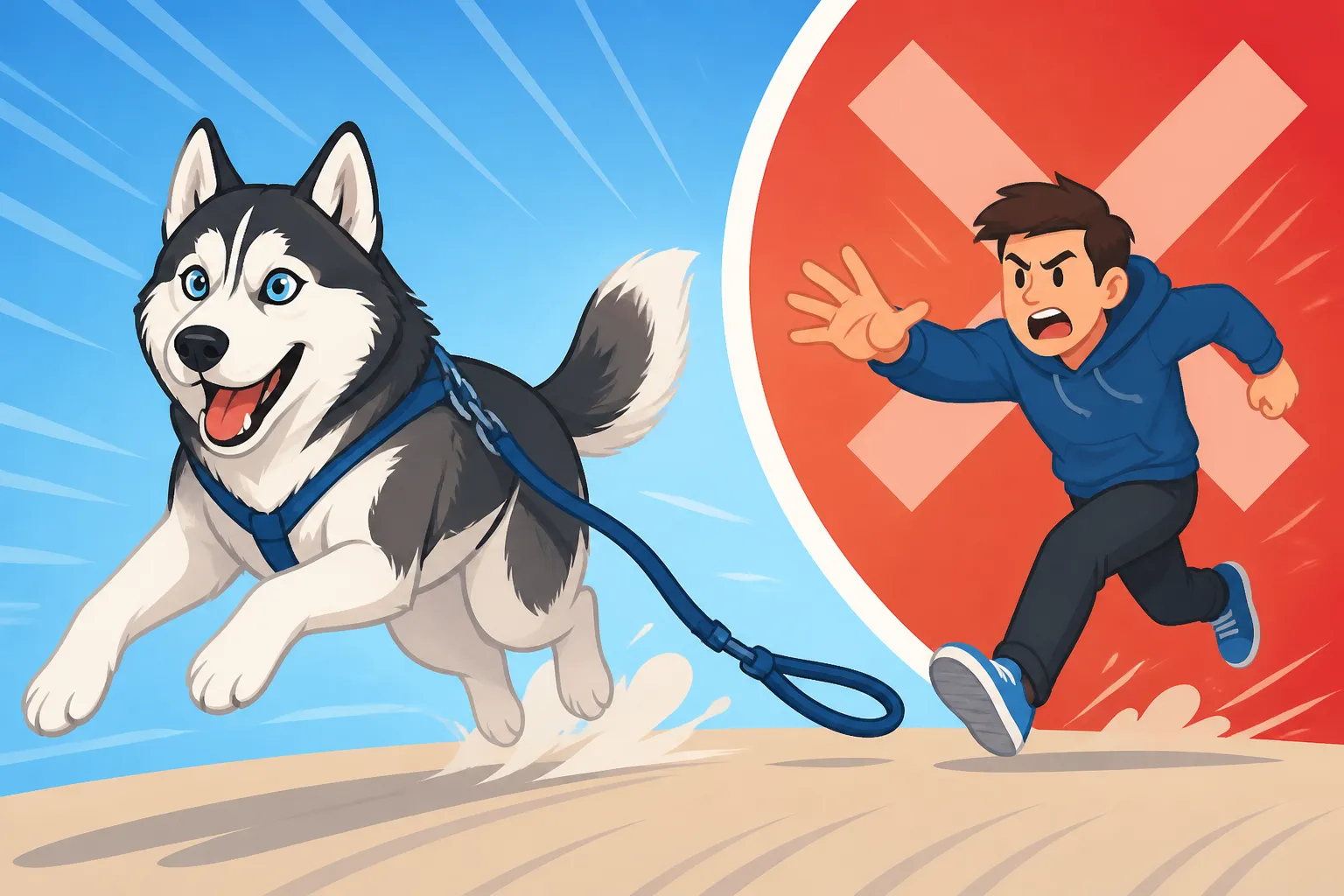
Why Chasing a Loose Siberian Husky Makes It Worse
The sight of your beloved Siberian Husky bolting through an open gate or slipping a leash is enough to send a jolt of ice through any owner's veins. Your first, gut reaction is often to give chase, yelling their name, hoping to grab hold before they vanish into the distance or, even worse, run into danger. But here’s the tough truth: chasing a loose Siberian Husky almost always makes the situation significantly worse, turning a scary moment into a thrilling game for them and escalating the risk. This guide will delve into why this happens and, more importantly, equip you with far more effective strategies to safely retrieve your adventurous Husky.
The Instinctual Drive to Run and Play
Siberian Huskies are magnificent, powerful animals, but their ancestry means they come hardwired with certain traits that can be baffling and frustrating in a modern pet home. Understanding these deeply ingrained instincts is the first step to knowing why chasing them is so counterproductive.
Bred for Distance, Not Obedience
When we look at the history of the Siberian Husky, we're talking about a breed forged in the harsh, unforgiving landscapes of northeastern Siberia by the Chukchi people. Their purpose was singular: to pull light loads over vast distances at a moderate pace, efficiently and tirelessly. They weren't bred to fetch ducks or guard livestock; they were bred to run. The notion of "recall" in the sense of dropping everything and returning to a human on command wasn't a primary selection criterion for their survival. Their job was to go forward, often for miles on end, working as a team. This heritage, which you can learn more about in The Chukchi Origins of the Siberian Husky, means that their very essence is tied to covering ground.
For generations, the dogs that ran the furthest, with the most endurance, were the ones that thrived and passed on their genes. Think about it: a musher isn't usually calling their lead dog back mid-trail. The whole point is forward momentum. This deep-seated instinct to run, to explore, to follow their nose, is incredibly strong. It’s not that they are being stubborn or disobedient in the moment; they are simply acting on thousands of years of evolutionary programming that tells them to enjoy the thrill of the open road, or in this case, the open field or street. Their understanding of "what a Siberian Husky was bred to do" is very different from our expectation of a pet.
The Thrill of the Chase for Them
When your Husky gets loose, a world of tantalizing scents and sights immediately opens up. For a dog that thrives on stimulation and movement, this is like hitting the jackpot. They are experiencing pure, unadulterated joy. The wind is in their fur, new smells are everywhere, and the sheer exhilaration of unrestricted running is unparalleled.
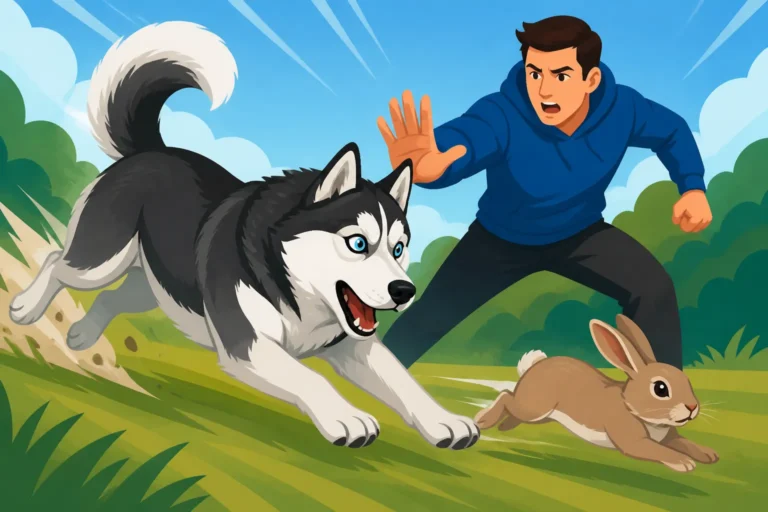
Now, imagine this scene: your Husky is reveling in their newfound freedom, perhaps doing a few happy zoomies, when suddenly, their human starts running after them. From their perspective, this isn't a panicked attempt to catch them; it's an invitation! "Oh, wow, this is even better," they might think. "Now it's a game of chase with my favorite person!" Many dogs, especially those who played intensely with their littermates, find being chased incredibly fun and stimulating. Your running, your excited (even if it's panic-driven) voice, your frantic movements – all these cues mimic play behavior to a Husky. They are not thinking about the danger, or your anxiety; they are just thinking, "Game on!" They are incredibly fast, agile, and have far more endurance than most humans, making them excellent at this particular game.
Why Your Husky Interprets Chasing as a Game
It's a common human reaction to chase something that's running away, but for a Siberian Husky, this instinctual response can have severe drawbacks, deepening their understanding of escape as a fun game rather than a dangerous situation.
The Chase is a Reward
Think about how puppies play. They nip, they wrestle, and they chase. Being chased is a fundamental part of canine play interaction. When you, as their primary companion and source of fun, start running after them, you are inadvertently engaging in one of their most beloved games. Your movements, your excited vocalizations (even if they're born of terror), all signal "play time!" to your Husky. They perceive your pursuit not as an attempt to regain control, but as an exciting extension of their current freedom. It's a high-energy interaction, and for a breed that thrives on vigorous activity, this can be a huge reward.
This isn't just about fun; it’s about reinforcement. If running away consistently leads to an exhilarating chase game with you, why would they ever stop? They're getting a massive payout of adrenaline and enjoyment. It teaches them that escaping is exciting, and that the best part is when you join in. This makes future escapes even more likely because they've learned that this particular behavior (running off) has a very positive, exciting consequence.
The Loss of Trust and Connection
Perhaps even more damaging than reinforcing the "escape game" is the potential erosion of trust. Let's say, by some miracle, you do manage to catch your Husky after a frantic chase. What happens next? Often, exhausted and relieved, owners might scold their dog, yank on their collar, or immediately leash them and head straight home, ending all the fun abruptly. While this reaction is understandable given the stress, it creates a powerful negative association for your Husky.
They don't connect your anger to their act of running away an hour ago; they connect it to being caught. They learn that coming back to you means the fun stops, and sometimes, it means an unpleasant interaction. This makes them less likely to return next time because they've associated your capture with punishment or the end of a good time. Instead of building a strong, reliable recall based on positive experiences (which is what you want if you're working on Teaching a Siberian Husky to Come Back), you're inadvertently teaching them that humans are unpredictable and that being caught isn't worth it. This can seriously undermine the bond and make it incredibly difficult to establish a reliable recall in the future, as they'll associate your calls with impending disappointment.
The Escalation of the Chase and What Happens Next
When you give in to the urge to chase, you're not just playing a game; you're setting in motion a series of events that can put your Husky, and even yourself, in increasing peril.
Increasing Distance and Danger
Siberian Huskies are built for endurance. They can trot for miles without breaking a sweat, and when they're in full flight, they are incredibly fast. A human, even a fit one, simply cannot keep up with a Husky over any significant distance. The more you chase, the further they will run. This isn't a short sprint; it's potentially an extended marathon with dire consequences. Each block they cover, each street they cross, increases the risks exponentially.
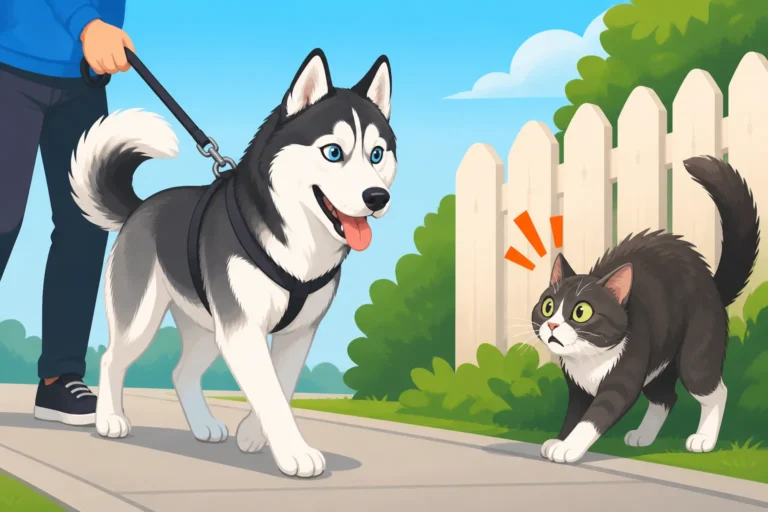
They could run into heavy traffic, become disoriented and get lost, or encounter aggressive dogs or wildlife. Rural areas present dangers like livestock, which a Husky's strong prey drive might unfortunately lead them to investigate (see Siberian Husky Prey Drive Around Small Animals). Urban environments have their own hazards, from busy roads to toxic substances or people who might not be dog-friendly. The further they get from your immediate vicinity, the harder it becomes for you or anyone else to safely intervene. This is why Siberian Husky Deaths From Trauma and Escape are a very real concern, and understanding Why an Escaped Siberian Husky Is a Health Risk is critical. Every step they take away from you increases the likelihood of a tragic outcome.
The Panic Cycle for Both of You
As your Husky continues to run, seemingly oblivious to your increasingly desperate pleas, your own panic levels will soar. Your heart races, your breathing becomes shallow, and a cold dread settles in. This intense emotional state, unfortunately, does not go unnoticed by your dog. Dogs are incredibly perceptive of human emotions and body language. Your frantic energy, your raised voice, your desperate lunging – all of this translates, once again, into heightened excitement for your Husky.
Instead of seeing your distress, they interpret your frantic actions as you ramping up the game. Your desperate attempts to catch them fuel their desire to stay ahead, creating a vicious cycle of increasing panic for you and increasing exhilaration for them. You become more frantic, they run harder, and the gap between you widens, both physically and emotionally. This panic prevents you from thinking clearly or employing more effective, calmer strategies, making a bad situation even worse for both parties involved.
Better Strategies Than Chasing
So, if chasing is off the table, what should you do when your Siberian Husky inevitably slips away? The key is to override your primal urge to chase and instead employ strategies that tap into their natural curiosity and desire for positive interaction.
Be Unpredictable and Enticing
When your Husky takes off, resist the urge to run after them. Instead, try to make yourself more interesting than whatever they're running towards. This often means doing the opposite of what your instincts tell you.
- Run Away From Them: Turn around and start running in the opposite direction, calling their name in an excited, happy voice, not an angry or panicked one. Many Huskies, driven by curiosity or the innate desire to stay with their "pack," will turn to see what you're doing and often come running after you. They might think, "Wait, where's the fun going?"
- Drop to the Ground: Lie down or squat low to the ground. This often piques their interest. Humans rarely act this way, so it breaks their focus on running. Coupled with happy, inviting noises, it can draw them in.
- Hide: If there's a bush, a car, or any obstruction nearby, duck behind it and call their name in an encouraging tone. The sudden disappearance of their human can often trigger their instinct to find you, especially if they associate finding you with good things.
- Make Exciting Sounds: Clap your hands, make silly noises, or even pretend to fall down. Anything that breaks the pattern of "human chases dog" can reset their focus.
Remember, the goal is to switch from being the "chaser" to being the "chasee" or the source of something highly interesting.
High-Value Rewards and Emergency Recall
This is where proactive training really pays off. Always, and I mean always, carry high-value treats with you, even on short walks around the block. These aren't just dry biscuits; we're talking about pieces of cooked chicken, cheese, hot dogs, or whatever your Husky absolutely goes bonkers for. These treats are your secret weapon.
Beyond everyday training, establish an "emergency recall" word. This is a special, unique word (like "CODE RED!" or "COOKIE MONSTER!") that you only use when it's an absolute must for your Husky to come back, and it's always followed by the most amazing, high-value reward they can imagine. Never use this word for casual calls or if you're not prepared to deliver on the promised reward. The idea is that this word becomes so powerfully associated with an irresistible treat that it overrides all other distractions. Working with online programs like BAXTER & Bella can help you build this kind of rock-solid recall, as they often emphasize positive reinforcement for these critical cues. Consistent practice with An Emergency Stop Cue for a Siberian Husky in varied environments is paramount.
Secure Containment and Prevention
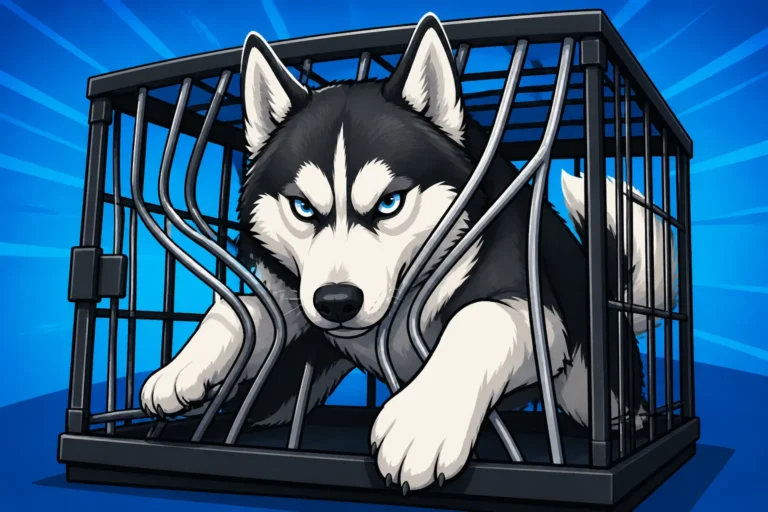
Ultimately, the best strategy is always prevention. Huskies are escape artists of the highest caliber, and underestimating their intelligence and determination is a mistake many owners make.
- Secure Fencing: Your yard needs to be a fortress. A standard four-foot fence is often little more than a suggestion to a Husky. Aim for at least six feet, and seriously consider an L-footer along the bottom to prevent digging out. The Six-Foot Fence a Siberian Husky Needs is a bare minimum. Huskies are known to "dig under fences," so solutions like Adding an L-Footer Against Siberian Husky Digging are crucial.
- Gate Security: Double-check all gate latches. Many Huskies can figure out simple mechanisms. Consider adding carabiners or padlocks.
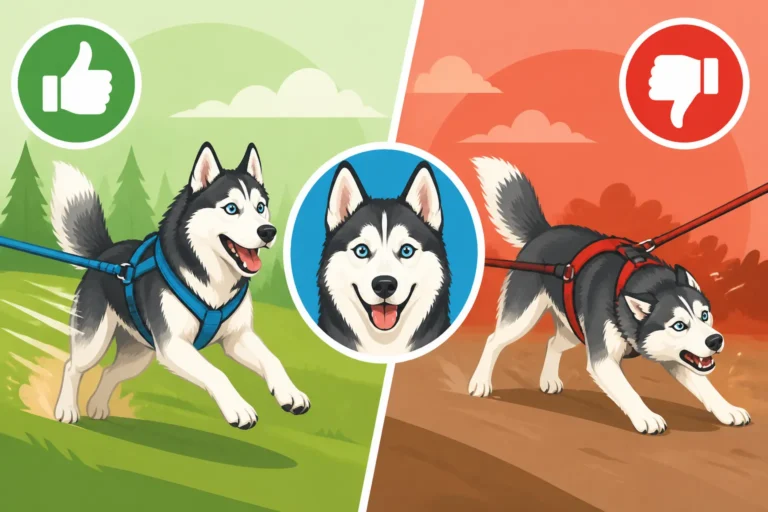
- Leash and Collar Check: Ensure your Husky's collar is properly fitted and that their leash is sturdy. For particularly determined bolters, a well-fitting martingale collar can prevent them from slipping out when they pull back, or a secure, escape-proof harness (many excellent options are available on Amazon) can be a game-changer.
- Constant Supervision: Never leave a Husky unattended in an unsecure yard, and always supervise them, even in a fenced area. They are opportunists.
| Strategy | Why It Works (or Doesn't) | When to Use It |
|---|---|---|
| Chasing | Reinforces the "game," escalates excitement, increases distance, erodes trust. | Never. |
| Running Away | Triggers curiosity, makes you interesting, encourages them to follow. | When your Husky has just gotten loose. |
| Dropping to Ground | Breaks their focus, piques curiosity, non-threatening posture. | When your Husky is looking at you but hesitating. |
| High-Value Recall Word | Overrides distractions due to strong positive association with amazing rewards. | When immediate return is critical (e.g., near traffic). |
| Prevention (Secure Yard) | Eliminates opportunities for escape entirely. | Always. Before your Husky ever gets loose. |
| Professional Training | Provides tailored solutions for persistent escape/recall issues. | For ongoing challenges, to build reliable behaviors. |
Seeking Professional Guidance
If your Siberian Husky continues to exhibit a strong inclination to escape, or if your recall attempts consistently fail, it might be time to bring in a professional. A qualified dog trainer, especially one experienced with independent, high-prey-drive breeds like Huskies, can offer invaluable insights and practical solutions. They can observe your dog's behavior, help identify specific triggers for their escape attempts, and guide you through positive reinforcement techniques that build a reliable recall and a stronger bond.
Remember, Huskies respond poorly to force or punishment, so methods that rely on understanding their motivations and rewarding desired behaviors are essential. A trainer understands Why Force Training Fails on a Siberian Husky and can help you implement strategies that are effective for this unique breed, moving beyond the frustration to a more cooperative relationship. You'll gain peace of mind knowing you have tools and knowledge to manage their adventurous spirit safely. For many owners, it's worth the investment to have a dog you can trust, even if Whether Any Siberian Husky Is Reliable Off Leash is always a question mark.
Disclaimer
This article is for general informational purposes only and does not constitute professional advice. Laws, prices and regulations vary by location and change over time. Consult a qualified professional for guidance on your specific situation.