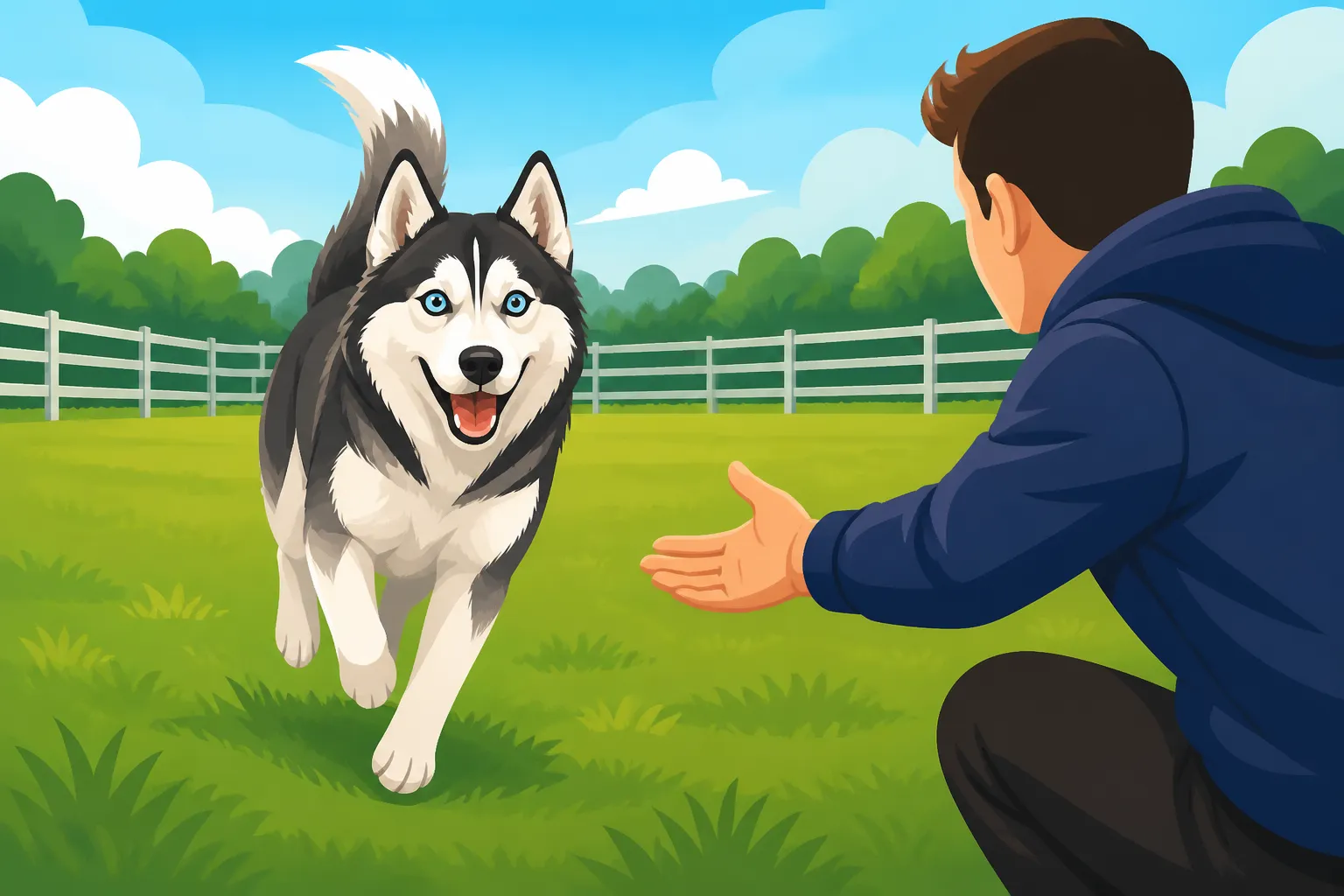
Practicing Siberian Husky Recall in a Fenced Field
The dream of letting your Siberian Husky run free in a vast, open space without a care in the world often clashes with the reality of their incredible wanderlust and selective hearing. Many owners find themselves in a constant tug-of-war, literally and figuratively, with their Husky's independence, especially when it comes to the all-important recall. This guide is here to walk you through how to effectively practice recall with your Siberian Husky in a fenced field, transforming those frustrating moments into opportunities for connection and reliable responses.
Understanding the Siberian Husky's Unique Relationship with Recall
Before we even step paw into a fenced field, it's crucial to acknowledge why recall with a Siberian Husky is such a mountain to climb for so many. These aren't your typical retrieve-happy, always-at-your-side breeds. Huskies were bred for endurance and independent problem-solving across vast, often featureless, landscapes. Their instinct is to range, to explore, and to follow fascinating scents or movements. Your voice, while cherished, often pales in comparison to the allure of a distant squirrel or a new patch of grass. This isn't stubbornness; it's deep-seated genetics.
This inherent drive means that "come" isn't just a command; it's a negotiation. You have to convince your Husky that returning to you is the most rewarding thing they could possibly do at that moment. This takes patience, consistency, and a whole lot of high-value motivation. It’s about building a bond and a history of positive experiences that make choosing you the default, even when the world is full of exciting distractions. Without understanding this core aspect of their personality, any recall training efforts will feel like swimming upstream. You’re not fighting against bad behavior, but rather working with a powerful instinct. For more on their roaming instincts, you might want to read The Roaming Instinct Bred Into Every Siberian Husky.
The Husky Mindset: Why "Come" is a Challenge
Siberian Huskies are intelligent, but their intelligence often manifests as clever independence rather than eager obedience. When you call your Husky, they're not necessarily ignoring you; they're weighing their options. Is what they're currently sniffing, seeing, or chasing more interesting than what you're offering? More often than not, the answer is "yes." They don't have the intense desire to please that some other breeds possess. This means your training has to be exceptionally compelling.
Think of it this way: if your boss called you into work on a Saturday to do something boring, you might drag your feet. But if they called you in to hand you a bonus check, you'd be there in a flash. For your Husky, you need to be the bonus check, not the boring task. This requires a shift in perspective for many owners. Instead of viewing recall as a battle of wills, see it as an opportunity to prove how wonderful and exciting you are. Their prey drive, in particular, is a formidable force; they’re not designed to ignore a fleeing rabbit. Check out Why Siberian Husky Recall Fails at the Worst Moment for more insights into this specific challenge.
Why a Fenced Field is Not a Free Pass
While a fenced field seems like the ultimate solution for practicing recall, it's vital to treat it with a healthy dose of caution, especially with a Siberian Husky. Many fences are not "Husky-proof." They can climb, jump surprisingly high, and dig with astonishing speed and determination. A six-foot chain link fence might seem impenetrable, but a determined Husky can find a way over or under if sufficiently motivated by something on the other side. You can find more about fence requirements in The Six-Foot Fence a Siberian Husky Needs.
Therefore, using a fenced field is about creating a controlled training environment, not an assumption of foolproof safety. Always inspect the fence line before letting your Husky off-leash, looking for gaps, weak spots, or areas where digging has already started. Even in a seemingly secure location, keep a long line on your Husky initially, or at least be prepared to intervene quickly. A fenced field provides a buffer, but it doesn't replace active supervision and diligent training. It's a stepping stone, not the finish line, for truly reliable recall.
Setting Up Your Recall Training Session for Success
Practicing recall isn't just about showing up at a park and yelling "come!" It requires thoughtful preparation, the right equipment, and a strategic approach. Laying this groundwork will dramatically increase your chances of success and help both you and your Husky build confidence in the process.
Choosing the Right Fenced Environment
Not all fenced fields are created equal when it comes to Siberian Huskies. Dog parks can be overstimulating and riddled with distractions, making focused recall training incredibly difficult. Other dogs, strange people, and lingering scents can overwhelm your Husky's senses, pushing your voice far down their priority list. For initial training, a private, securely fenced area is ideal. This could be a friend's yard, a rented Sniffspot field (a popular online platform for renting private dog-friendly spaces), or a sports field that allows dogs and has a sturdy perimeter.
When scouting a location, prioritize security. Look for fences that are at least six feet high, ideally solid or with a small enough mesh that your Husky can't get a toe-hold to climb. Check for gaps under the fence, especially near gates or uneven ground. The fewer external distractions, the better for your early sessions. A quiet time of day, when there are fewer people or other dogs around, will also significantly improve your focus. The goal is to set your Husky up for success, not to test their limits from the get-go.
Essential Gear for Fenced Field Recall Training
You’ll want to arrive at your training session well-equipped. Here's a checklist of must-haves:
- A Long Line: This is your best friend for recall practice, even in a fenced field. A 30 to 50-foot long line allows your Husky freedom to roam and investigate, while still giving you the ability to gently guide them back if they "forget" your recall cue. It’s also a crucial safety net. You can find excellent durable long lines on Amazon, often in various lengths and materials. Start with a Thirty Feet or Fifty on a Siberian Husky Line and see what works best.
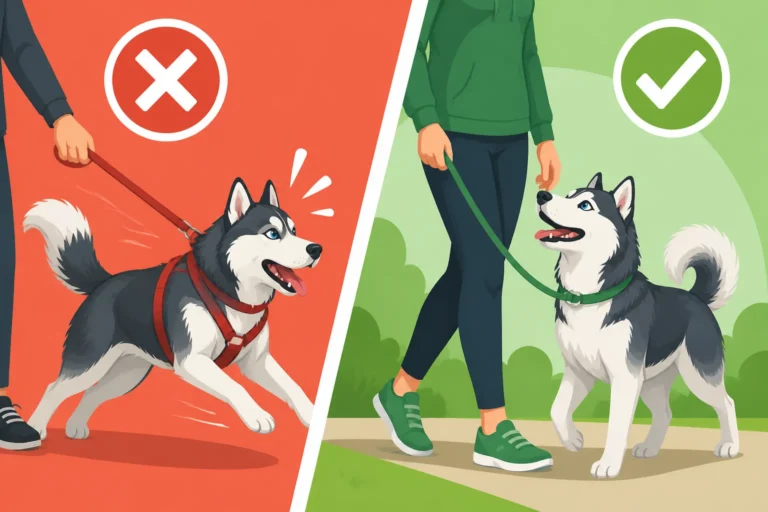
- A Well-Fitting Harness: Never attach a long line to your Husky's collar, as a sudden stop or tug could injure their neck. A sturdy, non-restrictive harness that fits snugly is essential.
- High-Value Treats: Forget the kibble. For a Husky, recall demands something truly irresistible. Think cooked chicken, cheese, hot dogs, or specially formulated soft, smelly training treats. These treats need to be small enough for quick consumption so you can reward rapidly.
- A "Super" Toy: If your Husky isn't food motivated, a favorite squeaky toy or tug toy can be an excellent reward. The key is that this toy is only brought out for recall practice, making it extra special.
- A Clicker (Optional but Recommended): If you use clicker training, it can be a fantastic way to mark the exact moment your Husky performs the desired action (turning towards you, starting to come, arriving).
- Water and a Bowl: Especially if you're practicing on a warm day, ensure your Husky stays hydrated.
- Poop Bags: Always be a responsible pet owner.
Having the right tools ready means you can focus entirely on the training itself, rather than scrambling for supplies.
Choosing the Right Recall Cue and Reinforcement
Consistency is paramount. Choose a single, clear recall cue and stick to it. Avoid using it casually around the house. This word should only mean "come to me right now for something amazing." Many people use "come," but you could choose "here," "front," or even a whistle. The key is that it's unique and always associated with positive reinforcement.
Your reinforcement needs to be swift, enthusiastic, and highly rewarding. The moment your Husky turns towards you or takes a step in your direction, offer verbal praise ("Good come!"). When they reach you, immediately follow with that high-value treat or a quick game with the special toy. Vary your rewards sometimes – a treat, sometimes a toy, sometimes a brief burst of enthusiastic petting and praise – to keep them guessing and engaged. Remember, it's not just about getting them to come, but making them want to come every single time. Sometimes, you might even release them immediately after a successful recall with a "go play!" cue, so they don't associate coming to you with the end of their fun. The online training resources from BAXTER & Bella can offer structured guidance on building this positive reinforcement foundation from puppyhood, which is invaluable for later recall success.
Step-by-Step Recall Practice in a Fenced Field
Now that you're prepared, let's dive into the actual training. Remember to keep sessions short, positive, and end on a high note. Huskies thrive on novelty and can get bored quickly with repetitive drills.
Phase 1: Building Value Up Close (On-Leash/Short Line)
Even in a fenced field, start on a regular leash or a very short long line (10-15 feet). This phase is about reminding your Husky that you are the source of all good things, even when there are other distractions.
- Engage and Reward: Walk around the field with your Husky, letting them sniff and explore. Every few steps, call their name or make an excited noise. The instant they look at you, mark the behavior (with a clicker or "yes!") and immediately give a high-value treat.
- Short Recalls: Let your Husky wander a few feet away, then say your recall cue in an upbeat, excited voice. As they come back (even if it's just a few steps), mark and reward lavishly. Gradually increase the distance, but keep it short enough that success is guaranteed.
- Party Time: Make coming back to you a party! Crouch down, open your arms, use an excited tone, and deliver those treats with enthusiasm. Your energy is contagious.
The goal here is to create a strong positive association with your recall cue and with coming back to you. They need to understand that when you say "come," awesome things happen right by your side. If your Husky has already been taught engagement exercises, this phase will be much easier.
Phase 2: Expanding Distance with the Long Line
Once your Husky is consistently returning to you on a short line with minimal distractions, it’s time to extend the distance using your 30-50 foot long line. This is where the fenced field really shines, providing a safe boundary for experimentation.
- Controlled Freedom: Attach the long line to their harness and let them drag it initially. Allow them to explore the field. Stay engaged, calling their name periodically and rewarding glances.
- The "Check" and Recall: Let your Husky wander to the end of the long line. As they start to investigate something interesting, say your recall cue. If they hesitate, give a gentle, consistent tug on the long line to reorient them towards you. The moment they turn and start coming, praise enthusiastically, and then reward generously when they reach you. Don't drag them in; use the line as a gentle reminder, not a tow rope.
- Varying Locations: Move around the field. Call them when they are sniffing a patch of grass, then when they're running in another direction, then when they're looking at something in the distance. This teaches them that "come" applies regardless of what they're doing.
- Practice the "Emergency Stop": While not strictly recall, an emergency stop cue (like "STOP!" or "WAIT!") can be invaluable for a Husky. Practice this by calling the cue while they're moving, then stepping on the long line or gently reining them in. Reward heavily when they halt. This can save lives if they ever slip past a fence. Learning An Emergency Stop Cue for a Siberian Husky is a critical skill.
Remember, the long line is a tool to facilitate training, not a crutch. Your goal is for them to choose to come back to you, not because they’re forced by the line, but because they genuinely want to.
Phase 3: Introducing Mild Distractions
Once your Husky is reliably coming back on the long line in the quiet fenced field, you can start introducing mild, controlled distractions. This might involve:
- Human Helper: Have a friend or family member stand quietly at a distance. Let your Husky wander towards them, then call your Husky back before they reach the person. Reward heavily for choosing you over the new person.
- Toy Distraction: Scatter a few low-value toys on the ground. Let your Husky sniff them, then call them away from the toys before they get too engrossed.
- Sound Distractions: Play quiet music from your phone, or have a friend make soft noises in the distance. The key is to keep these distractions mild and controlled so your Husky can still succeed.
If your Husky fails to respond, don't get frustrated. Simply go back to a less distracting environment or a shorter distance where they can succeed. Every successful recall builds confidence and strengthens the association between coming to you and getting something wonderful. The goal is a gradual increase in difficulty, always ensuring your Husky experiences more wins than losses.
Troubleshooting Common Siberian Husky Recall Issues
Even with the best intentions and preparation, Huskies will throw you curveballs. Their independent nature and intelligence mean they often find unique ways to test boundaries or simply follow their instincts.
The "Selective Hearing" Husky
Ah, the classic "selective hearing." Your Husky is 50 feet away, nose to the ground, utterly oblivious to your calls. This isn't usually malice; it's often a combination of intense focus on something else and a lack of sufficiently high-value reinforcement from you.
- Increase Your Value: Are your treats really the best they can be? Experiment with different items. For some Huskies, a piece of roast chicken trumps everything. For others, it's a special squeaky toy that only appears for recall.
- Change Your Tone: Are you boring? Your recall cue should be upbeat, enthusiastic, and exciting. Don't be afraid to sound a little silly! Crouch down, clap your hands, make kissing noises – whatever it takes to grab their attention.
- Movement is Key: Sometimes, running away from your Husky (the opposite of what instinct tells you to do!) can trigger their chase drive and make them come running after you.
- Don't Nag: Repeating your recall cue over and over when your Husky isn't responding teaches them that the word doesn't actually mean "come right now." Say it once or twice. If there's no response, go to them, gently guide them back with the long line, and restart the practice at a closer distance. This reinforces that "come" is non-negotiable, but without punishing them. This approach aligns with the advice in A Siberian Husky That Comes Only When It Suits.
The "Run Away While I Chase You" Game
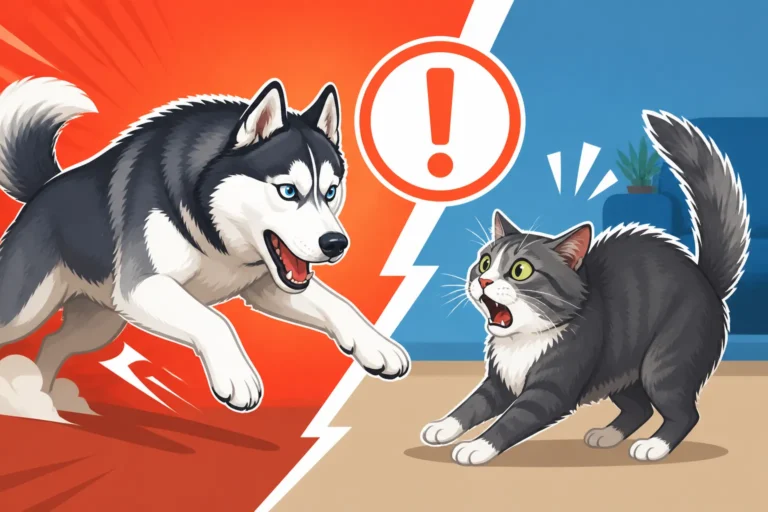
This is a dangerous game Huskies love to play, and it almost always ends with a frustrated owner and an exhilarated Husky. Your Husky dashes off, you call, they glance back, wag their tail, and then run faster, expecting you to chase.
The golden rule: NEVER CHASE A SIBERIAN HUSKY. Chasing them is a game, and it reinforces the idea that running away leads to fun pursuit. Instead:
- Turn and Run the Other Way: If your Husky is far away and looking at you, turn your back and start jogging in the opposite direction, making excited noises. This often taps into their pack instinct and curiosity, prompting them to follow.
- Hide: If the field has structures or bushes, duck behind one and hide. Most Huskies will get concerned if they suddenly lose sight of their person and will come looking for you. When they find you, reward them lavishly.
- Distract with a Toy/Treat: If they're within earshot, try shaking a treat bag or squeaking their special recall toy.
- Use the Long Line (Consistently): If you're using a long line, prevent the chase game from starting. The moment they turn to run away from you after a recall cue, gently but firmly apply tension on the line to stop their forward motion and reorient them. Reward the instant they come towards you.
This behavior highlights why a strong recall is absolutely non-negotiable for this breed. Their drive to run and explore is too powerful to ignore.
Overcoming High Distraction Scenarios
A fenced field, while controlled, can still present distractions. Maybe another dog walks by outside the fence, or a bird lands close by. Huskies are prone to Siberian Husky Prey Drive Around Small Animals.
- Build a Solid Foundation First: Don't attempt to tackle major distractions until your Husky's recall is rock-solid in a low-distraction environment.
- Gradual Exposure: Introduce distractions slowly and deliberately. If another dog is walking by, ensure they are far enough away that your Husky can still respond to your recall. If they respond, jackpot reward! If not, that's your cue to back up to an easier level.
- Positive Interruption: If your Husky fixates on something, try a positive interruption. A sudden, happy "What's this?!" or a tossed high-value treat in the opposite direction can break their focus and redirect them to you.
- Leash Up When in Doubt: If you see a major distraction approaching (like an off-leash dog that might come to the fence line), simply leash your Husky up temporarily. It's better to avoid a failed recall and reinforce the positive habit. This is also where an online training program like BAXTER & Bella can help, as they often have modules on building focus and engagement in increasingly distracting environments. They teach you how to be more interesting than the environment.
Advanced Tips for Husky Recall in Fenced Areas
Once your Husky is consistently performing great recalls in a fenced field, you can start to refine and proof the behavior, making it more reliable in a wider range of situations.
Practicing in Different Fenced Locations
Just because your Husky has perfect recall in one fenced field doesn't mean it will generalize to all fenced fields. Each new location has different smells, sounds, and visual cues. To truly proof your recall:
- Vary Your Venues: Seek out different fenced dog parks (at quiet times), different Sniffspot rentals, or even large, secure private properties.
- Start from Scratch (Kind Of): In each new location, begin with your long line and lower distractions, just as you did in Phase 1. Gradually increase the distance and introduce mild distractions as your Husky gains confidence and consistency in that specific environment.
- Introduce Different Terrain: Practice in fields with tall grass, uneven ground, or even small wooded sections. This helps your Husky learn that "come" applies everywhere, not just on a perfectly manicured lawn. The more variables you introduce and successfully overcome, the stronger your Husky's recall becomes. This concept of generalizing commands is vital for any training aspect with a Husky.
Using Play as a Reward and Engagement Tool
For many Huskies, play is a far more motivating reward than even the tastiest treat. Incorporating play into your recall sessions can boost engagement and make training feel less like a chore.
- Tug or Fetch After Recall: When your Husky comes back to you, instead of just a treat, sometimes engage in a quick, enthusiastic game of tug or fetch. This makes the "arrival" at your side incredibly rewarding.
- Run and Hide Games: As mentioned earlier, running away or hiding can be a fantastic way to motivate a Husky to come find you. When they do, celebrate with a play session.
- "Keep Away" with a Toy: Briefly let your Husky chase a favorite toy, then scoop it up and use it to entice them back to you for a reward. This keeps their focus on you as the source of fun.
The key is to use play strategically as a reward for coming back, rather than letting play distract them from the recall. If you find your Husky is too excited by the toy to focus on coming, switch back to food rewards for a bit.
| Recall Training Stage | Environment | Equipment Recommended | Key Focus | Reward Type |
|---|---|---|---|---|
| Foundation | Quiet, secure yard | Standard leash, clicker (optional), high-value treats | Building positive association with cue | Treats, enthusiastic praise |
| Intermediate | Fenced field (low distraction) | 30-50 ft long line, harness, high-value treats/toy | Extending distance, gentle guidance | Treats, short play, praise |
| Advanced | Fenced field (mild distraction) | 30-50 ft long line, harness, varied rewards | Introducing controlled distractions, proofing | High-value treats, exciting play |
| Proofing | Various fenced locations | Long line (as safety), harness, varied rewards | Generalizing recall to new environments | Ultimate jackpot rewards, freedom to play |
When to Consider Professional Help
If you're consistently struggling with recall despite your best efforts, or if you feel overwhelmed, don't hesitate to seek professional help. A qualified dog trainer with experience working with independent breeds like Siberian Huskies can offer invaluable guidance. They can:
- Assess Your Husky's Motivation: A trainer can help you identify what truly motivates your individual Husky.
- Observe Your Technique: They can spot subtle cues you might be missing or suggest refinements to your timing and delivery.
- Provide a Structured Plan: Many trainers offer one-on-one sessions or classes specifically focused on recall, giving you a tailored approach.
- Manage Specific Challenges: If your Husky has particularly strong prey drive or reactivity that impacts recall, a professional can provide specialized strategies.
Investing in professional training isn't a failure; it's a commitment to your Husky's safety and your peace of mind. A good trainer will empower you with the tools and knowledge to build that reliable recall you've been dreaming of, whether you're working with general obedience or targeting a specific issue like A Siberian Husky That Bolts Through Open Doors.
Practicing Siberian Husky recall in a fenced field is a marathon, not a sprint. There will be days of triumph and days of frustration. But with patience, consistency, and a deep understanding of your Husky's unique nature, you can build a recall that ensures their safety and strengthens the incredible bond you share.
Disclaimer
This article is for general informational purposes only and does not constitute professional advice. Laws, prices and regulations vary by location and change over time. Consult a qualified professional for guidance on your specific situation.