Food Rewards a Siberian Husky Will Work For
If you're a Siberian Husky owner, you know the drill: you’re trying to teach your beautiful, intelligent, and fiercely independent dog something new, and sometimes it feels like they’re just… looking through you. Huskies aren't always the most food-motivated dogs, which can make traditional reward-based training a real puzzle. This guide is all about cracking that code, exploring the types of food rewards that truly resonate with a Husky's unique palate and temperament, and how to use them effectively to make training a more rewarding experience for both of you.
Understanding the Siberian Husky's Unique Motivation
Many dog breeds live to please, or at least live to eat! But our Siberian Huskies are often a different story. They were bred for a specific purpose: to pull sleds over vast distances in brutal conditions, relying on their own instincts and endurance. This history has ingrained in them a strong sense of independence and a metabolism that isn't always screaming for extra calories, making high-value food rewards essential for successful training.
Why Traditional Treats Might Fall Flat
It's a common frustration: you offer a standard dog biscuit or a bland training treat, and your Husky sniffs it, perhaps gives it a bored lick, and then looks away as if to say, "Is that all you've got?" This isn't necessarily stubbornness, though it certainly feels that way when you're trying to get their attention. It's often simply a reflection of their genetic makeup. They weren't bred to perform intricate tricks for a kibble pellet; they were bred to work. Their motivation often comes from the activity itself – the pull, the run, the exploration – rather than constant edible gratification.
This independence means that a generic, low-odor, crumbly biscuit just doesn't register as a worthwhile incentive to interrupt whatever fascinating smell or distant squirrel has captured their attention. For many other breeds, a basic treat is enough to get their focus, but a Husky often needs something more compelling, something that truly stands out in a world full of interesting distractions. This is why you might feel like your Husky is being difficult when they simply aren't impressed by your offering. It highlights why Why a Siberian Husky Looks Stubborn Rather Than Slow is a common owner observation, but it's really about finding their unique motivators.
The "High-Value" Concept for Huskies
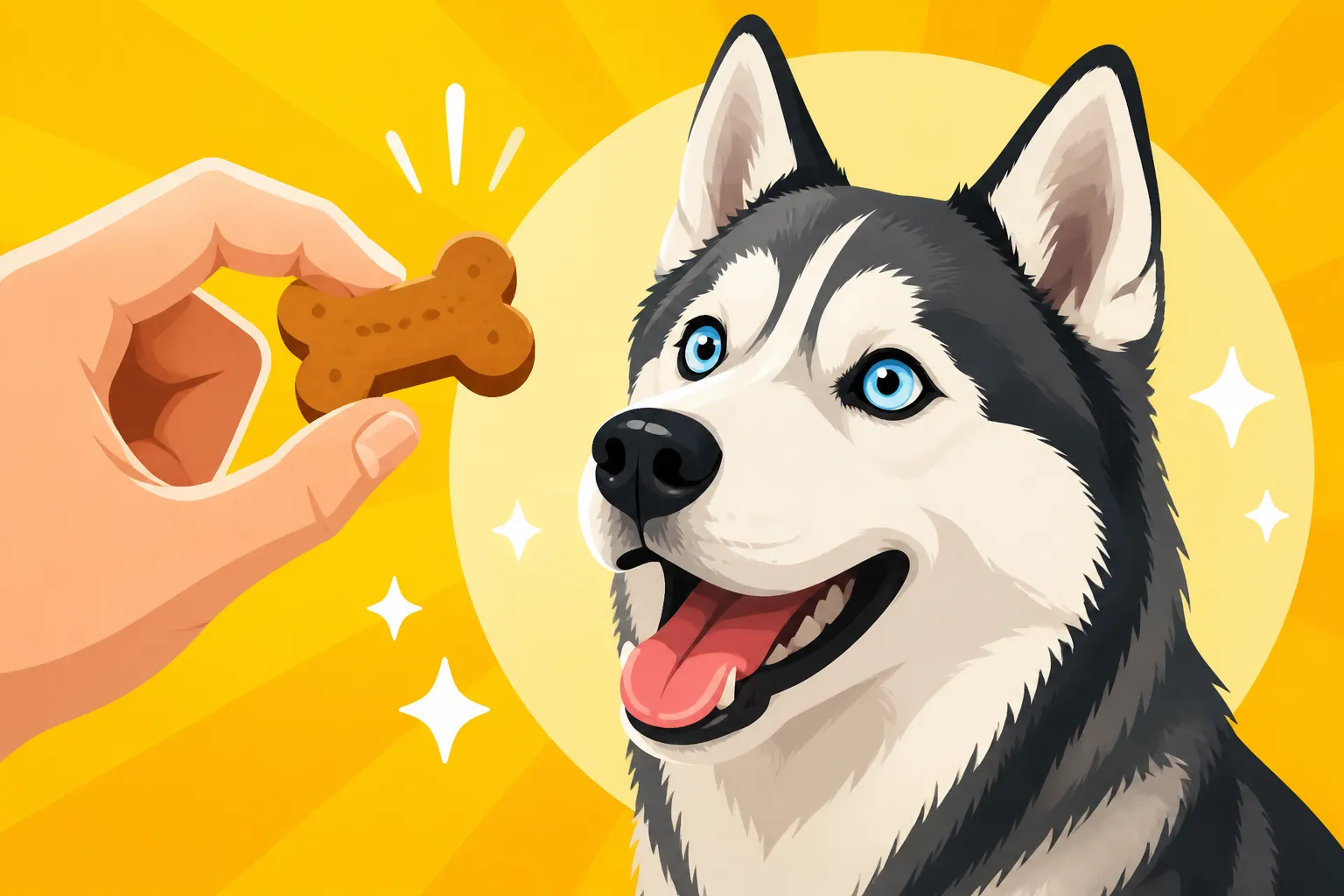
So, what exactly does count as a "high-value" treat for a Siberian Husky? It boils down to a few key factors: smell, taste, texture, and novelty. A high-value treat is something your Husky absolutely adores and would rarely get otherwise. It should be irresistible enough to break through distractions and make them genuinely eager to engage with you.
Think about it from your Husky's perspective. Would you go out of your way for a plain cracker when you know there's a delicious steak somewhere? Probably not. The same applies to our dogs. For a Husky, a high-value treat often means something intensely meaty, with a strong aroma that announces its presence. It should be soft and easy to swallow quickly, so they don't get distracted by chewing. Size also matters; we're talking pea-sized portions, not large chunks. What one Husky considers high-value, another might not, so part of the journey is discovering your individual dog's culinary preferences. This experimentation is key to Motivating a Siberian Husky That Ignores You and making training sessions productive.
Top Food Rewards That Get a Husky's Attention
Once you understand that standard treats might not cut it, you can start exploring the rewards that genuinely excite a Siberian Husky. The goal is to find those items that make their eyes light up and their focus lock onto you, even if just for a few precious seconds.
Meaty and Smelly Delights
When it comes to Huskies, smell is paramount. Their powerful noses are drawn to strong, savory aromas. Here are some of the most reliable high-value options:
- Cooked Chicken (Boiled or Baked, Plain): This is often the gold standard. Shredded boiled chicken breast, cut into tiny, pea-sized pieces, is usually a huge hit. It's lean, easily digestible, and its natural aroma is incredibly appealing. Make sure it's cooked thoroughly and completely plain – no seasonings, no butter, no bones.
- Hot Dogs (Plain, All-Beef, Low Sodium): Yes, you read that right. Chopped into tiny slivers, plain hot dogs can be a Husky magnet. The strong smell and soft, chewy texture are incredibly motivating. Opt for all-beef, low-sodium varieties to be healthier. Cook them plain, and remember, a little goes a long way.
- Cheese (Cheddar, Mozzarella): Small cubes of cheddar or mozzarella can also work wonders. The dairy fat and strong scent are often very attractive. However, some Huskies can be sensitive to dairy, so introduce it in very small amounts and monitor for any digestive upset. Again, tiny pieces are key.
- Deli Meat (Plain Turkey or Ham): Just like hot dogs, thinly sliced, plain deli turkey or ham, cut into small pieces, can be highly effective. Look for brands with minimal additives and lower sodium content. Avoid anything smoked or heavily spiced.
The trick with all of these is moderation and preparation. These are rewards, not meals. Keep the pieces tiny to control calorie intake and prevent stomach upset.
Commercial High-Value Options
Beyond homemade treats, there's a fantastic array of commercial treats specifically designed to be highly appealing.
- Freeze-Dried Meats (Liver, Chicken Hearts, Salmon): These are absolute winners for many Huskies. The freeze-drying process locks in intense flavor and aroma, making them incredibly attractive. Common options include freeze-dried beef liver, chicken hearts, or salmon. Brands like Stella & Chewy's, Orijen, and Zuke's offer excellent varieties. You can find a huge selection of these kinds of specialized, high-value treats on Amazon, often with detailed reviews from other dog owners that can help you gauge popularity among similar breeds.
- Soft, Chewy Training Treats: Many companies make soft, moist training treats that are excellent for quick rewards. These are usually small, pliable, and easy for your Husky to swallow quickly without interrupting the flow of a training session. Look for treats with real meat as the first ingredient and avoid excessive fillers. These are often perfect for Keeping a Siberian Husky Interested in Training because their texture and flavor are distinct from regular kibble.
When choosing commercial treats, always read the ingredients list carefully. Opt for treats with limited, high-quality ingredients to avoid unnecessary fillers or potential allergens.
Unexpected Husky Favorites
Sometimes, your Husky will surprise you with what they consider a treat!
- Certain Vegetables and Fruits: While not every Husky is a veggie fan, some adore carrots (great for a crunch!), green beans, or small pieces of apple (without seeds or core). Blueberries can also be a healthy, low-calorie option for a quick reward. Always introduce new fruits and vegetables slowly and research what is safe for dogs.
- Cooked Pasta or Rice: Believe it or not, a few plain, cooked pieces of pasta or rice can be a novelty for some Huskies, especially when mixed in with higher-value items. This can be a lower-calorie filler if you're worried about too many rich treats.
- Their Own Kibble (for lower-value reinforcement): Don't forget that their regular kibble can still be used as a reward, particularly for behaviors that are already well-established or in less distracting environments. This helps to manage Treat Spending Through Siberian Husky Training and calorie intake. It teaches your Husky that even mundane actions can earn a reward, preparing them for a life where not every good behavior merits a steak!
Strategies for Effective Food Reward Training
Simply having the best treats isn't enough; how you use them makes all the difference, especially with an independent breed like the Siberian Husky. Strategic use of food rewards can transform your training sessions from a struggle into an engaging and productive partnership.
Timing and Delivery Are Everything
For a reward to be effective, it needs to be delivered at precisely the right moment.
- The Golden Rule of Two Seconds: Your Husky needs to associate the reward directly with the desired behavior. This means the treat must be delivered within 1-2 seconds of them performing the action you asked for. If you wait too long, they might think they're being rewarded for sniffing the ground, looking at a bird, or something else entirely. Practice makes perfect here – have your treats ready in a pouch or pocket for instant access.
- The "Jackpot" Reward Concept: For significant breakthroughs or when your Husky performs a particularly challenging task perfectly, consider a "jackpot" reward. Instead of one tiny piece, offer a small handful of high-value treats, or a slightly larger, more impressive piece of their absolute favorite. This tells them, "Wow, that was amazing! You really hit it out of the park!" Jackpots are fantastic for solidifying new behaviors and boosting motivation.
- Using a Treat Pouch: A dedicated treat pouch clipped to your belt or pocket is invaluable. It keeps treats fresh, easily accessible, and prevents you from fumbling, which breaks the crucial timing window. It also keeps your pockets clean!
Varying Rewards to Maintain Interest
Imagine eating your favorite food every single day, for every meal. Eventually, even that would lose its appeal, right? The same applies to your Husky.
- Keep Them Guessing: Don't always use the same high-value treat. Rotate through your Husky's favorites to keep them excited and engaged. One day it might be chicken, the next day cheese, then freeze-dried liver. This element of surprise can make them more attentive.
- Mix in Other Rewards: While food is a powerful motivator, it shouldn't be the only reward you ever use. As your Husky's understanding of a behavior grows, start mixing in other forms of positive reinforcement. This could include enthusiastic verbal praise ("Yes! Good dog!"), a quick game with a favorite toy, or access to something they want (like going out the door for a walk). This helps with Whether Praise Alone Motivates a Siberian Husky – it rarely does at first, but it can become part of a larger reward system.
- Fading the Lure and Intermittent Reinforcement: As your Husky masters a command, you'll want to gradually reduce your reliance on food. This is called "fading the lure." Instead of always showing the treat, just give the cue. Once they perform it reliably, move to "intermittent reinforcement," meaning they don't get a treat every single time. Sometimes it's a treat, sometimes it's praise, sometimes it's nothing. This builds a strong, lasting behavior that isn't dependent on you always having food on hand, and it's a core principle when Training an Independent Siberian Husky.
Integrating Rewards with Structured Training Programs
Learning how to effectively use food rewards, especially for a Husky, can feel overwhelming. This is where a structured training program can be a game-changer.
- Guided Learning: Many online and in-person training programs emphasize positive, reward-based methods. They teach you not only what to teach but also how to use rewards, timing, and positive reinforcement to build a strong bond and reliable behaviors. Programs often break down complex commands into simple steps, making it easier to identify the exact moment to reward.
- Support and Community: Being part of a training program can offer invaluable support. You'll get feedback on your technique, learn from other Husky owners' experiences, and have a clear curriculum to follow. For instance, an online dog training program like BAXTER & Bella provides step-by-step guidance, live Q&A sessions, and a supportive community, which can be incredibly helpful for owners navigating the nuances of Husky training and reward strategies. They often guide you through everything from basic obedience to more advanced skills, ensuring you're using rewards in the most impactful way possible. This helps you implement techniques like Clicker Training a Siberian Husky correctly.
Common Pitfalls and How to Avoid Them
Even with the best intentions and the tastiest treats, training a Siberian Husky can present unique challenges. Being aware of common pitfalls can help you navigate them more effectively.
Overfeeding and Calorie Management
One of the biggest concerns with using high-value food rewards is the risk of overfeeding, especially with a breed that often has a more efficient metabolism than other dogs.
- Tiny Portions are Non-Negotiable: Remember, we're talking about pea-sized pieces. Even a small hot dog or a sliver of cheese contains more calories than a piece of kibble. Cut treats into the smallest effective size possible. For example, a single hot dog can be sliced into dozens of reward-sized pieces.
- Adjust Main Meal Portions: If you're doing a lot of training with high-value treats, you absolutely must reduce your Husky's regular meal portions. Treat calories count! Neglecting this can lead to unwanted weight gain, which can impact their health and mobility, particularly as they age. Pay attention to Calories a Fifty-Pound Siberian Husky Needs Daily and factor in treat calories.
- Table for Treat Calories (Approximate Examples per oz):
| Treat Type | Approximate Calories per Ounce (Cooked/Prepared) | Notes |
|---|---|---|
| Plain Cooked Chicken | 45-50 | Leanest option, highly digestible |
| All-Beef Hot Dog | 80-90 | Higher fat/sodium, use sparingly |
| Cheddar Cheese | 110-120 | High fat, use tiny amounts, watch for dairy sensitivity |
| Freeze-Dried Liver | 100-110 | Concentrated, very high-value |
| Commercial Soft Training Treat | 70-80 (varies greatly by brand) | Check packaging for specific calorie count |
| Carrots | 10-15 | Low calorie, crunchy, good for volume |
Always check the specific nutritional information for your chosen treats and adjust accordingly.
When Your Husky Turns Up Their Nose
It's disheartening when you pull out what you think is the ultimate reward, and your Husky still isn't interested. Don't despair; it happens!
- Re-evaluate "High-Value": What you perceive as high-value might not be what your Husky does. Try new types of treats, experiment with different textures (some prefer crunchy, others soft), and pay attention to their reactions. Maybe they're tired of chicken and want some salmon today.
- Training Environment Matters: If your Husky is overwhelmed by distractions (other dogs, new smells, loud noises), even the best treat might not be enough to capture their focus. Start training in a quiet, low-distraction environment, then gradually introduce more challenging settings as they improve. This ensures they can actually process the reward.
- Is Your Husky Full or Stressed? A dog that's recently eaten a big meal might not be interested in treats. Similarly, if your Husky is feeling stressed, anxious, or unwell, food will be the last thing on their mind. Ensure they are in a comfortable, relaxed state, and not too full, before training. You might notice this if you have A Siberian Husky That Leaves Food in the Bowl at regular mealtimes.
Relying Solely on Food
While food rewards are powerful, the ultimate goal is to build a dog who performs behaviors because they understand them and enjoy engaging with you, not just for a constant handout.
- Transition to Life Rewards: Think about what your Husky naturally wants in any given situation. Do they want to go outside? Ask for a sit before opening the door. Do they want to play? Ask for a down before tossing the toy. These are "life rewards," and they are incredibly powerful because they happen naturally throughout your day. This teaches your Husky that cooperating with you leads to good things in their life.
- Building Intrinsic Motivation: The more your Husky experiences success and positive interactions with you through training, the more they will want to engage. This builds a stronger bond and a dog who is more eager to participate, even when food isn't directly involved. It's about making training a fun, cooperative game, rather than a transaction. This is a crucial element for Training an Independent Siberian Husky, making them want to work with you.
Disclaimer
This article is for general informational purposes only and does not constitute professional advice. Laws, prices and regulations vary by location and change over time. Consult a qualified professional for guidance on your specific situation.