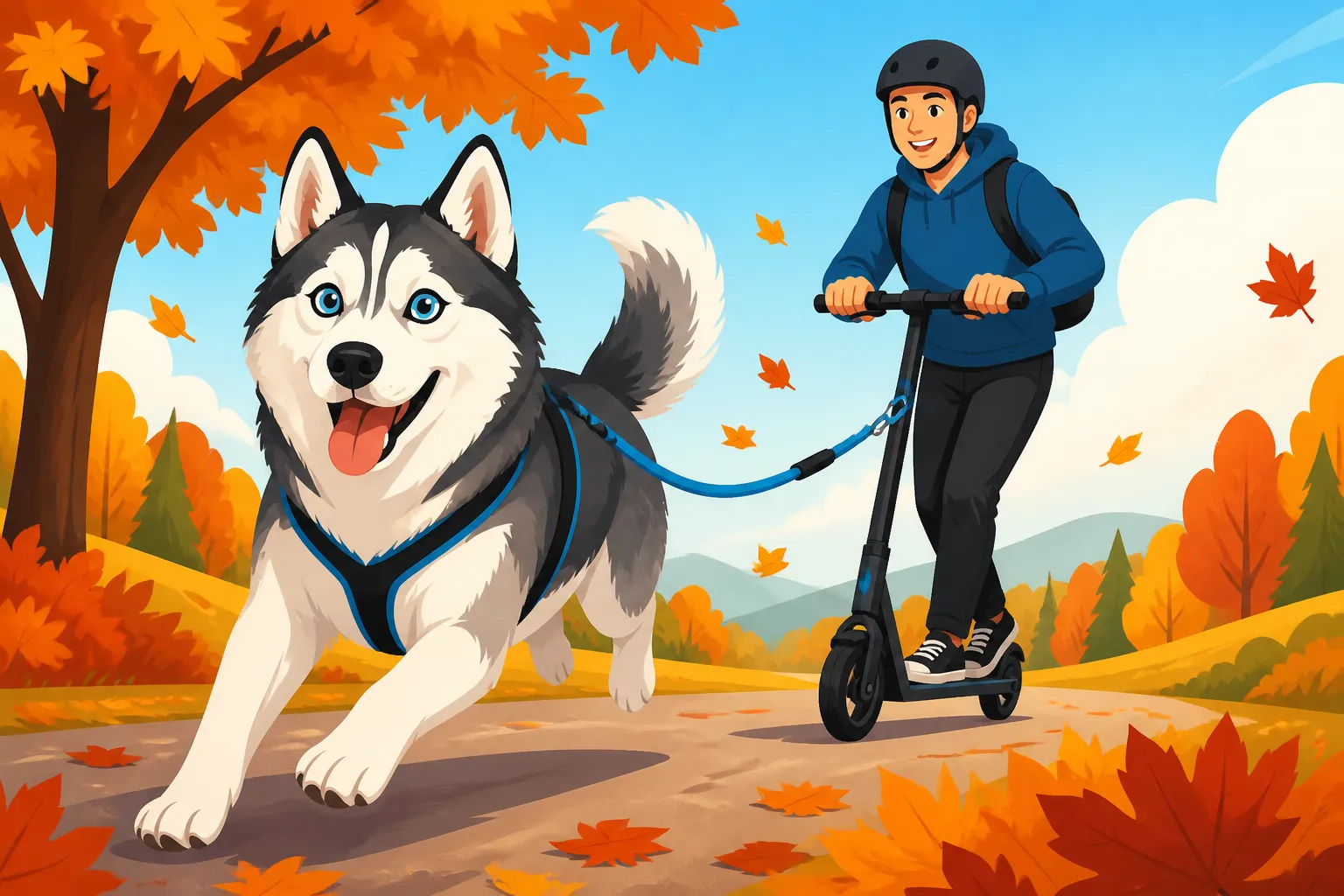
Scootering With a Siberian Husky in Fall
As the crisp autumn air rolls in and the leaves start to turn, many Siberian Husky owners feel a renewed sense of excitement. It’s the perfect time to get out and give your high-energy companion the serious workout they crave, but simply walking them doesn't always cut it. This guide is all about embracing the glorious fall weather by diving into the exhilarating world of scootering with your Siberian Husky, covering everything from essential gear to training tips and crucial safety measures.
Why Autumn is the Perfect Scootering Season for Your Siberian Husky
There's a reason mushers and outdoor enthusiasts eagerly await the cooler months. For a Siberian Husky, a breed purpose-built for sustained exertion in cold temperatures, the heat of summer can be a real limiting factor. Fall offers that sweet spot of weather that makes harness sports like scootering not just possible, but truly enjoyable and safe.
The Relief of Cooler Temperatures
Let's be honest, living with a Siberian Husky during summer can feel like a constant battle against overheating. Those glorious double coats that keep them toasty in sub-zero temperatures become a sauna when the thermometer climbs above 60 degrees Fahrenheit. Many of us find ourselves restricted to early morning or late evening walks, constantly monitoring for signs of distress. Fall changes everything. As the daytime highs drop, often settling into the comfortable 40s and 50s, your Husky can finally stretch their legs and work their muscles without the constant threat of Heat Stroke Risk in a Siberian Husky.
This isn't just about comfort; it's about performance and safety. A Husky operating in their ideal temperature range is less prone to overheating, dehydration, and exhaustion. You'll notice they have more stamina, a brighter eye, and that characteristic "happy trot" when they're truly comfortable. This means longer, more fulfilling runs and less worry for you as an owner. Think about the sheer joy on their face as they hit their stride, ears back, tail wagging, pulling with gusto—it's a stark contrast to the panting, slower pace they might adopt in warmer weather.
The Beauty of Fall Scenery
Beyond the perfect temperatures, fall brings a breathtaking backdrop to your scootering adventures. Imagine cruising along a wooded trail, the ground a carpet of vibrant reds, oranges, and yellows. The air smells of damp earth and decaying leaves, and the sunlight filters through thinning canopies, dappling the path ahead. This isn't just a treat for your eyes; it's an enriching experience for your Husky's senses too.
All those new smells—critters preparing for winter, fallen leaves, damp earth—provide an olfactory smorgasbord that can mentally stimulate your dog just as much as the physical exertion. It keeps them engaged and focused on the trail, reducing potential distractions that might lead to bolting or focusing on unwanted behaviors. For us, it’s a chance to connect with nature, clear our heads, and bond with our dogs in a truly immersive way. Plus, let's be real, the photos you'll get are absolutely stunning!
Essential Gear for Scootering with Your Siberian Husky
Getting started with scootering requires a few key pieces of equipment, and it's important to invest in quality gear designed for dog-powered sports. Trying to make do with a regular collar and leash or a bicycle can lead to frustration, discomfort, and even injury for both you and your dog.
The Right Scooter
First things first, you need a sturdy scooter. We're not talking about those flimsy kid scooters here. You need a kick scooter designed for off-road use, often called a "dog scooter" or "mushing scooter." These typically feature larger, often pneumatic (air-filled) tires, a strong frame, and reliable brakes. Many models also have a lower deck height, making it easier for you to kick and maintain balance, especially when your Husky is pulling. Look for models with a strong front fork and good suspension if you're planning to tackle rougher trails.
When choosing, consider the terrain you'll be on most often. If it's mostly paved paths, a lighter, more agile scooter might work. For rugged trails with roots and rocks, you'll want something more robust, perhaps with larger wheels for better shock absorption. Brands like Kickbike, Gravity Scooters, and Yedoo offer various models suitable for dog scootering. While you might find some options on platforms like Amazon, it's often worth looking at specialty outdoor or dog sport retailers to ensure you're getting a scooter built to withstand the forces a pulling Husky can generate.
A Proper Harness and Line
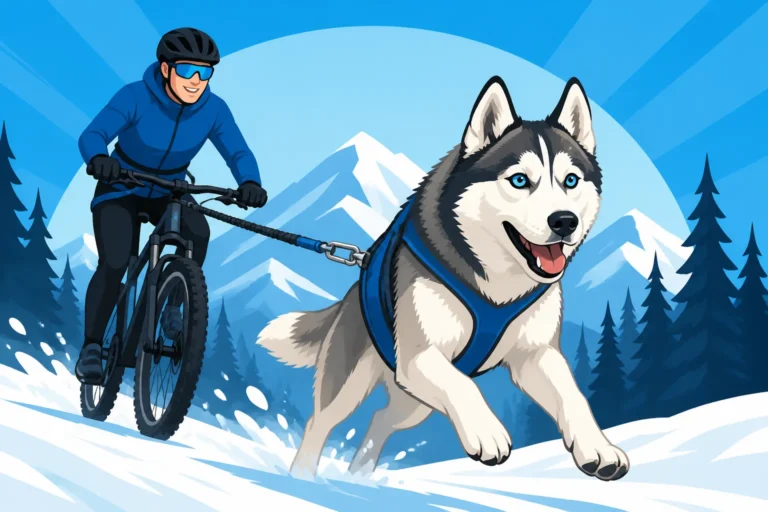
This is perhaps the most crucial piece of equipment for your Husky's comfort and safety. A regular walking harness or collar simply won't do for pulling. You need a specifically designed x-back harness or H-back harness that distributes the pulling force evenly across their chest and shoulders, without restricting their breathing or movement. These harnesses are made to allow for full range of motion while pulling, preventing chafing and injury. A well-fitted harness is paramount, as an ill-fitting one can cause discomfort, skin irritation, and even long-term musculoskeletal issues. It's often worth consulting with a local sled dog club or an experienced canicross/bikejor enthusiast for fitting advice.
You'll also need a gangline or towline to connect your Husky's harness to the scooter. This isn't just any leash; it's a specialized line, usually made of durable rope or webbing, that incorporates a bungee section. The bungee acts as a shock absorber, cushioning the jerks and pulls, making the experience smoother and safer for both you and your dog. It prevents sudden jolts from hurting your dog's back or neck and reduces the impact on your arms and shoulders. The line typically attaches to a bridle or attachment point on the front of your scooter, often via a quick-release mechanism for emergency situations. Remember, the goal is to allow your Husky to pull naturally and efficiently, and the right harness and line facilitate this perfectly. What a Siberian Husky Harness Costs can vary greatly, so research is key.
Other Safety Gear
Beyond the essentials, there are a few other items that are absolutely non-negotiable for safe scootering.
- Helmet: This is for you. Falls can happen, especially on uneven terrain or if your dog makes an unexpected turn. Protect your head!
- Gloves: Protect your hands from rope burn (if you're handling the line directly) and provide better grip on the handlebars.
- Eye Protection: For both of you, if possible. You might encounter low-hanging branches or kicked-up debris. Dog goggles (Doggles) are available for pups that tolerate them.
- Proper Footwear: You'll be kicking and potentially running alongside the scooter, so good athletic shoes with solid grip are a must.
- Water: Always carry plenty of fresh water for both you and your Husky, especially on longer runs. Even in cool weather, exercise causes dehydration.
- First-Aid Kit: A small human and canine first-aid kit can be a lifesaver for minor scrapes or paw pad injuries.
- Paw Protection: Depending on the terrain, consider Booties for Siberian Husky Paws. Sharp rocks, thorns, or even prolonged running on abrasive surfaces can cause damage to sensitive paw pads.
Training Your Siberian Husky for the Scooter
Siberian Huskies are intelligent and natural pullers, but you can't just hook them up to a scooter and expect them to know what to do. Structured training is essential for safety, enjoyment, and building a strong working relationship. This isn't about breaking their spirit; it's about channeling their innate drive in a productive way.
Introducing the Scooter and Harness
Before you even think about moving, your Husky needs to be completely comfortable with the equipment. Start by simply having the scooter around the house or yard. Let your dog sniff it, investigate it, and get used to its presence. You can offer treats near the scooter to create positive associations. The goal here is to make the scooter a normal, non-threatening object.
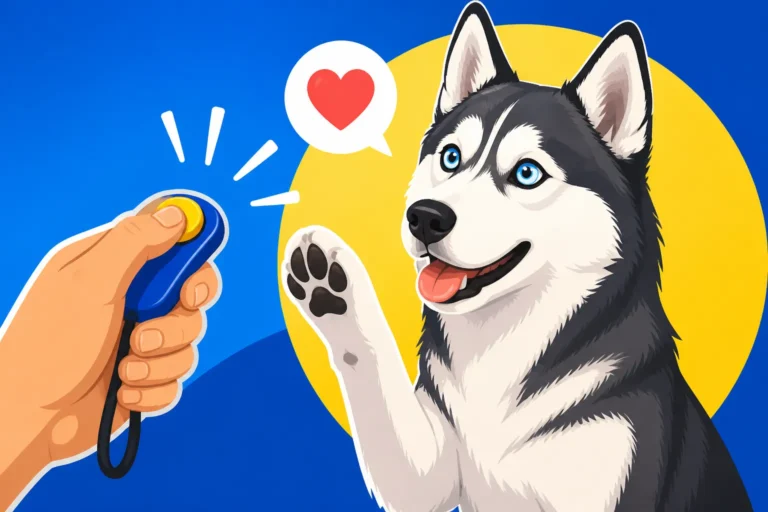
Next, introduce the harness. If your Husky isn't already used to a pulling harness, take your time. Put it on for short periods, distract them with treats or a game, then take it off. Gradually increase the duration until they're completely comfortable wearing it. Remember, this harness is different from a walking harness, so even if they're used to other types, treat this as a new experience. Using positive reinforcement methods, similar to the philosophy taught by BAXTER & Bella for puppies, is key here. Every step should be voluntary and associated with good things.
Once they're happy in the harness, attach the towline and let them drag it around for a bit (in a safe, contained area). This helps them get used to the feel of something behind them. Only once they are calm and comfortable with the harness and line can you think about attaching it to the stationary scooter. Again, keep it brief, offer praise and treats, and build up their tolerance slowly.
Basic Cues for Direction and Speed
Scootering requires your Husky to understand a few basic commands specific to harness work. These are often different from your everyday obedience cues and are critical for safe navigation.
- "Gee" (pronounced GEE): Go right.
- "Haw" (pronounced HAW): Go left.
- "Hike!" or "Let's Go!": Start pulling, move forward.
- "Whoa!": Stop.
- "On By!": Ignore distractions (other dogs, squirrels, people).
Start practicing these cues on foot, without the scooter, with your Husky in their pulling harness. Walk them on a long line and use treats and praise to reinforce the commands. For "Gee" and "Haw," physically guide them in the direction while giving the command. Make it a fun game. For "Whoa," practice coming to a complete stop. You might find resources like The Cues a Siberian Husky Needs in Harness helpful for building this foundation. It takes patience and repetition, but a Husky that understands these commands will be a much safer and more enjoyable scootering partner.
Once they have a grasp of these verbal cues on foot, you can slowly introduce them to the scooter. Start with very short, controlled sessions in a quiet area. You might even have a second person help, with one person on the scooter and another walking beside the dog, offering verbal cues and encouragement. Gradually increase the length and complexity of your runs as your Husky gains confidence and proficiency.
Safety First: Essential Tips for Fall Scootering
Scootering with a Siberian Husky is incredibly rewarding, but it’s an activity that demands a strong focus on safety. Ignoring potential risks can lead to serious injury for both you and your dog. As experienced owners, we know Huskies can be a handful, so planning ahead is paramount.
Choosing the Right Trails and Conditions
The trail you choose can make or break your scootering experience. Look for relatively flat, wide paths with good sightlines. Unpaved, packed dirt trails are often ideal, as they provide better grip than asphalt and are softer on your Husky's joints. Avoid overly rocky, steep, or technical trails, especially when you're just starting out. Sudden drops, sharp turns, or obstacles can be dangerous at speed. Remember, Whether a Blind Siberian Husky Can Still Run depends heavily on a controlled, familiar environment, but even a sighted Husky needs a clear path.
Weather conditions are equally important, even in fall. While we celebrate the cooler temperatures, be mindful of wet leaves after rain, which can be incredibly slippery for both scooter tires and paws. Frost on the ground can also create slick spots. Always check the weather forecast and inspect the trail conditions before you head out. High winds can also be a factor, making it harder to control the scooter. And of course, always inform someone of your planned route and expected return time, especially if you're venturing into more remote areas.
Prioritizing Your Husky's Health and Well-being
Your Siberian Husky is your partner in this sport, and their health must always come first. Before starting any new strenuous activity like scootering, a vet check-up is always a good idea to ensure they're in prime physical condition. Discuss their age, current fitness level, and any pre-existing conditions. For example, The Age a Siberian Husky Can Start in Harness is typically around 12-18 months, once their growth plates have closed, to avoid stressing developing joints.
During your runs, constantly monitor your Husky for signs of fatigue or discomfort. These can include excessive panting, lagging behind, reluctance to pull, limping, or any unusual behavior. Pay close attention to their paw pads. Even in fall, abrasive surfaces can cause wear and tear, and a quick check after each run for cuts, cracks, or embedded debris is essential. If you notice any issues, stop immediately and assess the situation. Always carry water and offer it frequently. Start with shorter distances and gradually increase the length and intensity as your Husky builds stamina. It's better to end a session wanting more than to push them too far.
Dealing with Distractions and Emergency Preparedness
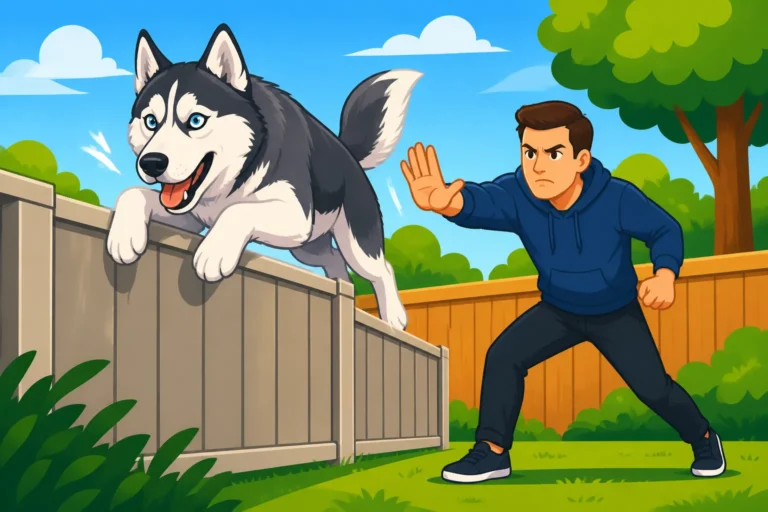
Siberian Huskies have a high prey drive and an independent nature, which means distractions are a constant challenge. Squirrels darting across the path, other dogs, or even interesting smells can cause your Husky to suddenly lunge or change direction. This is where those "On By!" and directional cues become critical. Consistent training, as discussed in Teaching a Siberian Husky to Come Back (though in this context, it's about holding a line), will help them focus on the task at hand. If you know your Husky is highly reactive, choose less busy trails and consider practicing in isolated areas first.
Even with the best training, emergencies can happen. Always have a plan. Know how to quickly detach your dog from the scooter if necessary (a quick-release mechanism on your towline is invaluable). Carry a charged cell phone for emergencies. Know basic canine first aid. If you're on public trails, be aware of other users—pedestrians, cyclists, other dogs—and practice good trail etiquette. Give plenty of warning when approaching and maintain control of your Husky. A confident, well-trained Husky and an alert, prepared owner make for the safest and most enjoyable scootering experience.
Here's a quick pre-ride checklist to help you stay organized:
| Item | Check | Notes |
|---|---|---|
| Scooter Condition | Tires inflated, brakes working, frame solid | Inspect for loose parts, ensure no squeaks |
| Harness Fit | Snug but not restrictive, no chafing points | Two fingers should fit under straps, full range of motion |
| Towline Integrity | No fraying, bungee functional, quick-release | Ensure secure connection to scooter and harness |
| Human Safety Gear | Helmet, gloves, appropriate footwear | Dress for weather, layers are good for fall |
| Hydration | Water for both human and Husky | Consider a collapsible bowl for your dog |
| First-Aid Kit | Basic supplies for scrapes, paw injuries | Include antiseptic wipes, paw balm, gauze |
| Identification | Dog tags, microchip, GPS tracker | GPS Collars Worth Buying for a Siberian Husky can offer peace of mind |
| Trail & Weather Check | Route clear, no extreme conditions | Be aware of mud, ice, or slippery leaves |
| Treats/Rewards | High-value motivators for positive reinforcement | Keep training fun and engaging |
Disclaimer
This article is for general informational purposes only and does not constitute professional advice. Laws, prices and regulations vary by location and change over time. Consult a qualified professional for guidance on your specific situation.