A Siberian Husky That Wrecks the Yard
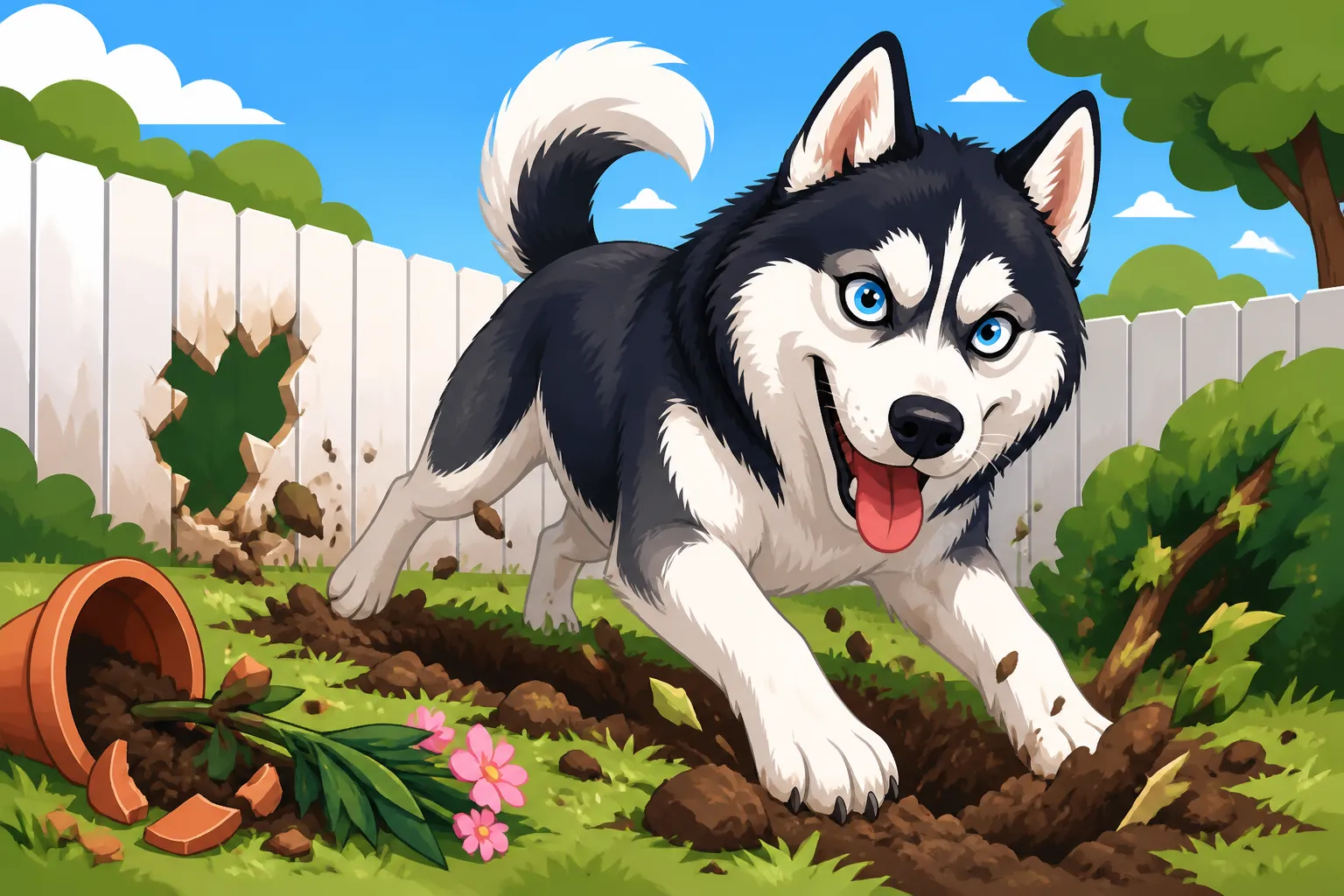
Oh, the sheer frustration of stepping outside, expecting a peaceful moment in your garden, only to find it resembling a lunar landscape or a construction site! If you're a Siberian Husky owner, you've likely stared at a crater where your prize-winning petunias once bloomed, or found a sprinkler head gnawed beyond recognition. It's not just "being a dog" for a Husky; their unique blend of intelligence, athleticism, and ancient instincts can turn a perfectly manicured yard into their personal excavation project or escape route. This guide is here to help you understand why your Siberian Husky might be wrecking the yard and, more importantly, what actionable steps you can take to reclaim your outdoor space and keep your furry friend safely and happily entertained.
Understanding the "Why" Behind Yard Destruction
Before we can even begin to address the how of stopping yard destruction, we have to talk about the why. Huskies aren't just being naughty; their behaviors are deeply rooted in their breed's history and natural instincts. Recognizing these motivations is the first step toward effective management and a more harmonious home life for both of you.
The Instinct to Dig and Escape
Let's face it, digging is practically a Husky's middle name. It's not just a casual pastime; it's an ingrained survival mechanism that dates back to their origins. They dug for shelter from harsh weather, to cache food, and to hunt small prey. In your backyard, this translates into a powerful urge to excavate. They might be trying to create a cool spot to lie down on a warm day, as their thick double coat, while great for cold, can make them overheat quickly. They might also be following interesting scents – a vole tunnel, a buried bone, or even just the lingering smell of a neighbor's cat that passed by yesterday.
However, the most concerning reason for digging is often escape. Huskies are master escape artists, and a fence is merely a suggestion in their eyes. If they can't climb it, they'll often try to go under it. That little soft spot in the dirt near the gate? To a Husky, it's a potential tunnel to adventure, a pathway to freedom and exploration. You might discover a newly dug trench along your fence line, or come home to find a pile of dirt beside a carefully crafted tunnel that leads right out of your yard. It’s incredibly stressful to constantly be on high alert for new escape routes. Stopping a Siberian Husky Digging Along the Fence is a constant battle for many of us, but understanding this instinct is key to devising better preventative measures.
Boredom and Lack of Stimulation
Siberian Huskies are incredibly intelligent dogs, and they were bred for a job that required both physical exertion and mental engagement. Leaving a Husky alone in a yard with nothing to do is like giving a toddler a crayon and a blank wall – something will happen, and it probably won't be what you wanted. When a Husky is bored, they will find their own entertainment, and often, that entertainment involves rearranging your landscape. This can manifest as shredded garden hoses, chewed-up lawn furniture, or meticulously deconstructed potted plants.
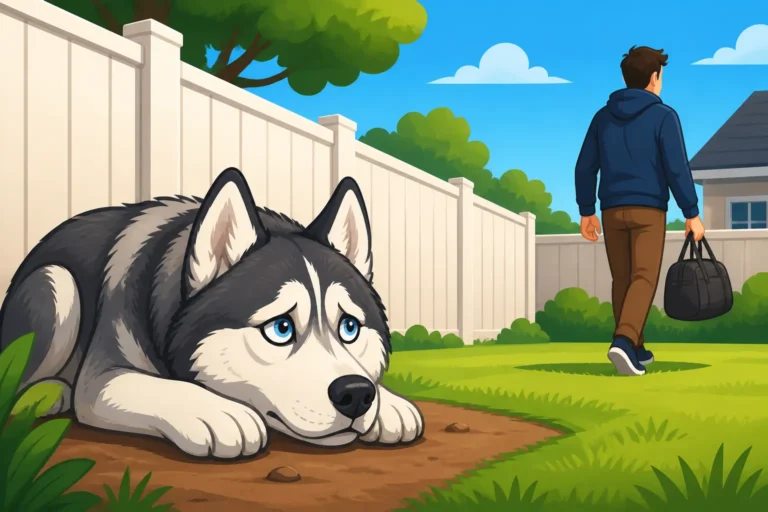
They might spend hours fixated on a particular bush, meticulously pulling leaves and branches off, or decide that the irrigation system's exposed pipes are a fantastic new chew toy. This isn't malice; it's simply a profound need for mental and physical activity that isn't being met. If their minds aren't stimulated and their bodies aren't tired, they will channel that boundless energy into whatever is available. A neglected yard becomes their personal playground for destructive problem-solving. This kind of destructive behavior, especially when you're not around, is a classic sign that your Husky needs more to do. Siberian Husky Destruction When Left Alone can be heartbreaking, but it's a cry for more engagement.
Prey Drive and Scent Following
Another significant driver of yard destruction in a Siberian Husky is their inherent prey drive. They were bred to hunt and track small animals in vast, open landscapes. Your yard, with its resident squirrels, rabbits, voles, and even interesting insect trails, is a rich tapestry of scents and potential "prey." When a Husky catches a scent, particularly one that leads into the ground, their hunting instincts kick in, and they will dig with intense focus to get to the source.
You might notice distinct, small craters appearing randomly across your lawn, often in areas where you've seen squirrels burying nuts or rabbits darting into bushes. These aren't necessarily escape attempts, but rather highly motivated hunting expeditions. Even if they never catch anything, the act of digging itself is a rewarding behavior for them, fulfilling a primal urge. This focused, almost obsessive digging can quickly decimate flowerbeds, leave unsightly holes in your lawn, and undermine the roots of small trees. It’s important to distinguish this from escape digging, as the solutions might differ slightly, but both require vigilance and redirection.
Preventative Measures for a Husky-Proof Yard
Now that we understand some of the core reasons why your Husky is turning your yard into a construction zone, let's talk about building a better defense. It's about proactive solutions, not just reactive clean-up.
Fortifying Your Fence Line
Your fence is your first and often most critical line of defense. A standard four-foot fence is, unfortunately, often just a jumping challenge for a determined Siberian Husky. Most experts will tell you that a minimum of a six-foot fence is essential, and even then, some agile Huskies can find a way over. But height isn't the only factor. The biggest issue for diggers is what's under the fence. To truly "Husky-proof" your perimeter, you need to think beyond vertical barriers.
This means installing an L-footer or burying wire mesh along the bottom of your fence line. An L-footer involves attaching a section of fencing material (like galvanized wire mesh) perpendicular to the bottom of your existing fence, extending it inward into your yard, and then burying it a few inches deep. This creates an underground "L" shape that prevents your Husky from digging directly down next to the fence. Some dedicated owners even pour a shallow concrete footer along the entire fence line, embedding the bottom of the fence into it. For the climbers, you might consider "coyote rollers" along the top edge – rotating bars that prevent them from getting a grip to pull themselves over. It’s an investment, but it’s often cheaper than replacing lost Huskies or repairing continuous damage. The Six-Foot Fence a Siberian Husky Needs is a starting point, but Burying Fence Wire Against a Digging Siberian Husky is where the real work begins.
Creating Designated Digging Zones
Since digging is such a powerful, natural instinct for Huskies, why not give them an approved outlet for it? Creating a designated digging zone can be a game-changer. This could be a large sandbox, a small kiddie pool filled with sand, or even a section of your yard that you don't mind getting messy. The trick is to make it the most interesting place to dig.
Start by burying toys, treats, and favorite chew items in the designated area. Encourage your Husky to "find it" there, praising them enthusiastically when they dig in the right spot. When you catch them digging elsewhere, gently redirect them to their digging pit. Consistency is key here. It takes time and patience, but over time, many Huskies learn to focus their excavation efforts in the approved area. Make sure this spot is away from your valuable plants and fence lines, giving them a clear boundary of where it's okay to get dirty. Replenish the buried treasures regularly to keep the excitement alive.
Protecting Vulnerable Areas
Beyond securing the perimeter and offering a digging spot, you'll want to protect specific areas of your yard that are particularly vulnerable to Husky-led destruction. This means thinking about your garden beds, young trees, and irrigation lines. For garden beds, consider raised beds or sturdy, decorative fencing (chicken wire works, but isn't always pretty) around areas you want to keep pristine. Small, new plants are particularly susceptible, so give them a chance to establish themselves behind barriers.
Exposed irrigation lines are like an open invitation for a bored Husky to chew. Bury lines deeper or cover them with concrete or heavy rocks in areas where your Husky has access. For plants that are constantly being chewed or dug up, you can try applying bitter-tasting sprays. While not foolproof, some dogs are deterred by the unpleasant taste. Brands readily available on Amazon often carry these types of sprays. Remember, these are temporary deterrents and should be used in conjunction with addressing the root cause of the behavior. Consider strategically placing large, heavy rocks around the base of young trees to make digging directly at the roots more difficult.
Managing a Husky's Energy to Save Your Landscape
A tired Husky is a good Husky, and a mentally stimulated Husky is an even better Husky. Managing their immense energy levels is perhaps the most effective way to prevent yard destruction. It's not about punishing them for being themselves, but about channeling their natural drive into appropriate and healthy activities.
The Importance of Consistent Exercise
Let's be brutally honest: a leisurely walk around the block twice a day isn't enough for most Siberian Huskies. These dogs were bred to run for miles, pulling sleds through snow. They have an incredible need for high-intensity physical activity. Without a proper outlet, that pent-up energy will manifest itself in destructive ways, and your yard will bear the brunt of it. This isn't just about going outside; it's about working their bodies.
Daily, vigorous exercise is non-negotiable. This could mean long runs with you (canicross, if you're into it!), bikejoring (where they pull you on a bike), or even just extended, fast-paced games of fetch in a secure area. If you're a runner, a Husky can be an excellent running partner, but always be mindful of the temperature. Running a Siberian Husky in Summer Heat requires careful planning to avoid heatstroke. The goal is to get them truly tired, not just winded for a moment. A Husky who has had a good, solid run or work session is far more likely to nap peacefully in the yard or indoors than to invent new ways to re-landscape your flowerbeds. This isn't just a suggestion; it's a fundamental requirement for their well-being and your yard's survival. How Much Exercise a Siberian Husky Really Needs is often more than new owners realize.
Mental Stimulation and Enrichment
While physical exercise tires the body, mental stimulation tires the mind, which is just as important for intelligent breeds like Huskies. A Husky whose brain isn't engaged will quickly become bored, and boredom, as we've discussed, is the enemy of a pristine yard. Integrate puzzle toys, snuffle mats, and interactive feeders into their daily routine. These make them "work" for their food or treats, engaging their problem-solving skills.
Beyond physical objects, incorporate regular training sessions. Even short, 10-15 minute bursts of obedience training, trick training, or nose work can be incredibly enriching. Hide treats around the yard and let them sniff them out – this taps into their natural scenting abilities and gives them a "job." Think about signing up for online dog training programs like those offered by BAXTER & Bella. They often provide structured lessons and ideas for engaging your dog's mind, making learning fun for both of you. The mental effort required to solve puzzles or follow commands is often as exhausting as a long run, and it provides a positive outlet for their intelligence. Puzzle Feeders a Siberian Husky Cannot Beat are a great place to start.
Limiting Unsupervised Outdoor Time
This might sound obvious, but it's often overlooked. While it's tempting to simply let your Husky "out" into the yard to burn off energy, prolonged, unsupervised time can often lead to destruction. When they are out alone, with no human interaction or directed activity, they are more likely to revert to self-entertaining behaviors like digging, chewing, or plotting their next escape.
Instead, think of yard time as supervised play and exercise. Go out with them, throw a ball, work on recall, or simply observe them and redirect any undesirable behaviors immediately. If you need to leave them alone for an extended period, especially if you're leaving the house, it's often safer and more constructive to crate them indoors (assuming they are properly crate-trained) or confine them to a secure, "Husky-proofed" area inside. This prevents them from practicing destructive behaviors and reinforces good habits. Hours a Siberian Husky Copes With Alone directly impacts how they behave when left unattended.
Training and Redirection Strategies
Even with the best preventative measures and exercise routines, Huskies will still test boundaries. That's where consistent training and effective redirection come into play. It’s not about harsh punishment, which is rarely effective with independent Huskies, but about teaching them what is acceptable and redirecting their natural instincts toward appropriate outlets.
Positive Reinforcement for Desired Behavior
Huskies respond best to positive reinforcement. This means rewarding the behaviors you want to see, rather than punishing the ones you don't. When your Husky is calmly chewing on an appropriate toy in the yard, praise them and offer a small treat. If they choose to dig in their designated digging pit, make a huge fuss! The key is to catch them being good and reinforce that behavior consistently.
Teach and practice commands like "leave it" and "drop it" indoors first, then gradually introduce them to outdoor situations. If you see them eyeing a forbidden plant, calmly say "leave it" and immediately redirect them to an appropriate toy or their digging pit, rewarding them for choosing the right option. Clicker Training a Siberian Husky can be incredibly effective, as the clicker provides a precise marker for exactly when they did something right, followed by a high-value reward. This builds a strong association between the desired action and a positive outcome, which is far more powerful than scolding.
Interrupting and Redirecting
When you catch your Husky in the act of wrecking the yard, the goal is to interrupt the behavior calmly and immediately redirect them to something appropriate. Avoid yelling or chasing, as this can either escalate the behavior (they might think it's a game!) or make them wary of you. A sharp, unexpected sound (like a clap) can often break their focus without being overly scary.
Once their attention is on you, immediately offer an appropriate alternative. "Hey, look what I have here!" as you present a favorite toy or lead them to their digging pit where you've just buried a treat. This teaches them that engaging with approved items leads to good things. For example, if they're chewing on the fence, a quick clap, then tossing their favorite chew toy a few feet away, followed by praise when they engage with the toy. The key is never to punish them for doing what comes naturally, but to teach them where and how to express those natural instincts appropriately.
Consulting a Professional Trainer
Sometimes, despite your best efforts, you might feel like you're fighting an uphill battle. If yard destruction is persistent, escalating, or accompanied by other challenging behaviors, it might be time to bring in a professional. A certified professional dog trainer or behaviorist who has experience with independent, high-drive breeds like Siberian Huskies can offer invaluable insights and create a customized training plan.
They can help identify the precise triggers for your Husky's behavior, refine your communication, and teach you advanced techniques for managing their energy and instincts. They can also help address any underlying issues that might be contributing to the destruction, such as separation anxiety. Don't view seeking professional help as a failure; view it as an investment in your Husky's well-being and your peace of mind. A good trainer will empower you with the tools and understanding to effectively manage your dog. Finding a Trainer Who Has Worked With Huskies is crucial, as their unique temperament requires specific approaches.
Common Yard Destruction Behaviors and Solutions
Let's summarize some common yard-wrecking scenarios and the strategies to combat them.
| Behavior / Issue | Root Cause | Effective Solutions |
|---|---|---|
| Digging Holes in Lawn/Garden | Instinct to dig, hunt, escape, boredom, heat relief | Fortify fences with L-footers or buried wire. Create a designated digging pit (sandbox, dirt pile) and bury toys/treats there to encourage use. Increase mental and physical exercise. Redirect digging from forbidden areas to the designated spot with positive reinforcement. Install barriers around prized plants. |
| Chewing on Hoses, Sprinklers, Furniture | Boredom, lack of appropriate chew toys, teething (puppies) | Provide plenty of appropriate, durable chew toys (rotate them to keep interest high). Ensure adequate daily exercise and mental stimulation (puzzle toys, training). Limit unsupervised access to vulnerable items. Use bitter apple spray on tempting objects. |
| Uprooting Plants/Shrubs | Curiosity, digging instinct, attention-seeking, prey drive | Barriers (fencing, large rocks) around vulnerable plants. Designated digging area. Increase supervised playtime and training sessions. Ensure sufficient exercise to reduce excess energy. Redirect with "leave it" command and offer suitable alternatives. |
| Escaping Under/Over Fences | Roaming instinct, high prey drive, boredom, lack of containment | Install a minimum six-foot fence. Bury L-footers or concrete along the fence line to prevent digging out. Add coyote rollers to the top of fences for climbers. Never leave a Husky unsupervised for long periods. Practice recall extensively in secure areas (though never trust a Husky off-leash in an unfenced space). Check for weak points in fencing regularly. |
Remember, managing a Siberian Husky's yard-wrecking tendencies is an ongoing process, not a one-time fix. It requires patience, consistency, and a deep understanding of their unique nature. By addressing their instincts, providing ample outlets for their energy, and setting clear boundaries, you can cultivate a happier Husky and a more beautiful backyard.
Disclaimer
This article is for general informational purposes only and does not constitute professional advice. Laws, prices and regulations vary by location and change over time. Consult a qualified professional for guidance on your specific situation.