House Training a Siberian Husky Puppy
Bringing a Siberian Husky puppy home is an exciting time, but if you're like many new owners, you're probably already bracing yourself for the legendary house training journey. It's no secret that these intelligent, independent, and sometimes delightfully stubborn dogs can present a unique set of challenges when it comes to teaching them where to do their business. This comprehensive guide will walk you through effective strategies, practical tips, and common pitfalls to help you successfully house train your Siberian Husky puppy, turning potential frustrations into celebrated successes.
Understanding the Siberian Husky Puppy's Nature for House Training
Before we dive into the nuts and bolts of house training, it’s really helpful to understand the unique personality and instincts of a Siberian Husky puppy. They aren't your typical "eager to please" breed, and approaching their training with a cookie-cutter method might leave both of you feeling frustrated. Recognizing their inherent traits will help you tailor your approach and set realistic expectations.
Why Huskies Can Be Challenging to House Train
One of the biggest hurdles many Husky owners face is their dog's renowned independence. While incredibly intelligent, Siberian Huskies were bred to make decisions for themselves, often miles ahead of their musher, in harsh Arctic conditions. This isn't a breed that lives to please you; they're more about what's in it for them. This independent streak can translate into a "why should I bother?" attitude when it comes to consistently going potty outside, especially if the weather isn't to their liking or there are more interesting things to sniff. They might know what you want, but whether they do it is another matter entirely.
Beyond their independence, Husky puppies are bundles of boundless energy and curiosity. This means they are easily distracted. You might take your puppy outside, thinking they need to relieve themselves, only for them to spend ten minutes investigating a leaf, chasing a butterfly, or trying to dig up a buried treasure. Their focus can be scattered, making it hard for them to settle down and perform their "business" efficiently. This can lead to them holding it, only to have an accident the moment you bring them back inside, where the distractions are fewer and they suddenly remember their urge.
What about denning instincts? Many breeds, especially those more closely related to wolves, naturally prefer to keep their "den" (your home) clean. While Huskies do have some of this instinct, their ancestors also lived in vast, open, snowy environments where marking territory was just part of their routine, and hygiene might not have been a top priority in the same way it is for a cave-dwelling dog. They're not inherently messy, but they might not have the same ingrained aversion to soiling their immediate living space as some other breeds do, especially if they haven't learned otherwise.
The Importance of a Consistent Routine
Given their independent nature and propensity for distraction, consistency in house training a Siberian Husky puppy isn't just helpful; it's absolutely crucial. A predictable routine acts as an external guide for your puppy, helping them understand what's expected and when. Without it, you're leaving too much up to their own impulsive decisions, which rarely align with your pristine floor ambitions.
Establishing a solid routine from day one helps your puppy build good habits before bad ones can take root. Puppies thrive on predictability; it reduces anxiety and helps them learn faster. If they know that every time they wake up, after every meal, and before every nap or bedtime, they go outside, it starts to become second nature. This repetition creates strong associations in their developing minds. They begin to anticipate the trip outside and connect the feeling of needing to go with the action of being taken to their designated potty spot.
Preventing accidents before they happen is the cornerstone of successful house training, especially with a breed like the Husky. Every accident is a setback because it reinforces the idea that going potty indoors is an option. A consistent schedule means you're taking your puppy out before they have a chance to have an accident, essentially setting them up for success every single time. It's about being proactive, not reactive. This vigilance, while demanding in the beginning, pays off immensely by instilling the right habits from the start.
Setting Up Your Home for House Training Success
Before your Siberian Husky puppy even sets paw in your home, it's vital to prepare your environment for house training. A well-prepared space can significantly reduce accidents, establish boundaries, and make the learning process smoother for both you and your new furry family member. Think of it as creating a "potty school" in your own home.
Crate Training as a Foundation
Crate training is, without a doubt, one of the most powerful tools in house training a Siberian Husky puppy. While it might seem like putting a dog in a cage, a properly introduced crate becomes your puppy's safe, personal den, and it leverages their natural reluctance to soil their sleeping area. For an independent breed like the Husky, who might push boundaries, the crate provides clear, non-negotiable structure. When choosing a crate, remember that Huskies are masters of escape. Look for sturdy wire or heavy-duty plastic options. You can find excellent, escape-proof crates on platforms like Amazon, ensuring your Husky doesn't become a master Houdini. Consider starting with a crate that has a divider, so you can adjust the size as your puppy grows, ensuring it's just big enough for them to stand up, turn around, and lie down comfortably, but not so big that they can use one end as a bathroom. Choosing a Crate a Siberian Husky Cannot Bend might be a helpful read.
Introducing the crate positively is key. Never use it as a punishment. Fill it with soft bedding, a favorite toy, and offer high-value treats inside. Encourage your puppy to go in voluntarily, using a happy tone of voice. Feed meals inside the crate, leave the door open, and gradually increase the time they spend in it, always making it a positive experience. A well-adjusted Husky puppy will eventually view their crate as a sanctuary, a place to rest and feel secure. This positive association is crucial, especially when you need them to be in the crate for longer periods, like overnight or when you're away for a short while. Remember, the goal is not to confine them indefinitely, but to teach them bladder control and provide a safe space.
The duration a puppy can stay in a crate depends heavily on their age. A general rule of thumb is one hour per month of age, plus one. So, a two-month-old puppy might comfortably hold it for three hours. However, every puppy is different, and Huskies with their energetic metabolisms might need more frequent breaks. Always take your puppy out immediately after waking from a crate nap. The crate teaches them to "hold it" and reinforces the habit of relieving themselves outside. It's a fundamental step in building reliable house training.
Designated Potty Spots and Supervision
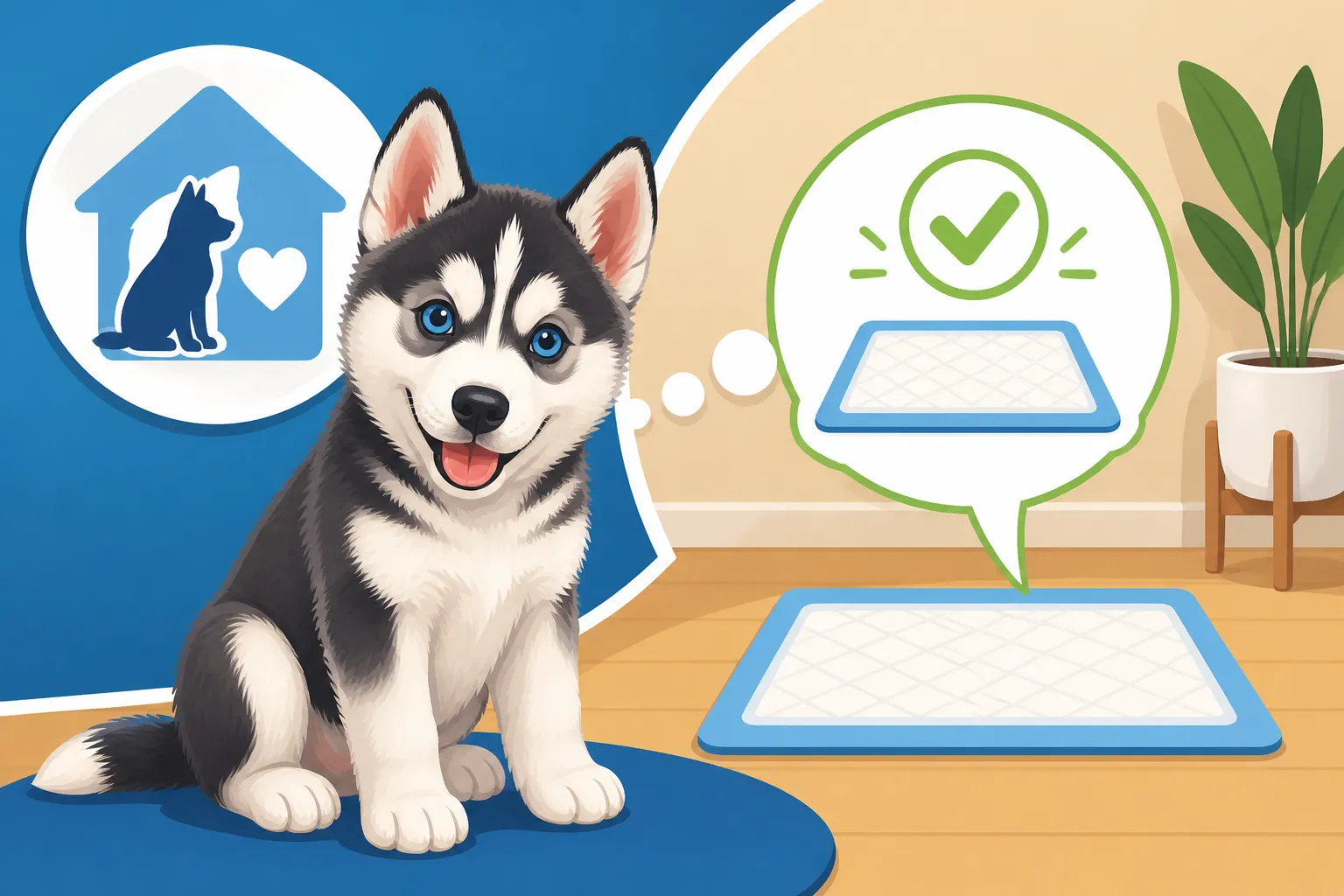
Consistency extends beyond scheduling; it also applies to where your puppy goes. Designate a specific outdoor potty spot, ideally somewhere quiet and easy to clean. Taking your Husky puppy to the same spot every time helps them associate that area with relieving themselves. The scent cues left behind from previous visits will encourage them to go there again. Always take them out on a leash, even in a fenced yard, to keep them focused on the task at hand rather than wandering off to explore. This prevents them from getting distracted and then having an accident back inside.
Constant supervision indoors is non-negotiable, especially in the early stages. Think of yourself as your puppy's shadow. If you can't actively watch your Husky puppy, they should be in their crate or in a puppy-proofed, confined area (like an exercise pen) with a washable floor. This prevents them from sneaking off to a hidden corner to relieve themselves. An umbilical cord method, where your puppy is attached to you by a leash, is incredibly effective. It makes you instantly aware of any sniffing, circling, or squatting, allowing you to quickly scoop them up and rush them outside.
When you do take your puppy out, go straight to the designated potty spot. Use a consistent phrase like "Go potty!" or "Do your business!" As soon as they start to go, offer quiet praise. The instant they finish, celebrate with enthusiasm, a high-value treat, and perhaps a quick play session. This immediate reward creates a powerful positive association between going in the right spot and receiving something wonderful from you. If you allow too much playtime before they've done their business, your clever Husky might learn to delay going potty to prolong their outdoor playtime.
The Step-by-Step House Training Process
Now that your home is set up and you understand your Husky's unique nature, let's get into the actionable steps for successful house training. This isn't a race; it's a marathon of patience, consistency, and positive reinforcement.
Establishing a Predictable Schedule
The cornerstone of house training, particularly for a Siberian Husky, is a rigid and predictable schedule. This means taking your puppy out at specific, regular intervals, regardless of whether you think they need to go. A general rule for young puppies is to take them out:
- Immediately upon waking up in the morning.
- After every nap.
- Within 5-10 minutes after eating or drinking.
- After any period of play or excitement.
- Before bedtime.
- Additionally, every 1-2 hours during the day, especially for very young puppies (8-12 weeks).
As your puppy grows, their bladder control will improve, and you can gradually extend the time between trips. However, always err on the side of caution. For a breed with a higher energy level, even short play sessions can stimulate their need to go. Remember, the goal is to prevent accidents by giving them ample opportunity to succeed outside. The Bills Before a Siberian Husky Comes Home might also discuss initial setup, including potential costs for puppy supplies that aid in house training, such as crates and enzymatic cleaners.
Here's a sample daily schedule to get you started:
| Time | Activity | Notes |
|---|---|---|
| 7:00 AM | Wake up, straight outside | Potty, praise, treat. |
| 7:15 AM | Breakfast | Keep supervised playtime short after. |
| 7:30 AM | Outside again | Potty, praise, treat. |
| 7:45 AM – 8:30 AM | Playtime/Training | Active engagement, mental stimulation. |
| 8:30 AM | Outside, then Crate Nap | Potty, praise, treat. Crate with water & chew toy. |
| 10:30 AM | Wake up, straight outside | Potty, praise, treat. |
| 10:45 AM – 12:30 PM | Playtime/Supervised Free Time | Watch for sniffing, circling. |
| 12:30 PM | Outside, then Lunch | Potty, praise, treat. |
| 12:45 PM | Outside again | Potty, praise, treat. |
| 1:00 PM – 3:00 PM | Crate Nap | Potty, praise, treat. |
| 3:00 PM | Wake up, straight outside | Potty, praise, treat. |
| 3:15 PM – 5:00 PM | Playtime/Training | Active engagement, puzzle feeders for mental work. |
| 5:00 PM | Outside, then Dinner | Potty, praise, treat. |
| 5:15 PM | Outside again | Potty, praise, treat. |
| 5:30 PM – 8:30 PM | Supervised Playtime | Frequent short trips outside every 30-60 mins. |
| 8:30 PM | Final Potty Trip | Very last trip, praise, treat. |
| 8:45 PM | Crate for Night | Potty, praise, treat. May need a middle-of-night trip. |
This schedule is just an example and will need to be adjusted for your specific puppy's needs, your work schedule, and their age.
Positive Reinforcement and Communication
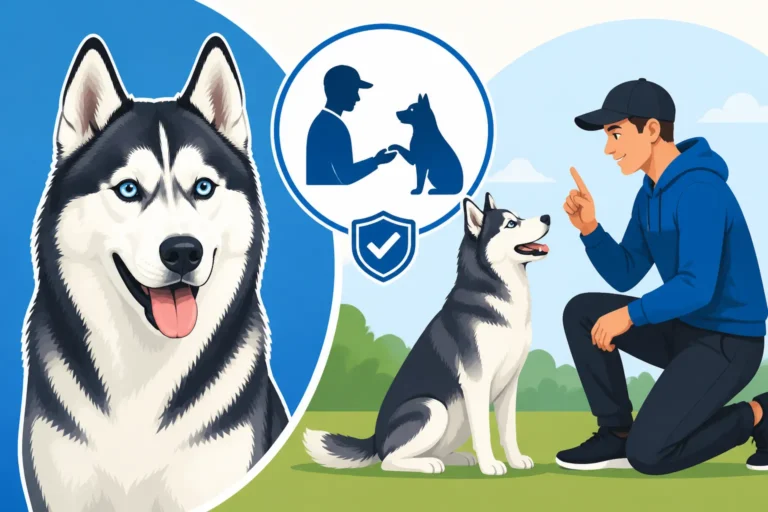
When your Siberian Husky puppy does their business in the designated outdoor spot, the key is to make it the most exciting thing that has ever happened! As soon as they squat or lift a leg, offer soft, enthusiastic praise ("Good potty! Yes!"). The instant they are finished, shower them with more effusive praise, happy voices, and a high-value treat. Something truly delicious, like small pieces of cooked chicken or cheese, works wonders for a Husky's motivation. This immediate reward is critical for them to connect the action (pottying outside) with the positive outcome (treats and praise). This is where your Husky's "what's in it for me?" attitude actually works for you. Food Rewards a Siberian Husky Will Work For delves into finding those high-value motivators.
Using a consistent potty cue helps too. While they are going, quietly repeat your chosen phrase, like "Go potty." Over time, they will associate the phrase with the act, and you can eventually use it to prompt them when you take them outside. This clear communication helps them understand your expectations, even for an independent breed. Just remember, the praise and reward come after they perform the action, not before.
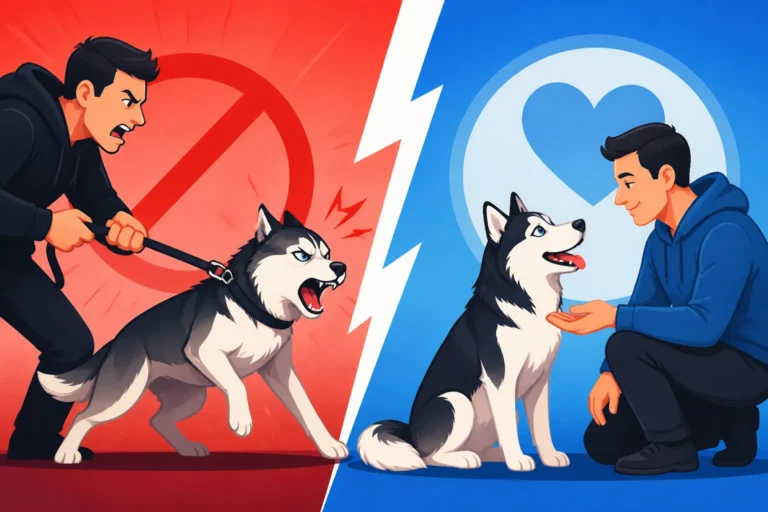
What about punishment for accidents? Absolutely not. Punishment, especially for a Husky, can be counterproductive. If you scold them for an accident, they don't necessarily understand that they shouldn't have gone inside; they learn that going potty in front of you is bad. This can lead to sneaky accidents in hidden spots or, worse, holding it in your presence, creating more severe problems. If you catch your puppy in the act, a quick, sharp "No!" or clap can interrupt them. Immediately pick them up (without scolding) and rush them outside to their designated spot. If they finish outside, then, and only then, offer praise and a treat. If they don't finish, that's okay, just bring them back in and try again in 15-20 minutes.
Dealing with Accidents and Setbacks
Let's be realistic: accidents are going to happen. You're raising a puppy, and perfect house training from day one is a myth. The important thing is how you handle them. If you discover an accident after the fact, simply clean it up thoroughly without scolding your puppy. Use an enzymatic cleaner specifically designed to neutralize pet odors. Regular household cleaners might remove the stain for you, but they often leave behind microscopic scent markers that only your Husky can detect, encouraging them to return to the same spot. Brands like Rocco & Roxie or Nature's Miracle are popular choices for tackling pet messes effectively.
Understanding that setbacks are part of the process is crucial for your sanity. Sometimes, a previously reliable puppy might have an accident. This could be due to a change in routine, an illness, or simply a lapse in your supervision. If accidents become more frequent, take a step back and revisit the basics: more frequent trips outside, stricter supervision, and more crate time if necessary. It’s like starting over with a slightly older, wiser puppy. Never assume your Husky is "fully" house trained until they have been accident-free for several months, and even then, remember that stress or changes in environment can sometimes cause regressions.
Remember that Raising a Siberian Husky Puppy Through the First Year covers many aspects of their development, and house training is a continuous learning curve throughout this period. Be patient, be consistent, and most importantly, be kind. Your puppy isn't having accidents to spite you; they're learning a complex new behavior.
Common House Training Hurdles with Siberian Huskies
Siberian Huskies, for all their charm, can throw some curveballs during house training. Their unique personality traits, while endearing, can sometimes make the process feel like you're trying to herd cats. Let's tackle some of these specific challenges.
The "I Don't Want To" Husky Attitude
Ah, the classic Husky stubborn streak! You take your puppy outside, you stand there, you wait, you encourage, and they just… sit. Or sniff. Or stare off into the distance as if contemplating the mysteries of the universe. They know perfectly well why they're out there, but sometimes, they simply don't feel like performing on command. This isn't usually defiance; it's just their independence shining through. They might find the cool grass more interesting to roll on, or the passing breeze more exciting to chase than relieving themselves.
Motivating a smart but sometimes indifferent Husky requires making potty time genuinely exciting and rewarding. Bland kibble as a treat might not cut it. You might need to pull out the big guns – bits of cheese, cooked meat, or even special training treats that they only get for going potty outside. Use a happy, high-pitched voice to praise them the instant they start going. Don't wait until they're finished; that immediate positive marker is what builds the association. If they don't go within a few minutes, bring them back inside, put them in their crate for 10-15 minutes, and then try again. This cycle teaches them that outdoor time is for business, not just prolonged sniffing adventures. Sometimes a little bit of playful encouragement, like a quick game of tug or a short chase after they've relieved themselves, can also make the whole experience more appealing. For more tips on engagement, you might find Keeping a Siberian Husky Interested in Training useful.
Managing Energy and Distraction Outdoors
Siberian Huskies have an incredible prey drive and are incredibly attuned to their surroundings. A rustling leaf, a distant bird, the scent of a squirrel – any of these can instantly grab their attention and make them forget why they're outside. This high distractibility can make what should be a quick potty break turn into a long, frustrating standoff, only for them to have an accident the moment they re-enter the quiet indoors. Their high energy means they're constantly on the go, making it hard for them to settle and focus.
When taking your Husky puppy out for a potty break, keep it strictly business initially. Go directly to your designated spot, say your potty cue, and wait patiently. Resist the urge to let them play or wander too much until they have done their business. If they start to get distracted, gently guide them back to the spot, perhaps with a slight tug on the leash, and repeat your cue. Once they have gone, then you can reward them with a quick play session or a short walk as a bonus. This helps them understand the sequence: business first, then fun.
Sometimes, especially with very energetic puppies, a short burst of play before the potty trip might actually help them focus. Burning off a tiny bit of that puppy energy could make them calm enough to concentrate on their bodily functions. However, watch for the signs that they need to go immediately after play. Harnesses and leashes designed for strong, pulling breeds can also help you manage them outdoors. Many reputable pet supply companies, including those found on Amazon, offer durable gear suitable for Huskies. Products from brands like BAXTER & Bella, known for their online training programs, often emphasize positive reinforcement tools that can be valuable for managing a distractible puppy. Remember, every trip outside is a training opportunity, and managing those distractions is part of the lesson. Parasite Prevention for an Outdoor Siberian Husky is also important for dogs spending a lot of time outside.
Disclaimer
This article is for general informational purposes only and does not constitute professional advice. Laws, prices and regulations vary by location and change over time. Consult a qualified professional for guidance on your specific situation.