Whether Neutering Settles a Siberian Husky
It's a common hope among new Siberian Husky owners that getting their furry escape artist "fixed" will magically transform them into a calm, couch-potato companion. The reality, however, is often far more nuanced and, frankly, a bit disappointing if you're expecting a complete personality overhaul. This guide will delve into the true effects of neutering or spaying on a Siberian Husky's behavior, separating fact from wishful thinking.
Understanding the Siberian Husky Temperament First
Before we even talk about altering hormones, it's crucial to understand the fundamental nature of the Siberian Husky. These aren't your typical biddable, eager-to-please breeds; they are a unique package of history, instinct, and a whole lot of independent spirit.
The Core of Husky Energy and Drive
Siberian Huskies were bred by the Chukchi people in harsh, unforgiving environments to pull light loads over vast distances with incredible endurance. This isn't just a fun historical fact; it's the blueprint for their entire being. Their energy levels are off the charts, designed for miles upon miles of running. They have a strong instinct to roam, explore, and investigate, which often translates into an urge to escape even the most secure yard. Their intelligence is high, but it's an independent problem-solving intelligence, not one geared towards pleasing a human at all costs. They think for themselves, which is often mistaken for stubbornness.
Many of the behaviors owners hope to "settle" – like pulling on the leash, chewing everything in sight, or howling at the moon – are deeply ingrained breed characteristics. They're a consequence of unmet physical and mental needs, not primarily driven by the presence of sex hormones. A Husky that isn't exercised enough, both physically and mentally, is a Husky that will invent its own "job," and that often involves redesigning your backyard or trying to explore the neighborhood. To truly appreciate this breed, you need to understand Siberian Husky Temperament and What the Standard Says.
"Settling" Expectations vs. Reality
Let's be brutally honest: if you're expecting neutering to turn your high-drive, independent Husky into a docile, laid-back dog, you're likely to be disappointed. Behaviors like digging under fences, scaling six-foot barriers, or escaping through an open door are rarely, if ever, directly tied to reproductive hormones. These are manifestations of their profound drive to run, explore, and fulfill their genetic programming. The notorious "Siberian Husky scream" and their penchant for "talking back" through howls and yips are vocalizations that have little to do with whether they can reproduce.
Many owners mistake a Husky's intense need for mental and physical stimulation, or their strong prey drive, for simply being "unsettled." A Husky needs a job, even if that job is just daily runs, extensive play sessions, and challenging puzzle toys. If those needs aren't met, they will absolutely create chaos, and no amount of hormonal alteration will change that core need for engagement. It's a fundamental aspect of owning one of these incredible dogs, something every owner quickly learns.
The Hormonal Impact of Neutering on Male Siberian Huskies
When we talk about neutering a male dog, we're primarily discussing the removal of testosterone, and this hormone does play a role in certain behaviors. However, it's not the magic bullet many hope for.
Changes Directly Linked to Testosterone
For male Siberian Huskies, neutering can have a noticeable impact on behaviors that are directly fueled by testosterone. This includes a reduction in male-on-male aggression, particularly if the aggression is related to competition over females or dominance displays with other intact males. You might see less territory marking through urination, especially if your Husky is prone to marking every tree, bush, and tire on a walk. The intense, often frantic, drive to roam and escape specifically to find a female in heat will likely diminish significantly.
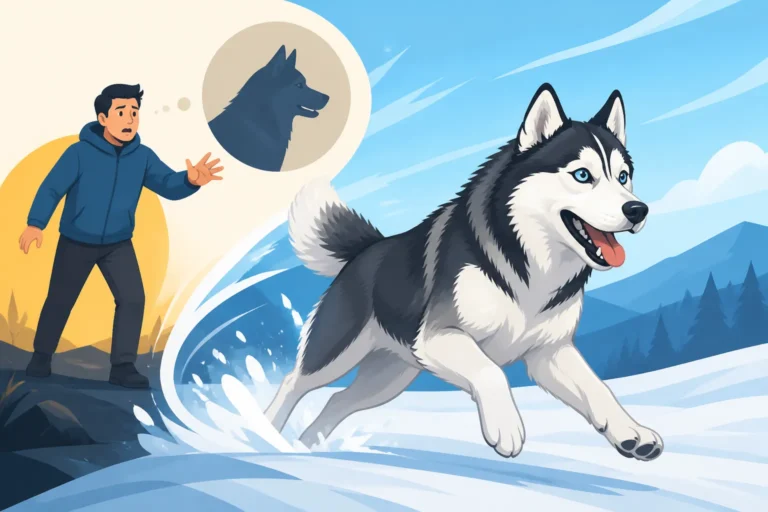
It's important to stress the word "reduction" here, not "elimination." A Husky that has learned to be aggressive, or that has a strong ingrained habit of marking, may still exhibit these behaviors, just perhaps with less intensity. The key is that these behavioral patterns are tied to the presence of hormones that influence their reproductive drive. If you've been grappling with your male Husky constantly attempting to bolt to investigate every scent on the wind, specifically those from female dogs, then neutering might make a difference in that particular motivation for escape. However, the general desire to run and explore still remains, meaning you still need to focus on Stopping a Siberian Husky From Escaping the Yard.
Behaviors Unchanged by Neutering
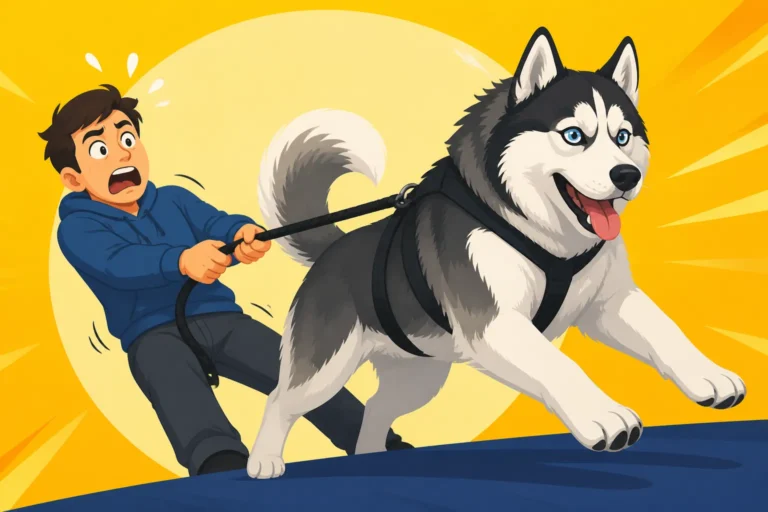
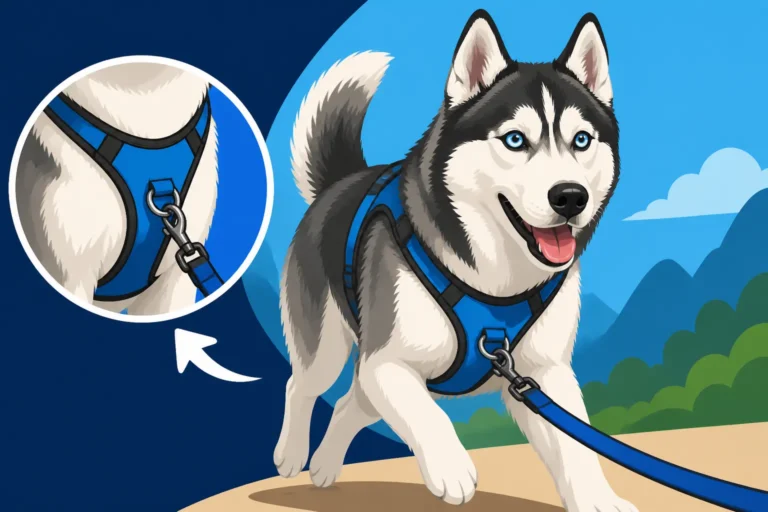
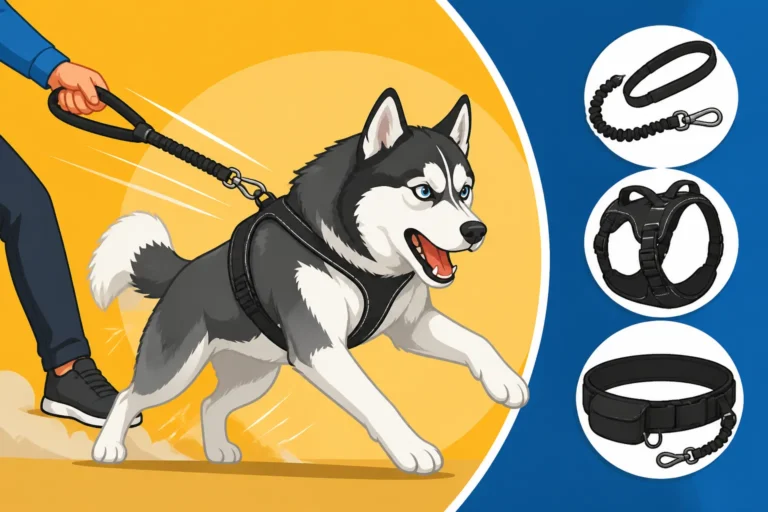
Now, for the big reality check: most of the behaviors that challenge Siberian Husky owners are not going to be solved by neutering. If your Husky pulls like a freight train on the leash, that's a combination of their innate pulling instinct and lack of appropriate leash training, not testosterone. If they chew your furniture, dig craters in your yard, or howl endlessly, these are typically signs of boredom, anxiety, insufficient exercise, or simply being a Husky, not an intact male. Their strong Siberian Husky Prey Drive Around Small Animals like squirrels, rabbits, or even neighborhood cats, is an instinctual trait developed over centuries for survival and hunting small game. This drive is rooted much deeper than just hormonal influence and will not disappear with neutering.
The decision to neuter should never be solely based on the hope of "fixing" these non-hormonal behaviors. While a slight decrease in overall energy might be observed in some dogs due to reduced metabolic demands, it won't transform a high-energy Husky into a sedentary one. The work of Training an Independent Siberian Husky for good leash manners, recall, and appropriate chewing habits remains entirely up to you, neutered or not.
The Hormonal Impact of Spaying on Female Siberian Huskies
Spaying a female Siberian Husky also comes with a distinct set of changes, primarily by removing the estrous cycle and its associated hormonal fluctuations.
Preventing Heat Cycles and Associated Behaviors
The most obvious and undeniable benefit of spaying is the complete elimination of heat cycles. This means no more messy periods, no more attracting intact male dogs to your yard (which can lead to serious fence challenges and unwanted pregnancies), and no more managing a female who might become restless, anxious, or even attempt to escape to find a mate during her fertile window. For owners who do not intend to breed, spaying removes a significant logistical burden and prevents accidental litters, which are unfortunately common with this breed's escape artistry.
Some female Huskies might experience behavioral changes linked to their hormonal cycle, such as mood swings, increased irritability, or a heightened roaming instinct specifically when in heat. Spaying will prevent these cyclical behaviors, providing a more consistent temperament year-round. It removes the stress of dealing with an unwanted pregnancy and the subsequent ethical and financial responsibilities. Many people choose to consider Spaying a Siberian Husky Before the First Season for these very reasons.
Potential Behavioral and Physical Side Effects
While spaying is often seen as a straightforward procedure, it can have some less obvious impacts. Some owners report a slight decrease in a spayed female's overall energy levels, but again, for a Siberian Husky, this is rarely enough to fundamentally change their exercise requirements. More notably, there's a possibility of Whether Neutering Changes a Siberian Husky's Coat. Some spayed females, particularly those with already dense coats, can develop what's known as "spay coat" or "wooly coat," where the undercoat becomes excessively thick, soft, and prone to matting, and the guard hairs may not grow back as effectively. This can necessitate more frequent grooming.
Less commonly, some studies suggest that spaying, especially at a young age, can slightly increase the risk of certain orthopedic issues like cruciate ligament tears, or conditions like urinary incontinence later in life. These are important considerations to discuss with your vet, especially regarding the optimal timing for the procedure, as there is a growing body of research suggesting potential benefits to delaying spaying and neutering until physical maturity for some breeds.
When Neutering/Spaying Might Help with Behavior (and When It Won't)
It's crucial to have realistic expectations. Neutering or spaying is a surgical procedure with health implications, not a magic behavioral fix.
Addressing Specific Hormone-Driven Problems
If your male Siberian Husky exhibits significant, persistent issues with:
- Male-on-male aggression: Particularly if it escalates around intact females or other intact males.
- Obsessive marking: Consistently urinating in the house or excessively marking territory outdoors.
- Frantic escape attempts driven solely by mating urges: If he is literally tearing through fences or doors to get to a female in heat, and not just because he wants to run, then removing the hormonal drive might alleviate that specific motivation.
In these specific scenarios, neutering can reduce the intensity or frequency of these behaviors over time. It's about taking away the primary biological driver. However, if these behaviors have become deeply ingrained habits, or are linked to anxiety or lack of training, the change might be minimal.
For females, spaying will eliminate the behaviors associated with heat cycles, such as restlessness, vocalization, and escape attempts driven by the need to find a mate. This can significantly simplify management and prevent unwanted pregnancies.
The Critical Role of Training and Environment
Here’s the absolute truth: a spayed or neutered Husky still needs consistent, positive reinforcement training, ample exercise, and mental stimulation. These are the cornerstones of managing a Siberian Husky, regardless of their reproductive status. Removing hormones will not teach your dog to come when called, to walk politely on a leash, or to respect your household rules.
If your Husky is destructive, it's likely bored, under-exercised, or experiencing separation anxiety. If they're escaping, it's because their environment isn't secure enough, or their drive to run outweighs the perceived value of staying. These are training and management issues, plain and simple. Think of resources like BAXTER & Bella, which offer online training programs that can be incredibly helpful for independent breeds like Huskies, focusing on communication and positive reinforcement. Investing in secure containment, such as a tall, dig-proof fence, and enrichment items like durable chew toys or puzzle feeders found on Amazon, will yield far greater behavioral returns than relying on surgery alone. You still need to work on Teaching a Siberian Husky to Come Back and Siberian Husky Leash Work Against a Pulling Instinct with dedication.
Weighing the Health Considerations Beyond Behavior
Beyond the behavioral aspects, there are significant health considerations that come with the decision to spay or neuter your Siberian Husky. It's never just about behavior; it's about their entire well-being.
Health Benefits of Neutering/Spaying
For male Huskies, neutering completely eliminates the risk of testicular cancer and significantly reduces the risk of certain prostate problems, such as benign prostatic hyperplasia, as they age. For female Huskies, spaying removes the risk of ovarian and uterine cancers, and completely prevents pyometra, a life-threatening uterine infection common in intact older females. These are serious health concerns that can be avoided through the procedure, and should be part of the holistic discussion about your Husky's long-term health.
Health Risks and Considerations
However, it's not all clear-cut benefits. Research has shown that altering dogs too early can sometimes lead to increased risks for certain orthopedic conditions, such as hip dysplasia or cruciate ligament tears, because the sex hormones play a role in the proper closure of growth plates. For a physically active breed like the Siberian Husky, joint health is incredibly important, so discussing the optimal timing with your veterinarian is vital. You want to avoid issues that could lead to Siberian Husky Weight and Joint Health problems down the line.
Spaying can also increase the risk of urinary incontinence in some females, and there's some evidence of slightly increased risk for certain types of cancers (like osteosarcoma) in altered dogs compared to intact ones, though the overall risk remains low. These are complex topics, and the right decision often involves weighing individual factors like your Husky's activity level, genetic predispositions, and your ability to manage an intact dog responsibly.
Here's a quick look at common Husky behaviors and how neutering/spaying generally impacts them:
| Behavior / Trait | Impact of Neutering (Male) | Impact of Spaying (Female) | Primary Solution (if not hormonal) |
|---|---|---|---|
| Male-on-Male Aggression | Often reduced | N/A | Training, socialization |
| Territory Marking (Urination) | Often reduced | N/A | Training, management |
| Roaming/Escape (Mating) | Often reduced | Eliminated | Secure containment, exercise |
| Heat Cycles | N/A | Eliminated | N/A |
| Pulls on Leash | Minimal to none | Minimal to none | Training, appropriate gear |
| Digging | Minimal to none | Minimal to none | Exercise, enrichment, secure yard |
| Chewing/Destruction | Minimal to none | Minimal to none | Exercise, mental stimulation, safe chews |
| Howling/Vocalization | Minimal to none | Minimal to none | Exercise, mental stimulation, training |
| Prey Drive | Minimal to none | Minimal to none | Training, management, secure leash |
| General Energy Levels | Minimal to slight reduction | Minimal to slight reduction | Exercise, breed-appropriate activities |
Ultimately, whether you choose to spay or neuter your Siberian Husky is a deeply personal decision that should be made in consultation with your veterinarian, taking into account both behavioral and health considerations. It is not a shortcut to a "settled" dog, but one piece of a much larger puzzle in responsible Husky ownership. Keep in mind that a significant portion of The Yearly Cost of Owning a Siberian Husky includes preventative care and sometimes, managing behavioral challenges.
Disclaimer
This article is for general informational purposes only and does not constitute professional advice. Laws, prices and regulations vary by location and change over time. Consult a qualified professional for guidance on your specific situation.