The Three Eye Diseases a Siberian Husky Faces
It can be truly heartbreaking and confusing when you notice something isn't quite right with your beloved Siberian Husky's eyes. Whether it's a subtle clouding, a change in their behavior, or an outright struggle with vision, eye conditions are a real concern for husky owners. This guide will walk you through the three primary eye diseases that often affect Siberian Huskies, helping you understand what to look for, what they mean for your dog, and how to navigate these challenges.
Juvenile Cataracts in Siberian Huskies
Finding out your young, vibrant husky has cataracts can be a gut punch. Most people associate cataracts with old age, so discovering them in a puppy or young adult feels particularly unfair. But in Siberian Huskies, a specific type of cataract, known as juvenile cataracts, is a common and often inherited problem that can appear much earlier in life.
What are Juvenile Cataracts?
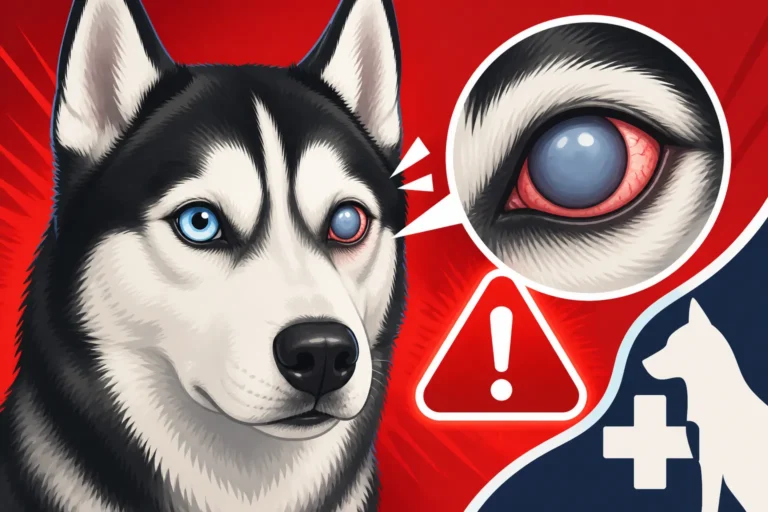
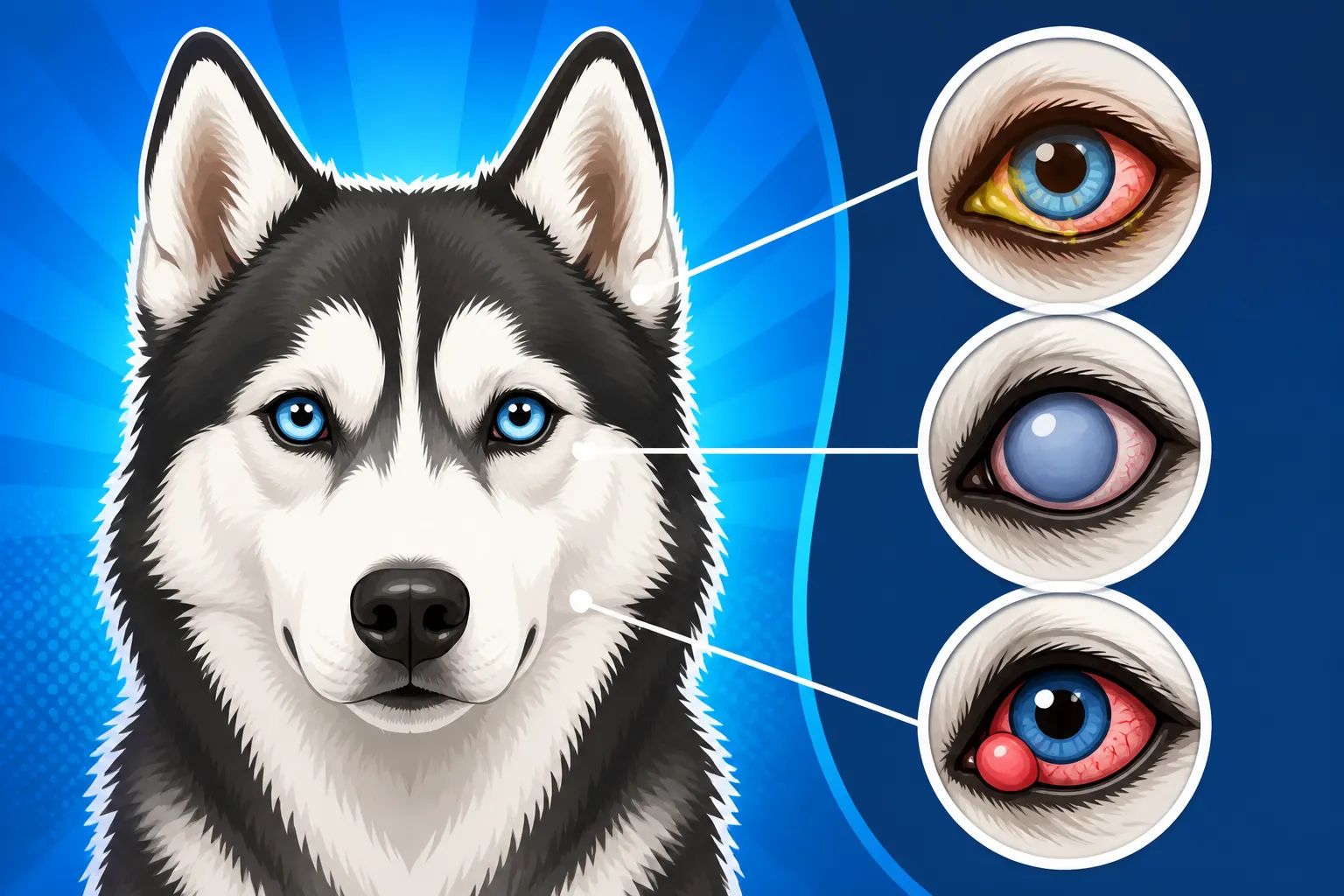
Simply put, a cataract is an opacity or cloudiness in the lens of the eye, which should normally be clear. Think of looking through a dirty window – the cloudier the lens, the harder it is for light to pass through to the retina, eventually leading to impaired vision or even blindness. Juvenile cataracts in Siberian Huskies don't always look the same; they can range from tiny, almost imperceptible specks to large, dense white or grey clouds that take over the entire lens. Sometimes, you might only notice a slight haze when your husky is in a certain light, or perhaps their eyes just don't seem as bright and clear as they once did.
The crucial difference with juvenile cataracts, as opposed to age-related cataracts, is the timing of their appearance and often their genetic root. These aren't just a part of getting old; they're a specific challenge for the breed. If you're seeing a cloudy lens in a Siberian Husky, especially a young one, it's vital to get it checked out by a veterinary ophthalmologist, not just your regular vet, as specialized equipment is often needed to properly assess the type and severity.
When Do They Appear and What Causes Them?
The "juvenile" part of the name is key here. These cataracts typically manifest in dogs under six years of age, often appearing as early as six months to two years old, though they can sometimes be seen even earlier. It's a frustrating genetic predisposition, with a suspected autosomal recessive inheritance pattern in Siberian Huskies. This means a dog needs to inherit two copies of the affected gene (one from each parent) to develop the condition. Parents who carry one copy might never show symptoms themselves but can pass the gene to their offspring.
This hereditary aspect is why responsible breeders are so diligent about health testing. It's not uncommon for owners to unknowingly purchase a puppy who later develops cataracts, leading to both emotional distress and significant financial strain. Unfortunately, even with careful breeding, these genes can sometimes pop up unexpectedly. This emphasizes why understanding Juvenile Cataracts in the Siberian Husky is so important for current and prospective owners.
Managing and Treating Juvenile Cataracts
If your husky is diagnosed with juvenile cataracts, your course of action will depend on the severity and how much it's impacting their vision. For mild cases that don't seem to bother the dog, monitoring might be sufficient. Regular check-ups with a veterinary ophthalmologist are crucial to track progression. However, if the cataracts are dense and significantly impairing vision, surgery might be an option.
Cataract surgery on a Siberian Husky involves removing the cloudy lens and often replacing it with an artificial intraocular lens. This is a specialized and costly procedure, requiring a skilled veterinary ophthalmologist and dedicated post-operative care. Success rates are generally high, but like any surgery, there are risks, and not all dogs are good candidates. For dogs undergoing Cataract Surgery on a Siberian Husky, diligent follow-up and medication are critical for a successful outcome. It's a big decision, both emotionally and financially, so thorough consultation with your vet and ophthalmologist is a must. Pet insurance, like a policy from Healthy Paws, can be incredibly helpful in covering a significant portion of these unexpected expenses, should your husky need this specialized care.
Progressive Retinal Atrophy PRA in Siberian Huskies
Imagine gradually losing your sight, first at night, then during the day, until everything is just a blur. That's a simplified way to understand Progressive Retinal Atrophy (PRA), another significant eye disease that impacts Siberian Huskies. Unlike cataracts, which affect the lens, PRA targets the retina – the light-sensitive tissue at the back of the eye responsible for detecting images.
Understanding PRA in Huskies
Progressive Retinal Atrophy isn't a single disease but rather a group of degenerative disorders that affect the photoreceptor cells in the retina. These cells, rods and cones, are vital for vision, especially in low light (rods) and for color and detail (cones). In affected huskies, these cells gradually deteriorate, leading to progressive vision loss. The early signs are often subtle: you might notice your husky hesitating in dim rooms or becoming clumsier during evening walks. They might bump into furniture they usually navigate easily, or their pupils might appear more dilated, especially in bright light, as their eyes try to gather more light to compensate for the failing retina.
As the disease progresses, day vision also declines, eventually leading to complete blindness. This isn't a sudden event; it's a slow, insidious process, which can sometimes make it harder to detect in its earliest stages, as dogs are incredibly adaptable. It's crucial for owners to be observant and proactive, particularly given the breed's genetic predisposition.
Genetic Basis and Inheritance
The type of PRA seen in Siberian Huskies is often referred to as X-linked PRA, meaning the gene responsible is located on the X chromosome. This has profound implications for how the disease is inherited and why it manifests more commonly in males. Females have two X chromosomes (XX), while males have one X and one Y chromosome (XY).
- Affected Males: Because males only have one X chromosome, if they inherit the affected gene on that X, they will develop PRA.
- Carrier Females: Females with one affected X chromosome and one normal X chromosome are typically carriers. They usually don't show symptoms themselves because the healthy X chromosome can compensate. However, they can pass the affected X to their offspring.
- Affected Females: For a female to be affected, she would need to inherit two copies of the affected gene – one from her mother (who would be a carrier or affected) and one from her father (who would have to be affected). This is much less common.
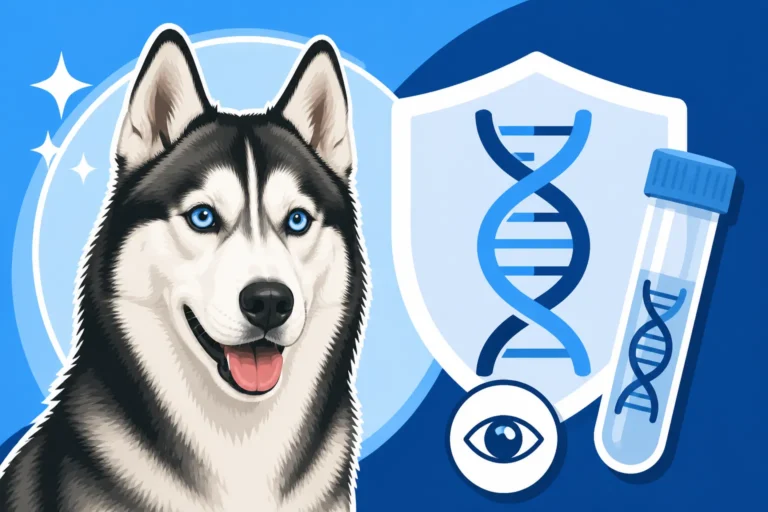
This X-linked inheritance pattern explains Why Husky PRA Runs Through the Male Line and highlights the importance of genetic testing for breeding dogs. Thankfully, a DNA test for Siberian Husky PRA is available, allowing breeders to identify carriers and affected dogs and make informed decisions to reduce the incidence of the disease.
Recognizing Symptoms and Supporting a Blind Husky
Early detection of PRA can be challenging because huskies adapt so well. The first sign is often "night blindness" or difficulty seeing in low light. Your husky might become hesitant to go out in the dark or struggle to find toys in dimly lit rooms. As vision further deteriorates, you might notice:
- Dilated Pupils: Their pupils may appear consistently larger, especially in normal lighting conditions, as their eyes try to let in more light.
- Clumsiness: Bumping into objects, particularly in unfamiliar environments or when furniture has been moved.
- Reluctance to Navigate: Hesitation to jump off furniture or go up/down stairs.
- "Eye-shine": A more prominent reflection from their eyes in photographs, due to the retinal changes.
While there is no cure for PRA, and vision loss is inevitable, many huskies adjust remarkably well to blindness, especially if the loss is gradual. The key is to provide a safe, consistent environment. Avoid rearranging furniture, use consistent verbal cues, and keep hazards clear. Keeping a Blind Siberian Husky Safely Contained is paramount, as their roaming instinct, combined with vision loss, can put them in dangerous situations. They can still enjoy a full, happy life with a little extra care and patience.
Corneal Dystrophy in Siberian Huskies
Beyond cataracts and PRA, Siberian Huskies are also prone to another interesting eye condition called corneal dystrophy. While it might sound intimidating, it's often less severe in terms of vision impact than the other two, but it's still something every husky owner should be aware of.
What is Corneal Dystrophy?
Corneal dystrophy is a non-inflammatory, inherited condition affecting the cornea, the clear, outermost layer of the eye. Instead of the clear window it should be, a husky with corneal dystrophy might have white, grey, or crystalline opacities within the cornea itself. These opacities are usually composed of lipids (fats) or cholesterol deposits. Unlike an injury or infection, these dystrophies are typically bilateral (affect both eyes, though not necessarily symmetrically) and non-painful.
There are generally three types of corneal dystrophy based on which layer of the cornea is affected:
- Epithelial Dystrophy: Affects the outermost layer, often appearing as tiny, diffuse grey spots. Less common in huskies.
- Stromal Dystrophy: Affects the middle, thickest layer of the cornea. This is the most common type in Siberian Huskies and often appears as distinct, well-defined white or silvery-white oval or round opacities, sometimes forming a ring. This is what many people refer to when discussing Corneal Dystrophy Rings in a Siberian Husky Eye.
- Endothelial Dystrophy: Affects the innermost layer. This type can lead to corneal edema (fluid buildup), causing a bluish, hazy appearance, and can sometimes be painful if bullae (blisters) form and rupture. This is less typical for the primary inherited corneal dystrophy in huskies.
The good news is that for most cases of stromal corneal dystrophy in Siberian Huskies, vision impairment is minimal to non-existent. The opacities are usually in an area that doesn't significantly block the central pupil, or they are not dense enough to severely affect light transmission.
Symptoms and Diagnosis
The primary symptom you might notice with corneal dystrophy is the visible opacity on your husky's cornea. It might look like a cloudy patch, a distinct white spot, or a ring-like formation. These are often noticed incidentally during a routine vet check-up or when light catches your dog's eye in a particular way. Unlike an ulcer or injury, the eye usually won't be red, inflamed, or painful. Your husky won't be squinting, rubbing their eye, or tearing excessively. If you do notice any of these painful symptoms alongside corneal clouding, it's important to differentiate it from other conditions, as true corneal dystrophy is typically comfortable for the dog.
Diagnosis is usually made by a veterinary ophthalmologist who can examine the eye with specialized equipment like a slit lamp. This allows them to identify the exact location and nature of the opacity within the corneal layers. The non-painful, bilateral nature, coupled with the breed predisposition, helps confirm a diagnosis of corneal dystrophy.
Treatment and Prognosis
For the most common type of corneal dystrophy in Siberian Huskies, stromal corneal dystrophy, treatment is generally not necessary. Since the condition is inherited, there's no cure, and the opacities usually don't cause pain or significant vision problems. Your veterinary ophthalmologist might recommend simply monitoring the condition during annual eye exams to ensure there are no changes or complications.
In very rare cases, if the dystrophy is extensive enough to significantly impair vision or cause discomfort (which is more common with endothelial dystrophy, though less common in huskies), surgical intervention might be considered. This could involve a superficial keratectomy to remove the affected layer, but it's a measure taken only if absolutely necessary due to the risks and potential for recurrence. For the vast majority of Siberian Huskies with corneal dystrophy, it's a cosmetic issue rather than a functional one. Regular monitoring, perhaps covered by pet insurance like Healthy Paws, is usually the extent of the management needed. This means that while it's a diagnosed condition, most owners won't need to worry about extensive Whether Husky Corneal Dystrophy Needs Treating beyond observation.
The Importance of Annual Eye Exams
Given the breed's propensity for eye issues, annual eye exams are not just a good idea for Siberian Huskies—they're an absolute necessity. Proactive screening can make all the difference in managing these conditions effectively and preserving your husky's quality of life.
Why Yearly Exams are Crucial
Just like humans need regular check-ups, our canine companions benefit immensely from consistent veterinary care. For Siberian Huskies, annual eye examinations by a board-certified veterinary ophthalmologist are particularly crucial. Many eye conditions, including the early stages of juvenile cataracts and PRA, can be subtle and difficult for a general veterinarian to detect, let alone an owner. A specialist has the equipment and expertise to spot these changes before they become advanced, giving you more options for management or treatment.
Early detection allows for:
- Timely Intervention: For conditions like cataracts that might be surgically correctable, catching them early can prevent more severe vision loss and make the surgery more straightforward.
- Monitoring Progression: For conditions without a cure, like PRA or corneal dystrophy, regular exams help track how quickly the disease is advancing, allowing you to adapt your home environment and support your husky accordingly.
- Breeding Decisions: For breeders, these exams are indispensable for identifying affected dogs and carriers, which is vital for maintaining the health of the breed line. This is a cornerstone of responsible breeding practices and helps reduce the incidence of inherited diseases in future generations. This is a key part of understanding Siberian Husky Eye Disease and the Annual Exam.
What an Ophthalmologist Looks For
When you take your husky for an annual eye exam, the ophthalmologist will perform a comprehensive evaluation, far more detailed than what a general vet typically does. This isn't just a quick peek; it's a systematic investigation into every part of the eye. They will usually dilate your husky's pupils with special drops to get a clearer view of the internal structures.
Key tests and observations include:
- Ocular Adnexa Examination: Checking the eyelids, eyelashes, and surrounding tissues for abnormalities.
- Corneal Examination: Looking for any opacities, ulcers, or dystrophies using a slit lamp microscope, which provides magnified, three-dimensional views of the cornea.
- Anterior Chamber Assessment: Checking the fluid-filled space between the cornea and the lens for clarity and any signs of inflammation.
- Lens Examination: Critically assessing the lens for any signs of cataracts – their location, size, and density.
- Vitreal and Retinal Examination: Looking at the vitreous (the gel-like substance filling the eyeball) and, most importantly, the retina. This often involves indirect ophthalmoscopy to get a wide view of the retina, looking for changes associated with PRA or other retinal issues.
- Intraocular Pressure (IOP) Measurement: Using a tonometer to check the pressure inside the eye, which is crucial for detecting glaucoma, another serious eye condition.
This comprehensive approach ensures that subtle changes are not missed, which is precisely Why a Siberian Husky Needs an Eye Exam Every Year.
Understanding OFA Eye Certificates
After a thorough eye exam, especially if you're involved in breeding, you'll likely receive an OFA (Orthopedic Foundation for Animals) Eye Certification Registry (CAER) form. This certificate, often valid for only one year, documents the ophthalmologist's findings. It's a critical piece of paperwork that indicates whether your husky is "clear" of observable, inherited eye diseases at the time of the examination.
- Normal: This means no observable signs of inherited eye disease were found. This is the goal for breeding dogs.
- Affected: Indicates that the dog shows signs of one or more inherited eye diseases, such as juvenile cataracts or PRA.
- Breeder Option: For certain conditions, the ophthalmologist may mark this if a condition is noted but is considered mild or of uncertain inheritance, leaving the breeding decision to the discretion of the breeder.
Understanding Reading a Siberian Husky OFA Eye Certificate is essential, whether you're a breeder or a prospective puppy owner. Reputable breeders should provide current OFA eye certificates for both parents of a litter. These certificates are crucial for making informed decisions about breeding and purchasing. While a "normal" certificate doesn't guarantee a dog will never develop an eye issue, it significantly reduces the risk for inherited conditions and provides peace of mind that a responsible effort is being made.
Living with and Managing Husky Eye Conditions
Receiving a diagnosis of an eye condition for your Siberian Husky can be overwhelming. However, with the right approach and a strong partnership with your veterinary team, many huskies can continue to lead fulfilling lives. It’s about adaptation, consistent care, and sometimes, a little financial foresight.
Adapting Your Home for a Visually Impaired Husky
If your husky is experiencing vision loss, whether from PRA or severe cataracts, adapting your home environment is crucial for their safety and confidence. Huskies are intelligent and adaptable, but a sudden or progressive loss of sight can be disorienting and stressful.
Here are some strategies to help:
- Maintain Consistency: Avoid rearranging furniture, food and water bowls, or bedding. Huskies rely on their spatial memory and scent cues to navigate their familiar environment.
- Create Safe Zones: Block off dangerous areas like stairs with baby gates until your husky has learned to navigate them safely, if at all. Consider soft covers for sharp furniture edges.
- Use Scent and Texture Cues: Place different textured mats (like a rubber mat or a shag rug) at the top and bottom of stairs, or near exits, to give them a tactile signal. You can also use different scents (e.g., a drop of essential oil diluted in water, used safely) to mark key areas, if your vet approves.
- Verbal Cues and Consistent Routines: Use clear verbal commands like "step up," "watch out," or "turn right." Maintain a consistent daily routine for feeding, walks, and potty breaks. This predictability reduces anxiety.
- Outdoor Safety: Always keep a visually impaired husky on a leash when outside, even in a fenced yard. Their strong prey drive and instinct to roam, combined with a lack of sight, can quickly lead to a dangerous situation. Consider a strong, secure harness and a longer lead for walks in safe, familiar areas.
- Interactive Toys: Engage their other senses with toys that squeak, crinkle, or have strong scents. Puzzle feeders can also provide mental stimulation.
While it may seem like a lot of changes, the bond you share with your husky will only deepen as you guide them through this new phase of life.
Preventative Measures and Genetic Testing
While not all eye diseases can be prevented, especially those with complex genetic components or those that are spontaneous mutations, there are significant steps you can take to minimize risk and be a responsible owner.
- Choose a Reputable Breeder: This cannot be stressed enough. A responsible breeder will conduct comprehensive health screenings on their breeding stock, including annual eye exams by a board-certified veterinary ophthalmologist and genetic testing for conditions like PRA. They should be transparent about the health history of their dogs and provide documentation like OFA certificates. Asking about Health Testing Before You Buy a Siberian Husky is your right and responsibility.
- Genetic Testing: For PRA, the available DNA test is a powerful tool. If you are considering breeding your husky, or if you simply want to know their genetic status, discussing this test with your veterinarian is highly recommended. It can identify if your dog is clear, a carrier, or affected by the specific X-linked PRA.
- Regular Veterinary Care: Beyond specialist eye exams, regular check-ups with your general veterinarian are essential. They can spot other general health issues that might impact eye health or recommend when a specialist consultation is warranted.
Prevention also extends to avoiding injuries. Keep your husky's environment clear of sharp objects, supervise playtime, and consider protective eyewear if they engage in activities that put their eyes at risk, although this is less common for general pet huskies.
Financial Considerations and Pet Insurance
Let's be real: specialized veterinary care for eye conditions, especially surgery, can be incredibly expensive. This is where a little financial planning comes into play. What a Siberian Husky's Eye Care Costs Over a Lifetime can range from a few hundred dollars a year for annual check-ups to thousands for surgical interventions.
Consider these aspects:
- Emergency Fund: Having a dedicated savings account for unexpected pet emergencies is always a smart move.
- Pet Insurance: This is a lifesaver for many owners. Pet insurance policies, particularly comprehensive ones, can cover a significant portion of the costs associated with diagnosing and treating inherited conditions like juvenile cataracts, PRA, and even corneal dystrophy if it requires intervention. Look for a plan that covers hereditary conditions and has a good reimbursement rate. Companies like Healthy Paws are well-regarded for their comprehensive coverage, which can take a huge weight off your shoulders when facing expensive treatments. Just be sure to enroll your husky before any symptoms appear, as conditions usually become "pre-existing" once diagnosed and may not be covered. You can learn more about Siberian Husky Pet Insurance and the Eye Clause to understand what to look for.
- Budgeting for Annual Exams: Even without insurance, factor in the cost of annual eye exams by a specialist. These preventative measures are an investment in your husky's long-term health and can save you money in the long run by catching problems early.
Knowing the potential costs and planning for them can help you provide the best possible care without added financial stress during an already difficult time.
Comparative Overview of Siberian Husky Eye Diseases
To help consolidate the information, here's a table summarizing the three main eye diseases we've discussed:
| Feature | Juvenile Cataracts | Progressive Retinal Atrophy (PRA) | Corneal Dystrophy (Stromal) |
|---|---|---|---|
| Affected Part | Lens | Retina (photoreceptor cells) | Cornea (outermost clear layer) |
| Appearance | Cloudiness, opacities within the lens | Pupils dilate, eventual glassy appearance of eye | White, grey, or crystalline spots/rings on cornea |
| Onset Age | Typically under 6 years (often 6 months – 2 years) | Varies by specific type, can be early to mid-life | Usually early onset (puppy/young adult) |
| Primary Symptom | Progressive vision loss, cloudy lens | Night blindness progressing to total blindness | Visible corneal opacity; usually no pain |
| Pain Level | None directly, but complications can cause pain | None | None |
| Inheritance | Suspected autosomal recessive | X-linked (more common in males) | Inherited, often autosomal recessive |
| Diagnosis | Veterinary ophthalmologist exam (slit lamp) | Veterinary ophthalmologist exam (retinal exam), DNA test | Veterinary ophthalmologist exam (slit lamp) |
| Treatment | Surgical removal (lens replacement) if severe | No cure; supportive care for blindness | Generally no treatment needed; monitoring |
| Prognosis | Good with surgery, otherwise progressive blindness | Progressive to total blindness | Good; usually no impact on vision |
Understanding these distinctions can help you communicate more effectively with your veterinarian and give you a clearer picture of what your husky might be facing.
Disclaimer
This guide is intended for informational purposes only and is not a substitute for professional veterinary advice, diagnosis, or treatment. Always seek the advice of a qualified veterinary professional for any questions you may have regarding your Siberian Husky's health or medical conditions. Do not disregard professional veterinary advice or delay seeking it because of something you have read in this article.