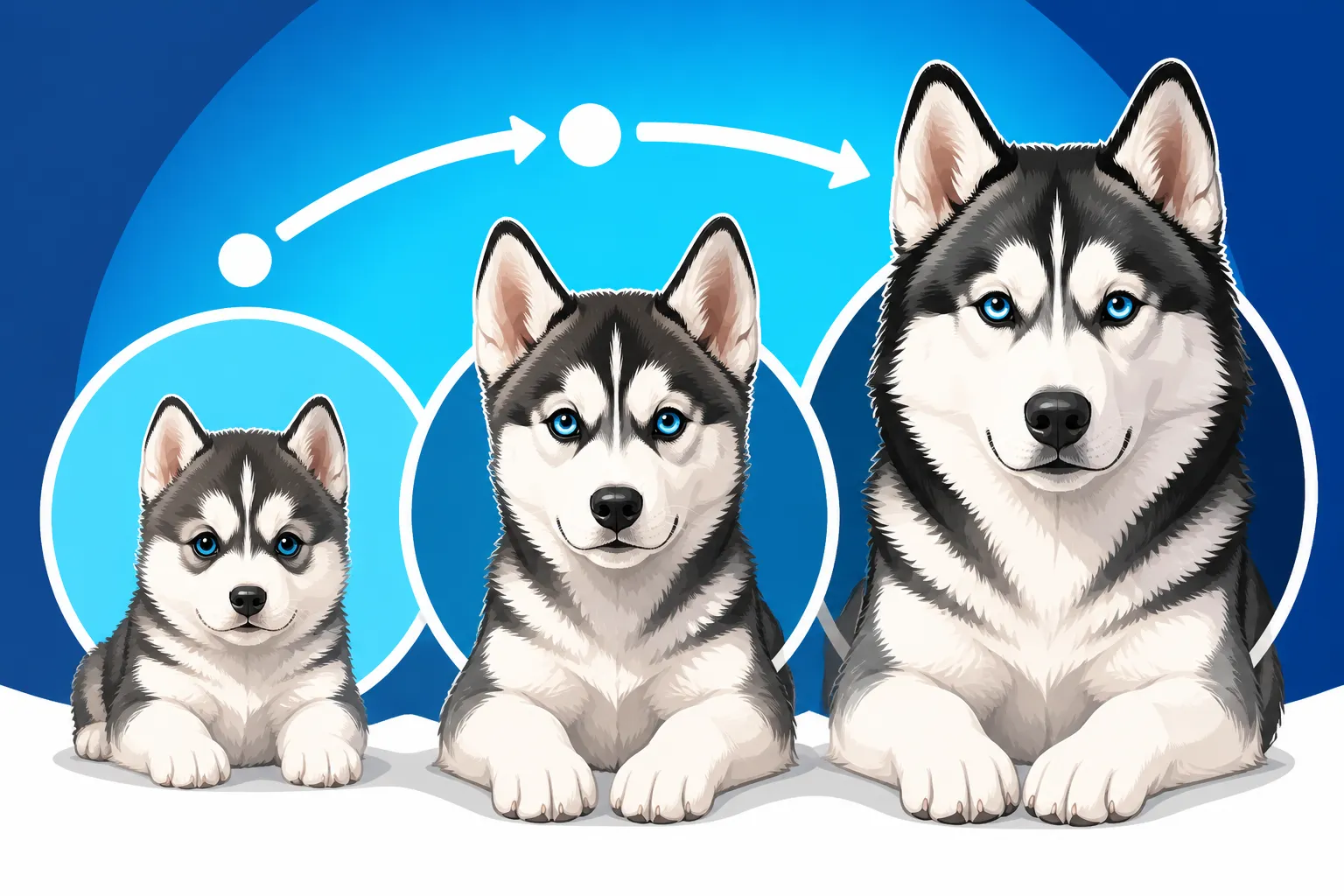
Siberian Husky Coat Color Changes With Age
It's incredibly common for Siberian Husky owners to find themselves scratching their heads, wondering why their beloved dog's coat seems to be a different color every few months, or even year to year. That striking black-and-white puppy might turn into a stunning wolf-gray adult, or a vibrant red might soften into a creamy ginger. These shifts can be fascinating but also a little confusing if you're not expecting them. This guide is here to shed some light on the perfectly natural, and sometimes surprising, ways your Siberian Husky's coat color can change throughout their life, from puppyhood to their golden years.
The Dynamic Nature of the Siberian Husky Coat
Siberian Huskies are truly a breed of exquisite beauty, and a big part of that appeal comes from their incredible double coat. This isn't just a static blanket; it's a living, breathing part of their physiology, constantly adapting and responding to their environment and their own internal clock. The dynamic nature of this coat means that what you see isn't always what you get, and those color changes are often a testament to their healthy adaptations.
Puppy Coat Transformations
When you first bring home a Siberian Husky puppy, they are a fluffy, adorable bundle of fur, often with a softer, sometimes muddier color than their adult coat will be. This "puppy fuzz" is like a placeholder, and it's almost guaranteed to change. You might have a tiny black-and-white pup whose black fur darkens to a rich charcoal or even softens to a dark gray as they mature. Conversely, a seemingly dark puppy might lighten significantly, revealing hidden silver or wolf-gray tones that weren't obvious at eight weeks old.
This transformation typically begins around 4 to 6 months of age, coinciding with their first major coat change, where the puppy coat starts to give way to the denser, coarser adult guard hairs and thicker undercoat. It’s a bit like watching a caterpillar turn into a butterfly, only with less chrysalis and more shedding! Many owners are surprised when their puppy's color "sets" into something quite different from what they initially expected. What looked like solid black might develop more grizzled markings, or a lighter cream puppy could develop rich red shading. It's all part of the process of them growing into their magnificent adult selves, and rarely a cause for concern.
Seasonal Influences on Color
Beyond the initial puppy-to-adult coat transition, your Siberian Husky’s coat color will continue its dance with the seasons. This is particularly noticeable in breeds like Huskies, who are perfectly engineered for changing climates. The most obvious change occurs during what we lovingly call "coat blow"—the massive seasonal shedding of their undercoat that happens twice a year, usually in spring and fall. Siberian Husky Coat Blow and the Six Weeks It Lasts is a rite of passage for all Husky owners!
During these times, as the dense undercoat is shed, the remaining guard hairs and new growth can appear to be a different shade. In summer, with a thinner undercoat and more direct sunlight, their coat might lighten, almost as if it's being bleached by the sun. This is especially true for black or red Huskies, whose darker pigments can be affected by UV exposure. Come winter, as a new, thicker undercoat grows in, the coat often appears richer, darker, and more vibrant. This is a crucial adaptation, helping them regulate their body temperature, and the color change is just a visual cue of this amazing biological process.
Common Color Shifts Through Adulthood
As your Siberian Husky moves from energetic youth into calm adulthood and beyond, their coat will continue to evolve. These changes are often subtle but can be quite profound over several years. Understanding these common shifts can help you appreciate the natural beauty of your Husky at every stage of their life.
Darkening and Lightening Trends
It's not uncommon for a Siberian Husky's coat color to either deepen or lighten as they mature through their adult years. For instance, a "black" Husky might not stay jet black. Many black-and-white Huskies, particularly those with a lot of undercoat, will gradually lighten to a wolf-gray or even a silver over time. The guard hairs might retain some black, but the overall impression becomes less stark. This is perfectly normal and often depends on the specific genetic modifiers for color.
Similarly, a red Husky might deepen in hue, becoming a rich, almost mahogany red, or conversely, their red might soften into a beautiful copper or even a cream. Agouti Huskies, with their wild, multi-banded hairs, can see their dark tips become more prominent or fade, leading to a lighter or darker appearance overall. These changes are part of their genetic expression and are rarely indicative of a problem, simply a natural maturation of their pigment. You can see the full range of possibilities when you look at The Coat Colors the Siberian Husky Standard Allows.
The Phenomenon of "Snow Nose"
One of the most charming and talked-about temporary color changes in Siberian Huskies is "snow nose." If you've noticed your Husky's dark nose turning pinkish or light brown during the colder months, only to darken back up in the spring and summer, you're witnessing snow nose in action. It's a temporary depigmentation of the nose leather, and while its exact cause isn't fully understood, it's widely believed to be related to sunlight exposure and temperature.
This isn't a health concern and doesn't affect their sense of smell. It's simply one of those unique Husky traits that adds to their mystique. Not all Huskies get it, and some might experience it more intensely than others. It's a completely benign and often cyclical change, a little winter surprise that brightens up their already expressive faces. For a deeper dive into this fascinating phenomenon, check out Snow Nose in a Siberian Husky Through Winter.
Greying and Whitening with Age
Just like humans, Siberian Huskies will show signs of aging, and one of the most unmistakable is the appearance of white or grey hairs. This typically starts around the muzzle, eyes, and forehead, gradually spreading as they enter their senior years. A once-dark muzzle can become dusted with silver, giving them a distinguished, wise appearance. This is a natural part of the aging process and is generally nothing to worry about.
The rate and extent of greying can vary greatly between individual Huskies. Some might start showing white hairs around the age of five or six, while others might not truly grey until much later. It's a visual reminder of all the wonderful years you've shared, and frankly, a silver muzzle only adds to their charm. While it can sometimes be a bittersweet sight, it's a testament to a life well-lived. As they transition into their senior years, their needs change in other ways too, so understanding Caring for a Siberian Husky Past Ten becomes even more important.
What Influences Coat Color Beyond Age
While age and seasons are major players in the Husky coat color game, there are other significant factors at play. From the very blueprint of their genetics to the food in their bowl and the environment they live in, a combination of elements contributes to the richness, depth, and overall appearance of your Siberian Husky's stunning coat.
Genetic Factors and Underlying Genes
At the core of every Siberian Husky's coat color is their genetic makeup. They inherit specific genes from their parents that determine their base color (like black, red, or sable), the distribution of those colors, and even the patterns and markings (like masks or piebald). These genes interact in complex ways, which is why you can sometimes see a rainbow of colors within a single litter of puppies. Even seemingly identical parents can produce surprisingly varied offspring.
Sometimes, a dog carries recessive genes for a color that doesn't show up in their own coat but can be passed down to their puppies. This is why a "black" Husky might have a "red" sibling, or why two seemingly standard colored parents can produce an all-white pup. While most of these genetic expressions are completely normal and contribute to the beautiful diversity of the breed, a reputable breeder will often understand the genetic lines of their dogs and perform Health Testing Before You Buy a Siberian Husky to ensure healthy genetics. These inherited traits dictate not just the initial color, but also how that color might naturally mature and change over time.
Nutritional Impact on Coat Health and Pigment
Believe it or not, what goes into your Siberian Husky's bowl can have a noticeable effect on the vibrancy and health of their coat. A diet lacking essential nutrients, especially certain fatty acids, vitamins, and minerals, can lead to a dull, dry, or brittle coat, and potentially even affect pigment. Think of it like this: a healthy coat, rich in color, needs a strong foundation of internal wellness.
Ensuring your Husky receives a high-quality diet, rich in omega-3 and omega-6 fatty acids, is paramount. Many premium dog foods available on platforms like Chewy or specialty brands like Ollie focus on formulations that support skin and coat health. Sometimes, despite a good diet, a Husky might still have specific needs. For instance, some Huskies have a genetic predisposition to poor zinc absorption, leading to Zinc-Responsive Dermatosis in the Siberian Husky, which can manifest as dull, crusty skin and poor coat quality. In such cases, a vet-recommended zinc supplement, often easily found on Amazon, can make a world of difference. Remember, the general rule of thumb is that Huskies often thrive on slightly less food than other breeds of comparable size, so mastering Feeding a Siberian Husky on 60 Percent of the Label is crucial for overall health, including their coat.
Environmental and Lifestyle Contributions
Beyond genetics and diet, your Husky's daily life and environment also play a role in their coat's appearance. The most obvious is sun exposure. Just like human hair, a Husky's guard hairs can be lightened or "bleached" by prolonged time in the sun. This is particularly evident in darker coated Huskies, where black or red fur might take on a brassier, lighter tone during long summer days spent outdoors. This is purely cosmetic and not harmful to the coat itself.
Conversely, living in a colder climate might encourage a denser, richer undercoat, which can impact the overall perceived color. Huskies are built for cold, and their coats respond accordingly. Their activity level also subtly contributes; an active, healthy Husky generally has better circulation and overall health, which translates to a healthier, more vibrant coat. Providing ample exercise and a suitable environment is key to not only their physical and mental well-being but also to the maintenance of that stunning, dynamic coat.
When to Be Concerned About Coat Changes
While most coat color changes in Siberian Huskies are completely normal and part of their natural lifecycle, there are times when a change might signal something more serious. It's crucial for owners to learn to differentiate between a harmless shift and a potential health concern, ensuring their beloved companion receives timely veterinary attention if needed.
Distinguishing Normal Changes from Health Issues
How do you tell the difference? Normal color changes are usually gradual, symmetrical, and often tied to age or season. For example, the slow greying around the muzzle, the seasonal lightening of the coat, or the puppy coat transforming. These changes generally don't come with other symptoms. A Husky with normal coat changes will still be energetic, have a good appetite, and show no signs of discomfort or skin irritation. Their skin under the coat should look healthy and unblemished.
On the other hand, changes that are rapid, patchy, accompanied by skin irritation, hair loss, or other behavioral shifts should raise a red flag. If your Husky's coat suddenly becomes dull, brittle, or starts falling out in clumps, or if you notice redness, scaling, or lesions on their skin, it's time for a vet visit. For instance, Siberian Husky Thyroid and Autoimmune Disease can sometimes manifest as a dull, thinning coat or changes in texture. Similarly, conditions like Zinc-Responsive Dermatosis in the Siberian Husky present with crusting lesions, particularly around the eyes, muzzle, and pressure points, which are definitely not normal coat changes.
Here's a quick comparison:
| Type of Change | Normal Age-Related/Seasonal Changes | Potential Health Concern |
|---|---|---|
| Color Intensity | Gradual lightening/darkening; sun-bleaching; "snow nose." | Patchy or sudden, significant loss of pigment; rapid, severe dullness. |
| New White Hairs | Around muzzle/eyes in senior dogs; symmetrical onset. | Random, asymmetrical white patches not related to typical aging patterns. |
| Texture/Density | Seasonal coat blow; slight thinning in extreme heat; puppy fuzz to adult. | Dry, brittle, coarse, oily; excessive thinning, bald spots, matting not due to neglect. |
| Skin beneath coat | Healthy, pink, unblemished. | Redness, scales, sores, cysts, oily or excessively dry/flaky skin. |
| Associated Symptoms | None, or seasonal shedding. | Itching, scratching, lethargy, weight changes, loss of appetite, changes in behavior. |
The Importance of Regular Vet Checks
Given that some coat changes can be subtle indicators of underlying health issues, regular veterinary check-ups are incredibly important. Your veterinarian is the best resource for evaluating any concerning changes in your Husky's coat or skin. They can perform physical exams, and if necessary, conduct diagnostic tests like blood work, skin scrapes, or biopsies to determine the cause of any unusual symptoms.
Even if you suspect a normal change, it never hurts to mention it during your annual wellness visit. A vet can often spot subtle signs that you might overlook, or provide reassurance that what you're seeing is indeed part of your Husky's unique journey. Don't hesitate to reach out to your vet if you have any questions or concerns about your Siberian Husky's coat, or anything else about their health. Catching potential issues early can make a significant difference in treatment outcomes and your Husky's overall quality of life.
Disclaimer
This article is for general informational purposes only and does not constitute professional advice. Laws, prices and regulations vary by location and change over time. Consult a qualified professional for guidance on your specific situation.