Feeling for a Waist Under a Siberian Husky Coat
One of the biggest head-scratchers for us Siberian Husky owners is trying to figure out if our beloved fluff-balls are at a healthy weight. That glorious, dense double coat, while utterly beautiful, acts like a master of disguise, often hiding pounds – or the lack thereof – that would be obvious on a shorter-haired breed. It's a common frustration: you look at your floofy dog and wonder, "Are they a healthy weight, or just wearing a magnificent winter coat?" This guide will walk you through a hands-on method to accurately feel for your Husky's ribs, spine, and waist, helping you understand their true physique underneath all that fluff and ensure they're in tip-top shape.
The Great Fur Deception: Why Visual Cues Fail with Huskies
Let's be real, you can stare at your Siberian Husky all day long, and unless they're severely underweight or significantly overweight, their coat can make them look perfectly proportioned. This isn't just a minor inconvenience; it's a genuine challenge to their health. Unlike many breeds where a quick glance can tell you a lot about their physique, Huskies are built differently, and their fur amplifies this illusion.
The Double Coat Dilemma
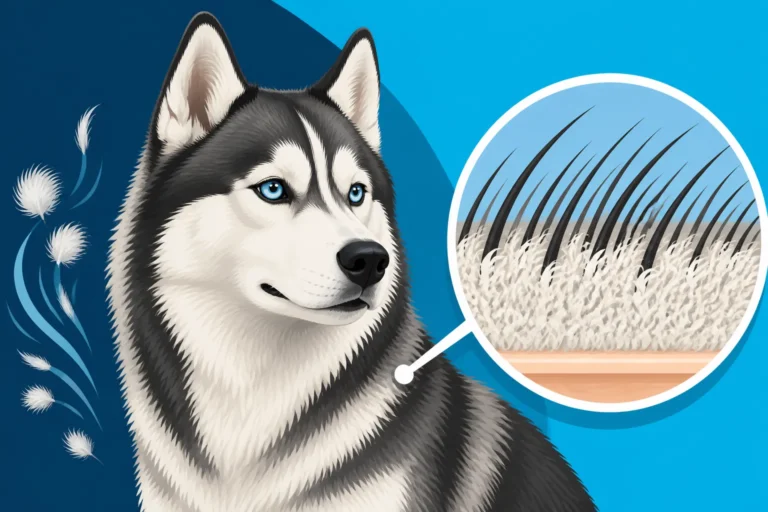
The Siberian Husky's double coat is truly a marvel of nature, designed to protect them from extreme cold while also reflecting heat in milder temperatures. It consists of a soft, dense undercoat and a longer, coarser outer coat, or guard hairs. This combination creates a thick buffer that makes visual assessment of their body condition incredibly difficult. You might see a sleek, athletic outline on a dog with a single coat, but on a Husky, that same body could easily be hidden beneath inches of fluffy insulation. We often rely on seeing a waist tuck or prominent ribs in other breeds, but with a Husky, those visual cues are almost always swallowed up by their incredible fur, especially during Siberian Husky Coat Blow and the Six Weeks It Lasts season.
Imagine trying to guess the size of a sweater beneath a huge, fluffy parka – it's practically impossible! That's exactly what we're up against. This means we can't just eyeball them from above or the side and make an accurate judgment about their weight. Many owners, myself included, have fallen into the trap of thinking their Husky looks "fine" because their coat fills them out, only to find during a vet visit that they're either carrying too much weight or, occasionally, not enough. This necessitates a more tactile approach to truly know what's going on underneath all that beautiful fur.
Misconceptions About Husky Size and Weight
Another hurdle is the general misconception about what a healthy Siberian Husky should look like. Because they are often associated with pulling sleds and strenuous activity, some people assume they should be very lean, almost gaunt. Others, seeing their powerful build, might mistakenly think they should be quite substantial or bulky. The truth lies somewhere in the middle, reflecting their breed standard as an endurance athlete, not a power lifter. They should be athletic, well-muscled, and lean, but not bony.
This confusion is compounded by the fact that weight charts for breeds can be misleading. A Husky weighing 50 pounds might be perfectly healthy, while another 50-pound Husky could be significantly overweight or underweight depending on their frame and muscle mass. A prime example is how different a male Husky can appear versus a female, or a working line versus a show line. It's not just about the number on the scale; it's about body composition. Relying solely on weight numbers without understanding what that weight feels like on your individual dog is like trying to guess the flavor of a cake by only looking at the frosting – you're missing the core ingredients. This is why learning to manually assess your Husky's body is such a vital skill, helping you move beyond superficial appearances and generic guidelines.
Mastering the Manual Check: Feeling for Ribs, Spine, and Waist
Since our eyes often fail us with these majestic furballs, our hands become our best tools. Learning to feel for your Husky's underlying structure is a straightforward process once you know what you're doing, and it's a technique every Husky owner should practice regularly. It helps you stay in tune with their body condition, catch changes early, and make informed decisions about their diet and exercise.
Rib Check Technique
This is arguably the most important part of the body condition assessment. To effectively feel for your Husky's ribs, start by placing both palms flat on their sides, just behind their shoulder blades. You want to use a gentle, open hand, not poking with your fingertips. Your fingers should be spread out a bit, and you should be applying light pressure, as if you're gently petting them.
Now, slowly run your hands backward along their rib cage, towards their hips. As you do this, you should feel each individual rib bone beneath your fingers. You shouldn't have to press hard to feel them. Think of it like feeling the knuckles on your own hand when you make a loose fist – you can feel them distinctly but they aren't sharply protruding. If you can easily count each rib without much effort, that’s a good sign. If you have to press quite firmly to feel them, or can only feel a general "padded" area, it's an indicator they might be carrying too much weight. Conversely, if the ribs feel sharp, prominent, and almost like they're directly under the skin with no padding, your Husky might be too thin. This sensation is critical for understanding Siberian Husky Weight and Joint Health and ensuring they maintain an ideal physique.
Spine and Hip Bone Assessment
After checking the ribs, move your hands to your Husky's back, along their spine. Again, use a gentle, flat hand. You should be able to feel the tops of their vertebrae as individual bumps, but they shouldn't feel sharp or painful. There should be a small amount of muscle and fat covering them, offering a slight cushion. If the spinal bumps feel very prominent, almost like a washboard, with deep grooves between them, your Husky might be underweight. If you can barely feel the spine and it feels like a smooth, flat expanse, they could be overweight.
Next, shift your attention to their hip bones. These are located on either side of the base of their tail. Similar to the spine, you should be able to feel the hip bones with a slight, gentle pressure. They shouldn't protrude sharply, nor should they be completely buried under fat and difficult to locate. A good indicator is feeling them distinctly, but smoothly, without being able to easily grasp or pinch them. This combination of checking ribs, spine, and hip bones gives you a comprehensive picture of their skeletal structure and the amount of covering they have, cutting through the illusion of their coat. These areas are far less padded by fur than their sides, making them excellent indicators.
The Actual Waist Tuck
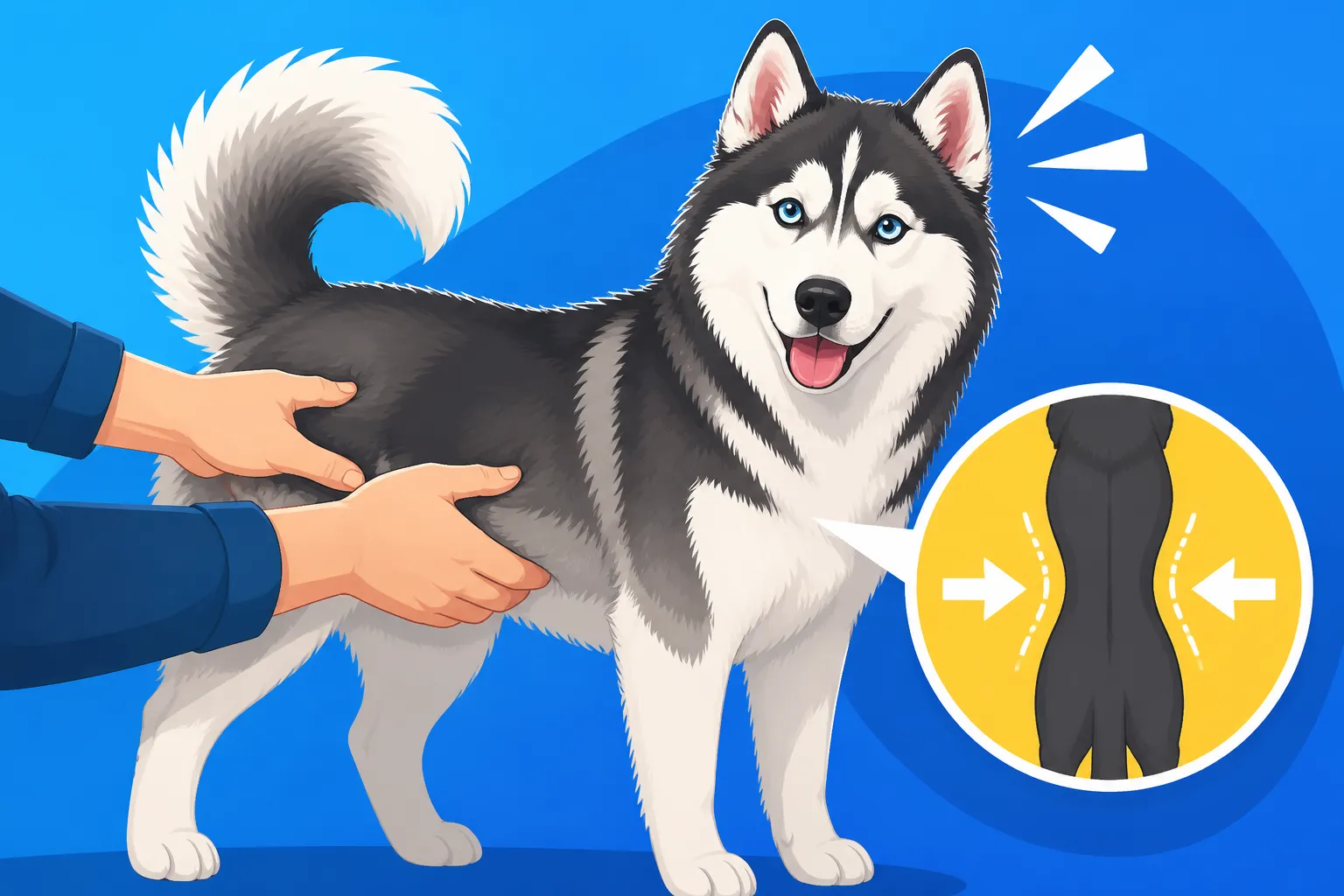
While visual waist tucks are often lost in the fur, you can still feel for it. After assessing the ribs and spine, stand behind your Husky and place your hands on their sides, just behind their last rib, where their abdomen begins. You should be able to feel a gentle indentation, or "tuck," as your hands move inwards towards their stomach area. This is the equivalent of a visual waist tuck on a short-haired dog, just beneath the fur.
A healthy Husky will have a distinct, but not exaggerated, tuck in this area. If you feel a continuous straight line from their rib cage to their hips, without any inward curve, it suggests they are carrying excess fat. If the tuck is extremely dramatic and feels hollow, with no real substance, they might be underweight. Remember, this isn't about seeing a dramatic hourglass figure; it's about feeling that subtle, athletic curve that indicates a lean, fit body. Regularly performing this manual check, along with the rib and spine assessment, will become second nature and provide invaluable insight into your Husky's true body condition, giving you the knowledge to keep them healthy.
Interpreting Your Findings: What a Healthy Husky Feels Like
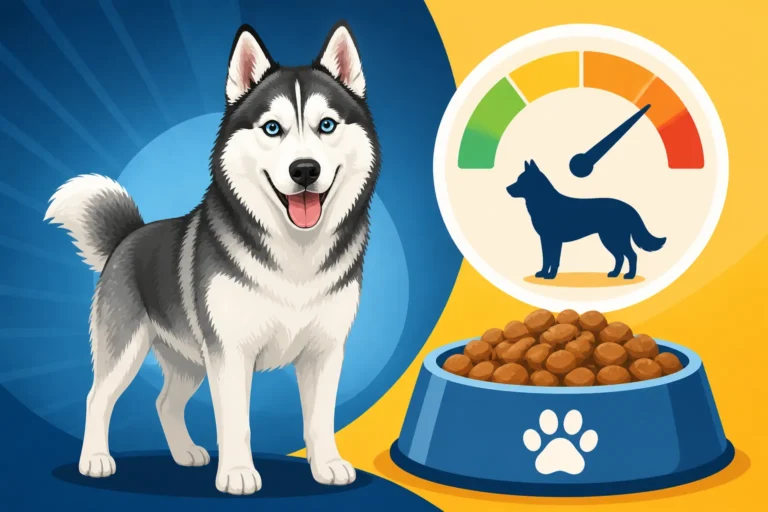
Once you've gotten the hang of feeling your Siberian Husky, the next step is to interpret what those sensations mean. This is where the concept of a Body Condition Score (BCS) comes in handy. It's a standardized way for veterinarians and owners to assess a pet's fat reserves, typically on a 1-5 or 1-9 scale. While a vet uses a more detailed scale, for home use, we can simplify it into three main categories: underweight, ideal, and overweight.
Ideal Body Condition Score
An ideal body condition for a Siberian Husky means they are lean, athletic, and well-muscled, without being bony or carrying excess fat. When you perform the manual checks:
- Ribs: You should easily feel their ribs with light pressure, almost like feeling knuckles through a thin glove. They shouldn't be visible, but distinctly palpable with minimal fat covering.
- Spine: The vertebrae should be palpable along the top of the back, but not sharply protruding. There should be a slight muscle and fat covering, giving a smooth yet discernible feel.
- Hip Bones: The hip bones should be palpable but covered with a thin layer of fat and muscle, not prominent or bony.
- Waist Tuck: When you feel behind the ribs, there should be a noticeable inward tuck of the abdomen. Visually, from above, even with a full coat, you might still catch a very subtle hint of a waist, and from the side, the abdomen should tuck up nicely.
This ideal condition is crucial for a breed designed for endurance. It allows them to perform physically without undue strain on their joints, and helps prevent various health issues. Keeping your Husky at this optimal weight means they have plenty of energy for their daily adventures, whether it's a long walk, a run, or even just spirited play in the yard. It contributes significantly to their overall health and Siberian Husky Lifespan and What Shortens It.
Signs of Being Underweight
While less common than being overweight in pet Huskies, some can struggle to maintain weight, especially highly active individuals or those with underlying health issues. Signs your Husky might be underweight include:
- Ribs: They will feel very prominent, sharp, and easily visible or palpable with no effort at all. It might feel like pressing directly onto bone with no cushion.
- Spine: The individual vertebrae will feel very distinct and sharp, with deep indentations between them. They might be visibly prominent even with fur.
- Hip Bones: These will be very obvious, possibly sharp, and easy to grasp or pinch.
- Waist Tuck: The abdominal tuck will be extremely exaggerated and hollow-feeling.
- Muscle Loss: You might notice a general loss of muscle mass, particularly over their hindquarters and shoulders, making them look somewhat gaunt despite their fur.
If you suspect your Husky is underweight, it's important to consult your vet. It could be due to insufficient calorie intake for their activity level – remember, Why a Siberian Husky Eats Less Than a Labrador is a real phenomenon, but extreme activity demands more – or it could signal an underlying medical condition. Your vet can rule out health issues and help you adjust their diet. For example, some Huskies might benefit from more frequent meals or a higher-calorie, nutrient-dense food.
Signs of Being Overweight
This is the more common scenario for pet Huskies, as their efficient metabolism means they don't need as many calories as many other breeds of their size. Overweight Huskies face increased risks for joint problems, heart disease, diabetes, and a shortened lifespan. When feeling for signs of being overweight:
- Ribs: You'll have difficulty feeling the ribs, needing to press quite firmly to detect them through a thick layer of fat. They won't be individually distinct.
- Spine: The vertebrae will be very difficult to feel, and the back will feel broad and flat due to fat deposits.
- Hip Bones: These will be buried under fat, making them hard to locate or feel distinctly.
- Waist Tuck: There will be little to no discernible waist tuck behind the ribs; the body will feel like a continuous line from ribs to hips.
- Overall Roundness: Despite the fur, you might notice a general roundness, especially around the chest and base of the tail, and possibly fat deposits over the shoulders.
Recognizing these signs is your cue to take action. An overweight Husky isn't just a cosmetic issue; it's a serious health concern. Luckily, managing their weight often comes down to careful portion control and appropriate exercise. Don't fall into the trap of thinking they need to eat as much as other active dogs; Weighing a Siberian Husky's Ration Instead of Scooping can make a huge difference in managing their caloric intake accurately.
Here's a simplified body condition guide to help you in your manual assessment:
| Feature | Underweight | Ideal | Overweight |
|---|---|---|---|
| Ribs (Feel) | Easily visible/sharp, no fat covering, no effort | Easily felt with light pressure, minimal fat | Difficult to feel, requires firm pressure |
| Spine (Feel) | Visible/sharp, prominent bumps, deep grooves | Palpable but smooth, slight muscle/fat covering | Not palpable, flat/broad back |
| Hip Bones (Feel) | Prominent, sharp, easily grasped | Palpable but covered, not prominent | Difficult to feel, buried under fat |
| Waist Tuck (Feel) | Extremely exaggerated, hollow | Distinct, gentle inward curve behind ribs | Little to no tuck, continuous line |
| Energy Level | May be lethargic or restless | Energetic, playful, good stamina | Often less active, tires easily |
Action Plan: Adjusting Diet and Exercise for Optimal Health
Once you've assessed your Siberian Husky's body condition, you'll have a much clearer idea of whether adjustments are needed. It's an ongoing process, not a one-time check, as their needs can change with age, activity level, and season. Remember, any significant changes to diet or exercise, especially for an underweight or significantly overweight Husky, should always be discussed with your veterinarian first.
Tuning Their Food Intake
If your Husky is showing signs of being underweight, the first step is to increase their caloric intake gradually. This doesn't necessarily mean just giving them more of their current food. Sometimes, switching to a higher-calorie, nutrient-dense formula designed for active dogs can be more effective. Look for foods with good protein and fat levels. You might consider feeding smaller, more frequent meals throughout the day, rather than one or two large ones. Brands like Ollie offer fresh food options that can be appealing and nutrient-rich, or you can find a wide variety of high-quality foods on Chewy and Amazon. Always measure food accurately – Getting Weight Onto a Thin Siberian Husky is a science, not just more kibble.
For an overweight Husky, the goal is careful calorie reduction and increased activity. This is where most owners struggle because Huskies truly thrive on less food than their size suggests. You'll likely need to reduce their current food portion by about 10-20% initially and monitor their weight weekly. Again, using a kitchen scale to measure food by weight, rather than cups, is far more accurate for Monthly Food Spend for an Adult Siberian Husky and ensures you're not overfeeding. Some owners find success with "diet" formulas, but often, simply feeding less of a good quality adult food works. Avoid excessive treats, or switch to low-calorie options like plain carrots or green beans. It’s also important to understand Adjusting Siberian Husky Food After Neutering as this can often lead to unexpected weight gain if calories aren't managed.
Boosting Appropriate Activity
Exercise is the other half of the equation. For both underweight and overweight Huskies, the type and amount of exercise matter.
For an underweight Husky, it's less about increasing raw exercise volume and more about ensuring they're getting sufficient, appropriate activity without burning too many calories they can't replace. Regular, moderate activity helps build muscle mass, which is crucial for a healthy weight. Focus on sustained activities like long walks, jogs, or even beginner canicross, rather than intense, short bursts that can burn a lot of energy quickly. Ensure they are getting enough recovery and proper nutrition after their activity.
For an overweight Husky, increasing exercise is paramount. This breed needs a lot of physical and mental stimulation. Daily long walks, runs, hikes, or activities like bikejoring or canicross are ideal. However, start slowly to avoid injury, especially if they are significantly overweight or older. A 15-minute walk might be all they can handle initially, gradually increasing duration and intensity over weeks. Remember, Whether a Walk Is Enough for a Siberian Husky is a critical question for their health; often, it's not enough on its own. Incorporate play sessions, fetch, or even swimming if they enjoy it. Mental stimulation through puzzle toys can also help burn some calories and keep them engaged. Finding ways to increase their movement, even indoors during bad weather, is essential. Remember, you can find a good digital pet scale on Amazon to keep track of their progress at home.
The journey to optimal health for your Siberian Husky is a marathon, not a sprint. Regular manual checks, combined with thoughtful adjustments to diet and exercise, will ensure your furry companion lives their happiest, healthiest, longest life by your side.
Disclaimer
This article is for general informational purposes only and does not constitute professional advice. Laws, prices and regulations vary by location and change over time. Consult a qualified professional for guidance on your specific situation.