The DNA Test for Siberian Husky PRA
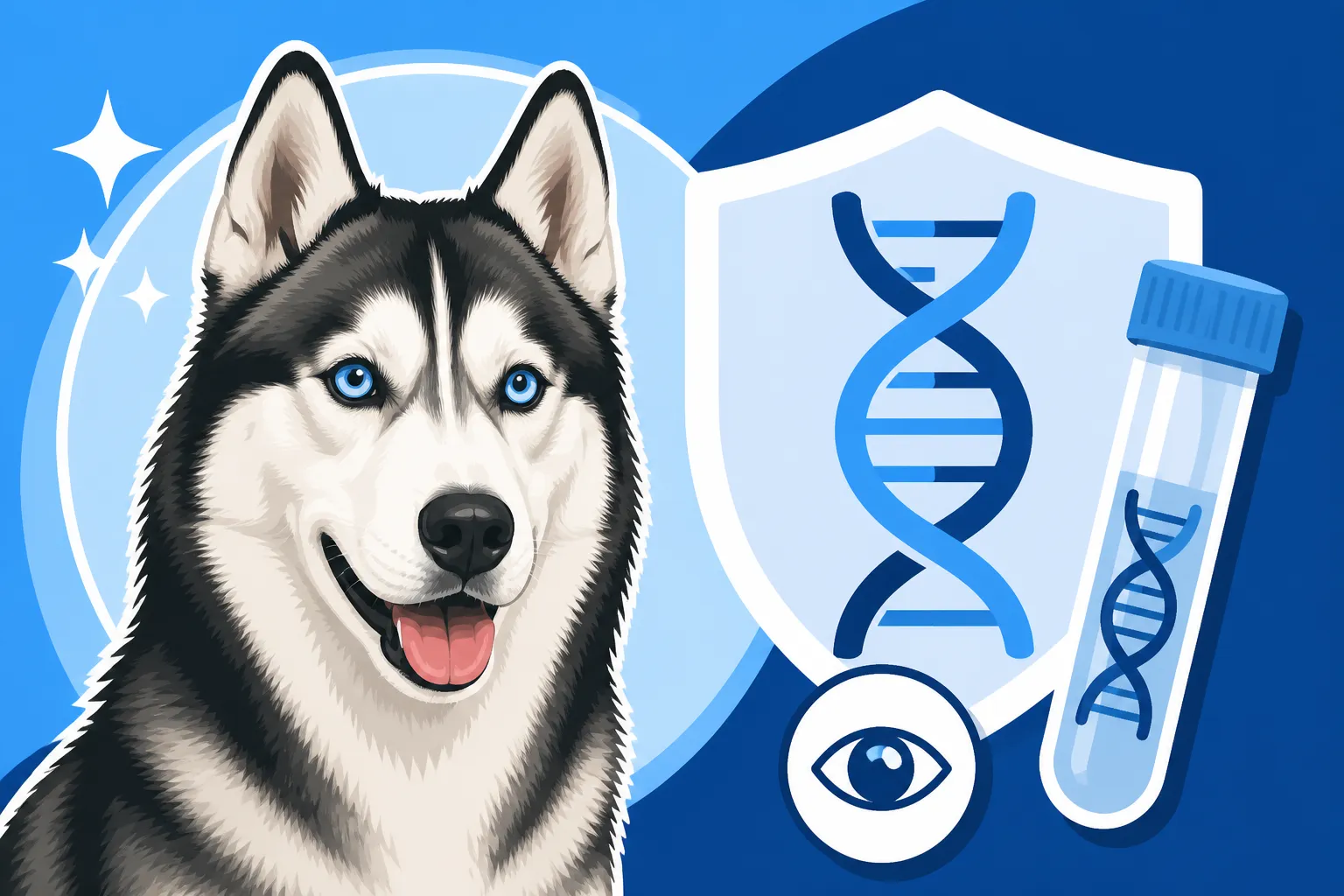
Discovering a genetic health issue in your beloved Siberian Husky can be a truly overwhelming experience, leaving you feeling helpless and unsure of the future. The worry about your dog's eyesight, their quality of life, and whether you might unknowingly be contributing to these issues in future generations is a heavy burden. This comprehensive guide will walk you through the specifics of Progressive Retinal Atrophy (PRA) in Siberian Huskies, focusing on the crucial role of DNA testing in understanding, managing, and ultimately working to eradicate this challenging eye condition from the breed.
Understanding Progressive Retinal Atrophy (PRA) in Siberian Huskies
When we talk about Progressive Retinal Atrophy, or PRA, it’s not just one disease but a group of inherited disorders that affect the retina, leading to degeneration of the photoreceptor cells and, ultimately, blindness. For Siberian Huskies, one specific form, X-linked Progressive Retinal Atrophy 1 (XLPRA1), is the primary concern, making genetic testing particularly vital. It’s a silent thief of sight, often progressing unnoticed until significant vision loss has occurred.
Symptoms and Progression of the Disease
The cruel reality of PRA is its insidious onset. Initially, your Siberian Husky might show signs of night blindness. This means they struggle to see in dim light, becoming hesitant to navigate familiar spaces after dusk or bumping into furniture they usually avoid. You might notice them being clumsier, especially in poorly lit rooms, or perhaps they become more startled by sudden movements from the sides. As the disease progresses, their daytime vision also deteriorates. Their pupils might appear permanently dilated, trying to let in as much light as possible to compensate for the failing retina. This widening of the pupils can give their eyes a "glassy" or "shiny" appearance in certain light.
Over time, often months or even years, the vision loss becomes complete. It’s a heartbreaking journey for any owner to witness, but it’s important to remember that PRA is not a painful condition. Your husky won't be in physical discomfort from the disease itself, but the loss of sight can understandably lead to changes in their confidence and behavior. They might become more dependent on you, less keen to explore, or more prone to anxiety in new environments. The timeline for total blindness can vary, but for affected males with XLPRA1, it can unfortunately manifest relatively early in life. This is why vigilance and early testing are so important. An annual eye exam is critical for all Siberians, and understanding the specific Siberian Husky Eye Disease and the Annual Exam your vet is looking for can make a huge difference.
Why Siberian Huskies Are Specifically Vulnerable
Siberian Huskies, along with Samoyeds, carry a specific genetic mutation that leads to XLPRA1. This makes them particularly vulnerable to this form of PRA compared to other breeds which might be affected by different genetic mutations leading to other types of PRA. The distinct "X-linked" nature of this disease is what sets it apart and dictates its inheritance pattern, making males much more commonly and severely affected. This genetic predisposition means that even well-bred lines, if not rigorously tested, can unknowingly carry and pass on the gene.
The breed’s genetic makeup, while contributing to their incredible athleticism and distinctive appearance, also carries this potential vulnerability. It's a stark reminder that even robust breeds can have inherent health challenges. Recognizing this specific susceptibility is the first step toward proactive management and responsible breeding practices, ensuring we protect the future health of our beloved Siberians. Many owners are surprised to learn that Why Siberian Huskies Need Their Eyes Checked Yearly isn't just a suggestion, but a crucial part of responsible ownership.
The Genetic Basis of XLPRA1 in Siberian Huskies
Delving into the "why" behind XLPRA1 requires a quick trip into basic genetics. Understanding the X-linked nature of this disease is paramount, especially for breeders, as it explains the disproportionate impact on male Siberian Huskies. It’s not just a random occurrence; it’s coded right into their DNA.
Understanding X-Linked Inheritance
X-linked inheritance means that the gene responsible for the condition is located on the X chromosome. Think back to high school biology: females have two X chromosomes (XX), and males have one X and one Y chromosome (XY). This difference is critical for XLPRA1.
- Males (XY): If a male inherits an X chromosome with the mutated gene (let’s call it X'), he will express the disease because he only has one X chromosome. There's no "backup" X to compensate for the faulty gene. Therefore, males are either "clear" (normal X) or "affected" (mutated X'). This is a key reason Why Husky PRA Runs Through the Male Line.
- Females (XX): Females have two X chromosomes.
- If a female inherits one normal X and one mutated X' (XX'), she is considered a "carrier." Typically, the normal X chromosome can compensate, and she will not show symptoms of PRA herself. However, she can pass the mutated X' onto her offspring.
- For a female to be "affected" (X'X'), she would need to inherit a mutated X' from both parents – meaning her father would have to be affected, and her mother would have to be at least a carrier (or affected). This is why affected females are significantly rarer than affected males.
This unique pattern of inheritance makes genetic testing invaluable, as it allows us to identify carrier females who appear healthy but can transmit the disease. Without testing, these carriers would unknowingly perpetuate XLPRA1 in the breed.
The Role of the RPGR Gene
The specific culprit gene implicated in XLPRA1 in Siberian Huskies is known as RPGR. This gene provides instructions for making a protein that is essential for the proper function of photoreceptor cells in the retina, particularly the rod photoreceptors responsible for vision in dim light. When there's a mutation in the RPGR gene, these photoreceptor cells start to degenerate. They don't function correctly, they die off, and the retina gradually loses its ability to convert light into electrical signals that the brain can interpret.
The degeneration is progressive, meaning it worsens over time. It starts subtly, often with rods, affecting night vision first, then moves on to cones, impacting day vision as well. Identifying this specific gene mutation through DNA testing provides a definitive answer as to whether a dog carries the genetic predisposition for XLPRA1. It takes the guesswork out of breeding and gives owners clarity about their dog's future health. This precision in genetic identification is a testament to advancements in veterinary science, giving us powerful tools to combat diseases that once seemed inevitable.
How the DNA Test for XLPRA1 Works
Taking the proactive step to test your Siberian Husky for XLPRA1 is remarkably straightforward, thanks to modern veterinary genetics. It's not an invasive procedure, and it can provide invaluable insights for your dog's health and for the breed as a whole.
The Sample Collection Process
Gone are the days when genetic testing required a blood draw for every condition. For XLPRA1 and many other genetic diseases, the process is incredibly simple: a buccal swab, often referred to as a cheek swab. This means you can typically collect the sample right in the comfort of your own home, without the need for a stressful vet visit just for this test.
Here's how it generally works:
- Order a Kit: You'll order a DNA testing kit from a reputable veterinary genetic testing laboratory. This kit usually contains sterile swabs, instructions, and return packaging.
- Swab the Cheek: Following the instructions carefully, you'll gently rub the sterile swab firmly against the inside of your husky's cheek and under the tongue for about 10-20 seconds. The goal is to collect a good amount of cheek cells, which contain the DNA. Most kits come with multiple swabs to ensure adequate sample collection. It's best to do this at least an hour after your dog has eaten, drunk, or chewed on a toy, to avoid contamination with food particles.
- Dry and Package: You'll air-dry the swabs for a short period (as specified by the lab) to prevent mold growth during transit, then place them into the provided sterile packaging.
- Send It Off: Mail the samples back to the laboratory using the pre-addressed envelope or shipping label.
It's a quick, painless, and low-stress procedure for your dog, making it accessible to virtually all owners and breeders. This ease of collection removes a significant barrier to widespread testing, encouraging more people to participate in safeguarding the breed's future.
Choosing a Reputable Testing Laboratory
The integrity of your results hinges on the laboratory you choose. You wouldn't trust just anyone with your dog's health information, and genetic testing is no different. It's crucial to select a reputable facility that specializes in canine genetics and ideally one that is recognized by breed organizations or health registries.
Key things to look for:
- OFA-Approved Labs: The Orthopedic Foundation for Animals (OFA) maintains a list of approved laboratories that meet specific quality standards for genetic testing. While OFA is more commonly associated with hip and elbow evaluations, they also certify laboratories for DNA health tests. Checking their website for a list of accepted labs for XLPRA1 is an excellent starting point.
- Specialization: Look for labs that focus primarily on animal genetics. Companies like Embark Veterinary, Optimal Selection (owned by Wisdom Panel), and DDC Veterinary are well-known and respected in the canine genetic testing community. They offer comprehensive panels that often include XLPRA1 among many other conditions relevant to Siberian Huskies.
- Transparency and Support: A good lab will clearly explain their testing methodology, turnaround times, and how to interpret results. They should also offer customer support if you have questions.
- Accreditation: While not always explicitly stated for every test, reputable labs will often hold general accreditations for their laboratory practices, indicating a commitment to quality control.
Resist the temptation to opt for the cheapest, unknown options. The small saving might come at the cost of inaccurate or unreliable results, which can have significant consequences for breeding decisions and your dog's future care. Ensuring you use a trusted lab gives you peace of mind that the information you receive is accurate and actionable. If you’re also doing other Health Testing Before You Buy a Siberian Husky, you might find labs offering bundled tests which can be cost-effective.
The Turnaround Time for Results
Once your precious cheek swabs are in the mail, the waiting game begins. The turnaround time for DNA test results can vary depending on the laboratory, the specific tests requested, and the current volume of samples they are processing. Generally, you can expect to receive results within 2 to 6 weeks.
Some labs, especially those offering very extensive genetic panels, might take a bit longer, while others, particularly those focused on single-gene tests, might be quicker. Most reputable labs will provide an estimated timeframe when you order the kit or on their website. They will typically notify you via email when the results are ready and accessible through an online portal.
While waiting, it’s natural to feel anxious, especially if you're testing a potential breeding dog or a husky showing early signs of vision changes. However, remember that the lab is meticulously analyzing your dog's DNA to provide accurate information. Patience is key, and the comprehensive results you receive will be well worth the wait, giving you a clear path forward.
Interpreting Your Siberian Husky's PRA DNA Test Results
Receiving your husky's DNA test results can feel a bit like opening a report card. The terminology might seem daunting at first, but understanding the three main classifications – Clear, Carrier, and Affected – is crucial for both pet owners and breeders. This information directly impacts your dog's health outlook and any potential breeding plans.
Clear, Carrier, and Affected Designations
For X-linked Progressive Retinal Atrophy 1 (XLPRA1), the results will fall into one of these categories, with slightly different implications for males and females due to the X-linked inheritance pattern:
-
Clear (Normal/Non-affected):
- Males (XY): Your male husky has two normal copies of the RPGR gene on his single X chromosome. He will not develop XLPRA1 and cannot pass the mutated gene on to any offspring. This is the best possible result!
- Females (XX): Your female husky has two normal copies of the RPGR gene, one on each of her X chromosomes. She will not develop XLPRA1 and cannot pass the mutated gene on to any offspring.
- Interpretation: Your dog is free from the XLPRA1 mutation. You can breathe a sigh of relief on this front.
-
Carrier (Affected Heterozygous Female):
- Males (XY): Males cannot be carriers for X-linked traits in the same way females can be. If a male has one mutated X chromosome, he is considered affected.
- Females (XX'): Your female husky has one normal copy of the RPGR gene and one mutated copy. She is a carrier of the disease. While most carrier females are clinically asymptomatic (meaning they won't show signs of vision loss themselves), they can pass the mutated gene to 50% of their offspring on average.
- Interpretation: For females, being a carrier typically means a healthy life for your husky, but it has significant implications for breeding.
-
Affected (Affected Homozygous Female / Affected Hemizygous Male):
- Males (X'Y): Your male husky has inherited the mutated RPGR gene on his single X chromosome. He will develop XLPRA1 and will pass the mutated gene to all of his daughters (who would then be carriers) and none of his sons.
- Females (X'X'): Your female husky has inherited a mutated RPGR gene on both of her X chromosomes. She will develop XLPRA1 and will pass the mutated gene to all of her offspring. (This scenario is rare, requiring an affected father and at least a carrier mother).
- Interpretation: Your dog will develop XLPRA1. The test cannot predict the exact age of onset or rate of progression, but it confirms the genetic predisposition.
Understanding these distinctions is paramount. Don't hesitate to consult with your veterinarian or the genetic testing laboratory if you have any questions about your specific results.
| Result | Male (XY) | Female (XX) | Risk of Developing XLPRA1 | Breeding Implications |
|---|---|---|---|---|
| Clear | Normal X on Y chromosome | Two normal X chromosomes | No risk | Can be bred to any mate without fear of passing on XLPRA1. |
| Carrier | Not applicable for males (see Affected) | One normal X, one mutated X | Usually no risk, but can develop mild symptoms in rare cases. | Should only be bred to a Clear male. 50% of offspring will be carriers, 50% clear. |
| Affected | Mutated X on Y chromosome | Two mutated X chromosomes | Will develop XLPRA1 | Should not be bred. All offspring would receive at least one mutated X chromosome. |
Implications for Your Individual Dog's Health
Beyond breeding decisions, your husky's DNA test results for XLPRA1 carry direct implications for their individual health and care.
- If your Siberian Husky tests "Clear": This is fantastic news! It means your husky is genetically free from XLPRA1. You don't need to worry about this specific form of PRA affecting their vision. However, remember that there are other eye conditions that can affect Siberian Huskies, so regular veterinary check-ups and annual eye exams are still important for overall health. The comprehensive What an Ophthalmologist Checks in a Siberian Husky goes beyond just PRA.
- If your female Siberian Husky tests "Carrier": Your husky is unlikely to develop symptoms of XLPRA1. As mentioned, the normal X chromosome usually provides enough functioning protein. However, a carrier female can still be affected by other non-genetic eye conditions. The main implication here is if you plan to breed her. She should only be bred to a male who has tested "Clear" for XLPRA1 to ensure no affected puppies are produced.
- If your male Siberian Husky tests "Affected": This means your husky will develop XLPRA1. While the test doesn't give a precise timeline, it's an unfortunate certainty. This knowledge, however, allows you to prepare. You can start making adjustments to your home and routine to help your dog as their vision declines. This might include keeping furniture in consistent locations, using verbal cues more frequently, and creating safe, predictable spaces. It's also important to discuss with your vet how to best support your dog through this transition, considering options like antioxidant supplements, although there is no cure for PRA.
- If your female Siberian Husky tests "Affected" (rare): Similar to an affected male, she will develop XLPRA1. Again, knowing this in advance allows for careful planning and preparation for her future needs.
Regardless of the result, knowing your dog's genetic status empowers you to make informed decisions about their health, care, and future. It's a proactive step that exemplifies responsible pet ownership. Many pet insurance providers, like Healthy Paws, emphasize the importance of genetic testing and preventive care, as it can help you plan for potential health challenges and ensure your husky has access to the best veterinary care if conditions like PRA do arise. Understanding your dog's predispositions can also help you look into options for Caring for a Siberian Husky Past Ten, planning ahead for their senior years.
Breeding Responsibly with XLPRA1 DNA Test Information
For those involved in breeding Siberian Huskies, the XLPRA1 DNA test is not just a useful tool; it's an ethical imperative. Responsible breeding goes beyond producing beautiful puppies; it means striving to improve the health and longevity of the breed. Genetic testing for diseases like PRA is at the forefront of this effort.
Making Informed Breeding Decisions
The primary goal of DNA testing for XLPRA1 in breeding stock is to prevent the birth of affected puppies. With the results in hand, breeders can make highly informed decisions about which dogs to pair.
- Avoid Breeding Affected Dogs: Any male or female that tests "Affected" for XLPRA1 should absolutely not be used for breeding. Breeding an affected dog guarantees that all offspring will either be affected (if male) or carriers/affected (if female), perpetuating the disease.
- Strategic Breeding with Carriers: If you have a female carrier, she can still be part of a responsible breeding program, but with a critical caveat: she must only be bred to a male who has tested "Clear" for XLPRA1. This pairing will result in some puppies being clear and some being carriers, but no affected puppies. Any offspring destined for breeding homes should then be tested themselves to identify carriers before they are bred. This method allows valuable genetics from carrier lines to be preserved while systematically weeding out the affected gene.
- Prioritize Clear-to-Clear Pairings: The ideal scenario is to breed two dogs that are both "Clear" for XLPRA1. This pairing guarantees that all puppies will also be clear, further reducing the prevalence of the disease in the gene pool.
By adhering to these principles, breeders are actively working to reduce the incidence of XLPRA1, slowly but surely creating a healthier future for Siberian Huskies. This commitment often involves transparently sharing health testing results with potential puppy buyers, ensuring they know they are getting a puppy from a line committed to health. When you're looking at Reading a Siberian Husky Puppy's Health Paperwork, genetic test results for PRA should be a standard inclusion.
Reducing the Incidence of PRA in Future Generations
The cumulative effect of widespread, responsible testing and breeding choices is a significant reduction in genetic diseases across an entire breed. Every informed breeding decision contributes to this larger goal.
Imagine a scenario where a breeder has a fantastic female, exceptional in temperament and conformation, but she tests as an XLPRA1 carrier. Instead of simply removing her from the breeding program entirely (which could deplete valuable genetic diversity), the DNA test allows the breeder to make a calculated choice. They would pair her with a proven "Clear" male. This mating ensures that any puppies who inherit the X' gene from the mother will also inherit a normal X from the father, resulting in carrier females but no affected males or females. Then, those puppies can be tested. Clear puppies can be bred to any clear mate, and carrier females could be bred to clear males, continuing the cycle of careful selection.
Over several generations of dedicated testing and selective breeding, the percentage of carriers in the population can be drastically reduced. This systematic approach is much more effective than simply removing all carriers, which might inadvertently narrow the gene pool too much. It's a long-term commitment that requires diligence, but the reward is a healthier breed less plagued by preventable genetic conditions.
The Importance of Testing All Breeding Stock
The critical takeaway here is that all breeding stock – both males and females – should be tested for XLPRA1 before being bred. Relying on "visual inspection" or anecdotal evidence is simply not sufficient. A female carrier appears perfectly healthy, yet she can be a silent transmitter of the disease. A male who appears healthy could also be a carrier of another form of PRA, though less likely for XLPRA1, which is predominantly male-affected.
Pre-emptive testing provides certainty. It allows breeders to confidently plan matings, ensuring they are not unknowingly producing affected puppies. Furthermore, transparency in testing results builds trust with puppy buyers. Reputable breeders will be open about their dogs' health clearances, including PRA DNA test results, and will encourage potential buyers to ask about them. This proactive approach not only safeguards the individual health of each puppy but also upholds the integrity and health of the entire Siberian Husky breed. It’s a core component of what goes into breeding healthy dogs and contributes to the overall Siberian Husky Lifespan and What Shortens It.
Living with a Siberian Husky Diagnosed with PRA
Receiving an "Affected" diagnosis for XLPRA1 can be devastating. As an owner, your immediate thoughts likely turn to your husky's quality of life and how you can best support them through the inevitable loss of sight. While there's no cure for PRA, there are many ways to ensure your blind or visually impaired husky continues to live a full, happy, and enriching life.
Caring for a Blind or Visually Impaired Husky
Adjusting to a husky with vision loss is a journey for both of you, but with a few simple strategies, they can adapt remarkably well. Huskies are incredibly resilient and adaptable, relying heavily on their other senses.
- Maintain Consistency: The most important rule is to keep your home environment consistent. Avoid moving furniture, dog beds, food and water bowls, or toys. A familiar layout allows your husky to create a mental map of their surroundings, navigating confidently by memory and scent. If you must move something, guide them around the new obstacle several times.
- Verbal Cues are Key: Start using clear, consistent verbal cues for everything. Commands like "step up," "watch out," "left," "right," "stop," and "wait" become their guiding lights. Reward them heavily for responding.
- Scent and Texture Markers: Consider using different scents (like a drop of essential oil diluted in water on a cotton ball) near doorways or the edge of furniture, or textured mats at the top and bottom of stairs, to provide non-visual cues.
- Safety First: Secure your yard with a truly escape-proof fence. A blind husky is even more vulnerable to getting lost or injured if they wander. For walks, always use a leash and a secure harness. Consider a "blind dog" vest or bandana to alert others that your husky can't see, which can prevent startling interactions with other dogs or people. Even if they are blind, a Siberian Husky's natural instinct to run means Keeping a Blind Siberian Husky Safely Contained is paramount.
- Protection from Injury: Pad sharp corners of furniture, especially at your dog's eye level. Keep floors clear of clutter. Consider baby gates to block off stairs or dangerous areas until your husky is comfortable navigating them.
- Outdoor Navigation: While they might not be able to see, your husky still needs exercise. Take them on familiar routes, allowing them to sniff and explore. Be their eyes, calling out warnings about curbs, poles, or other obstacles. Many blind huskies can still enjoy walks, runs, and even hikes, showing that Whether a Blind Siberian Husky Can Still Run is often a resounding yes with proper guidance.
Remember, your husky doesn't feel sorry for themselves. They adapt to their new normal, and your consistent, loving support is the most crucial element in their continued happiness. Investing in a good pet insurance plan, such as Healthy Paws, early in your husky's life can be incredibly beneficial. While genetic conditions like PRA might be subject to waiting periods or pre-existing condition clauses if diagnosed before enrollment, a comprehensive plan can help with the costs of managing secondary issues, ongoing vet visits, and potentially expensive mobility aids or adaptations as your husky ages.
Maintaining Quality of Life
A visually impaired husky can still enjoy an incredibly rich and fulfilling life. It's about tapping into their other powerful senses and ensuring their world remains stimulating and safe.
- Enrichment Activities: Focus on activities that engage their excellent sense of smell and hearing. Scent games, puzzle toys filled with treats, and interactive toys that make noise are fantastic. Hide-and-seek with their favorite toys (and you!) can be a great bonding experience.
- Consistent Routine: Dogs thrive on routine, and for a blind husky, a predictable schedule for meals, walks, and playtime provides immense comfort and reduces anxiety.
- Vocal Communication: Talk to your husky frequently. Let them know you're approaching, what you're doing, and praise them often. Your voice becomes a constant source of reassurance and information.
- Socialization: Continue to socialize your husky with other calm, friendly dogs and people. Introduce them slowly and explain their blindness to others so they understand. Other dogs can even act as "guide dogs" in a familiar, safe environment.
- Veterinary Care: Regular vet check-ups remain vital. Your vet can monitor for any secondary issues, help manage pain if arthritis develops (common in older dogs, whether sighted or not), and ensure their overall health is optimized. They can also offer advice on supplements or medications that might support retinal health, although, as mentioned, there's no cure for PRA itself.
The average How Long Siberian Huskies Live on Average is a testament to their general hardiness. A PRA diagnosis does not have to mean a shortened life, but rather a life lived differently, with careful consideration for their unique needs. With patience, love, and proactive care, your blind Siberian Husky can continue to be a cherished and happy member of your family for many years to come.
Disclaimer
The information provided in this article is for general informational purposes only and does not constitute veterinary advice. Always consult with a qualified veterinarian or veterinary ophthalmologist for any health concerns or before making any decisions about your pet's health or treatment plan. Genetic testing results should be discussed with a professional to understand their full implications.