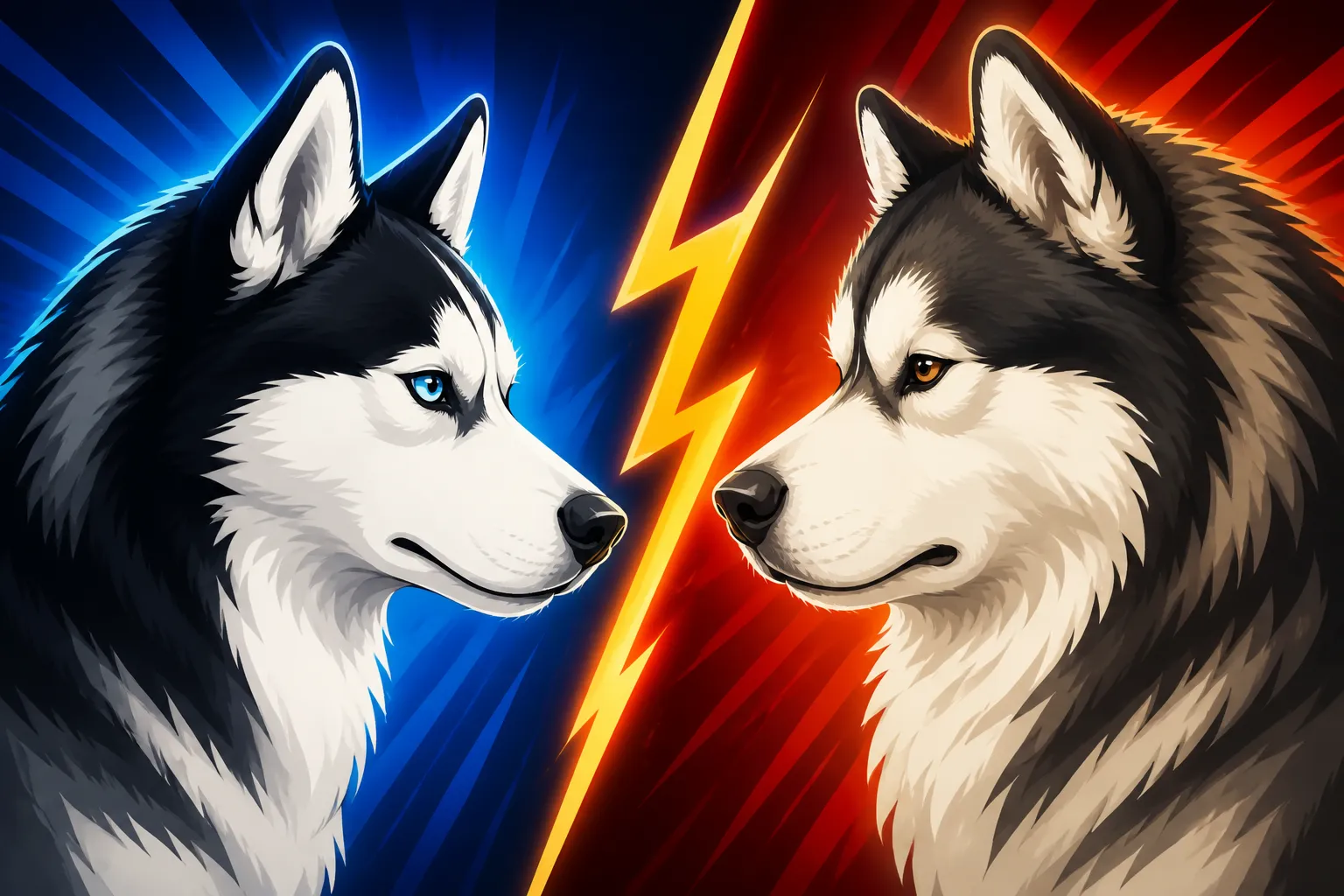
Siberian Husky Against the Alaskan Malamute
It's incredibly common for people to look at a majestic, thick-coated, pointy-eared dog and think, "Is that a Siberian Husky, or is it an Alaskan Malamute?" Trust me, you're not alone in that confusion! They share a striking resemblance, especially to the untrained eye, but beneath that gorgeous double coat lie two distinct breeds with different histories, temperaments, and needs. This guide is dedicated to helping you unravel those differences, moving beyond the superficial to understand what truly sets a Siberian Husky apart from an Alaskan Malamute.
The Northern Roots: Origins and Purpose
Understanding where these magnificent dogs come from is the first step to truly appreciating their unique qualities and why they are the way they are. Both breeds hail from the harsh, unforgiving environments of the Arctic, but their original jobs shaped them into the dogs we know today.
Siberian Husky: Endurance and Speed
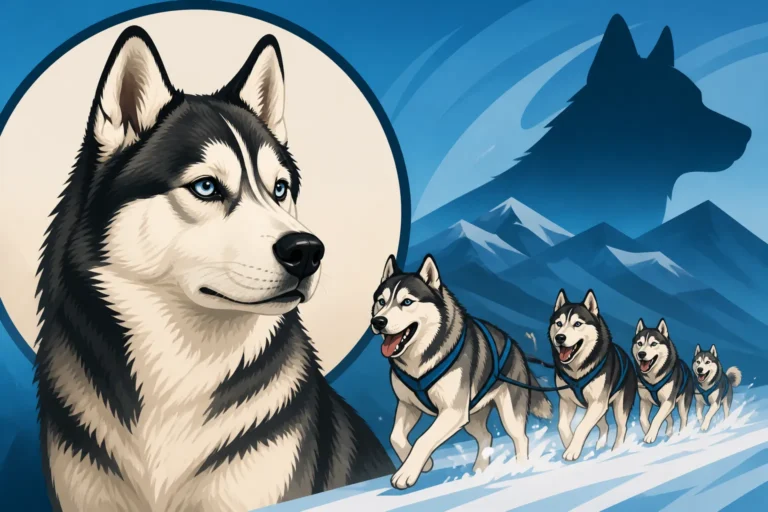
The Siberian Husky’s lineage traces back to the nomadic Chukchi people of northeastern Siberia. Imagine living in a land where temperatures plummet, snow blankets everything for months, and resources are scarce. The Chukchi relied on their dogs for survival, needing a reliable, efficient form of transportation for hunting, trapping, and moving their camps.
These dogs weren't about raw power; they were bred for endurance and speed over vast distances, often on light loads. They needed to cover many miles each day, conserving energy with an incredibly efficient metabolism, all while maintaining a cooperative yet independent spirit. This explains why they are often described as "runners." Their build reflects this: lean, athletic, and built for graceful movement. When you see a Siberian Husky effortlessly gliding over snow, you're witnessing generations of selective breeding for this very purpose. This heritage is also why topics like What a Siberian Husky Was Bred to Do are so crucial for understanding the breed.
Alaskan Malamute: Power and Stamina
In contrast, the Alaskan Malamute’s history lies with the Mahlemut Inuit tribe in western Alaska. Their needs were different, but equally demanding. The Mahlemuts required powerful dogs to haul heavy loads, often game killed during hunts or supplies across treacherous terrain. Think of massive, densely packed sleds, not light, swift deliveries.
Malamutes were the original freight haulers of the Arctic. They needed immense strength, incredible stamina, and a thick, insulating coat to withstand the most extreme cold while working. Their physical build is a testament to this job: broad chests, heavy bone, and a deep-seated desire to pull. They are the "powerhouses" of the north, designed to move mountains, not simply sprint across them. Their work was often slow and steady, requiring incredible brute strength rather than blistering speed. If you ever wondered Why Malamutes Pull Freight and Siberians Pull Fast, their distinct historical roles are the primary reason.
Physical Characteristics and Appearance
At first glance, both breeds possess that classic "wolf-like" appearance, which is part of their appeal. However, a closer look reveals significant distinctions in their size, build, coat, and even eye color.
Size and Build Differences
This is perhaps the most immediate differentiator. The Alaskan Malamute is, without a doubt, the larger, more heavily built of the two.
A typical male Alaskan Malamute usually stands between 23 to 25 inches at the shoulder and weighs anywhere from 75 to 85 pounds, though some can easily top 100 pounds. Females are slightly smaller, but still robust. They have a massive, sturdy bone structure, deep chests, and powerful, muscular bodies built for sheer pulling strength. When you see a Malamute, you'll notice their broad heads, thick necks, and substantial paws – everything about them screams power. They look like they could pull a small car, and in many ways, they were bred to do just that. If you're curious Which Is Bigger, a Siberian Husky or a Malamute, the Malamute consistently wins in terms of mass and build.
Siberian Huskies, while still substantial dogs, are noticeably lighter and more agile. Males typically stand 21 to 23.5 inches at the shoulder and weigh 45 to 60 pounds, with females being a bit smaller at 35 to 50 pounds. They have a more refined, medium-sized build, with elegant bone structure and an athletic, streamlined body designed for speed and endurance. Their heads are more proportionate to their body, and their chests are not as deep or broad as a Malamute's. They possess a nimble gait that allows them to cover ground efficiently without expending excessive energy.
Coat and Eye Color Distinctions
Both breeds boast a magnificent double coat, a necessity for their Arctic survival. However, there are subtle differences in texture and thickness.
Malamutes have a very thick, coarse outer coat and an even denser, woolly undercoat. Their fur often feels softer to the touch than you'd expect, especially the undercoat, and it's built for maximum insulation. They come in a variety of colors, typically ranging from light gray to black, sable, and red, all with white markings on the legs, paws, and parts of the face. Their tails are usually carried over the back in a plume, often referred to as a "plume tail." One striking visual cue is that Malamutes only have brown eyes. While some might have amber, they will never have blue eyes. This is a crucial distinction.
Siberian Huskies also have a thick double coat, but their outer coat is typically softer and less coarse than a Malamute's, designed more for protection from snow and ice shedding rather than just insulation. Their undercoat is dense, but often not as woolly as a Malamute's. Huskies come in a wider array of colors and markings, including black and white, gray and white, red and white, sable, pure white, and even the unique "agouti" pattern. Their tails are also carried over the back, often described as a "sickle" or "brush" tail, less feathery than a Malamute's. The most iconic feature for many is their eyes: Siberian Huskies can have brown eyes, blue eyes, or even heterochromia (one blue, one brown, or marbled), which is quite common and perfectly within their breed standard. When you're trying to figure out Telling a Siberian Husky From an Alaskan Malamute, eye color is often a dead giveaway.
Temperament and Personality Traits
Beyond their physical differences, the contrasting roles these breeds played in the Arctic led to distinct personality traits. While both are intelligent and can be a handful, their inherent drives and interactions with the world around them vary considerably.
Siberian Husky: Independent and Playful
Siberian Huskies are known for their playful, mischievous, and often independent nature. They were bred to work in large teams with other dogs, often without direct human supervision for long stretches, so they developed a certain level of self-sufficiency. They are generally friendly with strangers and other dogs, often greeting everyone with an enthusiastic, if sometimes overwhelming, exuberance.
However, this independence also means they can be incredibly stubborn and have a "what's in it for me?" attitude when it comes to training. They are highly intelligent, but their intelligence is often geared towards problem-solving for their own benefit – like figuring out how to open a gate or escape a yard. They possess a strong prey drive, making them a significant risk around smaller animals like cats, rabbits, or even squirrels. Their vocalizations are legendary, ranging from howls and yodels to the famous "Husky talk," but they are not typically barkers. Their zest for life and boundless energy make them fantastic companions for active individuals, but their independent streak requires a committed owner. For more insight into their personality, reading about Siberian Husky Temperament and What the Standard Says can be really helpful.
Alaskan Malamute: Loyal and Dignified
Alaskan Malamutes, while also playful, generally exude a more dignified and serious demeanor. They were bred to work closely with their human partners, forming strong bonds and often being indispensable family members in harsh environments. This has resulted in a breed that is incredibly loyal and devoted to its family. They tend to be more "people-oriented" than Huskies, craving interaction and often preferring to be near their human companions.
While friendly, Malamutes can be reserved with strangers and might take a little longer to warm up. They also tend to be more dominant with other dogs, especially those of the same sex, which requires careful socialization and management. Their prey drive is equally strong, if not stronger, than a Husky's, given their history of hunting. When a Malamute decides to vocalize, it's usually with a deep "woo-woo" sound or a powerful howl, but they are generally less talkative than Huskies. Their strength of will can make them challenging for inexperienced owners, as they can be quite assertive and require consistent leadership. They are intelligent, but their problem-solving is often focused on getting their way, especially if they think they can outwit you!
Exercise Needs and Working Drive
Here's where the rubber meets the road, or rather, the paws meet the trail. The fundamental difference in their original jobs translates directly into their daily exercise requirements and what makes them feel fulfilled.
Siberian Husky: The Marathoner's Spirit
Siberian Huskies are built for speed and endurance, capable of running for hours on end. Their need for exercise is immense, but it's not just about physical exertion; it's about mental stimulation and covering distance. A short walk around the block simply won't cut it for a Husky. They thrive on long runs, hikes, or structured activities like canicross or bikejoring, where they can utilize their natural pulling instinct in a controlled way.
Without sufficient exercise and mental engagement, a Husky will often become bored, destructive, and restless. This is where many owners struggle, leading to dogs chewing furniture, digging craters in the yard, or attempting elaborate escapes. Their roaming instinct is incredibly strong, a leftover from their ancestors who would travel vast distances with their Chukchi owners. This drive is so powerful that even the best-trained Husky can bolt if given the opportunity, making reliable off-leash recall a lifelong challenge, if not an impossibility for most. You absolutely need to understand Why a Siberian Husky Cannot Be Trusted Off Leash if you're considering this breed. They require an active owner who is committed to providing consistent, challenging exercise daily, regardless of the weather.
Alaskan Malamute: The Power Lifter's Endurance
Alaskan Malamutes also require a significant amount of exercise, but it's a different kind of exercise. While they can and will enjoy a good run, their bodies are built for power and stamina over short to medium distances with heavy loads. Think of them as the powerlifters of the dog world, capable of sustained exertion, but not necessarily sprinting marathons. They excel at activities like weight pulling, backpacking, or hauling equipment on a sled or cart.
Similar to Huskies, a bored Malamute can be incredibly destructive. They will dig, chew, and become restless if their substantial energy isn't channeled appropriately. However, their urge to roam is often less pronounced than a Husky's, though still present. They prefer to work with their handler and find satisfaction in tasks that involve their strength. They need consistent, moderate-to-vigorous exercise that engages their powerful bodies and minds. A long, strenuous hike carrying a pack, or a session pulling a cart, would be far more fulfilling for a Malamute than a simple fast-paced jog. Their exercise should focus on strength, endurance, and mental engagement, rather than just pure speed.
Grooming and Coat Care Differences
Both Huskies and Malamutes are renowned for their magnificent double coats, which are essential for their survival in freezing temperatures. However, even with this shared trait, there are nuances in their grooming needs.
Siberian Husky: The Profound Coat Blow
The Siberian Husky's coat consists of a soft, dense undercoat and a longer, coarser outer coat. This double layer provides incredible insulation and protection from the elements. Huskies are generally very clean dogs, often grooming themselves much like cats, and they have very little "doggy odor." This is fantastic for living indoors, as you won't typically contend with a strong smell.
However, the "coat blow" is legendary, and if you live with a Husky, you will experience it. Twice a year, typically in spring and fall, Huskies "blow" their undercoat, meaning they shed an incredible volume of fur over several weeks. During these periods, daily, thorough brushing with an undercoat rake is not just recommended, it's mandatory. You'll fill vacuum bags, find tumbleweeds of fur in every corner, and even question if you still have a dog under all the fluff. Beyond these intense shedding periods, a weekly brush is usually sufficient to keep their coat healthy and minimize loose hair. It's vital to remember: never shave a Siberian Husky. Their double coat protects them from both cold and heat, and shaving it can damage the growth and effectiveness of the coat, making them less comfortable in warm weather and susceptible to sunburn. For a deep dive into this topic, check out Siberian Husky Coat Blow and the Six Weeks It Lasts.
Alaskan Malamute: The Endless Shed
Alaskan Malamutes also have a thick, dense double coat, usually somewhat longer and coarser than a Husky's, with a more profuse, woolly undercoat. This coat is designed for maximum warmth in extreme cold. Like Huskies, Malamutes are generally clean and have very little natural odor, which is a big plus for indoor living.
Malamutes also experience significant shedding, though their "blow" might be less dramatic in its sudden onset than a Husky's. Instead, many Malamute owners describe it as more of a constant, year-round moderate shed, with heavier periods twice a year. Their woolly undercoat can be quite challenging to manage, often requiring a strong undercoat rake and a high-velocity dryer to truly get through it and prevent matting, especially in humid climates. Regular brushing, at least a few times a week, is essential to keep their coat healthy, prevent matting, and manage the amount of fur floating around your home. Like Huskies, Malamutes should never be shaved, as their coat is crucial for regulating body temperature and protecting their skin. The sheer volume of their fur means investing in quality grooming tools, perhaps from a reputable online retailer like Chewy, will be a recurring need.
Dietary Needs and Metabolism
Both Siberian Huskies and Alaskan Malamutes possess metabolisms uniquely adapted to their historical roles in harsh environments, meaning their dietary needs can be quite specific and often misunderstood.
Siberian Husky: The Efficient Eater
Siberian Huskies are famous for their incredibly efficient metabolism. They were bred to run long distances on minimal food, meaning they convert calories into energy with remarkable efficiency. This is a blessing and a curse. On one hand, they typically eat less than you would expect for a dog of their size, especially compared to other breeds. On the other hand, this efficiency also means they can gain weight very easily if overfed, which can lead to joint problems and other health issues.
It's common for new Husky owners to overfeed them based on the guidelines on dog food bags, which are often generalized for less efficient breeds. Huskies often do best on a high-quality, protein-rich diet, but the quantity needs careful management. Feeling for their ribs, rather than relying purely on visual cues (which can be obscured by their thick coat), is key to maintaining a healthy weight. They are also known for being picky eaters, sometimes skipping meals, which can be alarming to owners but is often just part of their efficient nature. You'll likely find yourself constantly evaluating how much to feed them, leading to discussions like Feeding a Siberian Husky on 60 Percent of the Label. Zinc supplementation can also be a consideration for some Huskies due to their unique absorption capabilities, so choosing the right food and any necessary supplements is crucial. When purchasing specialized food or supplements, many owners find a wide selection and convenient delivery through platforms like Chewy.
Alaskan Malamute: The Calorie Consumer
Alaskan Malamutes, while also efficient in their own right, typically require more calories and a higher fat content in their diet than a Siberian Husky, particularly if they are active working dogs. Their job of pulling heavy loads demanded significant energy output, and their bodies were designed to handle and store fuel for such tasks. They are generally not as picky as Huskies and tend to have heartier appetites.
Given their larger size and more powerful build, Malamutes need a diet that supports their muscle mass and energy levels. A high-quality dog food with a balanced protein and fat ratio is important. However, like Huskies, they are prone to weight gain if overfed or under-exercised, which can put immense strain on their joints. Monitoring their weight and adjusting their food intake based on their activity level is crucial. Their robust appetites mean they are often eager for treats during training, but these calories must be factored into their daily intake. Owners must also be mindful of bloat, a serious and life-threatening condition, though Malamutes are not as prone to it as some other deep-chested breeds. Providing appropriate food and monitoring their eating habits is key to keeping these powerful dogs healthy.
Training Challenges and Trainability
Both Siberian Huskies and Alaskan Malamutes are intelligent dogs, but their independence and strong drives mean they are not for the faint of heart when it comes to training. They require consistent, patient, and firm handling from an owner who understands their breed-specific quirks.
Siberian Husky: The Independent Thinker
Siberian Huskies are intelligent, but their intelligence is often described as "selective." They learn quickly, but whether they choose to obey is another matter entirely. They are highly independent thinkers, which historically allowed them to make decisions on the trail without constant human direction. This means they often weigh commands against their own desires in the moment. If chasing a squirrel or exploring a new scent seems more rewarding than coming when called, the squirrel usually wins.
Recall is notoriously difficult to instill in a Husky, and for most, a reliable off-leash recall is an unrealistic goal. Their strong prey drive and wanderlust make them a flight risk. Positive reinforcement, short and engaging training sessions, and finding high-value rewards that truly motivate them are essential. Force-based training methods tend to backfire, causing Huskies to shut down or become even more stubborn. Early socialization and puppy classes are vital to help them learn appropriate manners with other dogs and people. Owning a Husky means accepting that you will always be working on their "listening skills" and often finding creative ways to make your ideas more appealing than theirs. They require an owner who understands Training an Independent Siberian Husky.
Alaskan Malamute: The Assertive Learner
Alaskan Malamutes are also highly intelligent and capable of learning a wide array of commands and tasks. However, their assertive nature and strong will can make them challenging to train. They have a deep desire to be the "alpha" if given the chance, meaning they will test boundaries and try to take charge if leadership is not clearly and consistently established.
Malamutes respond best to positive reinforcement and clear, consistent boundaries. They need an owner who can be a firm but fair leader, providing guidance without resorting to harsh methods. Socialization from a young age is crucial, especially regarding their interactions with other dogs, as they can be prone to same-sex aggression. Their prey drive is robust, so like Huskies, they are not typically safe off-leash around smaller animals. While they don't possess the same wanderlust as a Husky, they are powerful dogs that need to respect boundaries and listen to commands for their own safety and the safety of others. Their strength can also make leash training a significant undertaking, as they were bred to pull. You'll need to invest in a quality harness and be prepared for substantial muscle-building on your part!
Suitability as Family Pets and Living Conditions
Choosing between these two breeds for your family involves carefully considering your lifestyle, living environment, and experience with dogs. Both require dedicated owners, but their specific needs dictate where they will thrive.
Siberian Husky: The Active, Social Companion
Siberian Huskies can make wonderful family pets for the right families. They are typically good with children, often playful and tolerant, but their high energy levels mean they can accidentally knock over toddlers. Supervision is always essential. Their friendly nature extends to strangers and other dogs, making them generally good socializers, provided they are properly introduced.
However, their suitability heavily depends on the owner's ability to meet their immense exercise needs and manage their independent tendencies. An apartment dweller who works long hours and expects a short daily walk will quickly find themselves with a destructive, unhappy Husky. They thrive in homes with secure, high fences (at least 6 feet with anti-digging measures), and active owners who enjoy outdoor activities. They do not do well being left alone for extended periods and can develop separation anxiety or become destructive out of boredom. Their notorious escape artistry means secure containment is paramount, a topic often discussed when considering Stopping a Siberian Husky From Escaping the Yard. They are not guard dogs, as their friendly nature means they're more likely to greet an intruder than deter them.
Alaskan Malamute: The Devoted, Powerful Protector
Alaskan Malamutes are incredibly devoted and affectionate family members. They form strong bonds with their human companions and can be particularly good with children they are raised with, often acting as gentle giants, though their size and strength necessitate supervision. They are generally not as overtly playful or boisterous as Huskies but enjoy being part of family activities.
Malamutes also require significant exercise, but perhaps more importantly, they need a strong, consistent leader. They thrive in homes where they feel secure in their role within the family "pack" and receive clear guidance. While they can be friendly, their size and strength mean that responsible ownership is non-negotiable, especially around strangers or other dogs. Secure fencing is still a must, as they are capable diggers and can be determined escape artists if bored. They are not suited for apartment living unless the owner is incredibly committed to daily, strenuous outdoor activity. Like Huskies, they are not natural guard dogs in the sense of aggression towards intruders, but their sheer size and powerful appearance can be a deterrent. A Malamute needs an owner who understands the responsibilities of managing a powerful, intelligent, and strong-willed dog.
Health Considerations and Lifespan
While generally robust breeds, both Siberian Huskies and Alaskan Malamutes have some breed-specific health concerns to be aware of. Understanding these can help prospective owners prepare and provide the best care.
Siberian Husky Health Overview
Siberian Huskies are known for being a relatively healthy and hardy breed, often outliving many other medium-sized dogs. Their average lifespan is typically 12 to 14 years, with many living well into their senior years. This hardiness is a testament to their origins as survival dogs in harsh environments.
However, they are not without their specific predispositions. Eye health is a significant concern for Siberian Huskies. They are prone to several hereditary eye conditions, including juvenile cataracts, progressive retinal atrophy (PRA), and corneal dystrophy. Regular eye exams by a veterinary ophthalmologist are highly recommended for all Huskies, and especially for breeding stock, to screen for these conditions. Many breeders obtain certification from the Orthopedic Foundation for Animals (OFA) for their dogs' eyes. Siberian Husky Eye Disease and the Annual Exam is an important topic for every Husky owner to be familiar with. Another notable condition is zinc-responsive dermatosis, where Huskies have difficulty absorbing zinc from their diet, leading to skin issues. Hypothyroidism can also occur. Overall, a responsible breeder will health test their breeding dogs, and prospective owners should always inquire about these screenings.
Alaskan Malamute Health Overview
Alaskan Malamutes also boast a good overall health profile, with an average lifespan of 10 to 12 years. They are robust dogs, but their larger size and powerful build can predispose them to certain conditions.
Hip and elbow dysplasia are significant concerns for Malamutes, as with many large breeds. These are genetic conditions affecting the joints, which can lead to arthritis and pain. Responsible breeders will rigorously screen their breeding dogs through OFA or PennHIP certifications. Other orthopedic issues like chondrodysplasia (a form of dwarfism) can also occur. Eye conditions, though generally less prevalent than in Huskies, can include cataracts and progressive retinal atrophy (PRA). Hypothyroidism is also a concern for Malamutes. A serious issue to be aware of is von Willebrand's Disease, a hereditary bleeding disorder. Nerve conditions, such as polyneuropathy, can also impact the breed. Due to their robust size, it's particularly important to manage their weight and ensure appropriate exercise to protect their joints throughout their lives. Always seek a breeder who is transparent about health testing their lines.
| Feature | Siberian Husky | Alaskan Malamute |
|---|---|---|
| Origin | Northeastern Siberia, Chukchi people | Western Alaska, Mahlemut Inuit tribe |
| Primary Role | Light-load, fast, long-distance endurance sled dog | Heavy-load, powerful, freight-hauling sled dog |
| Size (Male) | 21-23.5 inches, 45-60 lbs | 23-25 inches, 75-85+ lbs |
| Build | Agile, athletic, medium-boned | Powerful, sturdy, heavy-boned, broad chest |
| Eye Color | Blue, brown, bi-eyed, parti-eyed | ONLY brown (no blue eyes) |
| Temperament | Independent, playful, mischievous, vocal, friendly | Loyal, dignified, assertive, can be dominant |
| Energy Level | Extremely high, needs to run and cover distance | High, needs power-based activities and stamina |
| Prey Drive | High | Very High |
| Grooming | "Coat blow" twice yearly, less continuous shed | Heavier, woollier coat, more consistent shed |
| Vocalization | Howls, "talks," yodels, rarely barks | Howls, "woo-woos," less talkative |
Making the Right Choice for Your Family
Deciding between a Siberian Husky and an Alaskan Malamute is a significant decision, and it's fantastic that you're doing your research beforehand. Both breeds are incredible, but they are absolutely not for everyone. Their needs are specific, demanding, and require a deep understanding of what you're truly bringing into your home.
Are You Ready for a Husky?
If you're an avid runner, hiker, or cyclist looking for a loyal, energetic partner to share your adventures with, a Siberian Husky might be a fantastic fit. You need to be prepared for an incredibly active dog that requires daily, strenuous exercise, often for many miles. You must have a securely fenced yard – and I mean secure, with anti-digging measures – or be committed to never letting your dog off leash in an unfenced area.
Huskies thrive with owners who appreciate their independent spirit, can laugh at their mischievous antics, and are prepared for the constant battle against shedding. You'll need patience for training and a good sense of humor, as they will outsmart you at times. They are social creatures and do best when they are part of the family, not just left alone in the backyard. Be prepared for the vocalizations; the Husky talk is charming to some, but it can be overwhelming for others. Understanding Who Should and Should Not Own a Siberian Husky can help you reflect on whether your lifestyle truly aligns with their needs.
Is a Malamute Your Match?
An Alaskan Malamute is best suited for an experienced dog owner who understands large, powerful, and strong-willed breeds. If you're looking for a devoted, dignified companion for long, challenging hikes, backpacking, or even weight pulling, a Malamute could be your ideal match. You'll need a physically demanding lifestyle that allows you to provide them with robust, sustained exercise that engages their strength and stamina.
Malamutes need clear, consistent leadership from day one. They will test boundaries, and you must be prepared to respond with calm, firm guidance. They thrive on being part of the family pack and require significant social interaction. While they shed, their devotion and loyalty are immense. If you have the time, energy, and experience to manage their power and strong personality, a Malamute will reward you with unwavering loyalty and affection. They are truly magnificent dogs, but their requirements are substantial, leading to many ending up in rescues if owners underestimate their needs, a topic covered in Why So Many Siberian Huskies End Up in Rescue.
Ultimately, both Siberian Huskies and Alaskan Malamutes are extraordinary dogs, each with a rich history and unique traits that make them special. The key is to be honest with yourself about your lifestyle, commitment, and what you're truly prepared for, because while they might look similar, their hearts and souls were forged for very different purposes in the vast, wild north.
Disclaimer
This article is for general informational purposes only and does not constitute professional advice. Laws, prices and regulations vary by location and change over time. Consult a qualified professional for guidance on your specific situation.