The Chukchi People Who Bred the Siberian Husky
Many of us gaze at our Siberian Huskies, captivated by their striking appearance and boundless energy, and wonder about the ancient forces that shaped such a magnificent breed. Their incredible resilience, unique temperament, and capacity for work aren't random; they are direct inheritances from the harsh, beautiful world of the Chukchi people, whose lives were inextricably linked with these dogs for thousands of years. This guide will take you on a journey back in time, exploring the extraordinary relationship between the Chukchi and their dogs, and how it forged the very essence of the Siberian Husky we know and love today.
The Ancient Roots of a Working Breed
The story of the Siberian Husky doesn't begin in a modern kennel or a show ring; it starts on the unforgiving, breathtaking tundra of Northeast Asia, a land far removed from contemporary comforts. To truly understand the husky, we must first understand the environment and the people who were its original architects.
The Remote Siberian Homeland
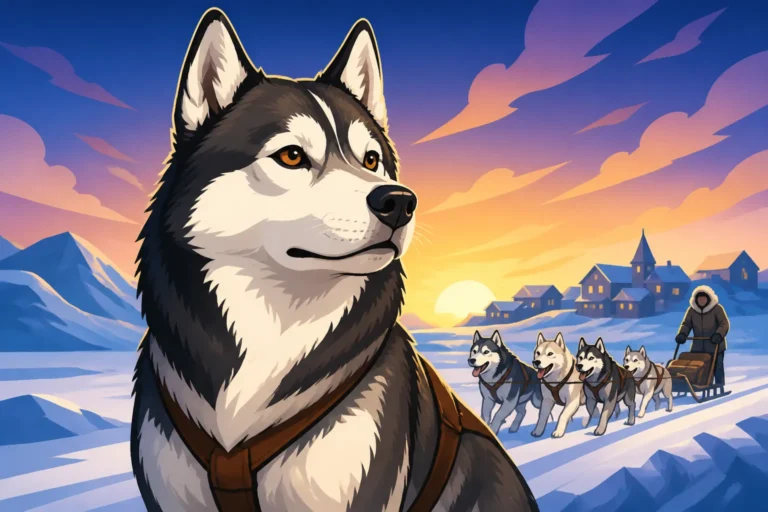
Imagine a landscape of vast, treeless plains, perpetually frozen for much of the year, battered by brutal winds and temperatures that plunge far below zero. This is Chukotka, the remote peninsula that juts into the Bering Sea, separating Asia from North America. It’s a place where survival hinges on incredible hardiness, ingenuity, and cooperation. For millennia, this extreme environment was home to the Chukchi people, a nomadic tribe whose very existence depended on their ability to adapt and thrive in conditions that would defeat most others. This land, more than any other factor, instilled in the husky its legendary endurance and cold tolerance. It wasn't just a place they lived; it was a crucible that forged their being.
Life here wasn't about leisure; it was about constant movement, hunting, fishing, and transporting goods across immense distances. The cold wasn't merely uncomfortable; it was a constant, deadly threat. Every aspect of life, from food gathering to shelter, was a monumental effort. In this setting, the dogs weren't pets in the modern sense; they were vital partners, key to the survival of the entire community. They shared the struggles and the triumphs, their lives interwoven with those of their human companions in a way that’s hard for us to fully grasp today.
The Chukchi People: Nomads of the North
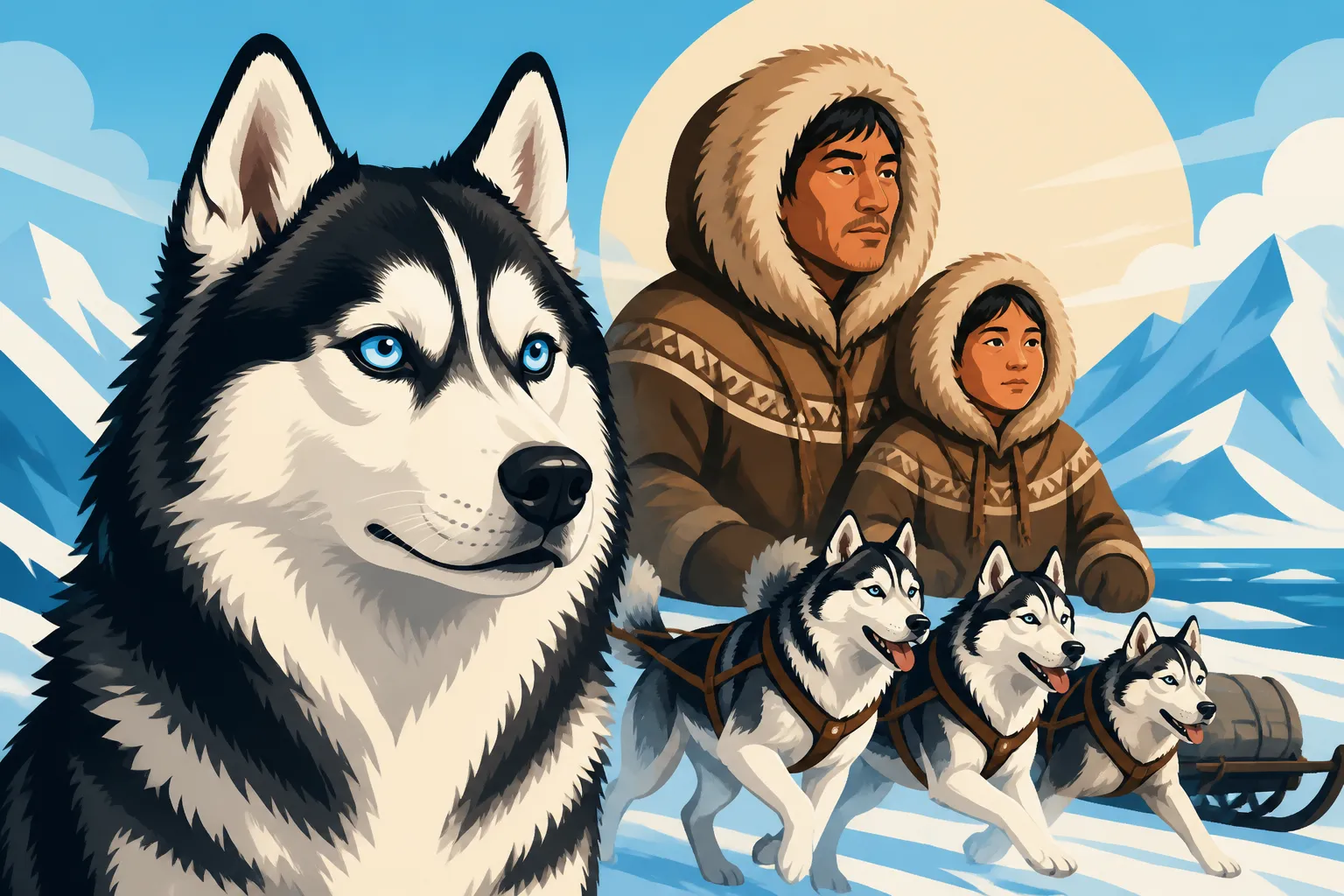
The Chukchi people were, and remain, an indigenous group with a rich history deeply rooted in their Arctic homeland. For countless generations, they lived a semi-nomadic lifestyle, relying on reindeer herding, marine mammal hunting, and fishing. Their survival depended on efficient travel and the ability to transport their entire encampments – tents, supplies, families – from one hunting ground or seasonal pasture to another. This constant movement, often across frozen expanses or through deep snow, necessitated a particular kind of dog: one that could pull light loads quickly over long distances with minimal food. This is where the ancestors of the Siberian Husky truly shone.
The Chukchi carefully bred their dogs not for aggression or guarding, but for specific traits essential for their way of life: speed, endurance, a low metabolic rate, a dense protective coat, and a cooperative yet independent spirit. They valued dogs that could work tirelessly as part of a team but were also intelligent enough to make decisions in a blizzard if the human musher was incapacitated. This pragmatic approach to breeding, driven by necessity rather than aesthetics, created a dog unlike any other. They needed dogs that were efficient, tough, and could truly be counted on in the most dire circumstances. It wasn't about what looked good; it was about what worked.
Life with the Chukchi: A Symbiotic Relationship
The relationship between the Chukchi and their dogs was a profound partnership, far deeper than what most pet owners experience today. These dogs weren't merely tools; they were family, woven into the fabric of daily life and culture.
Daily Demands on the Dogs
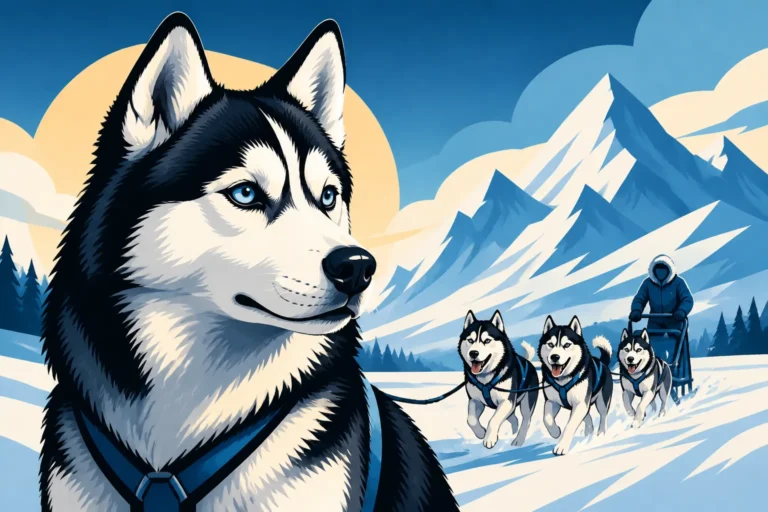
For the Chukchi, the dogs were the primary mode of transportation. Whether it was hauling sleds laden with fresh game back to camp, moving entire families and their possessions to a new location, or simply travelling between distant villages, the dogs were always working. They were lean, efficient pulling machines, bred to move quickly and conserve energy. Unlike the massive freighting dogs of some other Arctic cultures, the Chukchi dogs were designed for speed and endurance with lighter loads, making them perfectly suited for the rapid, long-distance travel required by their nomadic owners. This meant daily exertion, often in incredibly challenging conditions.
They learned to work together, to understand commands (often simple directional cues, much like modern sled dogs use), and to navigate treacherous terrain. Their physical conditioning was constant, a natural outcome of their daily existence. There were no "rest days" or leisurely strolls; every day presented a new challenge, a new demand on their strength and stamina. This rigorous lifestyle ensured that only the fittest, most capable dogs survived and reproduced, naturally selecting for the traits we still admire in Siberian Huskies today. Imagine the stamina required to pull a sled for miles in a blinding snowstorm – that's the daily life of a Chukchi dog.
The Dogs as Family Members
Despite their critical working role, these dogs were also integral parts of the Chukchi family. Why Husky Ancestors Slept Inside Chukchi Homes is a testament to this bond; puppies were often brought into the sleeping quarters, not just for warmth but to foster an unbreakable connection with their human counterparts from a very young age. This close proximity ensured socialization, but it also cemented their place as cherished members of the household. They provided warmth during the brutal Arctic nights, a living, breathing hot water bottle against the biting cold. This wasn't just practical; it was a deeply ingrained part of their culture.
Children grew up alongside the puppies, learning respect and care for the animals that would one day be their partners in survival. The dogs weren't just workers; they were companions, confidantes, and protectors in a world where every living being contributed to the collective well-being. This deep emotional connection contributed to the Siberian Husky's famously gentle and friendly disposition towards humans, a trait highly valued by the Chukchi who needed cooperative dogs, not aggressive ones. They didn't have the luxury of dogs that were hard to handle; they needed companions they could trust implicitly.
Breeding for Survival: Natural Selection by Design
The Chukchi didn't have written pedigrees or breed standards in the modern sense, but their breeding practices were incredibly effective, driven by necessity and an acute understanding of what made a good sled dog.
Intentional Selection for Traits
The Chukchi's breeding philosophy was simple and brutal: only the best survived to pass on their genes. Dogs that couldn't keep up, that were too aggressive, too timid, or too prone to illness, were not kept. They weren't culled out of cruelty, but out of a stark recognition that weak links endangered the entire community. This form of practical, results-driven selection is the reason What the Chukchi Bred the Siberian Husky For was so specific: endurance, speed, incredible cold tolerance, a dense double coat, efficient metabolism, and a friendly disposition towards humans. They were breeding for survival, pure and simple.
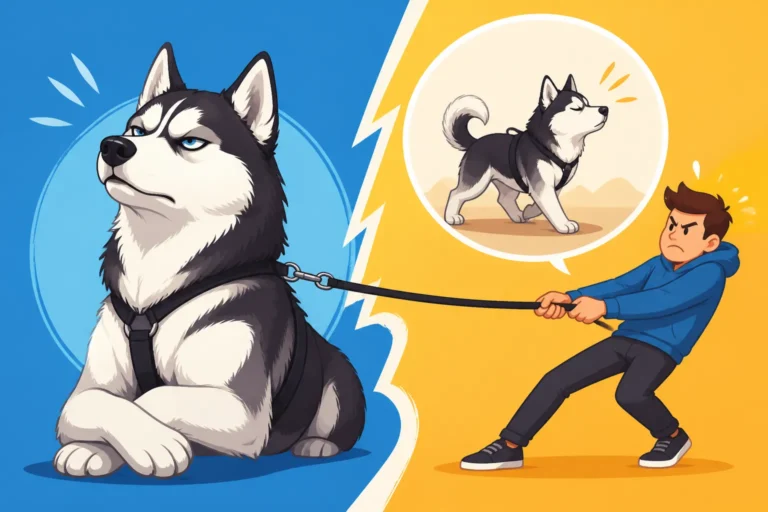
Beyond physical traits, temperament was paramount. A dog that couldn't get along with other dogs in a team, or was unreliable around children, was a liability. So, the Chukchi dogs developed a pack mentality that allowed them to live and work harmoniously. This also explains the husky's independent nature; while they valued cooperation, they also needed dogs intelligent enough to make decisions on their own if separated from the musher. This balance of independence and cooperation is a hallmark of the breed today. You can see it in how your husky might pull like a freight train on the leash, but then decide a sudden squirrel sighting is far more interesting than your command.
The Unforgiving Environment
It's impossible to overstate the role of the environment in shaping the Siberian Husky. The harsh climate acted as a constant filter, ensuring that only the most robust and well-adapted individuals thrived. Dogs with thin coats, poor metabolisms, or weak constitutions simply didn't make it. This natural selection, combined with the Chukchi's deliberate choices, sculpted a breed perfectly suited to Arctic life. Their efficient metabolism meant they could run on less food than many other breeds of their size, a crucial advantage when food was scarce. Why Siberian Huskies Cost Less to Feed Than Expected is a direct result of this ancient adaptation.
The sheer physical demands also meant that structural soundness was non-negotiable. Dogs with weak joints or poor conformation couldn't perform the work required. This intense pressure meant that genetic predispositions to common canine ailments, like hip dysplasia, were naturally minimized. Why Siberian Husky Hips and Why the Rate Is Low is a testament to this ancestral rigor; dogs with bad hips would have been unable to pull sleds effectively and wouldn't have contributed to the gene pool. The unforgiving landscape ensured a robust, healthy lineage.
Beyond the Sled: Other Roles of the Chukchi Dogs
While their sled-pulling prowess is legendary, the Chukchi dogs filled multiple vital roles within the community, showcasing their versatility and deep integration into human life.
Hunting and Guarding Roles
While the Siberian Husky is famously not a guard dog in the aggressive sense – Why the Chukchi Never Bred Huskies to Guard highlights their friendly nature – they still played a role in subsistence hunting. Their keen senses and natural prey drive were valuable in tracking game across the tundra. While they weren't typically used for direct hunting down of large prey like wolves might be, their ability to locate animals and perhaps flush small game was certainly utilized. This explains the strong Siberian Husky Prey Drive Around Small Animals that modern husky owners often contend with; it's a deeply ingrained instinct, not a flaw.
Their "guarding" was more about warning. A howl at the approach of strangers or the scent of a predator would alert the camp, providing a vocal alarm system. They were watchdogs, not attack dogs, perfectly reflecting their cooperative temperament. They were a part of the family, and protecting the family was an instinctual response, just not in an aggressive way. This multi-faceted utility speaks volumes about the intelligence and adaptability of these early huskies.
Companionship and Warmth
As mentioned, the dogs were not just workers; they were providers of crucial body warmth during the harsh Arctic nights. Huddled together with humans in their tents, these dogs quite literally kept the Chukchi alive. This communal sleeping arrangement further deepened the bond between humans and dogs, fostering a sense of mutual dependence and affection. For people living on the edge of survival, every source of warmth and comfort was precious.
Beyond physical warmth, these dogs offered companionship in an isolated and challenging world. They were constant presences, sharing the daily routines, the journeys, and the quiet moments. This intimate relationship contributed to the loyal, affectionate, and people-oriented nature we see in many Siberian Huskies today, even if they often display it with an independent flair. They might not always listen to you, but they certainly love you! This intrinsic bond is perhaps the most enduring legacy of their time with the Chukchi.
The Legacy: How Chukchi Breeding Shaped the Modern Husky
Every characteristic of your modern Siberian Husky, from their athletic build to their sometimes-frustrating independence, is a direct echo of their Chukchi ancestry. Understanding this history helps us appreciate their unique needs and behaviors.
Endurance and Energy
The Chukchi bred their dogs for incredible endurance, capable of running for hours on end, day after day, in extreme conditions. This is why a modern Siberian Husky isn't content with just a leisurely walk around the block. They crave activity, they need to run, and they have the stamina to keep going long after many other breeds would be winded. How Much Exercise a Siberian Husky Really Needs is a direct inheritance from this working past. Without sufficient outlets for this energy, huskies can become bored and destructive, a common challenge for owners who underestimate this fundamental need.
This drive to run and pull is inherent. Even if your husky never sees a sled, the instinct is there, making Siberian Husky Leash Work Against a Pulling Instinct a constant negotiation for many owners. Their efficient gait and powerful musculature are designed for sustained motion. When you see a husky effortlessly gliding across a field, you're witnessing millennia of selective breeding for speed and stamina. This isn't a dog that can be satisfied with a passive lifestyle; it demands engagement and a chance to move.
Independence and Intelligence
The Chukchi needed dogs that could work within a team but also think for themselves in life-or-death situations. This is why Siberian Huskies often exhibit a fascinating blend of eagerness to please and stubborn independence. They are highly intelligent, capable of learning complex commands, but they will often weigh those commands against their own desires or perceived better judgment. This isn't defiance; it's a deeply ingrained trait from dogs who had to make critical decisions without human input in a blizzard. Why Siberian Huskies Look Stubborn Rather Than Slow beautifully captures this aspect of their personality.
This independence often manifests as a strong will and a propensity for problem-solving – often creatively finding ways to escape or get into mischief. It's why they aren't typically seen as "easy to train" dogs in the same way some biddable breeds are. They require consistency, positive reinforcement, and a trainer who understands their unique motivation and historical context. Their intelligence demands mental stimulation as much as their bodies demand physical exercise.
Preserving the Heritage: Modern Efforts and Understanding
Today, we enjoy Siberian Huskies as beloved companions, show dogs, and working athletes. Understanding their Chukchi origins is crucial for responsible ownership and for preserving the integrity of this incredible breed.
Understanding the Breed Standard
The modern breed standard, set by organizations like the American Kennel Club, seeks to preserve the physical and temperamental traits developed by the Chukchi. When you read descriptions of a husky's gait, coat, eye shape, or temperament, you're essentially reading a blueprint for a dog designed for Arctic survival. For example, the importance of a well-furred, dense double coat is a direct nod to their need for extreme Siberian Husky Cold Weather Care and Its Limits. Similarly, the mention of their friendly, outgoing nature reflects their historical role as cooperative members of a human community.
Reputable breeders today still strive to produce huskies that align with these functional characteristics, recognizing that the breed's beauty is intrinsically linked to its ability to perform its original purpose. This means health testing to ensure longevity and genetic soundness, and careful attention to temperament. Whether a dog will ever pull a sled or not, its conformation and disposition should reflect the efficient, hardy, and companionable dog that emerged from Chukotka. This respect for their origins is fundamental to ethical breeding.
Honoring the Working Spirit
Even if your husky is a cherished family pet, honoring their working heritage means providing them with opportunities to express their natural instincts. This might not involve hauling loads across the tundra, but it could mean participating in activities like canicross, bikejoring, or urban mushing, which allow them to pull in harness. Canicross and Bikejoring With a Siberian Husky provides an excellent outlet for their energy and drive. Simply letting them run in a safe, fenced area (or on a very long line!) allows them to tap into that ancient joy of movement.
Mental stimulation is equally important. Puzzle toys, training sessions, and interactive games can engage their intelligent and independent minds, preventing boredom. Giving them a "job," even if it's just carrying a backpack on a hike (after they're fully grown, of course!), can fulfill that deep-seated need to contribute. Products from retailers like Chewy can help modern owners meet these needs, from durable harnesses for pulling sports to engaging puzzle feeders that challenge their clever brains. By understanding and respecting their unique history, we can ensure our Siberian Huskies thrive in the modern world, just as their ancestors thrived with the Chukchi.
| Trait | Chukchi Influence (Historical Function) | Modern Siberian Husky Expression |
|---|---|---|
| Endurance & Speed | Essential for long-distance travel, hunting, nomadism. Efficient metabolism, light build for quick, sustained pulling. | High energy levels, need for extensive exercise, desire to run and pull (canicross, bikejoring). |
| Efficient Metabolism | Survival on scarce resources, ability to work on minimal rations. | Prone to weight gain if overfed, often eats less than expected for its size, Feeding a Siberian Husky on 60 Percent of the Label. |
| Dense Double Coat | Protection against extreme Arctic cold, blizzards. | Excellent cold tolerance, sheds profusely during "coat blows," requires regular grooming. |
| Pack Mentality / Cooperativeness | Worked in teams, lived closely with humans. Avoidance of aggression. | Generally good with other dogs, friendly towards strangers, loyal to family. |
| Independence / Intelligence | Made decisions in challenging conditions without direct human command. | Can be "stubborn" or self-willed, requires consistent training, creative problem-solvers. |
| Prey Drive | Used for tracking and flushing small game. | Strong instinct to chase small animals, requires secure containment and supervision. |
| Vocalizations | Howling for communication across distances, alerts. | Famous for howling, "talking," and vocal expression, rarely barks excessively. |
Disclaimer
This article is for general informational purposes only and does not constitute professional advice. Laws, prices and regulations vary by location and change over time. Consult a qualified professional for guidance on your specific situation.