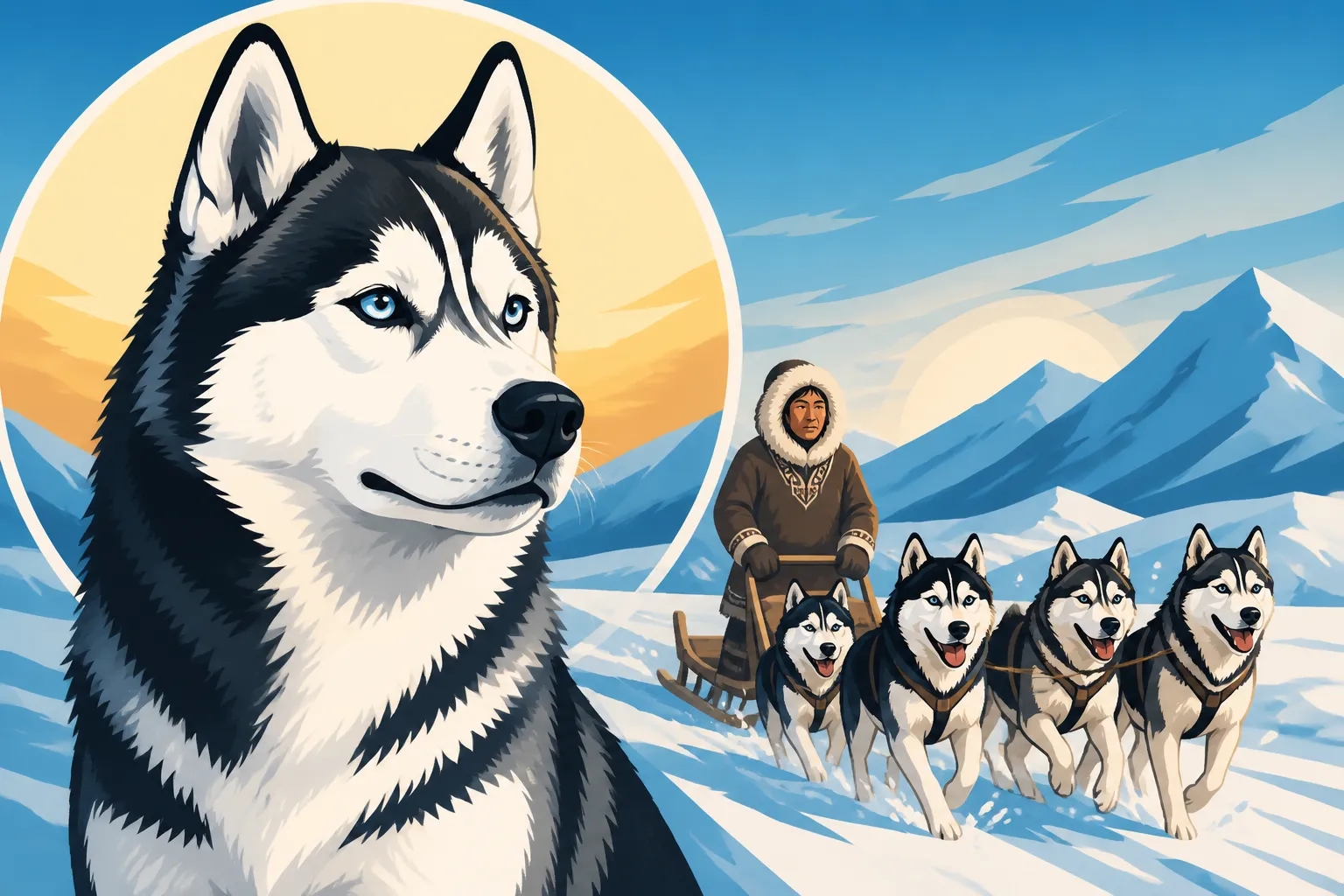
What the Chukchi Bred the Siberian Husky For
Many people look at a Siberian Husky today and see a beautiful, athletic dog with striking eyes, perhaps one that reminds them of a wolf. But behind those piercing gazes and magnificent coats lies a history deeply intertwined with the survival of an ancient people. Understanding what the Chukchi bred the Siberian Husky for isn't just a historical curiosity; it's the key to truly understanding your modern Husky and why they do the quirky, frustrating, and utterly endearing things they do.
The Chukchi People and Their Demanding Environment
To truly grasp the essence of the Siberian Husky, we need to go back in time, far beyond the Iditarod or even their introduction to North America. We need to journey to the harsh, unforgiving landscapes of Northeast Asia, specifically to the ancestral lands of the Chukchi people. Their lives were dictated by the relentless cold, vast distances, and the scarcity of resources, making their dogs not just companions, but indispensable partners in survival.
Life in the Arctic: Survival and Necessity
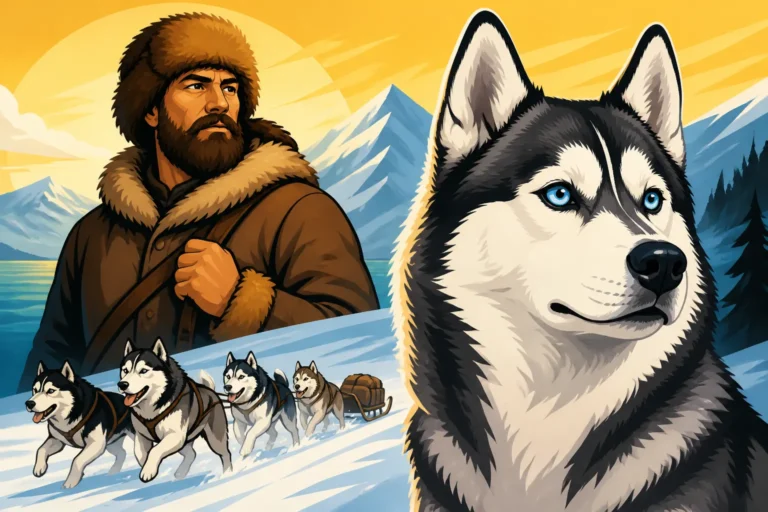
Imagine living in a world where winter temperatures plunge far below freezing for months on end, where blizzards can rage for days, and where food sources are constantly on the move. This was, and to some extent still is, the reality for the indigenous Chukchi people. They were semi-nomadic reindeer herders and hunters, constantly needing to traverse immense, snow-covered territories to follow their herds or seek out game. Without reliable transportation, life itself would be impossible.
It's in this crucible of necessity that the Siberian Husky's ancestors were forged. These weren't dogs bred for sport or show initially; they were bred for the most fundamental purpose: to keep their human families alive. Every trait, every instinct, was carefully selected over centuries to maximize their efficiency and resilience in an environment that tolerated no weakness. They needed dogs that could move quickly, tirelessly, and with minimal sustenance across frozen expanses, carrying light loads of supplies or families.
The Bond Between Humans and Huskies
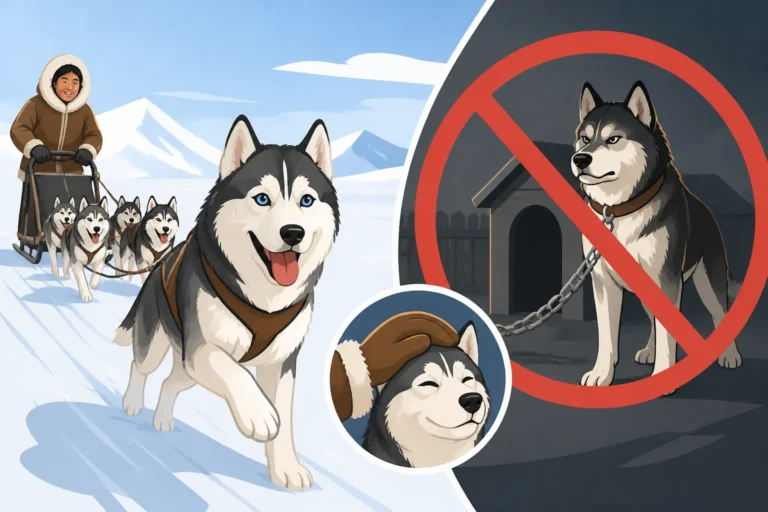
Unlike many working dog breeds that might have lived primarily outdoors in kennels, the ancestral Siberian Huskies shared an incredibly intimate bond with the Chukchi. These dogs were often brought inside the family tents and dwellings, not just for warmth, but as integral members of the family unit. This close proximity fostered a unique temperament that combined an independent spirit with a deep affection for humans.
This isn't to say they were lap dogs, far from it. But the constant interaction, shared warmth, and reliance on each other for survival meant that the Chukchi Huskies developed a profound, albeit sometimes aloof, loyalty. They learned to understand subtle human cues and to work cooperatively within a team, both with other dogs and with their human drivers. If you've ever wondered why your Husky seems to enjoy being near you but isn't always in your face, or why they can be surprisingly gentle despite their power, it harks back to this ancient coexistence. The deep familial bond developed with the Chukchi is a foundational aspect of The Chukchi Origins of the Siberian Husky.
Breeding for Speed, Endurance, and Efficiency
When the Chukchi looked for a dog to pull their sleds, they weren't seeking brute strength. They needed something far more nuanced: a highly efficient, fast, and enduring athlete capable of covering vast distances with minimal energy output. This core principle shaped the breed's physical and metabolic characteristics.
The Primary Role: Light Freight and Fast Travel
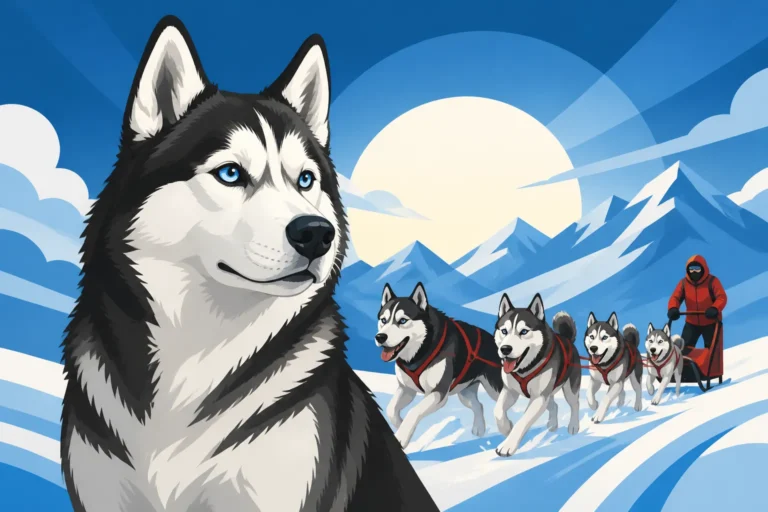
The Chukchi primarily used their dogs for pulling light loads, such as sleds laden with hunting gear, trade goods, or even members of the family, often moving quickly between seasonal camps or hunting grounds. This meant they needed dogs that prioritized speed and stamina over sheer pulling power, which distinguishes them from their larger, heavier cousins like the Alaskan Malamute, who were bred for hauling very heavy freight.
A team of Chukchi dogs could cover remarkable distances day after day, not by being massive powerhouses, but by being streamlined, agile, and incredibly efficient. This focus on "light and fast" is why the modern Siberian Husky, even your pet living in a temperate climate, still possesses an innate drive to run and pull, and why they can often outperform larger dogs in endurance challenges. It's truly a testament to What a Siberian Husky Was Bred to Do. This historical role continues to inform responsible ownership, as these dogs thrive when given an appropriate outlet for their energy, perhaps through modern harness sports. You can find excellent quality harnesses and long lines for these activities on sites like Chewy.
An Unparalleled Metabolism for Arctic Survival
One of the most remarkable traits bred into the Siberian Husky is its incredibly efficient metabolism. In a landscape where food could be scarce and every calorie counted, dogs that could do more work on less food were invaluable. The Chukchi selectively bred for dogs that could convert even relatively low-fat, high-protein diets into sustained energy without burning through resources quickly.
This metabolic efficiency means that many modern Siberian Huskies actually require fewer calories per pound of body weight than other breeds of a similar size. Owners often find themselves scratching their heads wondering why their highly active Husky doesn't need to eat as much as a Labrador or a Golden Retriever. Overfeeding a Siberian Husky is a common mistake that can lead to obesity and associated health issues. This ancient adaptation, vital for survival in the Arctic, now requires careful management in a domestic setting to maintain a healthy weight.
Physical Adaptations for a Cold World
Every physical attribute of the Siberian Husky speaks to its origins in the harsh Arctic. Their double coat, perhaps their most iconic feature, consists of a dense, soft undercoat for insulation and a longer, coarser outer coat of guard hairs that repel water and snow. This ingenious design keeps them warm in extreme cold and, paradoxically, helps them stay cool by preventing heat penetration in summer, as long as they are not shaved.
Their almond-shaped eyes, another hallmark, are not just beautiful; they are functional. This shape helps protect their eyes from blowing snow, ice, and bright sun glare off the snow, reducing the risk of conditions like snow blindness. Their compact, well-furred paws act like snowshoes, providing traction and insulation. Their strong, muscular bodies are built for fluid, efficient movement, rather than heavy lifting. Understanding these adaptations, outlined in detail by the breed standard and discussed in pieces like Siberian Husky Height and Weight in the Standard, helps us appreciate their natural design and provide appropriate care.
Temperament Tailored for a Community
Beyond their physical prowess, the temperament of the Siberian Husky was equally crucial to the Chukchi. They needed dogs that were not only tough and enduring but also capable of working and living harmoniously within a close-knit human community and a multi-dog team.
The Cooperative Pack Member
The Chukchi bred dogs that were inherently social, not just with humans but also with other dogs. A sled team relies on cooperation and a clear hierarchy, where each dog understands its role and works in unison with its teammates. This need for social cohesion meant selecting against overly aggressive or dominant individuals. Consequently, Siberian Huskies are typically known for being friendly and generally good-natured with other dogs, often thriving in multi-dog households.
This inherent friendliness extends to humans as well. While they might not be fawning, they are rarely suspicious or aggressive towards strangers. This characteristic, which aligns perfectly with Siberian Husky Temperament and What the Standard Says, stems from their history of living closely with families and being part of a community. The Chukchi did not need guard dogs; they needed companions and workers. This is also why you'll often hear that a Husky is not the best choice if you're looking for a formidable protector; their instinct is to greet, not to guard.
Independence and Problem-Solving
While cooperative, Siberian Huskies also possess a strong streak of independence and an intelligence that often manifests as self-sufficiency. In the vast, featureless Arctic, a dog might occasionally need to make a decision on its own, perhaps navigating a treacherous patch of ice or finding a scent trail, without direct human command. This fostered a thinking dog, one capable of evaluating situations and acting on its own initiative.
This independence is often perceived by modern owners as "stubbornness" or a lack of desire to please. It's a common frustration in training, where a Husky might understand a command perfectly well but choose not to execute it if it doesn't see an immediate benefit or if something more interesting captures its attention. This isn't defiance; it's a reflection of their ancient role where blind obedience wasn't always the most advantageous trait. This is a key reason why Why the Chukchi Never Bred Huskies to Guard is an important piece of their temperament puzzle – they were bred to think for themselves, not just follow orders.
The Drive to Roam and Explore
Perhaps one of the most challenging, yet historically significant, traits of the Siberian Husky is their powerful instinct to roam. For the nomadic Chukchi, covering vast distances was part of daily life, and their dogs were bred to traverse these territories effortlessly. The lure of the open trail, the scent of something new just over the horizon, is deeply ingrained in their DNA.
This explains why so many Huskies are escape artists, capable of clearing fences, digging under them, or even figuring out gate latches. Their minds are constantly seeking new horizons, and a simple backyard often feels too restrictive for their adventurous spirit. This roaming instinct, explored in detail in The Roaming Instinct Bred Into Every Siberian Husky, is a direct consequence of their ancestral purpose and something every potential Husky owner must be prepared to manage with secure fencing and vigilant supervision.
Legacy and the Modern Siberian Husky
The ancient breeding goals of the Chukchi people have left an indelible mark on the Siberian Husky we know and love today. While most modern Huskies may never pull a sled across the frozen tundra, their instincts and physical attributes remain powerfully intact.
From Ancient Roots to Modern Homes
Understanding the Siberian Husky's historical purpose helps explain so many of their behaviors that can baffle first-time owners. Their high energy, independent nature, vocalizations, love for digging, and occasional selective hearing all stem directly from the traits the Chukchi valued for survival. If you've ever found yourself wondering why your Husky meticulously cleans itself like a cat, or why they seem to prefer exploring a new scent over coming back to you immediately, look to their origins with the Chukchi. Their ancient roots, developed over How Long the Chukchi Bred Siberian Husky Ancestors, continue to influence their daily lives.
This historical context also highlights the responsibility of modern ownership. Bringing a Siberian Husky into a suburban home or an apartment without acknowledging their intrinsic needs is setting both dog and owner up for frustration. These are not dogs designed for sedentary lives or to be left alone for long periods without mental and physical engagement.
Providing for a Working Breed's Needs
To truly thrive, a modern Siberian Husky needs an outlet for its ancestral drives. This means consistent, vigorous exercise, not just a casual stroll around the block. Many Huskies excel in activities like canicross, bikejoring, or even just long, brisk runs with their owners. Mental stimulation is equally important; puzzle toys, training sessions, and opportunities to explore new environments (safely on leash or in a secure, pre-vetted area) can prevent boredom and destructive behaviors.
Secure containment is non-negotiable. A six-foot fence with an L-footer to prevent digging, or even a fully enclosed kennel run, is often necessary to keep a Husky safe. Investing in high-quality gear, from escape-proof harnesses to durable chew toys available at pet supply stores like Chewy, is essential. Working on things like Siberian Husky Leash Work Against a Pulling Instinct becomes much easier when you understand why they pull – it's literally what they were bred to do.
Appreciating the Breed's Heritage
Ultimately, appreciating what the Chukchi bred the Siberian Husky for isn't just about managing their quirks; it's about honoring a remarkable history and celebrating a truly unique breed. When you see your Husky surveying its domain from a high point, digging a den in the yard, or talking back to you with expressive 'woo-woos,' you're witnessing echoes of a past where these behaviors were essential for survival.
By understanding their heritage, we can provide them with lives that fulfill their deep-seated needs, ensuring they remain the magnificent, joyful, and sometimes challenging companions they were always meant to be. This connection to their past, even down to Why Husky Ancestors Slept Inside Chukchi Homes, paints a complete picture of this incredible breed.
| Chukchi Breeding Goal | Corresponding Siberian Husky Trait | Impact on Modern Pet Ownership |
|---|---|---|
| Efficient Light Freight Hauler | High endurance, speed, streamlined body | Needs vigorous daily exercise; thrives in harness sports. |
| Metabolic Efficiency | Can thrive on fewer calories than expected | Prone to obesity if overfed; careful diet management is crucial. |
| Arctic Survival | Dense double coat, tough paws, almond eyes | Requires specific grooming, sensitive to heat, secure footing needs. |
| Cooperative Team Member | Generally good with other dogs, friendly to people | Not a guard dog; enjoys canine companionship. |
| Independent Problem-Solver | Intelligent but can be "stubborn" | Requires patient, positive training; easily bored if under-stimulated. |
| Nomadic Roamer | Strong wanderlust, escape artist | Needs highly secure containment (fences, leashes, supervision). |
Disclaimer
This article is for general informational purposes only and does not constitute professional advice. Laws, prices and regulations vary by location and change over time. Consult a qualified professional for guidance on your specific situation.