The Fifty-Three Miles Balto’s Husky Team Ran
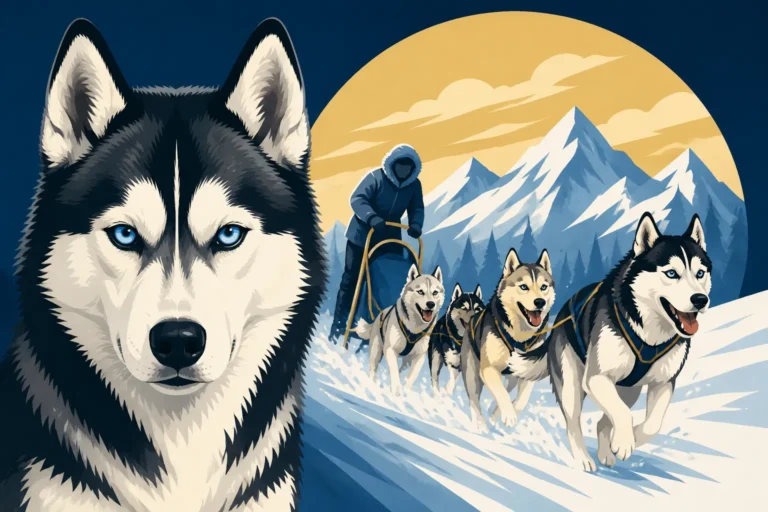
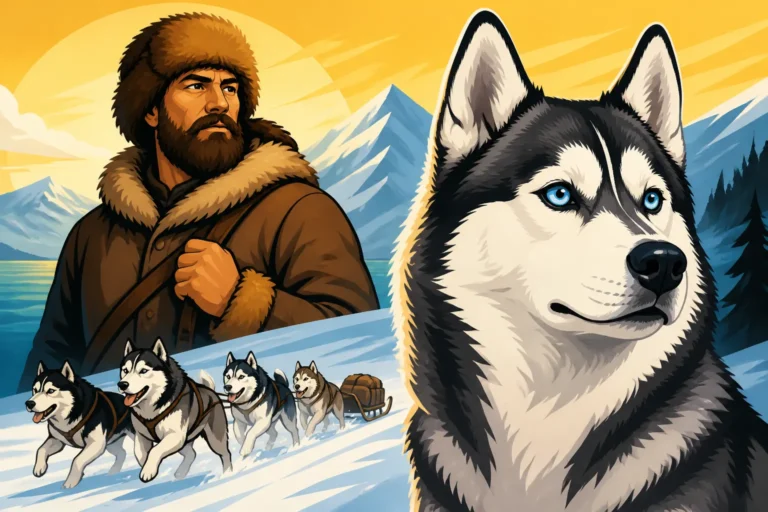
When we talk about the legendary 1925 Serum Run to Nome, one name often leaps to mind first: Balto. While many incredible dogs and mushers were part of that desperate race against time, Balto and his team famously ran the last, grueling 53-mile leg into Nome, solidifying their place in history. This guide will take a deep dive into that specific, critical stretch, exploring the incredible challenges Balto's team faced, the conditions they braved, and how their journey became a symbol of courage and endurance.
The Great Race Against Time: The 1925 Serum Run
The story of Balto's 53-mile dash isn't just about a single dog; it's the culmination of an extraordinary effort involving many teams and the very lives of a town hanging in the balance. Understanding the broader context of the 1925 Serum Run is key to appreciating the heroism of that final leg. Imagine a remote Alaskan town, cut off by severe winter weather, facing a deadly epidemic. That was Nome, and the only hope lay hundreds of miles away.
Diphtheria's Shadow Over Nome
In January 1925, the isolated town of Nome, Alaska, found itself gripped by a terrifying diphtheria outbreak. This highly contagious bacterial infection, particularly dangerous for children, threatened to wipe out the town's entire population. With no roads connecting Nome to the outside world and its port frozen solid, the only way to get the life-saving antitoxin serum into the community was by dog sled. The nearest viable supply was in Anchorage, too far for a single team to cover in time. The situation was dire; the local doctor, Curtis Welch, knew his limited supply of antitoxin was expiring, and he faced a catastrophe.
The initial plan was to fly the serum in, but extreme cold and harsh weather conditions, including engine troubles and whiteouts, grounded the planes. This left the age-old method of dog sledding as the only option. Thus began the "Great Race of Mercy," an unprecedented relay covering over 674 miles across treacherous, frozen landscapes. Every moment counted, as the serum needed to reach Nome before it froze solid and became useless. The pressure on every musher and their team was immense, knowing that delays meant more lives lost.
The Relay System and the "Last Leg"
To cover the vast distance of over 674 miles from Nenana to Nome as quickly as possible, a relay system was organized involving 20 mushers and around 150 dogs. Each musher was tasked with covering a specific section of the trail, handing off the precious package to the next team. This wasn't a neatly planned route on a clear map; it was through the Alaskan wilderness, often in the dead of night, in temperatures plummeting far below zero. The serum was wrapped in protective furs and carried with utmost care.
While many teams ran incredible distances and faced their own monumental challenges—Leonhard Seppala and his lead dog, Togo, for instance, covered the longest and arguably most perilous stretch, 264 miles, navigating dangerous Norton Sound ice—it was the final leg that captured the public's imagination. This was the push into Nome itself, the moment of victory after days of grueling effort. This segment, though shorter than others, was no less intense or vital. It required a dog and musher capable of pushing through the absolute worst conditions right to the finish line, when exhaustion was at its peak for everyone involved. The Siberian Husky in the 1925 Serum Run to Nome truly showcased the breed's incredible resilience.
Balto's Moment: The Final Stretch
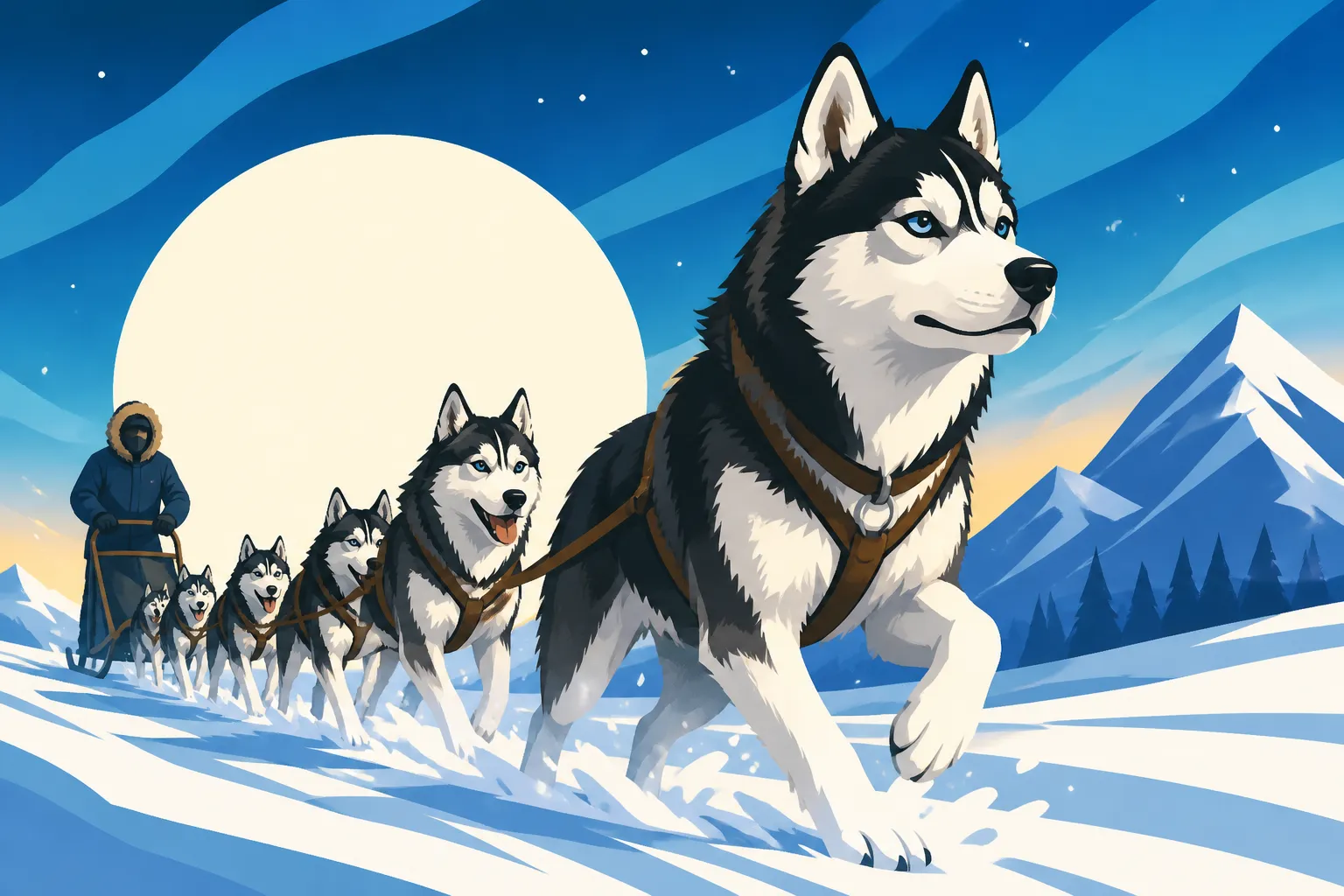
Balto’s team, led by musher Gunnar Kaasen, took on the critical final leg of the relay. They were the last hope, carrying the precious cargo that had been passed from musher to musher across hundreds of miles. This wasn't just another section of the trail; it was the ultimate test of endurance, navigation, and sheer will, with the lives of Nome's residents hanging in the balance. The eyes of the world, though not directly watching, were focused on the outcome.
Conditions Faced by Balto's Team
The journey for Balto’s team, which commenced at the final handover point in Bluff, was anything but easy. They set out in the midst of a violent blizzard, with winds howling at up to 80 miles per hour. The windchill factor plummeted temperatures to an unbearable -50 to -60 degrees Fahrenheit (-45 to -51 degrees Celsius). These weren't merely uncomfortable conditions; they were life-threatening. The visibility dropped to virtually zero, a complete whiteout where sky and ground merged into an indistinguishable, swirling mass of snow. Imagine trying to navigate through a dense fog, but with the added horror of freezing cold and gale-force winds whipping at your face.
Kaasen later recounted that he often couldn't even see the dogs closest to the sled, let alone the trail ahead. The snow drifts were immense, constantly shifting and burying any semblance of a path. In such conditions, a musher relies almost entirely on the lead dog's instinct, intelligence, and ability to stay on course. It's a testament to the raw ability and training of these dogs that they didn't simply become disoriented and lost forever. The biting cold was relentless, threatening frostbite and hypothermia for both man and animal with every single mile.
Navigating the Whiteout and Ice
Despite the horrifying conditions, Balto, a black Siberian Husky, and his team pressed onward. Lead dogs in these situations aren't just pulling; they are navigating, making critical decisions that can mean life or death. Balto's intuitive sense of direction proved invaluable. At one point, Kaasen, unable to see anything, relied on Balto to find the trail, a task the dog miraculously accomplished. This wasn't just about strength; it was about an innate sense of purpose and incredible intelligence. This ability to make independent decisions is a hallmark of Siberian Husky Temperament and What the Standard Says.
Their route also involved a perilous crossing of the frozen Topkok River, which was notorious for its unstable ice and strong currents beneath. In conditions where a misstep could plunge a whole team into icy water, Balto led the way with unerring focus. The storm was so fierce that Kaasen’s sled, along with the precious serum, was once overturned and buried in a snowdrift. He had to dig through the snow with his bare hands to recover the package, risking his own fingers to save the antitoxin. Through it all, Balto kept his bearings, pushing his team forward through the final 53 miles into Nome, arriving at 5:30 AM on February 2nd, 1925. This wasn't just a physical feat; it was a psychological triumph over impossible odds. Their dedication helped save Nome from devastation, showcasing why What a Siberian Husky Was Bred to Do goes beyond mere pulling power.
The Aftermath and Lasting Legacy
The arrival of Balto and Kaasen in Nome sparked an immediate wave of relief and celebration. The serum was delivered, the epidemic was contained, and the town was saved. However, the story didn't end there. The incredible journey resonated deeply with people across the nation and around the world, creating heroes out of the dogs and mushers involved. The legacy of the Serum Run continues to inspire, reminding us of the power of dedication and the extraordinary capabilities of working dogs.
Balto's Rise to Fame and Public Reaction
Almost overnight, Balto became a national sensation. Newspapers ran headlines celebrating his bravery, and he quickly became a symbol of courage and resilience. This wasn't entirely unexpected, as the dramatic arrival in the midst of a blizzard made for an incredible story. Public adoration poured in, and Balto, along with his team and musher Gunnar Kaasen, embarked on a triumphant tour of the United States. They met President Calvin Coolidge and were celebrated in parades, truly becoming American heroes.
Perhaps the most enduring symbol of his fame is the bronze statue of Balto, sculpted by Frederick Roth, which was unveiled in New York City's Central Park less than a year after the Serum Run. The inscription on the statue pays tribute to the entire effort: "Endurance · Fidelity · Intelligence." This recognition ensured that Balto's name, and by extension the memory of the Serum Run, would be preserved for generations. It’s a powerful reminder of how one dog’s final push captured the heart of a nation.
The True Heroes of the Serum Run
While Balto became the face of the Serum Run, it's crucial to remember that he was one hero among many. The entire relay involved 20 mushers and about 150 dogs, each playing a vital role. Leonhard Seppala and his lead dog, Togo, are often highlighted as the true unsung heroes, having completed the longest and most treacherous leg of the journey, battling fierce storms and navigating dangerous ice floes across Norton Sound for an astounding 264 miles. Many argue that without Togo's incredible endurance and Seppala's legendary mushing skills, the serum would never have made it within striking distance of Nome. Togo, the Siberian Husky Who Ran 264 Miles is a testament to extraordinary effort.
The public's focus on Balto, largely due to his role in bringing the serum directly into Nome and the ensuing media frenzy, sometimes overshadows the equally, if not more, arduous efforts of other teams. However, the true spirit of the Serum Run lies in the collective heroism—the seamless coordination, the selfless dedication of every musher, and the incredible performance of every dog. It truly was a team effort that exemplified the resilience of both humans and their canine companions against overwhelming odds. For more context, you might be interested in Which Siberian Husky Really Saved Nome.
Beyond Balto: Understanding the Breed's Role
The 1925 Serum Run wasn't just a historical event; it was a profound demonstration of the Siberian Husky's inherent qualities and what makes them such remarkable dogs. Their ancestors, originating with the Chukchi people, were bred for exactly this type of demanding work, and their genetic makeup makes them perfectly suited to thrive in harsh, cold environments. This legacy continues to shape our understanding of the breed today.
The Role of Siberian Huskies in Alaskan History
The Siberian Husky's presence in Alaska was relatively new at the time of the Serum Run. They were originally brought from Siberia to Alaska in the early 20th century, specifically for sled racing. Their speed, endurance, and relatively compact size made them ideal for the intense, long-distance races that were gaining popularity, like the All-Alaska Sweepstakes. Prior to the Serum Run, races like these were their primary claim to fame, demonstrating their incredible athletic prowess. How Siberian Huskies Won the All-Alaska Sweepstakes tells more of this story.
The Serum Run elevated them from racing stars to life-saving heroes. It proved that their abilities extended far beyond the race track, showcasing their unwavering loyalty, intelligence, and remarkable resilience in a real-world emergency. This event cemented their place in Alaskan history, not just as working dogs, but as integral partners in survival and progress in a challenging frontier. Many modern-day enthusiasts look to these historical accounts to understand the breed's deep roots and extraordinary capabilities.
The Traits That Made Them Perfect for the Task
The specific traits of the Siberian Husky are what made them so perfectly suited for the grueling conditions of the Serum Run. Their famous double coat, for instance, is not just for show. It consists of a dense, soft undercoat and longer, water-repellent guard hairs, providing unparalleled insulation against extreme cold. This natural protection meant they could withstand temperatures that would incapacitate other breeds. For anyone considering their well-being in colder climates, understanding Siberian Husky Cold Weather Care and Its Limits is vital.
Beyond their physical adaptations, their temperament played a crucial role. Siberian Huskies are known for their incredible endurance, their strong desire to run, and their remarkable ability to work as a team. While they can be independent and sometimes seem "stubborn" to a pet owner, in a working team, this independence translates into intelligence and initiative, allowing lead dogs like Balto and Togo to make critical navigational decisions when the musher's visibility was compromised. They possess an efficient metabolism that allows them to run long distances on less food than many other breeds, a vital characteristic for such a long journey.
These dogs are tough, smart, and driven. They are athletes at heart, built for covering miles in the snow. Their ability to push through exhaustion, cold, and blinding snow is not just a testament to their training, but to the very essence of the breed, a legacy passed down from their Chukchi ancestors. Even today, responsible owners looking for food or gear for their energetic Huskies might look to reliable suppliers like Chewy for high-quality, nutritious food and durable cold-weather equipment to support these incredible traits.
No matter how you look at it, Balto's 53-mile run, as part of the larger, heroic Serum Run, remains an inspiring chapter in the history of humans and dogs working together. It’s a powerful reminder of the Siberian Husky's strength, intelligence, and profound capacity for heroism. Whether you're a long-time Husky owner or just learning about the breed, their story is one that resonates with the best of canine companionship. And when it comes to keeping your own Husky healthy and active, remembering their heritage can guide choices, from exercise routines to finding the right sturdy toys or even a comfortable bed on Chewy.
The Relay Teams of the 1925 Serum Run (Key Legs)
Below is a table highlighting some of the key mushers and their lead dogs who participated in the 1925 Serum Run, focusing on their specific contributions, including Balto's famous final leg.
| Musher | Lead Dog(s) | Distance Covered (Miles) | Significance |
|---|---|---|---|
| Wild Bill Shannon | Baldy | 52 | First leg from Nenana, started the relay. |
| Dan Green | Unnamed | 28 | Experienced musher, maintained speed. |
| Edgar Nollner | Harry & Sukey | 24 | Ran in extreme cold, kept serum moving. |
| Leonhard Seppala | Togo | 264 | Longest and most dangerous leg, crossing Norton Sound. |
| Charlie Olson | Jack | 25 | Ran in whiteout, kept the pace. |
| Henry Ivanoff | Unnamed | 42 | Handed serum to Seppala's team. |
| Gunnar Kaasen | Balto | 53 | Final, iconic leg into Nome, delivered serum. |
This table illustrates that while Balto had the glory of the final delivery, the success of the mission was truly a collaborative effort. The courage and stamina of every musher and their dogs, many of whom were Siberian Huskies or Husky mixes, were integral to getting the serum to Nome. Today, dog lovers often visit Chewy to find products that pay homage to these brave dogs, or simply to ensure their own beloved companions receive the best care.
Disclaimer
This article is for general informational purposes only and does not constitute professional advice. Laws, prices and regulations vary by location and change over time. Consult a qualified professional for guidance on your specific situation.