Whether the Iditarod Uses Siberian Huskies
It’s a common misconception, isn't it? When we picture the iconic Iditarod, "The Last Great Race," most of us immediately envision a team of beautiful, purebred Siberian Huskies with their piercing blue eyes and fluffy tails, pulling a sled across the vast Alaskan wilderness. After all, isn't that what huskies do? The truth, however, is a little more nuanced than the storybooks and Hollywood movies might suggest. This guide will delve into why the purebred Siberian Husky, while a magnificent and capable sled dog, isn't typically the dog you see winning the Iditarod today, and introduce you to the true champions of the modern long-distance trail.
The Iditarod Dream: Where Purebred Siberian Huskies Fit In (or Don't)
For many, the image of a sled dog is synonymous with the Siberian Husky. This striking breed captures our imagination with its wolf-like looks and an aura of wild adventure. It's only natural to assume they are the stars of the world's most famous sled dog race. But while their ancestors certainly laid the groundwork, the demands of competitive long-distance mushing have evolved far beyond the traditional purebred lines.
The Iconic Image vs. Racing Reality
Let's be honest, when you close your eyes and think of a dog team racing through the snow, what do you see? I bet it's a team of classic Siberian Huskies. Perhaps it's the legacy of incredible stories like Balto and Togo, those heroic dogs who delivered diphtheria serum during the 1925 Serum Run to Nome, that has etched this image so deeply into our collective consciousness. Their bravery and endurance are legendary, and they were, indeed, purebred Siberian Huskies.
However, the modern Iditarod Trail Sled Dog Race is a different beast entirely. Covering over 1,000 miles of Alaska's most unforgiving terrain, often in brutal conditions, requires more than just a willingness to pull. It demands a highly specialized athlete, bred for extreme speed, unparalleled endurance, and a specific type of grit that optimizes performance over such vast distances. While Siberian Huskies possess many incredible traits, the winning teams of today's Iditarod are usually comprised of dogs that, while still "huskies" in a general sense, are not purebred Siberians as recognized by kennel clubs. This can be a bit of a revelation if you've always pictured those classic dogs leading the charge.
A Nod to History: When Siberians Ruled the Trails
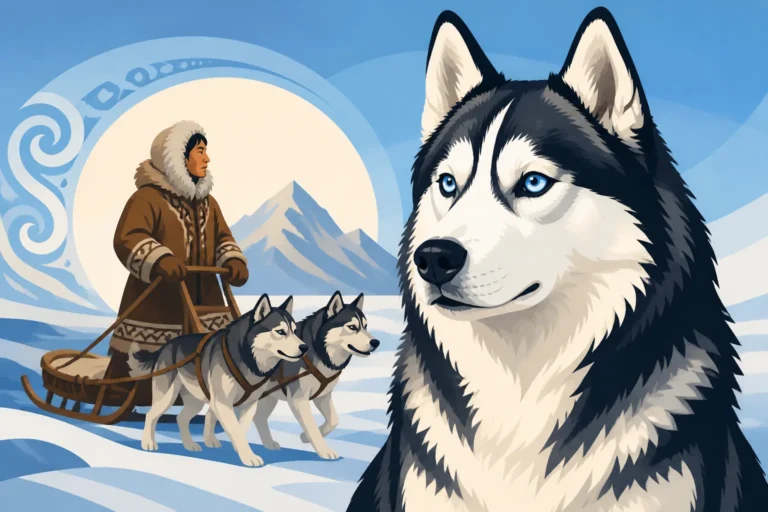
Before we dive into the present, it's absolutely crucial to honor the historical significance of the Siberian Husky in sled dog racing. These magnificent dogs were brought to Alaska from Siberia by way of trade with the Chukchi people, who had developed them over centuries for exactly this purpose: to pull light loads quickly over long distances in harsh conditions. The Chukchi Origins of the Siberian Husky
When these "Siberian Rats," as they were sometimes derisively called due to their smaller stature compared to local freight dogs, first appeared in Alaskan races in the early 20th century, they were a revelation. Their incredible speed, efficiency, and tireless work ethic quickly proved superior to many other local dogs. Mushers like Leonhard Seppala and his famous dog, Togo, became household names, showcasing the breed's extraordinary capabilities. Leonhard Seppala and His Siberian Huskies Togo, the Siberian Husky Who Ran 264 Miles Indeed, the 1925 Serum Run that captured the world's attention was almost exclusively run by teams of purebred Siberian Huskies, demonstrating their critical role in Alaskan history and their unmatched prowess at the time. The Siberian Husky in the 1925 Serum Run to Nome
The point is, the foundation of competitive mushing, especially in Alaska, owes a tremendous debt to the Siberian Husky. They proved what was possible. But just as technology advances in other sports, so too has the breeding and training of sled dogs for the pinnacle of long-distance racing.
The Modern Iditarod Athlete: What is an Alaskan Husky?
So, if not purebred Siberian Huskies, then what dogs are actually winning the Iditarod? The answer lies in a specialized canine athlete known as the Alaskan Husky. This designation often leads to confusion, as many people assume it's simply another registered breed. But it's quite a bit more intricate than that.
A Type, Not a Breed: The Ultimate Sled Dog
When you see a dog team surging across the frozen expanse of Alaska in pursuit of the Iditarod championship, you are witnessing the incredible athleticism of what we call an "Alaskan Husky." The critical thing to understand is that the Alaskan Husky is not a recognized breed with a defined standard like the Siberian Husky, which adheres to strict appearance and lineage guidelines from organizations like the American Kennel Club. Instead, the Alaskan Husky is a type of dog, meticulously bred over generations specifically for performance on the sled dog trail. Why the Alaskan Husky Is Not a Registered Breed
Think of them less like a purebred show dog and more like a highly specialized sport horse or a mixed-breed rescue dog where the lineage is known but the emphasis is purely on function. Mushers and breeders select dogs based on a very precise set of working traits: incredible speed, boundless endurance, mental toughness, excellent health, an efficient metabolism, rugged paws, a dense yet not overly heavy coat, and an insatiable desire to run and pull. Appearance is secondary. You'll see a wide variety of looks within an Iditarod team—some might have the classic blue eyes and prick ears reminiscent of a Siberian, others brown eyes and floppy ears from a hound influence. What matters is their ability to perform.
The Genetic Cocktail: Building a Champion
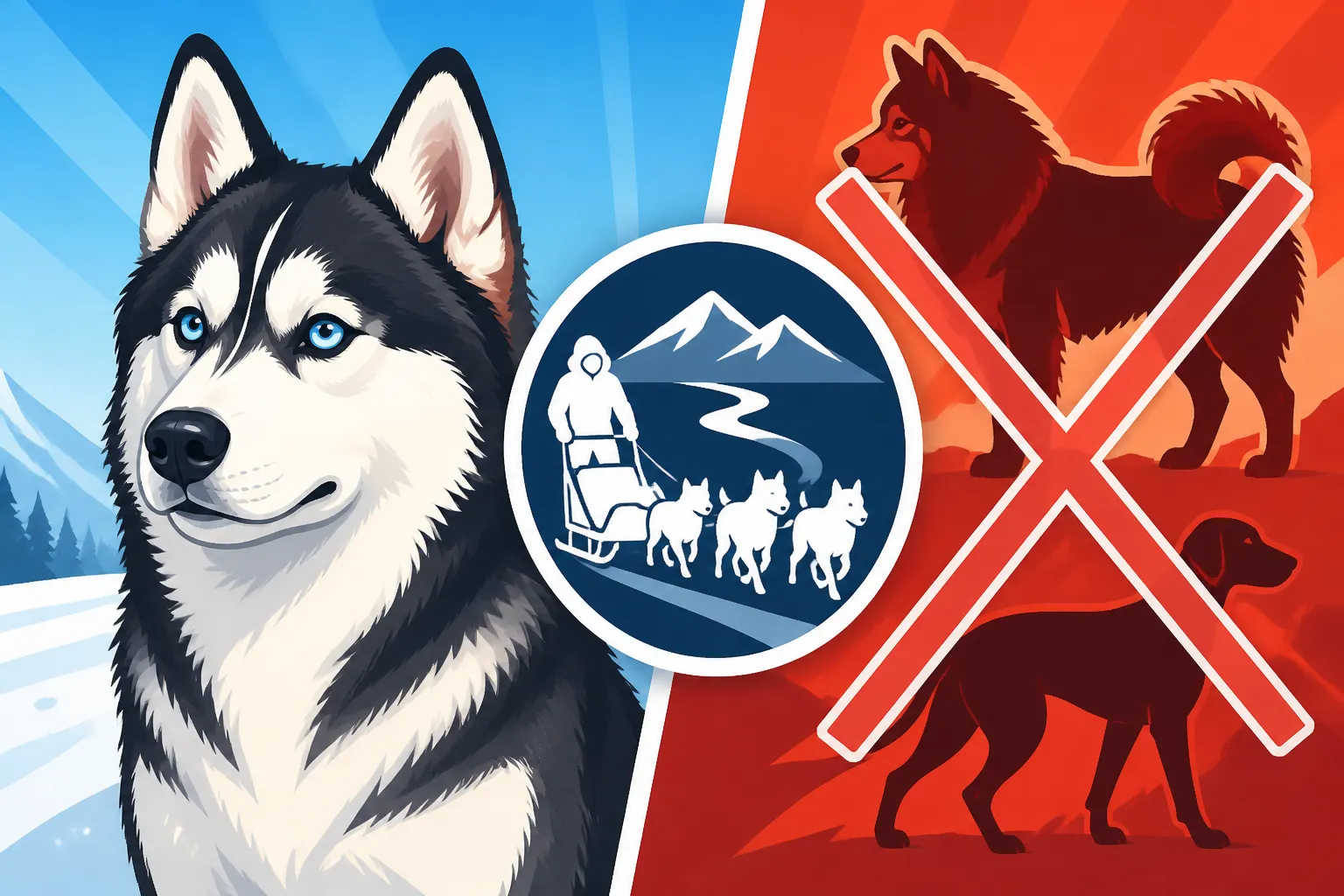
The genetic makeup of an Alaskan Husky is a fascinating blend, a testament to decades of selective breeding for optimal performance. These dogs are often a sophisticated mix, carefully crafted by experienced mushers. They commonly include a strong foundation of Siberian Husky and Alaskan Malamute genes for their northern breed resilience, cold tolerance, and inherent pulling drive. However, to inject crucial speed and stamina, many kennels also introduce breeds known for their athleticism, such as various hounds (like Greyhounds or German Shorthaired Pointers) and sometimes even local village dogs, which offer their own natural toughness and adaptation to the Alaskan environment.
The goal of this strategic cross-breeding is to create the ultimate long-distance sled dog—an animal that possesses the best attributes of multiple breeds without the constraints of a rigid breed standard. This sophisticated genetic cocktail produces dogs that are capable of maintaining high speeds over immense distances, recovering quickly from strenuous effort, and navigating the unpredictable challenges of the Iditarod trail with unwavering determination. These dogs require specialized nutrition to fuel their demanding lifestyles; many mushers rely on high-performance dog food brands available at retailers like Chewy to ensure their athletes receive the optimal balance of protein, fat, and carbohydrates.
Performance Gaps: Why Purebred Siberians Don't Dominate
It might seem unfair to say that purebred Siberian Huskies aren't "good enough" for the Iditarod, given their history. But it's not about being "good enough" in general; it's about being optimized for a very specific, elite level of competition that has evolved dramatically over the last century. The differences boil down to a few key areas that modern racing demands.
Speed, Stamina, and Metabolism
While purebred Siberian Huskies are certainly fast and have incredible endurance, they generally don't possess the sheer, sustained top-end speed or the metabolic hyper-efficiency of a modern Alaskan Husky when it comes to covering 1,000 miles in under nine days. The ideal Iditarod dog is often leaner, more angular, and longer-legged than the typical purebred Siberian. This build allows for a longer stride and more explosive power over extended periods.
Think of it like this: a purebred Siberian Husky might be an incredible marathon runner, capable of going for hours. An Alaskan Husky, with its carefully introduced hound genetics, might be a marathon runner who can also sprint impressive distances within that marathon, maintaining a higher average speed throughout. The metabolic demands are also intense. Iditarod dogs burn an extraordinary amount of calories each day, sometimes upwards of 10,000, which is astounding. While Siberians are known for their efficient metabolism, the specific genetic adaptations of Alaskan Huskies allow them to process and utilize these calories at an even higher rate, maintaining peak condition without losing critical body mass during the race. Specialized, high-fat, high-protein foods designed for extreme athletic performance are essential, and you can find many options from brands on sites like Chewy that cater to these incredible energy needs.
Toughness and Recovery on the Trail
Beyond just physical prowess, winning the Iditarod demands immense mental and physical toughness. Mushers are looking for dogs that can push through blizzards, navigate treacherous ice, endure relentless winds, and recover quickly from intense exertion and sleep deprivation. Alaskan Huskies are specifically selected for their rapid bounce-back ability, their resistance to common trail ailments, and the robustness of their paws, which take a brutal pounding over the rough terrain. Siberian Husky Lifespan and What Shortens It
While Siberian Huskies are undeniably hardy, the constant, gruelling pressure of an Iditarod race pushes the limits of any dog. The specific genetic and physiological adaptations found in generations of selectively bred Alaskan Huskies—dogs whose ancestors were chosen solely for their performance on this exact kind of trail—give them a critical edge. It’s a subtle but significant distinction that highlights the intense specialization required to compete at the highest levels of long-distance mushing. A pet Siberian Husky might be wonderfully tough, but a champion Iditarod dog is tough in a way that is finely tuned for one specific, extreme challenge.
Where the Siberian Husky Continues to Excel in Mushing
Does all this mean the purebred Siberian Husky is no longer a "real" sled dog? Absolutely not! The Siberian Husky remains an incredibly capable, enthusiastic, and beloved working dog that excels in many other forms of mushing and canine sports. Their legacy is secure, and their future as working animals is vibrant.
Mid-Distance, Sprint Racing, and Recreational Mushing
While the Iditarod is currently dominated by Alaskan Huskies, purebred Siberian Huskies continue to shine brightly in other mushing disciplines. For example, in mid-distance races (typically under 300 miles) and especially in sprint racing, well-conditioned purebred Siberian Huskies can be incredibly competitive. Their speed, elegant gait, and sheer joy for pulling make them a formidable presence on the shorter, faster courses.
Beyond competitive racing, Siberian Huskies are absolute stars in recreational mushing. Whether you're interested in canicross (running with your dog pulling you), bikejoring (cycling with your dog pulling the bike), skijoring (skiing with your dog pulling you), or simply running a small team for the pure enjoyment of it, the Siberian Husky is an ideal partner. Teaching a Siberian Husky to Pull in Harness They embody the spirit of the sled dog, thriving on the opportunity to work and move through the world with purpose. The connection you build with your husky on the trail is profound, a direct link to their ancient heritage.
The Joys of the "Pet" Siberian Husky Who Still Runs
Even if your Siberian Husky isn't destined for the competitive trails, their innate drive to run and pull is undeniable. For many husky owners, providing an outlet for this energy is key to a happy, well-adjusted dog. Activities like those mentioned above, or even just consistent, vigorous exercise, tap into their natural instincts and fulfill their need for a "job." How Much Exercise a Siberian Husky Really Needs
You don't need a thousand miles of frozen wilderness to appreciate their pulling power. A good harness, a towline, and a pair of running shoes or a bike can transform your everyday walk into an adventure. Outfitters and online retailers like Chewy offer a wide range of harness sport gear for Siberian Husky owners, from ergonomically designed pulling harnesses to comfortable running belts, ensuring both you and your dog can safely enjoy these activities. Harness Sport Gear a Siberian Husky Owner Buys It's about recognizing and celebrating the unique traits of this incredible breed, whether they're competing on the world stage or simply enjoying a spirited run with their favorite person. The spirit of the sled dog lives on in every purebred Siberian Husky who still yearns to run.
Disclaimer
This article is for general informational purposes only and does not constitute professional advice. Laws, prices and regulations vary by location and change over time. Consult a qualified professional for guidance on your specific situation.