Siberian Husky Ears and Why They Sit Close
It's easy to look at a Siberian Husky and be captivated by their striking eyes or majestic coats, but have you ever really stopped to appreciate those perfectly pricked, alert ears? Many new Husky owners, or even seasoned ones, often wonder why their ears sit so distinctively close together and upright. It's not just a cute quirk; these ears are a testament to their arctic heritage and play a vital role in their senses and overall well-being. This guide will delve deep into the unique characteristics of Siberian Husky ears, explaining their structure, function, and what their specific placement tells us about the breed.
The Marvel of Husky Ear Anatomy: Built for the Wild
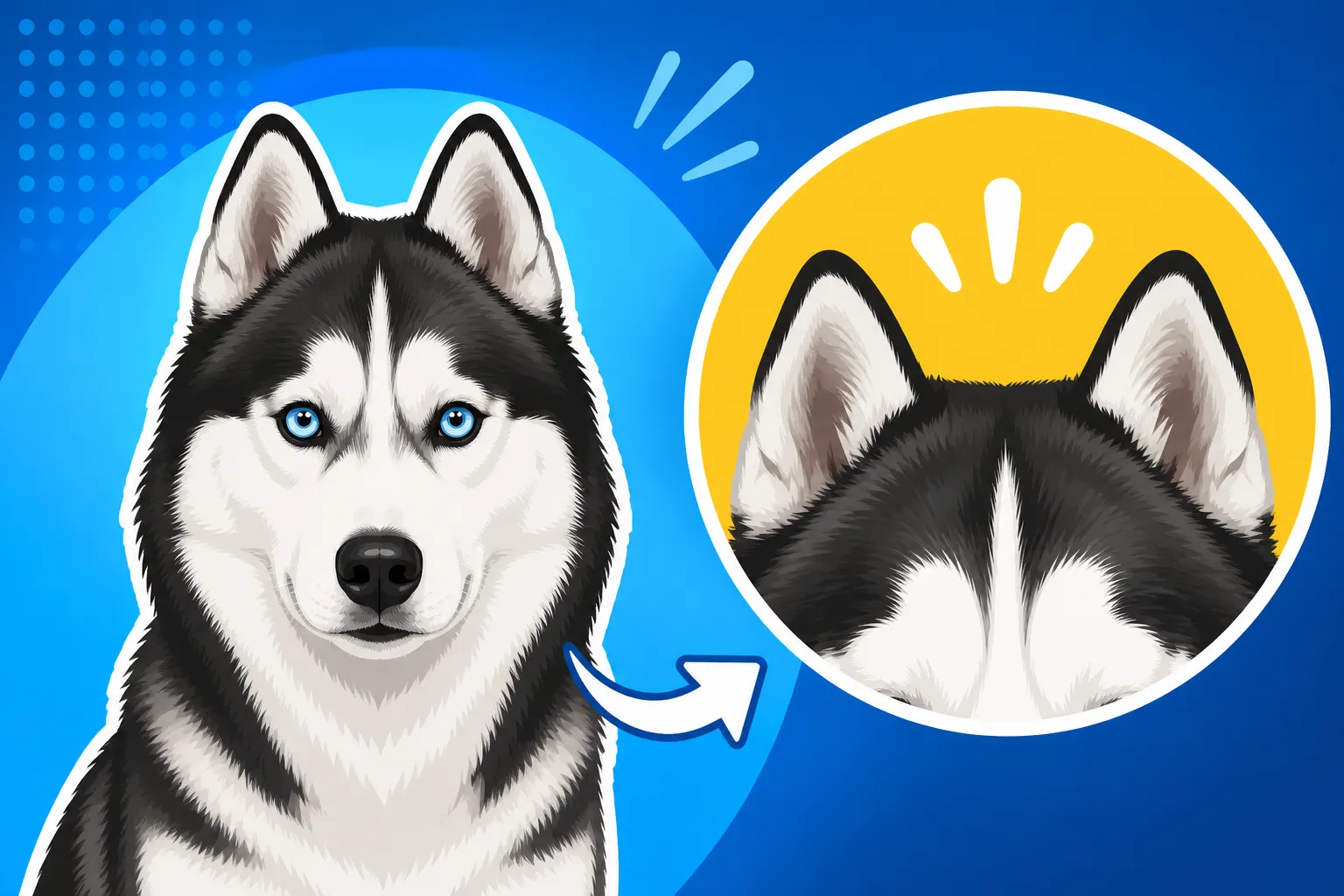
When you look at a Siberian Husky, those triangular, medium-sized ears, set high on the head and relatively close together, are undeniably one of their most iconic features. They stand erect, always seeming to be scanning the environment, a perfect antenna for the world around them. This isn't just for aesthetics; it's a finely tuned piece of natural engineering.
Think about the brutal conditions their ancestors, the Chukchi dogs, faced in Siberia. Flat, floppy ears would be a liability, inviting frostbite and acting as snow scoops. Instead, the Siberian Husky's ears are designed for maximum efficiency in harsh, cold environments, providing excellent directional hearing while minimizing exposure to the elements.
Erect Versus Drop Ears: An Evolutionary Advantage
Unlike many breeds that feature soft, pendulous drop ears, the Siberian Husky, like other spitz-type dogs, boasts erect ears. This upright posture is more than just a visual trait; it's a key evolutionary advantage. Drop ears, while perhaps offering some protection from windblown debris in milder climates, create a warm, moist environment within the ear canal, which can be a breeding ground for bacteria and yeast, leading to ear infections. Anyone who has owned a Spaniel or a Basset Hound knows this struggle all too well!
Siberian Huskies, however, are bred for open, freezing landscapes. Their erect ears allow for better air circulation, keeping the ear canals drier and healthier. This design reduces the incidence of common ear infections that plague many other breeds. Furthermore, the ability to swivel their ears independently gives them a remarkable range of hearing, crucial for spotting prey or sensing danger in a vast, quiet tundra. It's a testament to natural selection: ears that could better detect faint sounds in the wide-open arctic meant better survival.
The Cartilage and Muscle That Holds Them Up
The impressive upright stance of a Siberian Husky's ear is thanks to a strong framework of cartilage and a robust set of muscles. Puppy ears start out floppy, and typically begin to stand erect between 8 to 16 weeks of age, though sometimes it can take a bit longer. This process is driven by the hardening of cartilage, a natural development as the puppy grows. Adequate calcium and phosphorus are important for this, but generally, it's a genetic predisposition. Some puppies might have one ear pop up before the other, or they might go up and down like little flags for a while, which can be both amusing and a little worrying for new owners.
These ears are incredibly mobile, powered by numerous small muscles that allow the Husky to tilt, swivel, and rotate them almost 180 degrees. This precise control over ear direction means they can pinpoint sounds with incredible accuracy. Imagine trying to hunt a small rodent under a thick blanket of snow; keen hearing, amplified by directional ears, would be absolutely essential. This musculature is also why you'll often see your Husky's ears twitching and shifting constantly, reacting to every tiny sound in your home, often long before you even notice anything.
The Breed Standard: Why Close-Set Ears Are Prized
The official breed standard for the Siberian Husky, as recognized by organizations like the American Kennel Club, meticulously describes every aspect of the dog, and the ears are no exception. The standard calls for "medium in size, triangular in shape, set high and close together." This isn't just an arbitrary preference; it directly reflects the breed's purpose and functionality.
These specifications are rooted in the practical needs of a sled dog. The overall head shape and ear placement contribute to an aerodynamic profile, which, while perhaps not critical for a house pet, was vital for a working dog pulling a sled at speed through icy winds. A wide-set, floppy ear would not only create drag but also be more susceptible to environmental damage.
Function Over Form in the Arctic: Hearing and Snow Protection
In the harsh realities of the arctic, form truly followed function. The close-set, triangular ears are perfectly designed to minimize heat loss and prevent snow from accumulating inside. Imagine a driving blizzard; ears that sit low or are wide-set would gather snow and become painful, frozen appendages. The Husky's ear structure keeps them streamlined and relatively protected, allowing the dog to remain functional in extreme conditions.
Beyond protection, the close setting and erect carriage maximize hearing. These ears act like natural satellite dishes, funneling even the faintest sounds into the ear canal. For a dog that might be navigating by sound in whiteout conditions or locating distant team members, this acute auditory sense is invaluable. It’s part of the reason Why Siberian Huskies Cannot Be Trusted Off Leash – their ears are constantly picking up distant calls of the wild, and their instinct to investigate is powerful.
What "Close Set" Really Means (and How to Spot It)
When the standard mentions "close together," it's not suggesting the ears should be touching, but rather that their bases are positioned relatively near each other on the top of the skull, not splaying out to the sides. Picture a perfect triangle formed by the top of the head and the tips of the ears – that's the ideal. The ear tips should point straight up or slightly forward, giving the dog an alert and keen expression.
A well-set ear adds to the overall balance and symmetry of the Husky's head. If ears are too wide-set, too large, or too small, they can detract from the characteristic "wolf-like" appearance that is so defining of the breed. For potential owners looking at puppies, observing the ear set can offer a subtle clue about adherence to the breed standard, though a puppy's ears can still be developing. Reading a Siberian Husky Puppy's Health Paperwork often includes notes on physical characteristics from reputable breeders, and they'll usually highlight good ear set.
Common Ear-Related Concerns in Siberian Huskies
While Siberian Huskies are generally known for their robust health, their ears are not entirely immune to issues. Understanding the potential problems and how to properly care for these distinctive features is a crucial part of responsible ownership. Most ear problems can be managed with vigilance and prompt veterinary attention.
Because their ears are upright, Huskies tend to have fewer chronic ear infections compared to breeds with floppy ears. However, this doesn't mean they're immune. Environmental factors, allergies, or injuries can still lead to discomfort and problems.
Cleaning and Maintenance for Healthy Ears
Even with their self-cleaning, well-ventilated design, Husky ears still need occasional attention. The goal isn't constant deep cleaning, which can actually cause irritation, but rather regular checks and gentle maintenance. I usually recommend a quick visual inspection weekly, maybe during a grooming session or while you're enjoying some cuddle time.
Here’s a simple routine:
- Look: Gently lift the ear flap and check the inside of the ear. It should be clean, pale pink, and free of excessive wax, redness, swelling, or any unusual discharge. A little light tan wax is normal.
- Smell: Give the ear a sniff. It should have a neutral, clean smell. A foul, yeasty, or overly sweet odor is a red flag for infection.
- Wipe (if needed): If you see a small amount of dirt or light wax buildup, use a soft cotton ball or a pet-specific ear wipe (many good brands like those found on Chewy offer these). Gently wipe the visible parts of the ear, being careful not to push anything down into the ear canal. Never use cotton swabs inside the canal itself, as you can damage the delicate structures or push debris further in.
This preventative care can go a long way in keeping your Husky's ears healthy and happy. If your dog loves to swim, a gentle drying of the outer ear after a dip can also help prevent moisture buildup.
Recognizing and Addressing Ear Issues
Despite your best efforts, sometimes ear problems still pop up. It’s important to know what to look for and when to call your vet. Signs of ear trouble can include:
- Excessive scratching or pawing at the ears: This is often the first sign of irritation.
- Head shaking: Your Husky might shake their head vigorously, as if trying to dislodge something.
- Redness or swelling: The inside of the ear flap or the opening of the canal might look inflamed.
- Discharge: Yellow, brown, or black discharge, especially if it's thick or smelly, is a strong indicator of infection.
- Odor: As mentioned, a bad smell is a definite warning sign.
- Pain: Your Husky might resist having their ears touched, or cry out if you try to examine them.
- Crusty patches or hair loss: Sometimes external skin issues, like Zinc-Responsive Dermatosis in the Siberian Husky, can manifest around the ears.
If you notice any of these symptoms, it's time for a vet visit. Self-treating ear infections can make things worse, as different types of infections (bacterial, yeast, mites) require specific medications. Your vet will be able to properly diagnose the issue and prescribe the correct course of treatment, whether it’s ear drops, oral medication, or a thorough cleaning.
One particular concern for Huskies in extreme cold is frostbite. While their ears are designed to resist it, prolonged exposure to very low temperatures without shelter can still cause the ear tips to become frostbitten. These areas might appear pale, waxy, or hard, and can later become red, swollen, and painful. If you suspect frostbite, warm the affected area gently and seek veterinary attention immediately. Cold Tolerance Limits for a Siberian Husky provides more details on protecting your Husky in winter.
| Characteristic | Healthy Siberian Husky Ear | Signs of Potential Issue |
|---|---|---|
| Position | Erect, triangular, set high and close | Floppy in an adult, splaying out widely |
| Inner Appearance | Pale pink, clean, minimal light tan wax | Red, swollen, crusty, excessive dark/yellow wax |
| Smell | Neutral, clean | Foul, yeasty, sweet, strong odor |
| Discharge | None | Yellow, brown, black, pus-like, watery |
| Behavior | Calm, no scratching or head shaking | Frequent scratching, pawing, head shaking, rubbing |
| Response to Touch | Tolerant, enjoys gentle petting | Painful, sensitive, withdrawal, yelping |
| Hair | Clean, free of mats around base | Matted, dirty, or sparse hair around ear opening |
Debunking Myths About Husky Ears
With such a distinctive feature, it's no surprise that a few myths or misconceptions have popped up around Siberian Husky ears. As a breed blogger, I've heard them all, and it's always good to clarify what's true and what's just old wives' tales.
Understanding the reality behind these myths helps us better appreciate the breed and care for them appropriately, without unnecessary worry or incorrect practices.
Ear Set and Hearing Ability
One common question I get is whether the close-set, erect ears somehow make a Husky's hearing too good, or if a slight deviation in ear set indicates a hearing problem. The truth is, while the ear structure does optimize their hearing, a Husky with ears that are a little wider set or slightly less erect than the standard doesn't necessarily have impaired hearing. Their auditory abilities are far more complex than just ear carriage.
Genetic factors, the health of the inner ear, and neurological function are far more significant determinants of a dog's hearing acuity than the precise angle of their ear tips. A Husky's hearing is naturally excellent, a trait honed over centuries of working in open, quiet environments where sound was paramount for navigation and survival. Unless there's an injury, chronic infection, or a specific congenital defect, you can assume your Husky's hearing is top-notch, regardless of minor aesthetic variations in ear set. If you're concerned about your Husky's hearing, especially as they age, your vet can perform simple tests. Caring for a Siberian Husky Past Ten often involves monitoring for sensory changes.
When Ear Set Might Be a Red Flag
While minor variations in ear set are generally harmless, there are a few instances where unusual ear carriage or condition might be a red flag. These often point to either a genetic deviation that affects breed conformity or, more seriously, a health issue.
- Permanently Dropped Ears: If an adult Siberian Husky has permanently dropped or "rose" ears (ears that fold over), it's considered a serious fault in the breed standard and typically indicates an undesirable genetic trait. This is not common in purebred Huskies and might suggest a mix with another breed, or a significant deviation from proper Husky conformation. While it doesn't usually impact the dog's health, it's something a reputable breeder would strive to avoid.
- "Wooly" Coated Ears: Some Huskies can have an excessively long, soft coat, often called a "wooly" coat. This can sometimes extend to the ears, making them appear heavier or fluffier than the standard sleek, well-furred ear. While not a health issue in itself, "wooly" coats are a fault in the breed standard because they compromise the functionality of the coat in extreme cold, making it prone to matting and holding moisture.
- Asymmetry: If one ear is consistently up and the other down, or if they point in wildly different directions and your Husky isn't actively listening to two different sounds, it might warrant a vet check. This could be due to an old injury, nerve damage, or a structural issue that could be causing discomfort, though it's rare.
- Constant Head Tilting: While cute, if your Husky is always tilting their head to one side, especially when listening, it could sometimes indicate an ear infection, a foreign object lodged in the ear, or even a more serious neurological issue. Observe if this is accompanied by other symptoms like discharge or scratching, and consult your vet.
In general, the close-set, erect ears of the Siberian Husky are a hallmark of the breed, a beautiful and functional feature that speaks volumes about their heritage. They are built to thrive in extreme conditions, listen keenly, and move gracefully, embodying the spirit of the arctic adventurer.
Disclaimer
This article is for general informational purposes only and does not constitute professional advice. Laws, prices and regulations vary by location and change over time. Consult a qualified professional for guidance on your specific situation.