Pure White Siberian Huskies
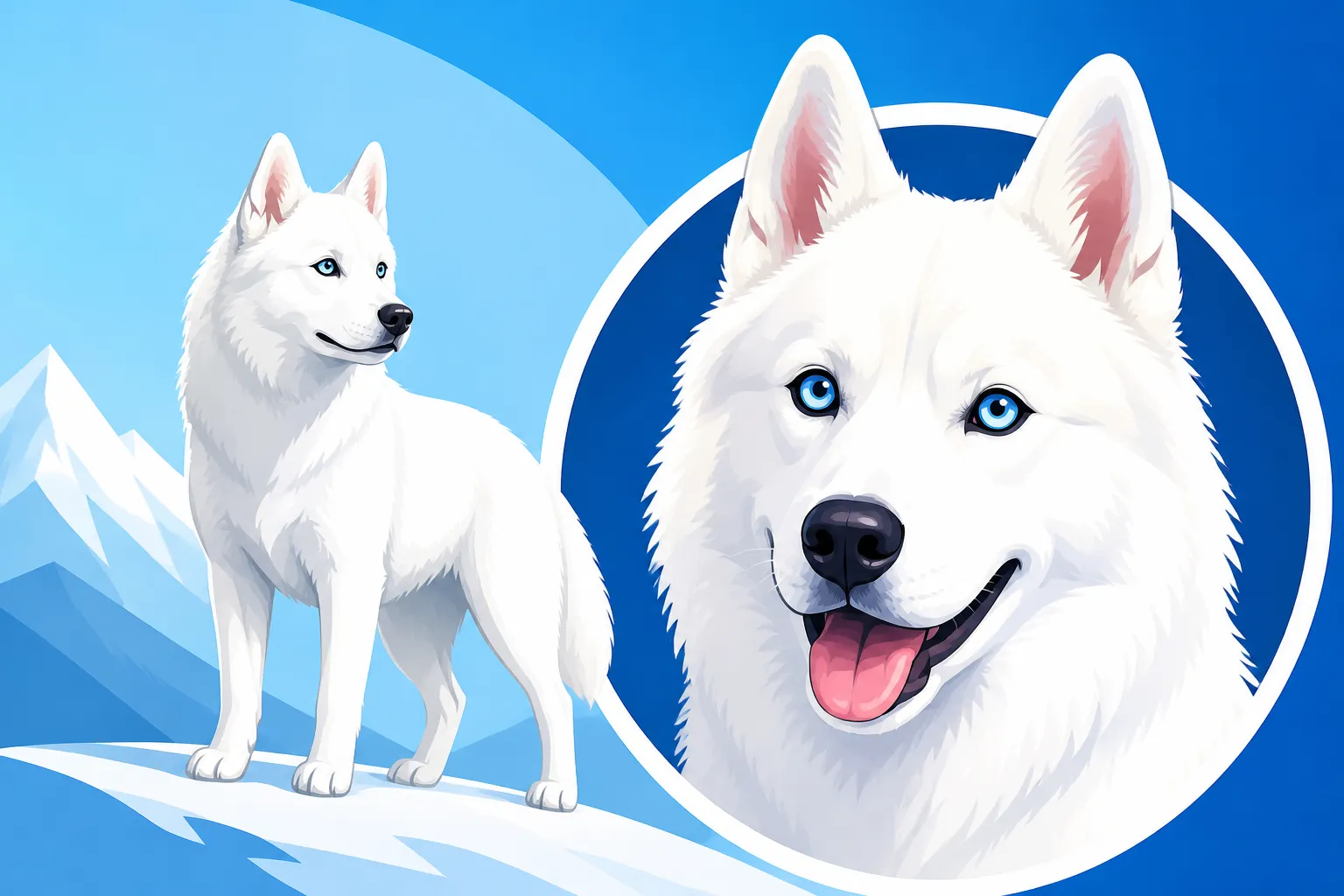
The sight of a pure white Siberian Husky often stops people in their tracks. Their striking, snow-colored coats are absolutely breathtaking, evoking images of arctic wilderness and majestic wolf-like beauty. But beneath that stunning exterior, there are often a lot of questions and even some deeply rooted misconceptions about what it truly means to own a Husky with this unique coloring. If you've ever wondered if pure white Huskies are rare, have special health needs, or even if they're albinos, you're in the right place. This comprehensive guide will peel back the layers of myth and give you the real, honest truth about these magnificent dogs, helping you understand their genetics, care, and what makes them such incredible companions.
Unpacking the Pure White Coat: Genetics and Reality
When you see a Siberian Husky with a coat as white as fresh snow, it's easy to assume they're a completely different "type" or that their color comes with a whole host of unique quirks. The truth, like with many things canine, is a little more nuanced and a lot more fascinating than simple assumptions might lead you to believe. Understanding the genetics behind that dazzling white coat can really help you appreciate your dog for who they are, rather than what their color might imply.
Is "White" a Specific Color in Huskies, or Something Else?
It's common to hear people talk about "black Huskies" or "red Huskies," and assume "white Husky" falls into the same category of distinct colors. However, genetically speaking, a pure white coat in a Siberian Husky isn't a separate, primary color gene like black, red, or agouti. Instead, it's typically the result of an extreme expression of the "e-locus" gene, which is responsible for restricting the production of dark pigment (eumelanin) in the hair shaft. In essence, it's a masking gene that prevents any underlying color from showing through in the fur, making the dog appear white. The dog still carries genes for other colors, but they're just not visible in the coat itself.
This can be a bit confusing for new owners or those unfamiliar with canine color genetics. You might have a white Husky who is genetically a red or a black dog, but because of this masking gene, their fur simply doesn't express that color. The American Kennel Club (AKC) breed standard for the Siberian Husky does list "white" as an accepted coat color, and within that description, it acknowledges the stunning purity of these coats. It’s important to remember that while the fur is white, the dog is not lacking all pigment, which is a crucial distinction we'll explore shortly. The official recognition means these dogs are absolutely standard-compliant, even if the genetics behind their pristine appearance are a bit more intricate than, say, a straightforward black and white counterpart. You can learn more about the variety in their coats in our guide on Siberian Husky Coat Colors and Markings.
The Genetic Mechanism Behind Their Snow-White Appearance
So, how does this "masking" actually happen? Most often, a pure white Siberian Husky possesses two copies of a recessive gene at the E locus (referred to as "e/e"). This genetic combination essentially acts as a switch, telling the cells responsible for coat color not to deposit black or brown pigment into the hair shafts. This means that whatever underlying color genes the Husky has – be it red, sable, or even black – they are effectively "hidden" beneath this dominant white appearance. Think of it like a beautiful painting covered by a sheet; the painting is still there, but you only see the sheet.
It's a marvel of genetics that creates such a consistent and breathtaking white coat. Unlike some other breeds where patches of white might be caused by different genes (like the piebald gene), in Siberian Huskies, this solid white is typically a uniform lack of color in the fur itself. This isn't just a lighter shade of cream; it's a deep, rich white that truly commands attention. Breeders who specialize in white lines often have a good understanding of these genetics, carefully selecting parents to produce healthy, conformationally sound puppies with this desired coat. It's a testament to the diverse genetic pool within the breed that such striking variations exist while still adhering to the core characteristics that make a Husky, well, a Husky.
Debunking Myths: Are White Huskies Albinos or More Prone to Deafness?
This is perhaps the most common area of misunderstanding when it comes to pure white Siberian Huskies, and it's essential to set the record straight. The answer is almost universally no, pure white Siberian Huskies are not albinos. Albinism is a much rarer genetic condition characterized by a complete lack of pigment in the skin, hair, and eyes due to a defective enzyme. This results in pink skin, white fur, and crucially, red or pink eyes. A pure white Husky, while having white fur, will almost always have dark pigment in their nose, lips, paw pads, and importantly, their eyes. Their eyes will be blue, brown, or bi-colored, never red. If you ever encounter a "white Husky" with red eyes, that's a true albino, and it's an extremely rare and distinct condition from the pure white Siberian Husky we typically admire.
Another pervasive myth, stemming from legitimate concerns in other breeds (like Dalmatians or white Boxers), is that white dogs are inherently more prone to deafness. For Siberian Huskies, this is simply not true. There is no known genetic link between the pure white coat color and an increased risk of deafness in the breed. This isn't to say a white Husky couldn't be deaf, as deafness can occur in any dog breed and any color, but their white coat itself isn't a predisposing factor. Responsible breeders perform health testing on all their breeding dogs, regardless of color, to screen for various genetic conditions. This includes checks for eye health and general well-being. If you're considering bringing a white Husky into your family, asking about the parents' health clearances, like those mentioned in Health Testing Before You Buy a Siberian Husky, is always a wise move, just as you would for any other Husky puppy. Don't let unfounded fears about color deter you from a well-bred, healthy white Husky.
Beyond the Coat: Physical Traits and Standard Adherence
While the magnificent white coat is undeniably the first thing that catches your eye with these Huskies, it’s crucial to remember that they are, at their core, Siberian Huskies through and through. This means they share the same robust physical characteristics, build, and features that define the breed, all meticulously detailed in the breed standard. Their white fur doesn't alter their fundamental anatomy or inherent breed traits, ensuring they are just as capable and well-suited for the activities their ancestors were bred for as their multicolored kin.
Eye Color and Pigmentation: What to Expect with a White Husky
One of the most defining characteristics of any Siberian Husky, regardless of coat color, is their stunning array of eye colors and facial pigmentation. For pure white Huskies, this is particularly important as it helps distinguish them from true albinos. A white Husky can have any of the eye colors found in the breed: piercing ice-blue, warm brown, or even that captivating "bi-eyed" look where one eye is blue and the other is brown. Some may also display "parti-eyes," where an iris contains swirls of both blue and brown. This diversity in eye color is part of the breed's charm and is entirely normal for a white Husky. You can explore this more deeply in Siberian Husky Eye Colors and Heterochromia.
Beyond eye color, pay close attention to the pigmentation on their nose, lips, and paw pads. In a healthy pure white Siberian Husky, these areas should typically be pigmented. Most often, you'll see a solid black nose and dark paw pads. However, some white Huskies may have a liver (brown) colored nose, especially if they carry genes for red coloration under their white mask. It's also quite common for Huskies, white or otherwise, to experience "snow nose" or "winter nose," where the black pigment on the nose fades to pink during colder months, only to darken again in warmer weather. This is a natural, harmless phenomenon and not a sign of poor health or albinism. It's truly those dark eyes and pigmented skin that confirm your white Husky is a picture of breed standard, not an anomaly. A Siberian Husky Nose That Loses Its Color delves into this topic further.
The Importance of the Double Coat, Even When White
The Siberian Husky’s coat is perhaps its most crucial physical trait, a testament to its arctic origins, and this holds absolutely true for pure white Huskies. Their pristine white fur isn’t just beautiful; it’s a highly functional double coat, consisting of a soft, dense undercoat and a protective layer of coarser guard hairs. This remarkable coat is designed by nature to provide exceptional insulation against both extreme cold and, perhaps surprisingly, heat. The dense undercoat traps air, creating a thermal barrier that keeps them warm in frigid temperatures, while the guard hairs are water-repellent and protect against sun and snow.
Many new Husky owners, especially those with white dogs, might be tempted to shave their dog in summer, thinking it will help them stay cool. This is a common misconception and a serious mistake. Shaving a Siberian Husky, regardless of color, disrupts the natural insulation system, making them more susceptible to overheating and sunburn. The double coat acts like a natural air conditioner, protecting them from the sun's harsh rays while allowing air to circulate. Furthermore, a shaved Husky's coat often grows back incorrectly, becoming patchy, coarse, or failing to regrow the protective guard hairs properly. This can lead to permanent damage to their coat's insulating properties and overall appearance. Always remember the functional brilliance of that coat; it's a marvel of natural engineering. We cover this in detail in Why You Must Never Shave a Siberian Husky.
Size, Structure, and Conformation: Do White Huskies Differ?
When you gaze upon a pure white Siberian Husky, it's easy to get lost in the ethereal beauty of their coat. However, it's vital to remember that their coat color is merely one aspect of their overall physical being. In terms of size, structure, and conformation, a pure white Husky should perfectly align with the established breed standard for Siberian Huskies. This means they should exhibit the same moderate build, well-proportioned body, athletic gait, and alert expression as any other Husky. They are not meant to be oversized or undersized, nor are they expected to have any unique structural deviations due to their lack of coat pigmentation.
The breed standard outlines specific ranges for height and weight, tail carriage, ear set, and overall body balance, and a white Husky should fall squarely within these parameters. A responsible breeder of white Huskies will prioritize these conformational traits just as much as, if not more than, the coat color itself. They understand that a beautiful coat is secondary to a healthy, functional dog that can live a long, active life. Any deviation from the standard in terms of exaggerated size or unusual bone structure would be considered a fault, just as it would in a black and white or red and white Husky. So, while their color might make them stand out in a crowd, rest assured that under that stunning white fur lies the same strong, agile, and perfectly proportioned canine athlete defined by What the AKC Standard Asks of a Siberian Husky.
| Characteristic | Pure White Siberian Husky (Reality) | Albino (Myth/Misconception) |
|---|---|---|
| Coat Color | Solid white | Solid white |
| Eye Color | Blue, brown, bi-eyed, parti-eyed | Pink or red |
| Nose & Lip Pigment | Black, liver (brown), or snow nose | Pink |
| Paw Pad Pigment | Black, liver (brown) | Pink |
| Skin Color | Pigmented, often dark or mottled | Pink |
| Deafness Risk | No increased risk | No direct link in Huskies |
| Sun Sensitivity | Possible on non-furred skin | High sensitivity to light |
Living with a White Siberian Husky: Temperament and Care Considerations
Bringing any Siberian Husky into your home is a commitment to a life filled with energy, vocalizations, and often, a good dose of mischievous charm. When that Husky happens to be pure white, you might wonder if their striking appearance comes with a unique set of behavioral traits or demands a completely different care routine. The great news is that, for the most part, a white Husky is still very much a Husky. However, their light coat does introduce some specific considerations for grooming and sun protection that are worth discussing in detail.
Temperament: Are Pure White Huskies Truly Different?
This is one of the easiest myths to bust: a pure white Siberian Husky is no different in temperament from a Husky of any other color. Their coat color has absolutely no bearing on their personality, intelligence, or behavioral quirks. You can expect the same independent, intelligent, and often stubborn nature that the breed is famous for. They will likely be highly energetic, possess a strong prey drive, and have an innate desire to explore – which often translates into an uncanny ability to escape. They are typically friendly, outgoing dogs who thrive on human companionship but also enjoy the company of other dogs.
Their vocalizations will be just as expressive, ranging from melodic howls to dramatic "woo-woos" and even full-blown "conversations." They'll require consistent training, plenty of exercise, and mental stimulation to prevent boredom and destructive behaviors. Don't expect a docile lapdog just because they look like a snow angel; beneath that pristine coat is the heart of a working dog. If you’re looking for a dog that will enthusiastically join you for long hikes, runs, or even pull a scooter, a white Husky is just as game as any other. All the typical traits outlined in Siberian Husky Temperament and What the Standard Says apply equally to their white counterparts. Your white Husky will challenge you, make you laugh, and fill your life with boundless energy and affection, just like any other well-loved Siberian.
Special Grooming Challenges for a Bright White Coat
Ah, the pure white coat! While it's undeniably gorgeous, it does come with a few unique grooming considerations, primarily because it shows everything. Mud, grass stains, dirt from digging, even just dust from rolling around the house – it all stands out like a beacon on a white coat. This means that while the fundamental grooming needs are the same as any Husky (daily brushing during coat blow, regular but not excessive brushing otherwise), the visibility of dirt requires a bit more vigilance.
During the infamous "coat blow" periods, typically twice a year, the sheer volume of white undercoat shed by a pure white Husky can be astonishing. We talk about this extensively in Siberian Husky Coat Blow and the Six Weeks It Lasts. You'll find tumbleweeds of white fluff everywhere, and regular, thorough brushing with an undercoat rake becomes absolutely essential to manage the shedding and prevent matting. For everyday maintenance, a good slicker brush and a sturdy comb, which you can easily find at Chewy, will help keep their coat free of tangles and remove loose hairs. When it comes to bathing, avoid over-bathing as it can strip natural oils. However, you might find yourself needing to spot-clean or use a whitening shampoo more frequently than you would with a darker-coated Husky, just to keep that pristine look. Just be sure to use dog-specific products and rinse thoroughly to prevent skin irritation. Some owners even use specialized "whitening" shampoos that are gentle and formulated to brighten the coat without harsh chemicals.
Sun Sensitivity and Skin Protection for Lighter Pigmentation
While a pure white coat offers excellent natural sun protection for the skin underneath, parts of a white Husky's body might have lighter pigmentation and therefore be more susceptible to sunburn. This is particularly true for areas where the fur is thin or absent, such as the nose, the tips of the ears (especially if they have minimal hair coverage there), and the delicate skin around their eyelids and lips. If your white Husky has a pink or "snow nose" that doesn't darken much in summer, this area is also at higher risk.
Just like humans with fair skin, prolonged exposure to intense sunlight can lead to sunburn, which is painful and, over time, can increase the risk of certain skin cancers. To protect these vulnerable spots, especially if your Husky spends a lot of time outdoors during peak sun hours, consider applying a dog-safe sunscreen to their nose and ear tips. You can find these products readily available from reputable pet suppliers like Chewy. Providing ample shade in your yard, timing walks for earlier mornings or later evenings, and being mindful of how much direct sun exposure they get are all smart strategies. Regular checks of their skin, perhaps during your normal grooming routine with an Undercoat Rakes and Slickers for a Siberian Husky, will help you spot any redness or irritation early. While their magnificent coat is a natural shield, a little extra attention to their un-furred areas can go a long way in keeping your white Husky happy and healthy.
Disclaimer
This article is for general informational purposes only and does not constitute professional advice. Laws, prices and regulations vary by location and change over time. Consult a qualified professional for guidance on your specific situation.