Siberian Huskies Against Samoyeds as Pets
Choosing between a Siberian Husky and a Samoyed can feel like trying to decide between two beautiful, fluffy clouds that promise a life of adventure. Both are stunning northern breeds with thick coats and a wolf-like appeal, but if you're not careful to understand their unique temperaments and needs, you might end up with a dog that doesn't quite fit your lifestyle. This guide will help you understand the distinct differences between these two wonderful breeds, so you can make an informed choice about which might be the better companion for you and your family.
A Tale of Two Northern Breeds: Origins and Purpose
Before we dive into their pet qualities, it’s really helpful to understand where these dogs came from and what they were originally bred to do. Their ancient jobs profoundly shaped who they are today, and you’ll see those ancestral traits surface daily in your home. It’s not just about aesthetics; it’s about their very essence.
Siberian Husky: The Endurance Athlete
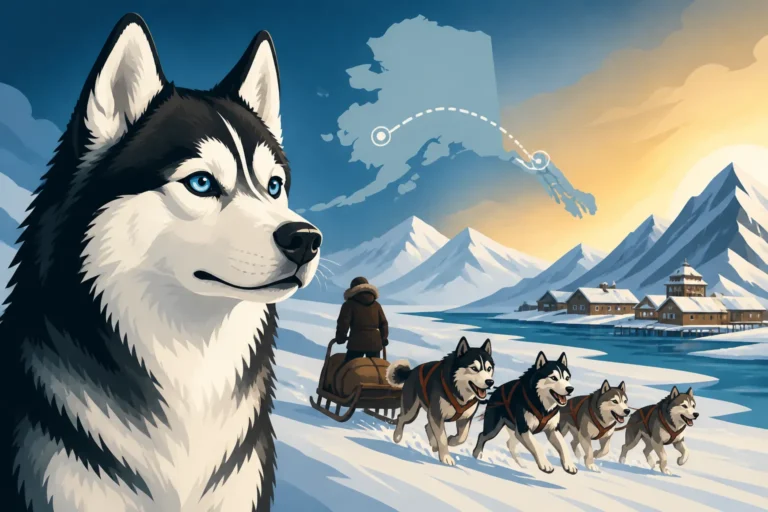
The Siberian Husky’s story is deeply rooted in the harsh, unforgiving landscape of northeastern Siberia, specifically with the nomadic Chukchi people. These were not luxury dogs; they were essential for survival. The Chukchi relied on their Huskies to pull light loads over vast distances at a relatively fast pace, often in extreme cold. Think about it: they needed dogs that could cover miles without tiring easily, efficiently conserving energy while still being strong enough to pull a sled laden with supplies. This selective breeding for speed, endurance, and efficiency in a tough environment created the dog we know today.
What does this mean for a pet Husky? It means they have an insatiable need for activity. Their bodies are finely tuned machines, designed for sustained effort. A leisurely stroll around the block twice a day isn't just insufficient; it's practically an insult to their heritage! They thrive on long runs, hikes, and structured "work" that taps into their pulling instinct. This background also contributes to their remarkable independence and resourcefulness – traits that are invaluable when you're a sled dog, but can be a bit challenging when you're a couch potato in a suburban home. They can be quite adept at problem-solving, which often translates to opening gates or figuring out how to get to that tempting squirrel on the other side of the fence.
Samoyed: The Companion and All-Around Helper
In contrast, the Samoyed hails from the Arctic regions of Siberia, primarily with the Samoyede people (now known as the Nenets). While they did pull sleds, their role was much broader. They were truly all-purpose dogs: herding reindeer, guarding livestock, hunting, and most importantly, serving as close companions and even sleeping buddies with their nomadic owners. The Samoyede people were dependent on their dogs for warmth in their tents, and this created a profound bond. This close relationship meant Samoyeds were bred not just for utility, but also for a gentle, affectionate nature and a desire to be with their human family.
As pets, this ancestral role shines through in the Samoyed’s temperament. They are inherently more people-oriented than many Huskies. They crave interaction and can become quite unhappy if left alone for long periods. Their "smile"—a slight upturn at the corners of their mouth—isn't just a charming facial feature; it's a reflection of their generally joyful and amiable disposition. While they certainly have energy and enjoy pulling, their drive is often tempered with a strong desire to please and connect with their family. They’re still active dogs, but their energy is often geared towards play and interaction with their humans rather than endless, focused endurance work.
Temperament and Personality: A Closer Look
Understanding the core personality traits of each breed is crucial, as this is where you'll find some of the most significant differences that impact daily life. It’s not just about looks; it's about what makes them tick.
The Independent, Resourceful Siberian Husky
Oh, the Husky. They are brilliant, no doubt about it. But that brilliance often comes wrapped in a package of charming stubbornness and an independent streak wider than the Alaskan wilderness. Bred to make decisions on a sled team without direct human input every second, they retained that ability. This means they'll often weigh your command against what they want to do, and if the squirrel looks more appealing than your "Come!", well, good luck. This is why the famous line, Why a Siberian Husky Cannot Be Trusted Off Leash, is a truism, not a myth.
Their energy levels are legendary, and without adequate exercise and mental stimulation, they can become destructive. Digging, chewing, and escaping are not "naughty" behaviors as much as they are expressions of an unfulfilled instinct. They also have a very strong prey drive. Small furry animals, cats, chickens, even small dogs can all look like fair game to an unmanaged Husky. This isn't aggression; it's simply a deeply ingrained instinct from their hunting past that needs to be respected and managed. Socialization is important, but it will rarely override their deeply wired chase instincts.
And then there's the vocalization. Huskies don't bark much, but they talk. They howl, they yodel, they grumble, they "woo-woo." It’s a full spectrum of expressive sounds that can be endearing to some and absolutely baffling to others. If you value peace and quiet, a Husky might test your patience!
The Affectionate, People-Oriented Samoyed
Samoyeds, on the other hand, are generally far more focused on their people. Their historical role as camp companions means they thrive on human interaction and can easily develop separation anxiety if left alone too much. They want to be involved in whatever you're doing, whether it's watching TV, going for a walk, or even just sitting quietly nearby. They are often described as "velcro dogs" because they stick so closely to their families. This deep connection makes them wonderful, loving companions, especially for families who want a dog that is truly part of the fabric of their lives.
While they possess intelligence, they are typically more eager to please than a Husky, making them generally easier to train. They are playful, gentle, and usually good with children, earning them the nickname "smiling sled dogs." Their prey drive is typically much lower than a Husky's, though individual personalities vary, and proper introductions to smaller pets are always necessary. However, they are also quite vocal. Samoyeds are known for their barks, howls, and other expressive noises, often using them to communicate their desires or simply to express joy. So, if you're looking for a quiet companion, neither of these breeds is likely to be your best bet!
Energy Levels and Exercise Needs: More Than Just a Walk
This is perhaps the most critical distinction between the two breeds for prospective pet owners. Mistaking their exercise needs leads to frustrated owners and unhappy, destructive dogs.
Siberian Husky: The Marathoner in Your Living Room
Let’s be brutally honest: if you’re not an active person, a Siberian Husky is probably not the right dog for you. These dogs are built for endurance. They need significant, consistent, high-intensity exercise every single day. We’re talking about long runs, cycling with them (bikejoring), skijoring in winter, or intense off-leash play in a securely fenced area. A twenty-minute stroll around the neighborhood isn't even a warm-up for a Husky. They have seemingly endless reserves of energy, and if it’s not channeled productively, it will find an outlet, often to the detriment of your home or yard.
Mental stimulation is just as important. These are intelligent dogs who need to think, problem-solve, and be engaged. Puzzle toys, training sessions, and interactive games are crucial. A bored Husky is a destructive Husky, a digger, an escape artist. They need a "job," even if that job is simply running with you for several miles a day or participating in dog sports. How Much Exercise a Siberian Husky Really Needs is a topic that can't be stressed enough for this breed. Without it, you're looking at a lifetime of managing chaos.
Samoyed: Playful and Active, But Less Demanding
Samoyeds are active dogs, make no mistake. They love to play, go for walks, and participate in family activities. They were also bred to work, often doing light sledding or herding. So, they need daily exercise, typically an hour or two of brisk walking, jogging, or active play. They enjoy fetch, hiking, and exploring new environments with their owners. They are agile and can excel in dog sports like agility or obedience.
However, their endurance levels generally don't match that of a Siberian Husky. While they can enjoy a good run, they are usually content with less intense, but still consistent, physical activity. Their need for exercise is often intertwined with their desire for companionship; they prefer to be active with their people. They’re less likely to develop extreme destructive behaviors purely from a lack of physical exercise if they are getting enough mental stimulation and human interaction. A Samoyed might be happy with a long walk and some vigorous playtime in the yard, whereas a Husky would still be pacing, looking for the next adventure.
Grooming and Maintenance: Prepare for the Fur!
Both breeds are famous for their magnificent double coats, but the reality of living with such coats can be a rude awakening if you’re not prepared for the commitment it requires. Get ready for fur. Lots of fur.
Siberian Husky: Managing the Double Coat
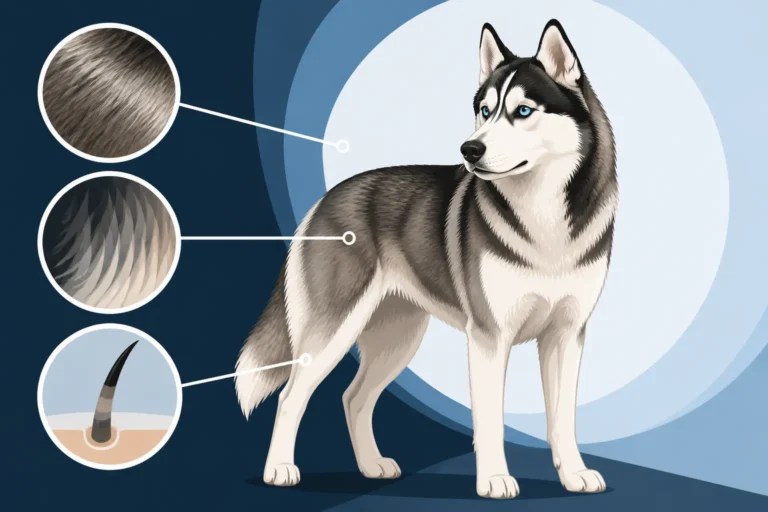
The Siberian Husky’s double coat consists of a soft, dense undercoat and a protective outer layer of guard hairs. This coat is designed to keep them warm in freezing temperatures and, paradoxically, to help them regulate their body temperature in warmer climates by trapping a layer of cool air next to the skin. This is why Why You Must Never Shave a Siberian Husky is such crucial advice; shaving destroys this natural insulation, making them more susceptible to heatstroke and sunburn.
Huskies "blow their coat" twice a year, typically in spring and fall, in a process that can last for weeks. During a "coat blow," they shed enormous amounts of undercoat. Imagine handfuls, literal bags full of soft fluff coming off your dog daily for several weeks. Daily, thorough brushing with an undercoat rake is absolutely necessary during this time to prevent matting and manage the shedding. Even outside of coat blow, weekly brushing is needed. Bathe them sparingly, as their coats are self-cleaning and too much bathing can strip their natural oils. Investing in a powerful de-shedding tool and a good vacuum (perhaps even a robot vacuum specifically designed for pet hair) is not optional, it's essential. You might even want to look at professional grooming for seasonal de-shedding. Chewy and other pet supply retailers offer a wide array of brushes and tools to help manage this.
Samoyed: The Arctic Cloud Demands Attention
Samoyeds are arguably even more demanding in the grooming department. Their luxurious, sparkling white double coat is thick, profuse, and truly stunning. It’s also a magnet for dirt, burrs, and anything else they might pick up on a walk. Like Huskies, Samoyeds also "blow their coat" twice a year, and the amount of fur they shed can be truly astonishing.
Daily brushing is often recommended for Samoyeds, especially during shedding season, to prevent mats and tangles from forming in their dense undercoat. Mats can be painful for the dog and, if left untreated, can lead to skin problems. Their longer guard hairs mean that their coat can tangle more easily than a Husky’s, requiring diligent attention. Regular bathing is also more common for Samoyeds to keep their white coats pristine, though still not excessive. A good dog-specific shampoo and conditioner are a must. Professional grooming every few months can be a great investment for Samoyed owners to ensure the coat stays healthy and manageable. Products from Chewy can help keep their coats looking their best.
Training and Socialization: Different Paths to a Well-Adjusted Dog
Both breeds are intelligent and capable of learning, but their inherent motivations and temperaments mean their training approaches will differ significantly. Consistency is key for both, but the type of consistency varies.
Training the Clever but Aloof Husky
Training a Siberian Husky requires immense patience, creativity, and a strong sense of humor. They are intelligent, but that intelligence is often applied to figuring out how to get what they want, not necessarily what you want. They bore easily with repetition, so short, engaging training sessions with high-value rewards (think delicious, stinky treats from Chewy, not just kibble) work best. Positive reinforcement is the only way to go; harsh corrections will shut a Husky down or make them even more resistant.
Recall is the ultimate challenge. Their prey drive and nomadic instincts mean that even the best-trained Husky often cannot be trusted off-leash in an unfenced area. They have a built-in "squirrel detector" that overrides everything else. Focus on proofing their recall in safe, enclosed spaces and rely on long lines for exercise in open areas. Teaching a Siberian Husky to Come Back is a lifelong endeavor, and even then, reliability is never guaranteed. Early and consistent socialization is vital to help them be polite around other dogs and people, but their independent nature often means they’re friendly but not necessarily overly eager to interact.
Training the Eager-to-Please Samoyed
Samoyeds are generally more eager to please their owners, which can make training a more rewarding experience. They are intelligent and pick up commands relatively quickly with positive reinforcement and consistent methods. They respond well to praise, treats, and toys. However, they can be quite sensitive, so harsh training methods should be avoided. Their vocal nature means you might need to teach them an "quiet" command early on!
While their prey drive is typically lower than a Husky’s, it's still present, so recall training should be taken seriously. They are often excellent candidates for obedience, rally, and agility because of their desire to work with their handler. Early socialization is crucial to ensure they grow into well-adjusted, confident adults who are comfortable with new people, places, and other animals. Because they crave companionship, they are often highly motivated by the opportunity to spend time and interact with their favorite people during training sessions.
Ideal Living Situations: Who Thrives Where?
Matching a dog to your living situation is about more than just square footage; it’s about lifestyle, commitment, and understanding the dog’s fundamental needs.
Siberian Husky: Space, Security, and Activity
A Siberian Husky thrives in an active household where their physical and mental needs are consistently met. They are not ideal for apartment living unless their owners are incredibly dedicated to providing hours of vigorous outdoor activity every day, regardless of weather. A securely fenced yard is almost non-negotiable, and even then, you need to understand The Fence Bill a Siberian Husky Forces because they are notorious escape artists. Six-foot fences, L-footers to prevent digging, and secure gate latches are often necessary.
They do best with owners who are experienced with independent, high-energy breeds and who understand the breed’s unique challenges. While they are friendly, they are not typically "cuddly" in the same way a Samoyed might be, preferring to be near you rather than on your lap. They can do well with children if properly socialized, but their energy and prey drive mean careful supervision is always needed, especially around very young kids or small pets. They are happiest when they have a job to do and an owner who understands their intrinsic need to run.
Samoyed: Family-Oriented and Included
Samoyeds, with their strong desire for companionship, thrive in homes where they are considered integral family members and included in daily activities. They are generally adaptable to various living situations, including apartments, provided they receive sufficient daily exercise and, crucially, plenty of human interaction. They do not do well when left alone for long periods and can develop destructive habits or separation anxiety if bored and lonely.
They are wonderful family dogs, known for being gentle and tolerant with children, which contributed to their "nanny dog" reputation in their native lands. They are typically social with strangers and other animals, making them good choices for households that enjoy visitors or have other pets. While a fenced yard is beneficial for safe playtime, their primary need is to be with their people, whether indoors or out. An owner who values a loyal, affectionate, and playful companion who wants to be by their side through thick and thin will find a Samoyed to be an incredibly rewarding pet.
Key Differences Between Siberian Huskies and Samoyeds
To help summarize, here's a table outlining the primary distinctions between these two captivating northern breeds:
| Feature | Siberian Husky | Samoyed |
|---|---|---|
| Origin/Purpose | Fast, light sled pulling for Chukchi people. | All-around helper, herder, companion for Samoyede people. |
| Temperament | Independent, resourceful, stubborn, clever. | Affectionate, people-oriented, eager to please, joyful. |
| Energy Level | Extremely high, requires intense, sustained daily exercise. | High, requires consistent daily exercise, but often less intense. |
| Prey Drive | Very high, strong instinct to chase small animals. | Moderate to low, generally better with small pets, but supervision is key. |
| Vocalization | Howls, "talks," yodels; less barking. | Barks, howls, expressive; often quite vocal. |
| Trainability | Intelligent but often independent and easily bored; challenging recall. | Intelligent and eager to please; generally more responsive to training. |
| Grooming | Moderate-high, intense seasonal shedding ("coat blow"), weekly brushing. | High, profuse coat requires daily brushing, intense seasonal shedding. |
| Companionship | Friendly but can be aloof; values independence. | Craves constant human interaction; prone to separation anxiety. |
| Ideal Home | Very active, experienced owners; securely fenced yard; provides "job." | Engaged family; included in daily life; consistent attention. |
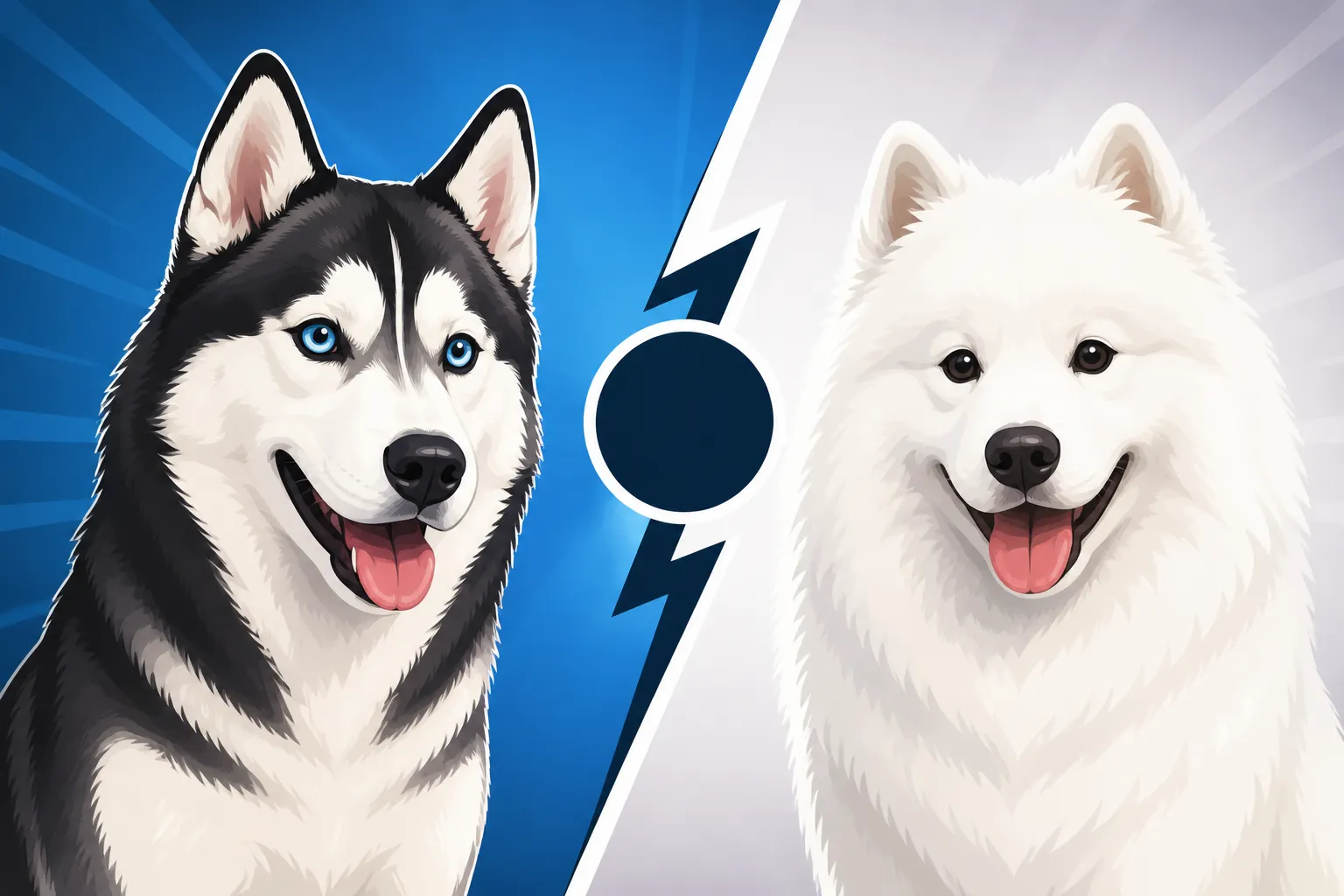
| Appearance | Often grey, black, red, white; distinctive markings; blue or bi-colored eyes common. | Pure white, cream, biscuit; "Sammy smile"; dark, almond eyes. |
Ultimately, both Siberian Huskies and Samoyeds are magnificent dogs that, in the right homes, bring immense joy and companionship. The "right" choice depends entirely on your lifestyle, your experience with dogs, and what you’re willing and able to commit to. If you're a marathon runner seeking a canine partner with an independent spirit and a love for challenging work, a Husky might be your soulmate. If you're looking for a joyful, fluffy companion who wants to be your shadow and participate in every family adventure, the Samoyed's smile might be calling your name.
Disclaimer
This article is for general informational purposes only and does not constitute professional advice. Laws, prices and regulations vary by location and change over time. Consult a qualified professional for guidance on your specific situation.