Show Ring Siberians Against Working Siberians
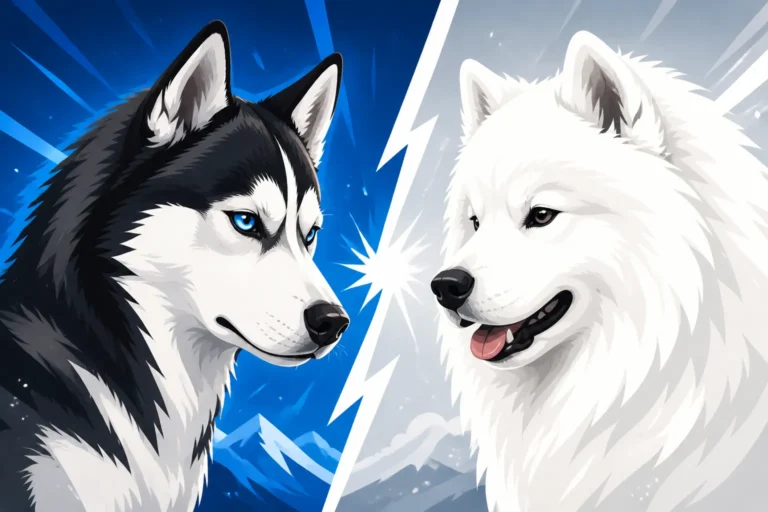
It’s a common scenario: you’re dreaming of bringing a beautiful Siberian Husky into your life, and suddenly you start hearing terms like "show line" and "working line." It can feel overwhelming, like there's a secret language you need to learn just to pick the right dog. Many people get confused, wondering if these are entirely different breeds or just subtle distinctions. This guide aims to clear up that confusion, helping you understand the real differences between Siberian Huskies bred for the show ring and those bred for the trail, so you can choose a companion that truly fits your lifestyle.
The Allure of the Show Ring Siberian Husky
When you picture a Siberian Husky, chances are you're imagining a dog that could easily grace a magazine cover or trot gracefully around a show ring. These are often what we refer to as "show line" Siberians, and they are bred with a very specific purpose: to conform as closely as possible to the breed standard set forth by organizations like the American Kennel Club (AKC). Their beauty is undeniable, but there's much more to them than just good looks.
Conformation to the Breed Standard
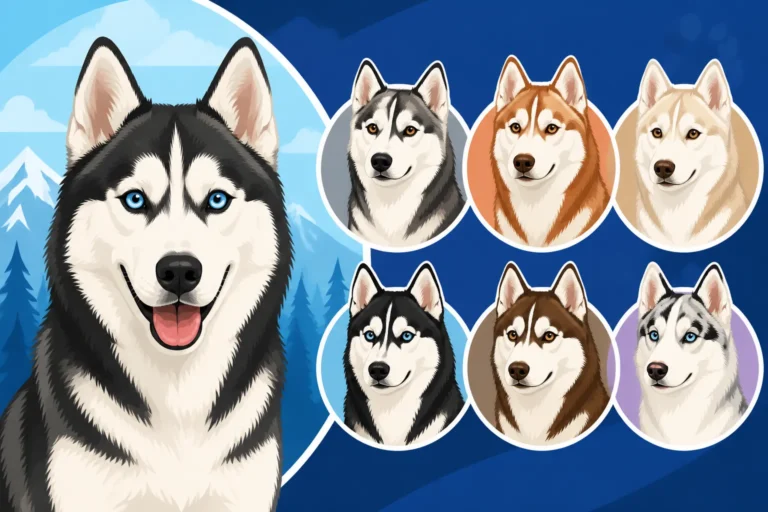
Show line Siberian Huskies are meticulously bred to embody the physical ideals outlined in the breed standard. This means breeders are focusing on things like correct head shape, ear set, eye color and placement, a strong level topline, and a well-plumed tail carried correctly over the back. The coat is a huge factor too – they typically have a dense double coat that's neither too long nor too soft, with specific colors and markings that are acceptable. The overall balance and movement are also critical; judges want to see a dog that can move efficiently, even if it's never pulled a sled in its life. The emphasis is on aesthetic perfection and structural soundness that would allow for work, rather than proving that work on the trail. Understanding What the AKC Standard Asks of a Siberian Husky can give you a deeper appreciation for the nuances these breeders strive for.
This dedication to the standard often means a dog with a slightly heavier bone structure and a more luxurious coat than their working counterparts. While still agile, their build tends to be more substantial, reflecting the "power without clumsiness" described in the standard. This isn't just about pretty faces; it’s about maintaining the structural integrity of the breed for future generations, ensuring they remain sound and healthy. A well-bred show Husky should still possess the athleticism inherent to the breed, even if its primary "job" is to look stunning in the ring.
Temperament in the Show Environment
Temperament is just as crucial in the show ring as appearance. A show line Siberian Husky is expected to be friendly, outgoing, and confident, readily accepting handling by strangers (judges need to examine them up close!). They need to be biddable enough to respond to their handler's cues in a busy, distracting environment, showing off their gait and standing politely for examination. While they retain that classic independent Husky spirit, show lines are generally bred for a slightly more tractable nature, making them easier to manage in a competitive setting. They still have energy, of course, but often with a calmer, more composed demeanor when necessary.
This isn't to say they're couch potatoes; far from it. They still possess that desire for companionship and engagement that all Huskies share. However, the intensity of their drive might be geared more towards interaction and play rather than a relentless need to run for miles and miles every day. They thrive on mental stimulation and consistent, positive reinforcement training, much like any intelligent dog. Their innate friendliness makes them wonderful family companions, often quite patient and tolerant with children and other pets, provided they are properly socialized from a young age.
Lifestyle and Exercise Needs
Even a show line Siberian Husky needs a significant amount of exercise, but their daily requirements might not be as extreme as a dedicated working dog. Think long, brisk walks, regular jogging, and plenty of off-leash play in a secure area. They still benefit immensely from activities like hiking, swimming, or even canine sports like agility or obedience, which provide both physical and mental stimulation. The key is consistency; they need an outlet for their energy every single day.
However, where a working line might require to pull for hours, a show line might be perfectly content with a good hour or two of intense activity, followed by brain games and cuddle time. Their metabolism is still efficient, meaning you’ll need to be mindful of their food intake; Feeding a Siberian Husky on 60 Percent of the Label is often a good guideline, regardless of their specific lineage, to prevent them from becoming overweight. Keeping them engaged and active prevents boredom, which, as any Husky owner knows, can quickly lead to destructive behaviors around the house or attempts at Stopping a Siberian Husky From Escaping the Yard.
The Grit and Drive of the Working Siberian Husky
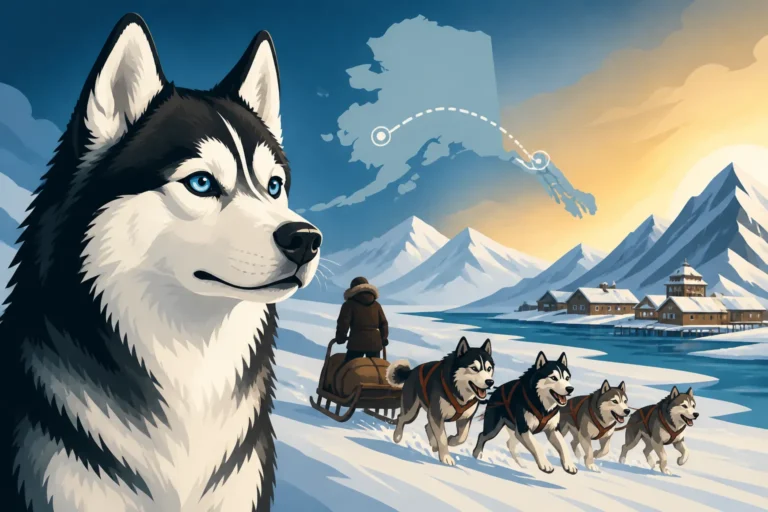
Now, let's talk about the working line Siberian Husky. These are the dogs that are bred for what the breed was originally created for: pulling sleds over vast, frozen distances. Their purpose isn't to look pretty in a ring; it's to perform, to have the stamina, speed, and mental fortitude to run for hours on end, often in extreme conditions. They embody the rugged, functional aspects of the breed.
Built for Endurance and Speed
Working line Siberians often present a different physical picture. While still recognizable as Huskies, they tend to be leaner, more athletic, and often possess a slightly less voluminous coat. Their bodies are honed for efficiency on the trail: longer legs for extended stride, a deeper chest for lung capacity, and tougher paw pads that can withstand harsh terrain. Their bone structure might be lighter, emphasizing speed and agility over bulk. They are often less concerned with the precise aesthetic points of the breed standard, as long as the dog can do its job. A working line Husky's appearance is a direct reflection of its function.
You might notice that working line dogs often have shorter, stiffer coats, which are still incredibly dense and insulating, but designed to shed snow and ice more effectively than a very plush coat. Their eyes might be less round, more almond-shaped, providing better protection from the elements. Every aspect of their physical makeup is geared towards maximizing their pulling power and endurance, allowing them to cover miles with an effortless, ground-covering trot. These dogs are truly built to move, and they excel at it.
Unwavering Drive and Independent Spirit
The temperament of a working line Siberian Husky is characterized by an intense drive to run and pull. They possess a tireless energy and an almost insatiable desire to be "on the go." This strong work ethic, combined with their inherent independence, means they thrive when given a job. Without a suitable outlet for this drive, they can become bored, restless, and even destructive. Their independence, a trait valued for making decisions on the trail, can translate into what many pet owners perceive as stubbornness or a lack of desire to please. They are intelligent, but they use that intelligence for their own purposes, which often involves testing boundaries.
Their prey drive can also be exceptionally high, a throwback to their ancestral need to hunt or forage for survival. This means that Why a Siberian Husky Cannot Be Trusted Off Leash is an even more critical lesson for working lines, as a fleeing squirrel or rabbit can trigger an instantaneous chase response that overrides all training. They are still affectionate and social dogs, but their primary motivation often revolves around physical activity and exploring their world with their nose and feet.
Demanding Exercise and Mental Stimulation
This is where working line Siberians truly differentiate themselves. Their exercise needs are not just significant; they are demanding. These dogs require consistent, high-intensity activity, often for several hours a day. This isn't just a casual walk around the block; we're talking about serious mileage. Activities like Canicross and Bikejoring With a Siberian Husky, actual sledding (if you're in a suitable climate), long-distance running, or even rigorous hiking are essential to keep them physically and mentally satisfied.
Without enough physical and mental exertion, a working line Husky will likely develop behavioral problems. This could manifest as excessive howling, digging vast holes in your yard, or attempting to scale fences. They might chew through furniture or household items, not out of malice, but out of sheer boredom and pent-up energy. Providing them with a consistent, challenging routine is paramount to their well-being and to maintaining peace in your home. You'll often find owners of working line Huskies investing in specialized gear, readily available from retailers like Chewy, to support their dogs' active lifestyles, from durable harnesses to cooling vests for warmer climates.
Key Differences Beyond Appearance
While the visual distinction between a sleek, powerful working dog and a more refined show dog is often the first thing people notice, the differences run deeper, affecting how they interact with their environment and their families.
Variations in Temperament and Trainability
The core Siberian Husky temperament of friendliness and independence remains, but its expression can vary significantly. A show line Husky might be more inclined to "work for you" in a structured training setting, aiming for praise or a treat, having been selectively bred for biddability in the ring. They are often more focused on their handler in distracting environments, making general obedience training somewhat more straightforward, though still requiring patience and consistency.
Working lines, on the other hand, might approach training with more "what's in it for me?" attitude. Their independence and drive can make them seem more stubborn or less attentive, especially if the reward isn't immediately high-value or the activity doesn't involve running. Building a strong recall with a working line Husky, for instance, requires immense dedication and understanding of their motivations. While both types are highly intelligent, working lines often apply their intelligence to problem-solving (like escaping!) rather than immediately complying with human commands. This isn't a flaw, but a characteristic that requires an owner who truly understands and appreciates the breed's ancestral purpose.
Health Considerations and Lifespan
Generally, Siberian Huskies are a robust breed with a good Siberian Husky Lifespan and What Shortens It. Both show and working lines typically share similar overall health concerns, such as certain eye conditions like juvenile cataracts or progressive retinal atrophy, and sometimes hypothyroidism. Responsible breeders in both camps prioritize health testing to minimize these risks. You should always look for a breeder who conducts Health Testing Before You Buy a Siberian Husky, regardless of whether they breed for show or work.
However, the nature of their activities can lead to different types of wear and tear. Working line Huskies, due to their intense physical demands, might be more prone to muscular strains, injuries to paw pads, or issues related to extreme exertion. Show line Huskies, while still active, might have a slightly lower incidence of these types of performance-related injuries. It's important to note that Siberian Husky Hips and Why the Rate Is Low is a positive trait for the breed as a whole, meaning hip dysplasia is less common than in many other large breeds, which benefits both lines. Regular veterinary care, appropriate nutrition, and a lifestyle suited to their build and drive are crucial for the health of any Siberian Husky.
Finding a Reputable Breeder or Rescue
Regardless of whether you lean towards a show line or a working line, finding a reputable source for your Husky is non-negotiable. For show lines, look for breeders who are actively involved in conformation shows, are members of breed clubs, and can show you multiple generations of health-tested dogs. They should be transparent about their breeding practices and eager to educate you.
For working lines, seek out mushers or breeders involved in sled dog racing, canicross, bikejoring, or other pulling sports. These individuals will prioritize working ability, health, and a temperament suited for their sport. They'll also be an invaluable resource for understanding the intense demands of these dogs. Both types of breeders should be interviewing you as much as you interview them, ensuring their puppies go to suitable homes. If you're considering a rescue, many breed-specific Siberian Husky rescues have a good understanding of the different lines and can help match you with a dog whose energy levels and personality align with your family's. When you're gathering supplies for your new family member, remember that places like Chewy offer a wide array of products tailored to a Husky's unique needs, from durable chew toys to specialized harnesses.
Here's a quick comparison of the two lines:
| Feature | Show Ring Siberian Husky | Working Siberian Husky |
|---|---|---|
| Primary Goal | Conformation to breed standard, aesthetic appeal | Performance in sledding/pulling, endurance, speed |
| Physical Build | Often slightly heavier bone, more luxurious coat | Leaner, more athletic, often shorter/stiffer coat |
| Temperament | Biddable, confident, friendly, tolerant of handling | Intense drive, independent, tireless, highly motivated to run |
| Exercise Needs | Significant, consistent brisk walks, jogging, play | Demanding, high-intensity, long-distance running/pulling |
| Trainability | Generally responsive to structured obedience, good focus | Intelligent but independent, requires high-value rewards, challenges boundaries |
| Prey Drive | Present, but often manageable with training/management | Typically very high, difficult to override once triggered |
| Ancestry Focus | Lineage of champions, conformation titles | Lineage of successful sled dogs, race records |
Deciding Which Siberian Husky Is Right for You
Choosing between a show line and a working line Siberian Husky isn't about one being "better" than the other; it's about finding the right fit for your home, your lifestyle, and your experience level. Both are incredible dogs, but they come with distinct needs and expectations.
Matching a Dog's Needs to Your Lifestyle
Be brutally honest with yourself about how much time, energy, and experience you truly have. Do you enjoy long-distance running, biking, or hiking for hours every day? Are you committed to dedicating several hours of intense physical activity to your dog? If so, a working line Husky might be an incredible partner for you. These dogs thrive with owners who share their passion for movement and challenging activities.
If your idea of exercise is more moderate – daily long walks, weekend hikes, and active playtime in the yard – a show line Husky might be a better fit. They still need consistent exercise and mental stimulation, but their threshold for contentment might be more aligned with a typical active household. Consider your climate too; Whether a Siberian Husky Belongs in a Hot State is a crucial question, as their double coats mean both lines can struggle in extreme heat, but an intense working line dog will be even more challenged to get its needed exercise. A high-energy working dog forced to live in a hot climate without adequate cooling and activity alternatives will quickly become frustrated.
What to Ask Potential Breeders or Rescues
When you connect with breeders or rescues, be upfront about your lifestyle and what you're looking for in a dog. Ask specific questions about the parents of any puppies you're considering:
- For show lines: Ask about their titles, health clearances, and everyday temperament. Are they calm in the house? How do they interact with visitors?
- For working lines: Inquire about their working titles, race history, and endurance. What kind of daily exercise do the adult dogs receive? What is their prey drive like?
A good breeder will be transparent and will also ask you many questions to ensure their puppies go to appropriate homes. Don't be afraid to discuss the specific challenges of the breed, like Why a Siberian Husky Cannot Be Trusted Off Leash or their vocal nature. Many rescues will be particularly adept at matching you with a Husky that has already matured and whose personality is well-established, whether they lean towards a calmer disposition or have that endless engine.
Preparing Your Home for a Show or Working Line Husky
Regardless of the line, preparing your home is crucial. All Huskies are notorious escape artists. You'll need a securely fenced yard, preferably with a six-foot fence, and even then, many owners will tell you about Huskies who can climb or dig under. Stopping a Siberian Husky From Escaping the Yard often involves L-footers, buried wire, or even coyote rollers on top of fences. Secure latches on gates are a must, as some clever Huskies can learn to open them.
You'll also need appropriate gear. A strong, escape-proof harness and leash are essential for walks. For a working line, consider specialized pulling harnesses if you plan to engage in sports like canicross or bikejoring. Durable chew toys are vital for all Huskies, helping to channel their chewing instincts constructively. A sturdy Crate a Siberian Husky Cannot Break Out Of is often a lifesaver, providing a safe den for your dog and protecting your home when you can't supervise. Remember, retailers like Chewy offer a vast selection of these items, from heavy-duty crates to training aids, ensuring you have everything you need before your new companion arrives. Prepare for a lifetime of adventure, vigilance, and boundless love, no matter which line you choose.
Disclaimer
This article is for general informational purposes only and does not constitute professional advice. Laws, prices and regulations vary by location and change over time. Consult a qualified professional for guidance on your specific situation.