What Changes in a Siberian Husky After Nine
It’s a bittersweet reality when our energetic, free-spirited Siberian Huskies begin to slow down. One moment they’re scaling fences and tearing through the yard, the next you notice a slight hesitation climbing the stairs or a little more grey around their muzzle. Many of us aren't truly prepared for how swiftly their needs can change as they enter their golden years, sometimes missing those crucial early signs. This guide is here to walk you through the common physical, behavioral, and health shifts you can expect in your beloved Husky once they turn nine, helping you understand, prepare, and provide the best possible care for their evolving journey.
Understanding the Shift to Seniority in Huskies
For a breed renowned for its vitality and long lifespan, acknowledging that your Siberian Husky is entering their senior years can feel a little strange. They often retain their youthful spirit and playful demeanor long past what you might expect from other breeds. However, the clock ticks for all of us, and while a Husky might not show it as obviously as a large breed dog, their bodies are undergoing significant changes by the age of nine. This period marks a transition, not an end, to a new phase of their life that requires a mindful and proactive approach from their human companions.
When "Senior" Really Starts for a Siberian Husky
Generally speaking, a dog is considered "senior" when they reach the last quarter of their estimated lifespan. For Siberian Huskies, who often live between 12 and 14 years, and sometimes even longer, this means the senior phase typically begins around 8 or 9 years of age. While some individuals might show signs earlier or later, nine is a good benchmark to start paying closer attention to their health and behavior with the perspective of an aging dog. It's not a sudden switch, but a gradual process, and recognizing this timeframe allows you to be proactive rather than reactive to age-related changes.
Unlike some giant breeds that might be showing significant age by six or seven, a nine-year-old Husky often still looks and acts quite spry. This can sometimes lull owners into a false sense of security, believing their dog is immune to the typical wear and tear of aging. However, internally, processes are slowing, cells are regenerating less efficiently, and their bodies are less resilient than they once were. It’s during these years that subtle changes become important indicators for preventative care and early intervention. For a deeper dive into their overall longevity, explore our article on How Long Siberian Huskies Live on Average.
The Myth of the "Forever Young" Husky
It's easy to fall into the trap of thinking our Huskies are "forever young." Their boundless energy, playful antics, and often youthful appearance can mask the reality of their aging bodies. We see them still wanting to run, still demanding attention, and it's hard to reconcile that with the idea of a "senior" dog. However, this myth can be detrimental if it leads us to overlook the specific needs that arise with age. A Husky might still want to pull you on a bikejoring adventure, but their joints might not be able to handle it like they used to, or their heart might be under more strain.
The truth is, even the most robust and energetic Siberian Huskies will experience age-related declines. Their internal organs, their immune system, and their cognitive function will all naturally diminish over time. Believing in the "forever young" myth can delay necessary veterinary check-ups, appropriate dietary adjustments, or modifications to their exercise routine, potentially shortening their healthy years. It’s about understanding their breed's unique longevity while simultaneously respecting the universal process of aging. Knowing The Ages a Siberian Husky Changes Health-Wise can help you anticipate these transitions more effectively.
Physical Transformations You'll Observe
As your Siberian Husky enters their senior years, many physical changes become apparent, some subtle, others more pronounced. These transformations aren't just cosmetic; they often signal underlying shifts in their health and well-being. Keeping a close eye on these physical markers is your first line of defense in ensuring their comfort and catching potential issues early.
Changes in Coat, Skin, and Nail Health
One of the most noticeable changes in an aging Husky is often in their glorious double coat. You might observe a dulling of their once vibrant fur, or even patches of thinning hair, particularly along their back or flanks. Grey hairs around the muzzle, eyes, and sometimes even their paws become more prominent. Their skin can become drier, less elastic, and more prone to irritation or minor injuries that take longer to heal. You might also notice an increase in benign skin lumps or cysts, which should always be checked by your vet to rule out anything serious.
Nail health also sees a shift. Senior Huskies often have thicker, more brittle nails that can be prone to splitting or cracking. Because they might be less active, their nails may not wear down as naturally, requiring more frequent trimming. Ignoring nail care can lead to discomfort, affect their gait, and even contribute to joint pain. Regular grooming sessions, even if just a gentle brushing, become incredibly important, not only to manage shedding (which might still be significant, though perhaps less dense) but also to allow you to regularly inspect their skin for any new growths or changes. Consider reading about Raking an Old Siberian Husky That Cannot Stand Long for tips on making grooming comfortable.
Mobility and Joint Health Concerns
This is a big one for many aging dogs, and while Siberian Huskies are generally known for good joint health, they are not immune to the effects of time. Around nine years old, you might start noticing your Husky moving a bit slower, perhaps hesitating before jumping into the car or onto the couch. They might be stiffer after waking up from a nap or after a long period of rest. This could be the early signs of arthritis, a common degenerative joint disease. Their once effortless agility might be replaced by a more deliberate, sometimes awkward gait.
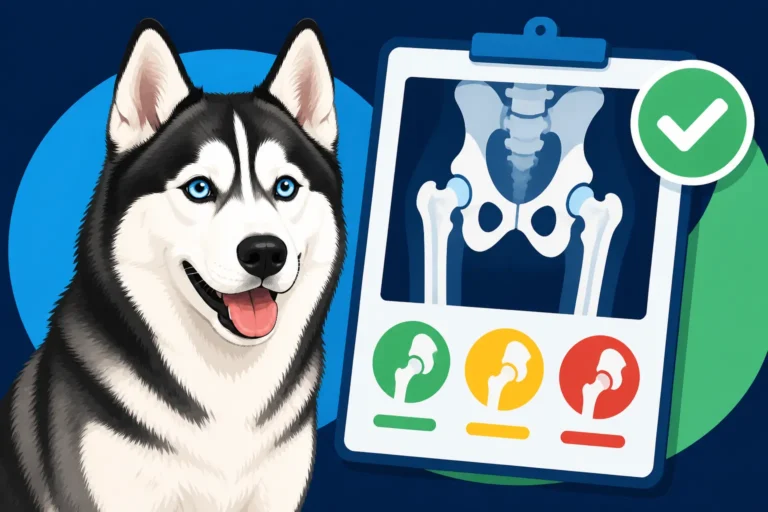
While Siberian Husky Hips and Why the Rate Is Low suggests they are less prone to severe hip dysplasia than some breeds, years of running and jumping still take their toll on cartilage and ligaments. Watch for signs like limping, favoring a limb, difficulty climbing stairs, or a reluctance to engage in their usual active play. Maintaining a healthy weight is crucial, as extra pounds put immense strain on aging joints. Supplements like glucosamine and chondroitin, along with anti-inflammatory medications prescribed by your vet, can often help manage discomfort and improve mobility. Investing in supportive bedding can also make a huge difference in their daily comfort.
Declining Senses: Sight and Hearing
The world can become a little blurrier or quieter for your senior Husky. Their eyesight may begin to decline, often starting with a blueish haze over the lens of their eyes, known as nuclear sclerosis. This is a normal part of aging and doesn't usually cause significant vision impairment, but it can be mistaken for cataracts. More serious eye conditions, however, can also emerge or worsen with age, making regular veterinary eye exams vital. You might notice them bumping into furniture in dim lighting or becoming more cautious in unfamiliar environments.
Similarly, their hearing can gradually diminish. They might not respond as quickly to their name or to commands, especially if they’re not looking directly at you. You might find yourself raising your voice or having to clap your hands to get their attention. This isn't stubbornness; it's a natural age-related change. It's important to be patient and adapt your communication, using more hand signals or ensuring you get their attention before giving a verbal cue. A detailed look into their ocular health is available in Siberian Husky Eye Disease and the Annual Exam.
Weight Management and Muscle Loss
Despite their legendary metabolism, senior Huskies can sometimes struggle with weight. Paradoxically, some may gain weight due to reduced activity, while others might start losing muscle mass, making them appear thinner despite eating the same amount. The metabolic rate slows down with age, meaning they don't burn calories as efficiently. If your Husky is carrying extra weight, it exacerbates joint issues and puts strain on their heart and other organs.
Conversely, sarcopenia, or age-related muscle loss, is also common. You might notice their hindquarters looking less muscular, or their spine becoming more prominent. This muscle loss contributes to weakness, makes movement more difficult, and can increase the risk of injury. A diet tailored for senior dogs, often lower in calories but still rich in protein to maintain muscle mass, becomes important. Regular, gentle exercise is also key to preventing muscle atrophy. Balancing their energy intake with their output requires careful monitoring and often necessitates adjustments to their feeding regimen. For more on this, check out Siberian Husky Weight and Joint Health.
Behavioral and Cognitive Shifts
Beyond the physical, your senior Siberian Husky will likely exhibit changes in their behavior and mental processes. These shifts can range from subtle alterations in their daily routines to more profound changes in their cognitive function. Understanding these transformations is key to providing them with the compassionate support they need as their minds age.
Subtle Personality Changes and Increased Cuddliness
While Huskies are known for their independent streak, you might find your senior dog becoming surprisingly more affectionate. Many owners report that their aging Huskies become more "needy" or "cuddly," seeking out their human companions more frequently for comfort and reassurance. This isn't always a sign of cognitive decline; sometimes it's simply a natural shift in their priorities. They might find greater comfort in proximity to their family as their world becomes a little less certain due to declining senses or subtle discomforts.
However, other personality changes could indicate something deeper. A previously outgoing Husky might become more withdrawn or anxious in new situations. They might be less tolerant of boisterous children or other pets, preferring peace and quiet. It's crucial to differentiate between normal age-related mellowing and signs of discomfort or cognitive dysfunction. If the changes are drastic or sudden, a vet visit is warranted to rule out pain or other medical issues that might be influencing their demeanor.
Alterations in Sleep Patterns and Energy Levels
The boundless energy that defines a young Husky often begins to wane after nine. While they might still enjoy short bursts of play, their overall energy levels will decrease. They'll spend more time sleeping or resting, and their walks might become shorter and slower. This natural reduction in stamina is to be expected, but a complete loss of interest in activity could signal pain, depression, or an underlying medical condition.
Sleep patterns can also shift. Some senior Huskies might sleep more during the day but become restless or disoriented at night. They might pace, whine, or seem confused, a common sign of canine cognitive dysfunction (CCD), often compared to Alzheimer's in humans. Establishing a consistent routine, providing comfortable bedding, and ensuring they have appropriate mental stimulation during their waking hours can help manage these changes. Avoiding overly stimulating activities close to bedtime can also be beneficial.
Cognitive Decline and Senior Moments
Perhaps one of the most challenging aspects of an aging Husky is the potential for cognitive decline. Canine Cognitive Dysfunction (CCD) affects a significant percentage of older dogs, and Huskies are no exception. You might start noticing what you affectionately call "senior moments" – moments of confusion, disorientation, or forgetfulness. Common signs include:
- Disorientation: Staring blankly at walls, getting "stuck" in corners, or appearing confused in familiar surroundings.
- Altered Interactions: Changes in how they interact with family members or other pets, sometimes becoming more irritable or less responsive.
- Sleep-Wake Cycle Disturbances: As mentioned, restlessness at night and increased daytime sleeping.
- House Soiling: Accidents indoors, even in previously house-trained dogs, not due to bladder control issues but rather a "forgetting" of where to go.
- Activity Level Changes: Reduced interest in play, exploration, or greeting family members.
These signs are not just part of "getting old"; they indicate changes in the brain. If you observe these symptoms, discussing them with your veterinarian is essential. There are medications and dietary supplements that can help manage CCD symptoms and improve your Husky's quality of life. Maintaining a consistent routine and providing gentle mental stimulation through puzzle toys or familiar, low-stress training can also be beneficial.
Common Health Concerns Emerging After Nine
As your Siberian Husky enters their golden years, their susceptibility to various health issues naturally increases. While they are a robust breed, aging brings with it a higher risk of specific conditions that require attentive monitoring and proactive veterinary care. Understanding these common health concerns can help you catch them early and ensure your Husky receives timely treatment.
Increased Risk of Organ System Issues
The internal workings of your Husky’s body, much like ours, become less efficient with age. You might start seeing an increased risk for conditions affecting major organ systems. Kidney disease, for instance, often manifests as increased thirst and urination, and can be detected with routine blood and urine tests. Liver function can also decline, which might be indicated by changes in appetite, vomiting, or jaundice. Heart conditions, such as congestive heart failure, can develop, leading to symptoms like coughing, fatigue, and difficulty breathing.
Endocrine disorders are another area of concern. While Siberian Husky Thyroid and Autoimmune Disease is a known issue, hypothyroidism can become more prevalent in senior years, leading to lethargy, weight gain, and coat changes. Diabetes is also possible, especially in Huskies who are overweight, causing excessive thirst, urination, and weight loss despite a good appetite. Regular senior blood panels are crucial for screening these conditions, allowing for early detection and management, which can significantly extend and improve your Husky's quality of life.
Dental Health and Its Systemic Impact
Dental disease is surprisingly common and often underestimated in its impact on a senior dog's overall health. By age nine, many Huskies will have accumulated significant plaque and tartar, leading to gingivitis and periodontal disease. This isn't just about bad breath; severe dental disease can cause pain, making it difficult for your Husky to eat, and can lead to tooth loss. More critically, the bacteria from infected gums can enter the bloodstream and spread to vital organs like the heart, kidneys, and liver, exacerbating existing conditions or causing new ones.
Regular professional dental cleanings under anesthesia are often recommended for senior Huskies, but the decision must be made in consultation with your vet, considering any other health issues and the Anesthesia Risk in a Senior Siberian Husky. Daily tooth brushing, if your Husky tolerates it, and dental chews or water additives can help slow the progression of plaque buildup between cleanings. Don't underestimate the power of good oral hygiene in contributing to your senior Husky’s comfort and long-term health. For more on costs, you might find our guide on Dental Cleaning Costs for a Siberian Husky insightful.
Cancer Incidence and Early Detection
Sadly, cancer is a leading cause of death in older dogs, and Siberian Huskies are no exception. The risk of various types of cancer increases significantly as they age. Lumps and bumps, which were once considered benign, might now be more concerning. Common cancers seen in senior Huskies can include lymphoma, osteosarcoma (bone cancer), mammary tumors (in unspayed females), and soft tissue sarcomas.
Early detection is paramount for successful treatment. As your Husky ages, it’s vital to be vigilant for any new growths, persistent lameness, unexplained weight loss, changes in appetite, lethargy, or any other unusual symptoms. Regular veterinary check-ups, which include a thorough physical examination, are crucial. Your vet might recommend baseline X-rays or ultrasounds during senior wellness exams to screen for internal tumors. If you find a new lump or have concerns, don't hesitate to seek veterinary advice promptly. The sooner a diagnosis is made, the better the prognosis often is. Understanding Cancer Types Seen in Siberian Huskies can help you know what to watch for.
Managing Chronic Pain and Discomfort
Chronic pain can be a silent companion for many senior Huskies, often stemming from arthritis, old injuries, or even dental disease. It’s not always obvious, as dogs are masters at hiding discomfort. They might express pain subtly through reluctance to play, changes in posture, altered gait, or even slight shifts in temperament, such as irritability. The stoicism of a Husky can make these signs easy to miss.
Effective pain management is crucial for maintaining your senior Husky’s quality of life. This can involve a multi-modal approach, including prescription non-steroidal anti-inflammatory drugs (NSAIDs), joint supplements, physical therapy, acupuncture, or even therapeutic laser treatments. Discussing your observations with your vet is the first step. They can assess your Husky for signs of pain and recommend an appropriate plan. Creating a comfortable home environment, with soft bedding and ramps for accessing favorite spots, also plays a significant role in their comfort. We have a detailed resource on Pain Management for an Arthritic Siberian Husky that offers more insights.
Adjusting Care for Your Aging Husky
As your Siberian Husky transitions into their senior years, the way you care for them will naturally need to evolve. It’s not about doing less, but about adjusting your approach to meet their changing needs, focusing on comfort, health, and maintaining their quality of life. These adjustments are a testament to your love and commitment to your furry family member.
Tailoring Diet and Exercise Routines
One of the most immediate and impactful changes you can make for your senior Husky is adjusting their diet. As their metabolism slows and activity levels decrease, their caloric needs will likely drop. Continuing to feed them a younger dog's portion can quickly lead to weight gain, which puts undue stress on aging joints and organs. Look for senior-specific dog foods, which are often formulated with fewer calories, appropriate protein levels to maintain muscle mass, and added joint-supporting nutrients like glucosamine and chondroitin. You might also find your older Husky benefits from smaller, more frequent meals, or a diet that is easier to digest. Some may even become picky eaters, in which case discussing options like Senior Food for a Siberian Husky Past Ten with your vet is a good idea. For those Huskies who become very thin, you might need to adjust for An Old Siberian Husky That Eats Even Less.
Exercise routines also need tailoring. While your Husky still needs activity, the intensity and duration should be modified. Instead of long, strenuous runs, opt for shorter, more frequent, gentle walks. Swimming can be an excellent low-impact exercise for joint health, if your Husky enjoys it. The key is to keep them moving to maintain muscle tone and mobility, but without overexertion or risking injury. Pay close attention to their cues: if they slow down, lag behind, or seem stiff afterward, you’ve likely pushed them too hard. Flexibility and consistency, rather than intensity, are the new goals.
Importance of Regular and Specialized Vet Checks
Routine veterinary visits become even more critical once your Siberian Husky reaches nine years old. While annual check-ups are standard for adult dogs, your senior Husky will benefit from semi-annual (every six months) wellness exams. This increased frequency allows your vet to catch subtle changes and potential health issues much earlier, when they are often more manageable. These senior exams typically include comprehensive blood work (full chemistry panel, complete blood count), urinalysis, and potentially blood pressure checks or thyroid screenings. Early detection of conditions like kidney disease, liver issues, or Siberian Husky Thyroid and Autoimmune Disease can lead to treatments that significantly improve their prognosis and quality of life.
Beyond general veterinary care, your aging Husky might benefit from specialized consultations. An appointment with a veterinary ophthalmologist, for example, can monitor for age-related eye conditions like cataracts or glaucoma. If joint pain is a significant issue, a consultation with a veterinary orthopedic specialist or a certified canine rehabilitation therapist can provide advanced diagnostics and tailored treatment plans, including physical therapy. Investing in pet insurance like Healthy Paws, particularly before age-related conditions manifest as pre-existing, can help offset the costs of these more frequent and specialized veterinary visits, giving you peace of mind as your Husky ages.
Creating a Comfortable and Safe Senior Environment
Your home environment should adapt to your senior Husky’s changing capabilities to ensure their comfort and safety. Think about their mobility: if they're struggling with stairs, consider blocking off access or using a ramp if they can be trained to use it. Place non-slip rugs on slick floors to prevent falls and provide better traction, especially for Huskies with reduced muscle strength or arthritis. Easy access to food and water bowls, perhaps raised if they struggle to bend down, is also beneficial.
Comfortable, orthopedic bedding is a must. Pressure points can become very painful for older dogs, and a supportive, memory foam bed can provide immense relief for aching joints. Ensure their resting areas are quiet and easily accessible, away from high-traffic household areas where they might be startled or feel overwhelmed. As their senses decline, maintaining a consistent environment can reduce anxiety and disorientation. Minimizing changes to furniture arrangement and keeping routines predictable can help your senior Husky navigate their world more confidently. Simple adjustments can make a world of difference in keeping your older Husky happy and secure. If you're planning for their continued health into advanced age, reading Caring for a Siberian Husky Past Ten will offer even more comprehensive advice.
Disclaimer
This guide provides general information about common changes and health concerns in Siberian Huskies aged nine and older. It is not a substitute for professional veterinary advice. Always consult with your veterinarian regarding any specific health issues, diagnoses, or treatment plans for your individual dog. The information herein is for educational purposes only.