Whether Siberian Huskies Live Longer Than Malamutes
When you're welcoming a magnificent dog like a Siberian Husky or an Alaskan Malamute into your life, one of the first thoughts that crosses your mind, after the initial excitement, is how many wonderful years you'll get to spend together. It's a heartbreaking reality that our dogs can't stay forever, and the difference in expected lifespans between breeds can be a significant factor for families choosing a new companion. This guide aims to shed light on the average longevity of both the Siberian Husky and the Alaskan Malamute, exploring the distinct health profiles and lifestyle influences that contribute to their unique lifespans, so you can be prepared to offer the best possible care for a long and happy life.
Siberian Husky Lifespan and Its Defining Traits
Siberian Huskies are truly remarkable dogs, known for their striking appearance, incredible athleticism, and mischievous personalities. If you're lucky enough to share your home with one, you know the boundless energy and playful spirit they bring. When considering their lifespan, many owners are pleasantly surprised to learn that Huskies tend to live a good, long life for a medium-sized breed.
The Typical Husky Lifespan Range
Generally speaking, a well-cared-for Siberian Husky can be expected to live anywhere from 12 to 14 years, and it’s not uncommon to hear stories of Huskies pushing even further, into their mid-teens. This places them favorably among many other breeds of similar size, which is often a comfort to prospective owners. This robust average lifespan is often attributed to their origins as working dogs bred for endurance and resilience in harsh environments, which fostered a strong genetic foundation. Many people wonder The Average Siberian Husky Lifespan and how it stacks up against other breeds. We often find that Why Siberian Huskies Outlive Most Medium Breeds comes down to a combination of their efficient metabolism and their generally low incidence of certain major genetic diseases compared to some other popular breeds.
It’s important to remember that this is an average, and individual dogs will vary based on a myriad of factors, from their genetic lineage to the quality of care they receive throughout their lives. A Husky living in an environment where they can exercise regularly, receive proper nutrition, and benefit from consistent veterinary attention is more likely to reach the upper end of this spectrum. Conversely, neglect or unforeseen health crises can, unfortunately, shorten even the most robust dog's time with us.
Common Health Challenges in Huskies
While Siberian Huskies are generally considered a healthy breed, they are not entirely immune to health issues. Understanding these common challenges can help you be proactive in your dog's care and potentially extend their time with you. Eye health is a particular area of concern for the breed; Huskies can be prone to several hereditary eye conditions. Regular checks are crucial, and many breeders will have their dogs' eyes certified annually. You can learn more about this by researching Siberian Husky Eye Disease and the Annual Exam. Conditions like juvenile cataracts and progressive retinal atrophy (PRA) can impact their vision, sometimes leading to blindness, though many live full lives even with these conditions if managed appropriately.
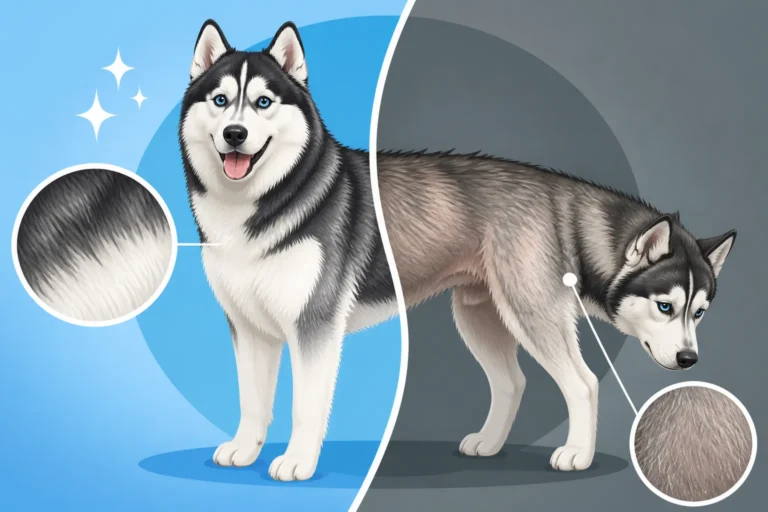
Another important consideration is a lesser-known condition called zinc-responsive dermatosis. Huskies can have an impaired ability to absorb zinc from their diet, leading to skin issues, crusting around the eyes and mouth, and dull coats. This often requires lifelong zinc supplementation, which, once diagnosed, is usually very manageable. While not typically life-threatening, it can significantly impact their quality of life if left untreated. Autoimmune thyroid disease, or hypothyroidism, is another condition that can affect Siberian Huskies, leading to lethargy, weight gain, and coat changes. Early diagnosis and medication can help manage this effectively, so it’s wise to understand Siberian Husky Thyroid and Autoimmune Disease. Thankfully, compared to some other large breeds, the rate of Siberian Husky Hips and Why the Rate Is Low is quite low, which is a big plus for their long-term mobility and comfort.
How Genetics and Care Influence Husky Years
The genetic lottery plays a significant role in any dog's potential lifespan. Responsible breeders are diligent about health testing their breeding stock to minimize the passing on of hereditary conditions. When looking for a puppy, asking about the health clearances of the parents, especially for eyes and thyroid, is absolutely essential. This proactive approach significantly reduces the risk of your puppy developing preventable genetic diseases later in life. Knowing Health Testing Before You Buy a Siberian Husky is non-negotiable for a responsible purchase.
Beyond genetics, the daily care you provide makes a monumental difference. A balanced diet appropriate for their activity level is critical. Remember, Huskies have an incredibly efficient metabolism, so it’s easy to overfeed them, which can lead to obesity and associated health problems. Many owners are surprised to learn that they might be Feeding a Siberian Husky on 60 Percent of the Label compared to what the bag recommends. Regular, appropriate exercise is non-negotiable for a Husky's physical and mental well-being; a bored or under-exercised Husky is a stressed Husky, which can manifest in destructive behaviors or even contribute to health issues. Consistent veterinary check-ups allow for early detection and treatment of potential problems, giving your Husky the best chance at a full and vibrant life. Investing in pet insurance, like a policy from Healthy Paws, can also provide peace of mind, knowing that unexpected veterinary costs won't deter you from getting your Husky the best care if issues arise.
Alaskan Malamute Longevity and Associated Health Profiles
The Alaskan Malamute, a magnificent dog of imposing stature and gentle disposition, shares a common heritage with the Siberian Husky, both hailing from the Arctic regions. However, despite their shared working dog lineage, there are distinct differences in their physical characteristics, temperament, and, crucially, their average lifespans.
What to Expect from a Malamute's Lifespan
Alaskan Malamutes, being larger and heavier dogs, generally have a slightly shorter lifespan compared to their Husky cousins. You can typically expect an Alaskan Malamute to live between 10 to 12 years. While this is still a respectable lifespan for a giant breed, it's often a factor potential owners consider when choosing between the two. The general rule of thumb in the canine world is that larger breeds tend to have shorter lifespans than smaller ones, and the Malamute fits into this pattern.
The sheer size and robust build of a Malamute mean that their bodies experience different kinds of wear and tear over their lives. Their joints, in particular, bear a heavier load, which can predispose them to certain orthopedic issues earlier than smaller dogs. Despite their slightly shorter average, a Malamute with excellent genetics, a healthy lifestyle, and devoted care can certainly live to the ripe old age of 12 or even beyond. It's all about providing them with the best possible foundation and consistent support throughout their years.
Malamute-Specific Health Concerns
Just like Huskies, Malamutes have their own set of health considerations that prospective and current owners should be aware of. Hip and elbow dysplasia are unfortunately more common in Malamutes due to their large size and rapid growth rate. These are painful, degenerative joint conditions that can significantly impact their mobility and quality of life. Reputable breeders will always screen their breeding stock for these conditions using X-rays certified by organizations like the Orthopedic Foundation for Animals (OFA).
Another concern for Malamutes is hypothyroidism, similar to Huskies, which can lead to weight gain, lethargy, and coat problems. Polyneuropathy is a neurological condition that can affect Malamutes, causing weakness, incoordination, and difficulty breathing. It’s a serious condition that can be hereditary, making responsible breeding and genetic testing all the more critical. Bloat, or Gastric Dilatation-Volvulus (GDV), is a life-threatening emergency more common in deep-chested breeds, including Malamutes. Owners should be vigilant about its symptoms and understand the immediate need for veterinary intervention. Being aware of these breed-specific health issues is the first step in proactive care, allowing you to seek early diagnosis and treatment, potentially extending your Malamute's healthy years.
The Impact of Size on Malamute Longevity
The correlation between a dog's size and its lifespan is a widely observed phenomenon across many breeds. Larger dogs, like the Alaskan Malamute, tend to age faster and succumb to age-related diseases earlier than their smaller counterparts. This is believed to be due to several factors. For one, larger dogs simply have more cells, which means a higher chance of cell mutations leading to cancer. Their rapid growth rate as puppies can also put a strain on their skeletal and organ systems, potentially contributing to conditions like hip and elbow dysplasia, as mentioned earlier.
The larger body mass also means a greater workload for their hearts and other vital organs over time. While Malamutes are incredibly powerful and durable, this continuous strain can lead to a quicker onset of age-related organ decline. This isn't to say that big dogs are inherently "unhealthy," but rather that their physiology is simply different, and those differences often translate to a slightly compressed lifespan compared to smaller, lighter breeds. When you consider Which Is Bigger, a Siberian Husky or a Malamute, it becomes clear how these size differences can play a role in their overall longevity.
Deeper Dive: Why Huskies Often Outlive Malamutes
It's a common observation among dog enthusiasts and veterinarians that, on average, Siberian Huskies tend to live a couple of years longer than Alaskan Malamutes. This isn't a hard and fast rule, of course, but a general trend. Unpacking the reasons behind this difference helps us understand the unique biology and predispositions of each breed.
Size, Metabolism, and Longevity: The Core Difference
The primary factor contributing to the Husky's longer average lifespan is often attributed to their more moderate size. As discussed, smaller dogs generally live longer than larger dogs. Siberian Huskies, while robust, are significantly smaller and lighter than Alaskan Malamutes. A typical male Husky might weigh 45-60 pounds, while a male Malamute can easily tip the scales at 75-85 pounds, sometimes more. This difference in mass means less stress on their joints, less strain on their cardiovascular system, and potentially slower cellular aging.
Furthermore, both breeds are known for their incredibly efficient metabolisms, a trait honed by generations of working in frigid Arctic conditions on minimal rations. However, even with similar metabolic efficiency, the sheer volume of tissue and the growth rate in Malamutes might contribute to a faster biological clock. Their rapid puppy growth, in particular, can be quite taxing on their developing bodies, potentially laying the groundwork for issues down the line. It's a fascinating biological trade-off: immense power and size for a slightly shorter overall lifespan.
Predispositions: Unpacking Breed-Specific Health Trends
While both breeds are generally healthy, the types of health issues they are predisposed to can also influence their average longevity. Siberian Huskies, as noted, have a relatively low incidence of severe orthopedic issues like hip and elbow dysplasia, which can be debilitating and painful for larger breeds and sometimes necessitate difficult decisions about quality of life. Their primary concerns, like hereditary eye conditions or zinc deficiency, are often manageable and, while impactful, are less frequently life-shortening.
Alaskan Malamutes, conversely, face a higher risk of these large-breed orthopedic problems, which can significantly reduce their quality of life in their later years. They also have a higher predisposition to certain cancers and bloat, which can be acute and fatal. These more severe and sometimes harder-to-manage conditions, unfortunately, contribute to their slightly lower average lifespan. Understanding these predispositions is key for owners to partner with their vets on a comprehensive preventive care plan. This is where having comprehensive pet insurance, like Healthy Paws, can be a real lifeline, ensuring you're financially ready to tackle any significant health challenges your Malamute might face.
Environmental and Lifestyle Factors
Beyond inherent breed differences, how these dogs are raised and live their lives also plays a crucial role. Both breeds need ample exercise and mental stimulation to thrive. A Siberian Husky, though smaller, is a high-energy dog that requires consistent outlets for their drive to run. A sedentary Husky can become destructive, stressed, and unhealthy. Similarly, a Malamute needs regular activity to maintain their muscle mass and joint health, but their exercise needs might differ in intensity and duration compared to a Husky.
Overweight or obese dogs, regardless of breed, will always have a shorter lifespan and more health problems. Given the efficient metabolisms of both breeds, maintaining an ideal weight through careful portion control and consistent activity is paramount. Regular veterinary care, including vaccinations, parasite prevention, and routine check-ups, forms the bedrock of a long and healthy life for both. For any dog, the cumulative effect of good daily habits, attentive care, and a loving environment creates the best possible foundation for reaching their maximum potential lifespan. It’s not just about genetics; it’s about dedicated, informed ownership, every single day.
Strategies for Maximizing a Healthy, Full Life for Both Breeds
Whether you choose a spirited Siberian Husky or a majestic Alaskan Malamute, your commitment to their well-being is the single most important factor in how many healthy, joyful years you'll share. While breed averages give us a guideline, proactive care and informed decisions can significantly impact an individual dog's longevity.
Tailored Nutrition and Thoughtful Exercise
For both breeds, proper nutrition is non-negotiable. Given their efficient metabolisms, it's vital to feed a high-quality, balanced diet that supports their energy needs without leading to obesity. Many owners find themselves accidentally overfeeding, leading to excess weight that strains joints and organs. Always consult your vet or a canine nutritionist to determine the appropriate caloric intake for your individual dog, considering their age, activity level, and body condition. For Huskies, remember their unique zinc absorption issues, and for Malamutes, focus on joint-supporting ingredients. Monitoring your dog's weight and checking their ribs under their thick coat can help you gauge if they are at a healthy body condition. Understanding Siberian Husky Weight and Joint Health is key for preventing long-term problems.
Exercise is equally critical, though the type and intensity will vary. Huskies thrive on opportunities to run and explore, often excelling in activities like canicross, bikejoring, or long hikes. They need mental stimulation just as much as physical exertion, so puzzle toys and training sessions are beneficial. Malamutes, while powerful, often prefer steady, strong pulling activities and long walks rather than high-speed bursts. Their large size means that intense, high-impact exercise, especially in youth, should be carefully monitored to protect developing joints. Always ensure both breeds have access to plenty of fresh water, especially during and after exercise.
Proactive Veterinary Care and Responsible Breeding
Regular veterinary check-ups are your best tool for early detection and prevention of health issues. Annual exams allow your vet to catch potential problems before they become serious, whether it's an emerging eye condition in a Husky or the first signs of joint discomfort in a Malamute. Beyond routine exams, specialized health screenings recommended for each breed, such as annual eye exams for Huskies or hip/elbow X-rays for Malamutes, are essential. If you’re considering Caring for a Siberian Husky Past Ten, then consistent vet care throughout their younger years is especially important.
Choosing a puppy from a responsible breeder who performs health testing on their breeding stock is paramount. A reputable breeder will be transparent about the health history of their lines and provide certifications for genetic conditions relevant to the breed. They invest in these tests to produce the healthiest puppies possible, and that dedication significantly increases your chances of bringing home a dog with a strong genetic foundation for a long life. For unforeseen illnesses or accidents, having pet insurance is a smart investment. Companies like Healthy Paws offer various plans that can cover a significant portion of unexpected vet bills, allowing you to prioritize your dog's health without financial stress.
| Feature | Siberian Husky (Average) | Alaskan Malamute (Average) | Key Differentiating Factors |
|---|---|---|---|
| Lifespan | 12-14 years | 10-12 years | Smaller size, lower incidence of severe joint issues. |
| Adult Weight | 35-60 lbs | 75-85+ lbs | Larger size contributes to faster aging. |
| Common Health Issues | Eye diseases (e.g., cataracts, PRA), zinc-responsive dermatosis, hypothyroidism. | Hip/elbow dysplasia, hypothyroidism, bloat, certain cancers, polyneuropathy. | Huskies: manageability of key issues. Malamutes: severity & impact of joint/digestive issues. |
| Metabolism | Highly efficient | Highly efficient | Both are efficient; Malamute's larger mass may lead to faster cellular wear. |
| Exercise Type | Endurance running, agility, mental stimulation. | Strength pulling, sustained walks, robust activities. | Different demands on body, impacts joint health over time. |
Understanding and Addressing Breed-Specific Needs
Finally, truly understanding the temperament and needs of your chosen breed is vital. Both breeds possess an independent spirit and high energy. They are not dogs that can be left alone for long periods without consequences, whether it's a Husky digging a crater in your yard or a Malamute meticulously redecorating your furniture. Providing a stimulating environment, consistent training, and ample companionship contributes not only to their happiness but also to their physical health by reducing stress and destructive behaviors. This involves understanding how Siberian Husky Against the Alaskan Malamute differs in general care.
For example, Huskies have a notorious escape artist reputation. A secure yard with a The Six-Foot Fence a Siberian Husky Needs is often a bare minimum, and even then, some find a way out. Lost dogs face significantly higher risks of injury or death, directly impacting longevity. Malamutes, while less prone to escaping, need secure containment due to their size and potential prey drive. Both breeds thrive on strong bonds with their human families and benefit immensely from being active participants in family life. By meeting their physical, mental, and emotional needs with care and dedication, you give your Siberian Husky or Alaskan Malamute the very best chance at a long, fulfilling, and healthy life by your side.
Disclaimer
The information provided in this article is for educational purposes only and is not intended to be a substitute for professional veterinary advice. Always consult with a qualified veterinarian for any health concerns or before making any decisions about your pet's care.