What an Ophthalmologist Checks in a Siberian Husky
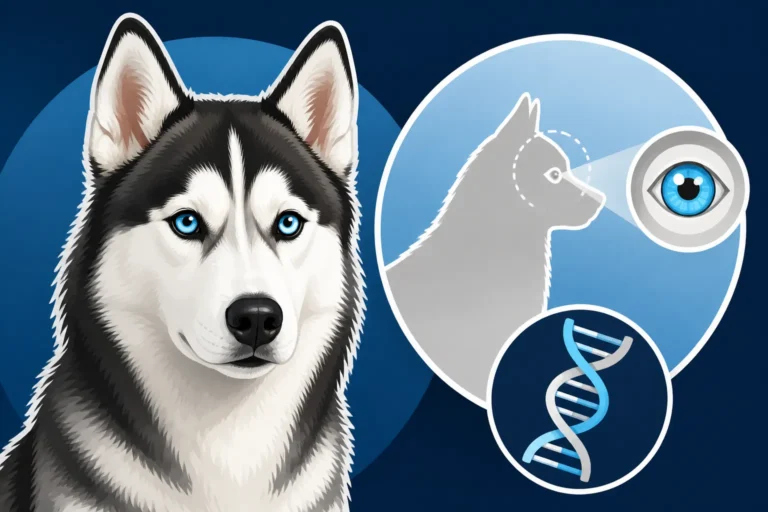
It's an unfortunate truth that our beloved Siberian Huskies, with their striking ice-blue or soulful brown eyes, are also prone to a range of inherited eye conditions. As a Husky parent, you might find yourself constantly peering into those captivating peepers, wondering if that slight cloudiness or a change in behavior is just a trick of the light, or something more serious. This guide is here to demystify what a veterinary ophthalmologist truly checks for during an eye exam, ensuring you're prepared and informed about your Husky's ocular health.
Why Regular Ophthalmic Exams Are Non-Negotiable for Huskies
Let's be honest, getting your Husky to the vet for their regular check-ups is already a feat of strength and will, let alone adding a specialist visit to the calendar. But when it comes to their eyes, skipping these specialized appointments can have serious consequences. Huskies, more than many other breeds, carry a genetic predisposition for certain eye diseases that a general veterinarian might not catch in their routine wellness exams, simply because they don't have the specialized equipment or training. It's not that your regular vet isn't good; it's that an ophthalmologist is trained to spot the incredibly subtle changes that can be precursors to significant problems.
The Siberian Husky's Unique Genetic Predisposition
The Siberian Husky breed carries specific genetic markers that make them more susceptible to certain eye conditions. It’s not just bad luck; it’s part of their heritage. Without regular checks by a specialist, these conditions can progress silently until they're advanced and potentially irreversible. Owners often wonder, "My dog seems fine, do I really need a specialist?" The answer, especially for a Husky, is a resounding yes. Many of the issues that affect their eyes, like certain forms of cataracts or retinal atrophy, don't show obvious symptoms until they're already quite progressed.
A general practitioner vet is amazing for overall health, vaccinations, and treating common illnesses, but an ophthalmologist has advanced diagnostic tools and expertise specifically for the eyes. They are looking for things like early signs of juvenile cataracts, or subtle changes in the retina that indicate a genetic predisposition to vision loss. If you’re considering pet insurance, like a plan from Healthy Paws, it’s worth noting that timely diagnosis through regular exams can be crucial. While Healthy Paws aims to cover unexpected illnesses and accidents, pre-existing conditions – those diagnosed before or during your waiting period – are typically not covered. This means if an eye condition is discovered during a routine ophthalmologist visit before signs become obvious, it might be seen as an illness that could be covered, whereas if you wait until your Husky is already struggling to see, it could be deemed a pre-existing condition. Regular exams help establish a baseline and can flag issues early. Understanding what exactly is checked in a Siberian Husky Eye Disease and the Annual Exam is vital for proactive care.
Understanding the Annual Exam Protocol
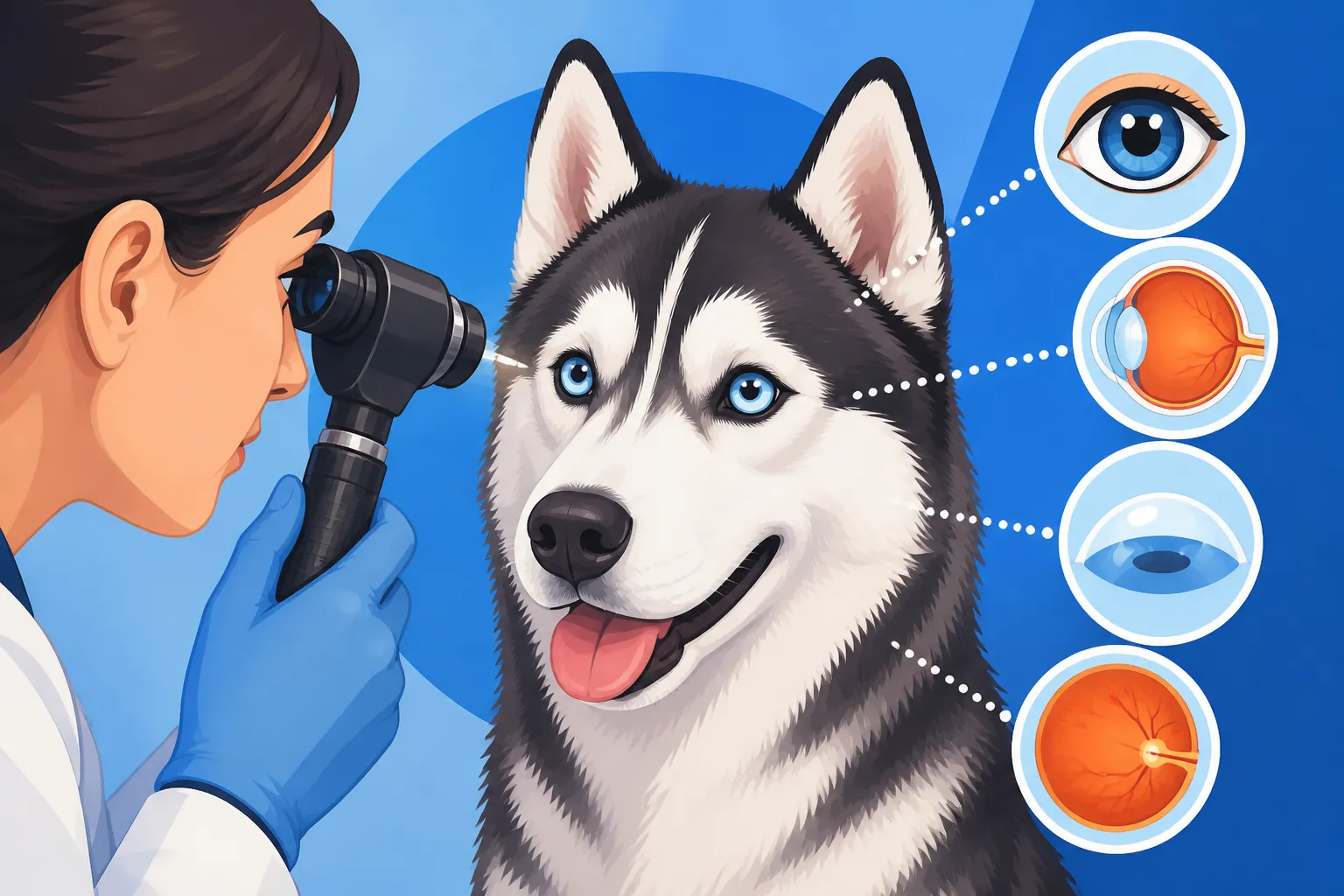
So, what actually happens during an ophthalmologist visit? It's more thorough than you might expect. The process usually starts with a comprehensive medical history review and a preliminary assessment of your Husky’s vision and general eye health. Then comes the more specialized part, which often includes:
- Pupil Dilation: Just like when you go for an eye exam, your Husky's pupils will need to be dilated. This allows the ophthalmologist to get a much wider and clearer view of the internal structures of the eye, particularly the lens and the retina. This usually involves eye drops that take about 20-30 minutes to work.
- Slit Lamp Biomicroscopy: This high-magnification microscope is probably the most impressive piece of equipment they use. It allows the specialist to examine the cornea, iris, and lens in incredible detail, layer by layer, looking for tiny abnormalities that are invisible to the naked eye. They can spot things like early signs of corneal dystrophy or the initial formation of cataracts.
- Indirect Ophthalmoscopy: This technique involves shining a bright light into the eye and using a special lens to get a broad view of the retina at the back of the eye. This is crucial for detecting conditions like Progressive Retinal Atrophy (PRA) or other retinal detachments or degenerations.
- Tonometry: This measures the intraocular pressure (IOP) within the eye. High pressure can indicate glaucoma, a painful and rapidly blinding condition. There are different types of tonometers, but they all involve a gentle touch or puff of air to the eye to get a reading.
- Goniometry: In some cases, if glaucoma is suspected or as part of a routine check for predisposition, the ophthalmologist might use a special lens to examine the drainage angle of the eye. This helps assess how well fluid is draining from the eye, which directly impacts intraocular pressure.
This detailed examination is precisely Why a Siberian Husky Needs an Eye Exam Every Year. It’s about catching problems when they’re small, manageable, and sometimes even preventable from progressing further.
Key Conditions an Ophthalmologist Screens For
The specialized nature of a Siberian Husky's eyes means they are predisposed to specific issues. An ophthalmologist is acutely aware of these breed-specific tendencies and tailors their examination to meticulously screen for them. Knowing what these conditions are can help you understand the importance of each step of the exam. Here are some of the main culprits they are on the lookout for.
Cataracts: More Than Just a Cloudy Lens
When most people think of cataracts, they picture an elderly dog with cloudy eyes, struggling to see. While age-related cataracts do occur in Huskies, they are also unfortunately known for Juvenile Cataracts in the Siberian Husky. This means a cloudy lens can appear much, much earlier in life, sometimes even before their first birthday. It’s incredibly frustrating for owners to see a young, otherwise vibrant dog start to lose their vision.
An ophthalmologist uses the slit lamp to carefully examine the lens of the eye. They're looking for any opacities, no matter how small, that disrupt the passage of light. They'll also use a technique called retroillumination, which essentially bounces light off the retina and back through the lens, making even tiny cataract formations much more visible. They can classify the type of cataract (e.g., punctate, diffuse, anterior, posterior) and assess its progression. For a young Husky, catching a juvenile cataract early is essential for potential treatment planning, even if it's not immediately vision-impairing. Sometimes, the cloudiness is subtle and easy to miss by a non-specialist, especially since The Age Siberian Husky Cataracts Show Up can vary so widely.
Progressive Retinal Atrophy PRA: The Sneaky Thief of Sight
This is one of the most heartbreaking conditions because it's progressive and often leads to blindness. Progressive Retinal Atrophy (PRA) refers to a group of genetic diseases that cause the degeneration of the photoreceptor cells (rods and cones) in the retina. For Siberian Huskies, one of the most common forms is X-linked Progressive Retinal Atrophy (XLPRA1 and XLPRA2), where males are primarily affected or more severely affected, and females can be carriers. It’s a sneaky thief because the earliest sign is often night blindness, which owners might dismiss as their Husky just being clumsy in the dark. You might notice your Husky hesitating to go down stairs in dim rooms or bumping into furniture they usually navigate with ease.
The ophthalmologist will perform an indirect ophthalmoscopy to thoroughly examine the retina. They're looking for subtle changes in the appearance of the retinal blood vessels or pigmentation, which can indicate early PRA. For definitive diagnosis, especially in breeding dogs, genetic testing is often recommended to identify the specific mutation responsible for Progressive Retinal Atrophy in Siberian Huskies. This genetic test, like The DNA Test for Siberian Husky PRA, can tell you if your Husky is clear, a carrier, or affected, even before clinical signs appear. This early knowledge is crucial for managing the dog's life and for responsible breeding practices.
Corneal Dystrophy: Those Peculiar Rings
You might have noticed a whitish, hazy, or somewhat crystalline ring or oval shape on your Husky’s cornea. This is often Corneal Dystrophy. Owners frequently bring their Huskies to the vet, concerned about this strange eye change, only to be told, "It's usually nothing to worry about." While this is often true – it's typically non-painful and rarely affects vision – it's still something an ophthalmologist will carefully evaluate.
Corneal dystrophy in Siberian Huskies is usually a lipid (fat) deposit in the cornea. It's often inherited, though the exact genetic mechanism can be complex. An ophthalmologist will use the slit lamp to examine the depth and nature of these deposits. They differentiate it from other, more serious corneal issues like ulcers or inflammation. They'll assess if the deposits are superficial (most common) or deeper, and if they're causing any irritation or interfering with vision. While treatment is rarely needed, consistent monitoring is still part of good ocular care. You can learn more about Corneal Dystrophy Rings in a Siberian Husky Eye to better understand what to look for.
Glaucoma: An Ocular Emergency
Unlike some of the other conditions, glaucoma is an emergency. It's characterized by dangerously elevated pressure within the eye, which rapidly damages the optic nerve and leads to irreversible blindness and intense pain. While not as common in Huskies as some other breeds, they can still be affected, and knowing the signs and seeking immediate veterinary attention is paramount. It’s a terrifying experience to see your Husky in pain with A Red Painful Eye in a Siberian Husky and know it could be glaucoma.
An ophthalmologist uses tonometry to measure the intraocular pressure. They are looking for readings that are significantly higher than normal. Signs you might notice at home include a sudden onset of redness in the eye, squinting, excessive tearing, a dilated pupil, or a cloudy appearance to the cornea (corneal edema). If you ever suspect glaucoma, it’s not a "wait and see" situation; it's a "drop everything and get to the emergency vet" situation. Early intervention can sometimes save vision in the affected eye, but the window of opportunity is very small. This is why Glaucoma as a Siberian Husky Emergency cannot be stressed enough.
The Three Eye Diseases a Siberian Husky Faces
While we've covered several, it's generally accepted that the primary hereditary eye diseases of concern in Siberian Huskies are:
- Cataracts (especially Juvenile Cataracts)
- Progressive Retinal Atrophy (PRA)
- Corneal Dystrophy
These three conditions form the core of what an ophthalmologist is specifically screening for in your Siberian Husky. While other eye issues can occur, these are the most prevalent breed-specific inherited conditions that necessitate regular, specialized check-ups.
Interpreting Results and Long-Term Management
After what might feel like a whirlwind of tests and examinations, your ophthalmologist will sit down with you to discuss their findings. This is where all that detailed scrutiny comes into play, and you'll get a clear picture of your Husky's eye health and any next steps. It can be a lot to take in, but understanding the information is key to providing the best care for your furry family member.
Understanding Your Husky's OFA Eye Certificate
One of the most valuable outputs of a routine ophthalmology exam, especially for breeding dogs or those whose owners want complete health records, is the OFA Eye Certificate. The Orthopedic Foundation for Animals (OFA) maintains a public database of health clearances. When your Siberian Husky has an eye exam performed by a board-certified veterinary ophthalmologist (like the one you're seeing), the results can be submitted to the OFA Eye Certification Registry.
The certificate will clearly state whether your dog is "clear," "affected," or "breeder option" for specific eye diseases known to the breed. It's a snapshot of their ocular health at the time of the exam. For example, it might list "Clear of inherited eye disease," or "Affected with Cataract." This certification is crucial for responsible breeders to ensure they are not passing on genetic eye conditions. For pet owners, it provides peace of mind or a clear roadmap for managing any diagnosed conditions. Learning to accurately read a Reading a Siberian Husky OFA Eye Certificate is a valuable skill for any Husky owner, particularly if you’re trying to assess a puppy’s parents or just want to understand your own dog’s health record. These eye certifications are often a requirement for a dog to achieve What Siberian Husky CHIC Certification Requires, which signifies a comprehensive health screening.
Treatment and Management Options
If an eye condition is diagnosed, the ophthalmologist will discuss the available treatment and management options. This can vary widely depending on the condition:
- Cataracts: For significant cataracts that impair vision, surgical removal and lens replacement can be an option. This is a specialized procedure, but the success rates are generally good.
- Progressive Retinal Atrophy (PRA): Unfortunately, there is no cure for PRA, and treatment focuses on supportive care and making accommodations for a blind or visually impaired dog. This might include maintaining a consistent home environment, using scent cues, and ensuring safety in and out of the house.
- Corneal Dystrophy: As mentioned, this often requires no treatment. In rare cases where it causes irritation, topical medications might be considered.
- Glaucoma: Treatment for glaucoma is urgent and aimed at reducing intraocular pressure. This can involve eye drops, oral medications, or even surgery in severe cases to prevent further vision loss and manage pain.
The cost of these treatments can be substantial, which is where having pet insurance like Healthy Paws can be a huge benefit. They can help with eligible vet bills for accidents and illnesses, covering things like diagnostic tests, specialist consultations, medications, and even surgeries related to eye conditions that aren't pre-existing. This support can make the difference in deciding on the best course of action without financial stress being the primary factor.
The Role of a Specialist in Your Husky's Lifespan
Ultimately, consistent care from a veterinary ophthalmologist plays a critical role in your Siberian Husky's overall health and quality of life. By catching and managing eye conditions early, you can often preserve their vision for longer, minimize discomfort, and adapt to any changes effectively. A blind Husky can still live a full and happy life with the right care and adjustments, but preventing or delaying vision loss is always the goal.
Regular eye exams contribute significantly to understanding and extending your Siberian Husky Lifespan and What Shortens It. Proactive health management, including specialized eye care, ensures that your Husky can enjoy their active life to the fullest. When it comes to Caring for a Siberian Husky Past Ten, managing age-related or progressive eye conditions becomes even more important, and having a long history with an ophthalmologist provides invaluable insight and continuity of care.
| Common Siberian Husky Eye Condition | Typical Symptoms Seen by Owner | What Ophthalmologist Looks For | Common Treatment/Management |
|---|---|---|---|
| Juvenile Cataracts | Cloudy appearance in one or both eyes, often subtle at first; sometimes visual impairment (bumping into things) in younger dogs. | Opacities within the lens structure using slit lamp biomicroscopy and retroillumination; location and density of opacities. | Surgical removal of cataracts and lens replacement; close monitoring if mild. |
| Progressive Retinal Atrophy (PRA) | Night blindness (hesitation in dim light, bumping into objects at dusk); eventual daytime vision loss; dilated pupils. | Retinal degeneration, changes in blood vessel appearance, or pigmentation using indirect ophthalmoscopy; genetic testing. | No cure; supportive care and environmental adjustments for vision loss. |
| Corneal Dystrophy | Whitish, hazy, or crystalline ring/oval on the cornea; usually non-painful. | Lipid deposits in corneal layers using slit lamp biomicroscopy; differentiation from other corneal issues. | Often no treatment needed; rarely topical medication for irritation. |
| Glaucoma | Sudden redness, pain (squinting, rubbing eye), cloudy cornea, dilated pupil, vision loss. | Elevated intraocular pressure (tonometry); assessment of drainage angle (goniometry); optic nerve damage. | Emergency treatment: eye drops, oral meds to lower pressure; sometimes surgery. |
Disclaimer
The information provided in this article is intended for general knowledge and informational purposes only, and does not constitute medical advice. Always consult with a qualified veterinary professional, especially a board-certified veterinary ophthalmologist, for any health concerns or before making any decisions related to your Siberian Husky's eye health or treatment.