Breeding Around PRA in Siberian Huskies
The challenge of breeding Siberian Huskies is immense, and few issues weigh as heavily on responsible breeders as genetic health conditions. One such condition, Progressive Retinal Atrophy (PRA), specifically the X-linked form, can be a heartbreaking diagnosis, causing vision loss and impacting lines for generations if not carefully managed. This guide aims to thoroughly explore how dedicated breeders can strategically navigate the complexities of PRA, utilizing genetic testing and responsible practices to safeguard the future eye health of this incredible breed.
The Complex Reality of Progressive Retinal Atrophy in Huskies
Progressive Retinal Atrophy (PRA) isn't just a single disease; it's a blanket term for a group of inherited eye disorders that cause the retina to degenerate over time. For Siberian Huskies, the most significant form is X-linked Progressive Retinal Atrophy 1 (XLPRA1), a genetic condition that steadily diminishes a dog's vision, ultimately leading to blindness. Understanding the nuances of this specific form of PRA is the first critical step for any breeder committed to the long-term health of their lines.
Unpacking X-Linked PRA and its Genetic Roots
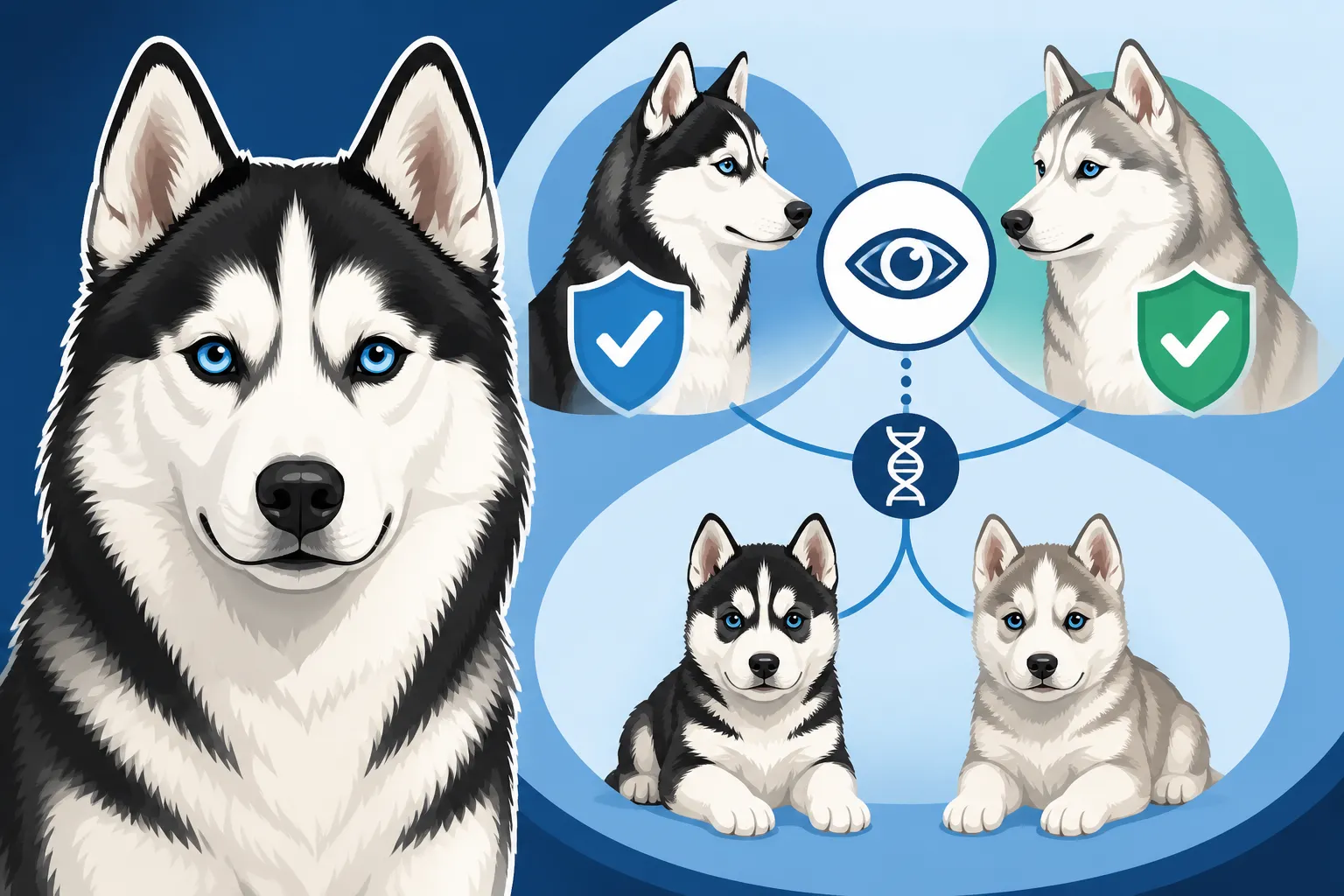
X-linked inheritance is a bit different from the more common autosomal recessive conditions you might be familiar with. In XLPRA1, the defective gene resides on the X chromosome. This means males, who only have one X chromosome (XY), are much more likely to be affected and display symptoms if they inherit the faulty gene. Females, with two X chromosomes (XX), can be carriers without showing any signs of the disease themselves, as their second, healthy X chromosome often compensates. However, these female carriers can pass the gene to their offspring. This distinctive inheritance pattern is why you often hear the phrase Why Husky PRA Runs Through the Male Line. It's a cruel twist of genetics that makes genetic testing absolutely vital for both sexes in a breeding program. Without proper testing, a seemingly healthy female could be a silent carrier, inadvertently spreading the gene through her progeny.
Recognizing the Subtle Onset and Progression
The insidious nature of PRA lies in its gradual progression. Typically, the first signs might be subtle night blindness, where a once-confident husky starts bumping into furniture in dim light or hesitates on walks after dusk. Owners might initially dismiss these behaviors as clumsiness or age-related changes. As the disease advances, vision loss becomes more pronounced in daylight hours as well, eventually leading to complete blindness. This can happen anywhere from late puppyhood to early adulthood, though the precise age can vary. A husky experiencing A Siberian Husky That Hesitates in Dim Rooms could be an early indicator of this retinal degeneration. Watching for these behavioral cues is important, but waiting for symptoms means the disease is already present, making preventative genetic screening paramount. The emotional toll on owners witnessing their beloved companion slowly lose their sight is immense, underscoring the urgency of addressing PRA proactively through responsible breeding practices.
Essential Screening and Understanding Genetic Results
Navigating the world of genetic health testing can feel like learning a new language, but for serious Siberian Husky breeders, it's a non-negotiable part of the journey. For PRA, in particular, understanding the specific tests and what their results actually mean is foundational to making informed breeding decisions that protect future generations.
The Critical Role of DNA Testing for PRA
When it comes to X-linked PRA in Siberian Huskies, DNA testing is your most powerful tool. Unlike a physical eye exam by a veterinary ophthalmologist, which assesses the current health of the eye and can diagnose existing conditions like Juvenile Cataracts in the Siberian Husky or active PRA, a DNA test looks directly at the genetic code. It can identify if a dog is a carrier of the problematic gene, even if they show no physical symptoms of the disease. This is particularly crucial for female huskies, who can carry the gene for XLPRA1 without ever developing the condition themselves. Reputable laboratories offer specific DNA tests for this condition. For instance, testing performed by companies like Optigen, often partnered with the Orthopedic Foundation for Animals (OFA), provides definitive answers on a dog's genetic status. Ignoring this test is akin to flying blind in a blizzard; you simply won't know the genetic risks lurking in your lines. This proactive step helps to fulfill the requirements often outlined in programs like What Siberian Husky CHIC Certification Requires, which promotes comprehensive health testing in breeding dogs.
Deciphering Carrier, Affected, and Clear Status
Once you receive those DNA test results, understanding them is paramount. For X-linked PRA, a dog will typically fall into one of three categories:
- Clear/Normal: This dog does not carry the gene for XLPRA1 and cannot pass it on to its offspring.
- Carrier: This dog carries one copy of the gene. A female carrier generally won't develop the disease because her other X chromosome is normal, but she can pass the gene to 50% of her offspring. A male carrier is affected because he only has one X chromosome. This is a critical distinction that sometimes confuses new breeders, but it highlights Why Husky PRA Runs Through the Male Line.
- Affected: This dog has two copies of the gene (if female, one from each parent) or one copy (if male). An affected dog will develop the disease and pass the gene to 100% of its offspring.
The results from What the X-Linked Husky PRA Test Reports will clearly outline your dog's status. For a female, a 'carrier' status means she could have a normal life and never show signs of the disease, but her genetic makeup is vital for breeding decisions. This is the essence of A Siberian Husky That Carries PRA Without Showing It. For a male, a 'carrier' is functionally an 'affected' individual because his single X chromosome determines his phenotype. Imagine a female carrier bred to a clear male: 50% of her male puppies could be clear, 50% affected. 50% of her female puppies could be clear, 50% carriers. The implications of these pairings directly inform ethical breeding practices.
Crafting Responsible Breeding Strategies to Mitigate PRA
Armed with genetic knowledge, breeders have a powerful ethical responsibility to make choices that improve the breed's health. Breeding around PRA isn't about eliminating every carrier overnight, but about making smart, strategic decisions to reduce the incidence of affected offspring while maintaining crucial genetic diversity.
Navigating Breeding Decisions with PRA in Mind
The primary goal in breeding around PRA is to prevent the birth of affected puppies. This means never breeding two dogs where there's a risk of producing an affected offspring. A clear understanding of the genetic test results for both the dam and the sire is non-negotiable.
Here’s a simplified breakdown of breeding outcomes for X-linked PRA:
| Dam's PRA Status | Sire's PRA Status | Offspring Outcomes | Recommended Breeding |
|---|---|---|---|
| Clear | Clear | All offspring will be Clear. | Yes |
| Clear | Carrier | All female offspring will be Clear. All male offspring will be Clear. (Note: Male carriers are considered affected, so a 'carrier' male would not typically be bred.) | No (Sire is affected) |
| Clear | Affected | All female offspring will be carriers. All male offspring will be affected. | No (Sire is affected) |
| Carrier | Clear | 50% of female offspring will be Clear, 50% will be Carriers. 50% of male offspring will be Clear, 50% will be Affected. | Use with Caution |
| Carrier | Carrier | 25% of female offspring will be Clear, 50% will be Carriers, 25% will be Affected. 50% of male offspring will be Affected. (This scenario should be avoided, as it produces affected males and potentially affected females.) | No |
| Carrier | Affected | 50% of female offspring will be Carriers, 50% will be Affected. All male offspring will be Affected. | No |
| Affected | Clear | All female offspring will be Carriers. All male offspring will be affected. | No |
| Affected | Carrier | (Same as Carrier Dam x Affected Sire) | No |
| Affected | Affected | All offspring will be Affected. | No |
Note: In the context of X-linked PRA in Siberian Huskies, a "carrier" male is genetically affected because he only has one X chromosome. Therefore, breeding a male identified as a carrier should generally be avoided.
The most responsible strategy for a known carrier female is to breed her only with a genetically clear male. This pairing will ensure that no puppies are born affected. While 50% of the female offspring will still be carriers, and 50% of the male offspring will be clear, no puppies will suffer from the actual disease. This allows breeders to retain valuable genetics from a carrier individual, perhaps a dog with exceptional temperament, structure, or working ability, without propagating the disease. Breeders must then commit to testing all offspring from such a pairing to identify carriers and clear individuals for future breeding considerations. This diligent approach is a cornerstone of Breeding Around PRA in Siberian Huskies effectively.
Balancing Genetics with Overall Breed Health
It's tempting to want to eliminate all carriers from a breeding program immediately, but this can be a dangerous approach for the long-term health of the breed. Over-focusing on a single genetic fault can lead to a drastic reduction in the gene pool, potentially increasing the incidence of other, perhaps less understood, health issues through inbreeding depression. A responsible breeder must consider Siberian Husky Lifespan and What Shortens It and a whole host of other health concerns, not just PRA. This holistic perspective is part of Health Testing Before You Buy a Siberian Husky and evaluating potential breeding stock.
Sometimes, a dog might be a carrier for XLPRA1 but possess otherwise outstanding qualities that are rare or highly desirable for the breed. In such cases, carefully breeding that carrier to a clear mate, and then rigorously testing all offspring, can be a justifiable strategy. The goal is to slowly phase out the gene over generations by only breeding the clear offspring from those pairings. It's a long game, requiring patience, meticulous record-keeping, and a commitment to transparency. This measured approach ensures that while genetic diseases are being addressed, the overall health, vigor, and diversity of the Siberian Husky breed are simultaneously preserved.
Supporting Huskies Affected by or Carrying PRA
While the focus for breeders is prevention, the reality is that some dogs are carriers or may develop PRA. Understanding how to care for these individuals, both as beloved pets and as part of a breeding legacy, is another layer of responsibility.
Lifelong Care for PRA Carriers and Affected Dogs
A husky identified as a carrier for PRA (if female) can live a perfectly normal life, never showing any signs of vision impairment. These dogs are cherished family members and deserve the same love and care as any clear dog. For huskies that are affected, meaning they will eventually or have already lost their sight, their care requires specific considerations. Adapting their environment becomes crucial. Maintaining a consistent layout in the home, blocking off dangerous areas, and using scent cues can help a blind husky navigate their world with confidence. Many blind huskies lead incredibly fulfilling lives, still enjoying walks, playtime, and bonding with their families. Keeping a Blind Siberian Husky Safely Contained is paramount, as their natural curiosity and tendency to explore can put them at risk without sight. Surprisingly, many adapt remarkably well; you might even find Whether a Blind Siberian Husky Can Still Run with appropriate safety measures and familiar routes.
Regular veterinary check-ups are still important for these dogs, not just for their eyes, but for their overall well-being as they age. Conditions like Siberian Husky Eye Disease and the Annual Exam become even more crucial to monitor for secondary issues. A good relationship with your vet and a veterinary ophthalmologist can help manage any discomfort and ensure the best quality of life.
Financial Realities and the Role of Pet Insurance
The costs associated with genetic testing, specialized vet visits, and potential long-term care for a husky with PRA can add up. Genetic testing for breeding dogs is an investment, but it pales in comparison to the emotional and financial strain of caring for an affected animal if the disease could have been prevented. Regular eye exams, especially with a specialist, can range from $100-$300 annually, and if any complications arise or further diagnostics are needed, those costs can escalate quickly.
This is where pet insurance can truly be a lifesaver, providing a financial safety net for unexpected health challenges, including hereditary conditions like PRA, if the policy is in place before any symptoms or diagnosis occur. Companies like Healthy Paws offer comprehensive coverage that can help offset the significant costs of veterinary care, from diagnostics to ongoing treatments. For a breeder or owner, knowing that you have support for the financial aspects of care allows you to focus more on your husky's well-being. Having a policy from Healthy Paws in place early in a husky's life can provide peace of mind, covering everything from routine check-ups to potential specialized care, as long as the condition isn't pre-existing. This kind of planning contributes to a more secure future for every Siberian Husky.
Disclaimer
The information provided in this article is for educational purposes only and is not a substitute for professional veterinary advice. Always consult with a qualified veterinarian or veterinary ophthalmologist for any health concerns or before making any decisions related to your Siberian Husky's health or breeding program. Genetic testing recommendations may vary by region and individual circumstances.