Patchy Coat on a Four-Month-Old Siberian Husky
It's incredibly frustrating and often quite alarming when you notice your four-month-old Siberian Husky puppy developing a patchy coat. You brought home this fluffy, vibrant ball of energy, expecting that beautiful double coat to grow in thick and lustrous, only to find thin spots, dull patches, or even outright hair loss appearing. This guide is here to walk you through what might be happening, when to worry, and what steps you can take to help your young Husky get back to that magnificent, healthy coat you know they deserve.
Normal Coat Development Versus Concerns
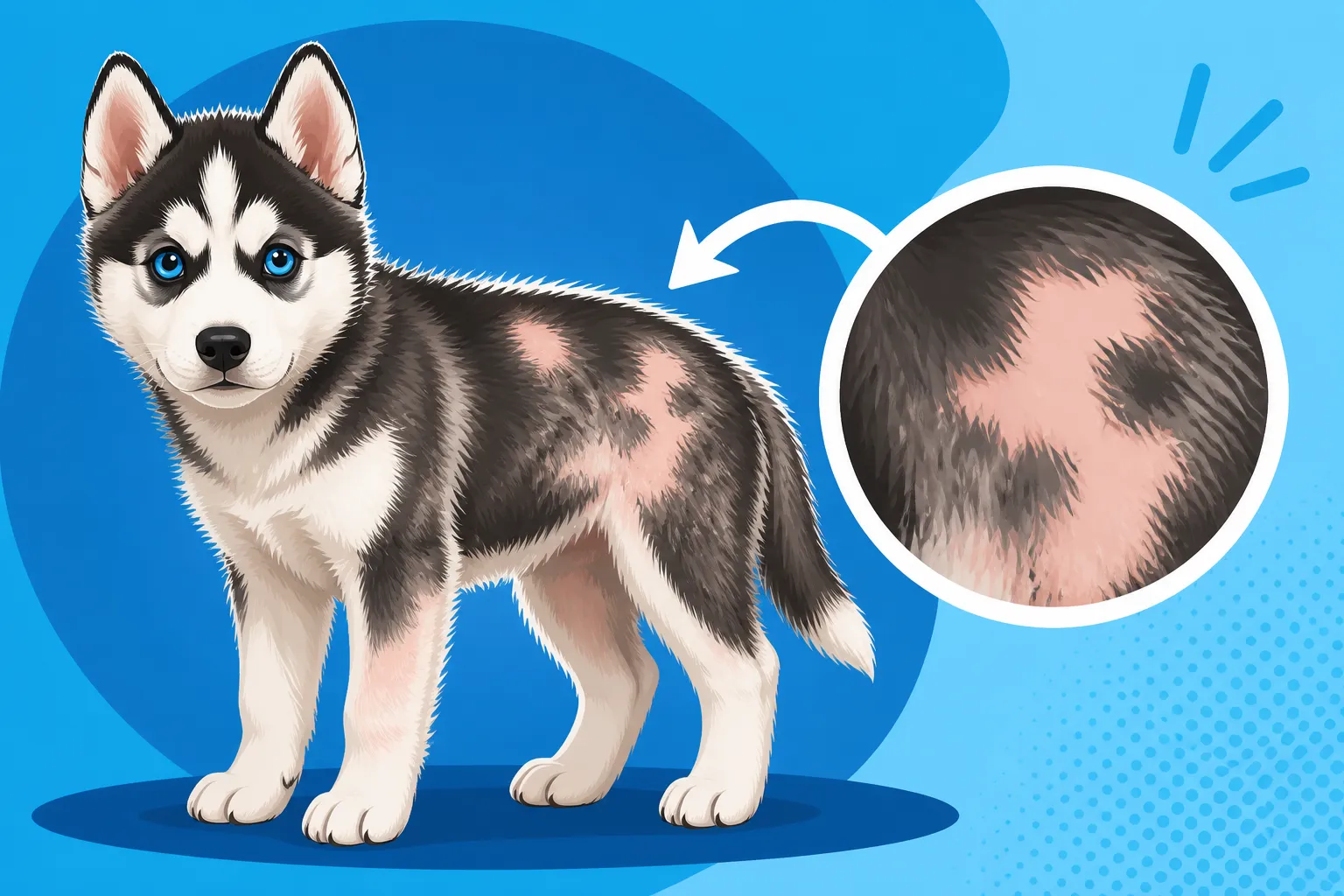
When your Husky puppy is around four months old, their coat is undergoing a lot of changes. It's not uncommon for them to look a bit, well, scruffy, as they transition from their soft, fluffy puppy fur to their denser, more weather-resistant adult double coat. However, there's a fine line between "puppy uglies" and actual health concerns.
The "Uglies" and Normal Puppy Coat Changes
Every Husky owner has likely experienced what we affectionately call the "puppy uglies." This is a completely normal phase, usually starting around 3-6 months of age, where your adorable fluffball begins to shed their soft, downy puppy coat to make way for the more robust, adult double coat. During this time, they might look a bit disproportionate, with some areas having sleek new adult fur while others still cling to the longer, wispier puppy hair. It can look patchy, thin, or just generally unkempt, especially around the flanks, legs, and sometimes even the neck. You might notice their colors shifting too, as the adult guard hairs come in with their true pigment. It's a bit like an awkward teenage phase for their fur!
This process is a natural part of The Health Milestones of a Siberian Husky Year by Year and is typically nothing to worry about. The coat might not feel as soft, and you might even see some areas looking sparser than others, but generally, the skin underneath will still look healthy – no redness, flakiness, or obvious irritation. It’s simply their body making room for that incredible, insulating double coat that Siberians are so famous for.
Identifying What's Not Normal
While the "puppy uglies" are a natural part of The Ages a Siberian Husky Changes Health-Wise, there are definite signs that a patchy coat is more than just a phase and could indicate an underlying health issue. You know your puppy best, and if something feels "off," trust that instinct. Look for any accompanying symptoms beyond just a change in coat texture or thickness. Is your puppy scratching excessively? Are there scabs, redness, or bumps on the skin beneath the patchy areas? Is the skin flaky, greasy, or emitting an unusual odor? Are there bald spots that are completely devoid of hair, rather than just thinner? Is your puppy acting lethargic, losing their appetite, or showing any other behavioral changes?
These are all red flags that warrant closer investigation. A normal coat change doesn't usually come with discomfort or visible skin problems. If you're seeing any of these additional signs, it’s a good idea to start documenting them with photos and notes on when they began, as this information will be crucial for your vet. Don't dismiss these symptoms as just part of the "ugly" stage, as addressing potential problems early can prevent them from becoming more severe or harder to treat.
Common Causes of Patchy Coat in Young Huskies
When a patchy coat goes beyond the normal "puppy uglies," several factors specific to young Siberian Huskies can be at play. Understanding these potential causes can help you know what questions to ask your veterinarian.
Parasites and Skin Irritations
Parasites are a common culprit for skin and coat issues in puppies of any breed, and Huskies are no exception. Even if your puppy isn't constantly scratching, internal or external parasites can wreak havoc on their skin health.
- Fleas and Ticks: These are probably the most obvious. You might actually see fleas jumping or their tiny black "flea dirt" (feces) resembling pepper flakes on your puppy's skin. Flea bites cause intense itching, leading to scratching, biting, and hair loss in patches, often around the tail base, hindquarters, and neck. Ticks can cause localized irritation and sometimes transmit diseases.
- Mites (Demodex or Sarcoptes): These microscopic creatures burrow into the skin, causing intense itching, redness, scabs, and hair loss. Demodectic mange (often seen as localized patches of hair loss around the eyes, mouth, or legs) is common in puppies due to an immature immune system, while sarcoptic mange (scabies) is incredibly itchy and can spread rapidly. Both can cause significant patchiness and discomfort.
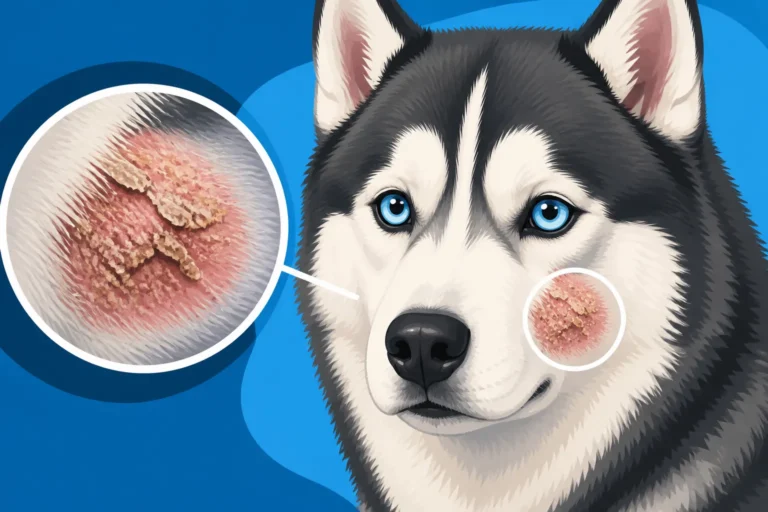
- Ringworm (Dermatophytosis): Despite its name, ringworm is a fungal infection, not a worm. It typically appears as circular patches of hair loss, often with red, scaly, or crusty borders. It's highly contagious to other animals and humans and is a frequent cause of patchy coats in young dogs, especially those in environments like shelters or puppy mills. If you suspect ringworm, isolate your puppy and wash your hands thoroughly after handling them.
- Environmental Irritants: Sometimes, it's not a living creature but something in their environment. Contact dermatitis from certain plants, cleaning products, or even certain bedding materials can cause skin irritation and secondary hair loss from scratching.
Regular Parasite Prevention for an Outdoor Siberian Husky is key, but if symptoms appear despite prevention, a vet visit is essential.
Nutritional Deficiencies
Siberian Huskies have a unique metabolism, and sometimes, even on what seems like a good diet, they can struggle with nutrient absorption, leading to coat problems.
- Zinc-Responsive Dermatosis: This is a classic Husky ailment. Siberian Huskies, like some other northern breeds, can have a genetic predisposition to poor zinc absorption, even if there's enough zinc in their diet. This isn't usually due to a lack of zinc in the food, but rather their body's inability to utilize it effectively. Zinc deficiency leads to a characteristic skin condition where hair thins and falls out, often starting around the eyes, muzzle, ears, and pressure points like elbows. The skin can become crusty, scaly, and thick, often with secondary infections. This can manifest even in young puppies. It's a frustrating condition because Why a Balanced Diet Does Not Fix Husky Zinc Loss for these genetically predisposed dogs, often requiring specialized supplementation.
- Other Deficiencies: While less common, deficiencies in essential fatty acids (omega-3s and -6s), certain B vitamins, or even adequate protein can contribute to a dull, dry, or patchy coat that doesn't grow in properly. A puppy’s diet is crucial for healthy development, and if your Husky is A Siberian Husky That Skips Meals often, their overall nutrient intake could be compromised.
Hormonal or Genetic Conditions
Some patchy coat issues have a deeper, genetic or endocrine root that needs specific veterinary attention.
- Follicular Dysplasia: This is a genetic condition where the hair follicles develop abnormally, leading to hair loss. In Siberian Huskies, one form, often called "dilution alopecia" or "color dilution alopecia," can affect dogs with dilute coat colors (like blue or fawn). It results in patchy hair loss, usually on the torso, and a dull, dry, or brittle coat. The hair might break easily, leaving sparse or bald areas. Another type, often called Follicular Dysplasia in a Young Siberian Husky, can affect puppies with normal coat colors and lead to patchy or complete hair loss. This condition is incurable, but its symptoms can often be managed to improve the dog's comfort and appearance.
- Hypothyroidism: While more common in adult dogs, juvenile hypothyroidism can occur in puppies and can certainly cause a patchy, dull, or poor-quality coat, along with other symptoms like lethargy, weight gain, and mental dullness. This is a hormonal imbalance where the thyroid gland doesn't produce enough thyroid hormone. A vet can diagnose this with blood tests, and it's treatable with daily medication. It's an important condition to rule out, especially if other signs of low thyroid are present, even if it's less frequent in very young puppies compared to adult Siberian Husky Thyroid and Autoimmune Disease.
Allergies and Environmental Factors
Just like people, dogs can suffer from allergies that manifest as skin problems, including patchy coats.
- Environmental Allergies (Atopy): Pollen, dust mites, mold spores – these common environmental allergens can trigger an immune response in susceptible Huskies. Symptoms often include generalized itching, redness, ear infections, and skin inflammation. Excessive scratching and licking in response to the itch can lead to patchy hair loss, hot spots, and secondary skin infections. Your puppy might rub against furniture or chew at their paws, causing localized irritation and hair thinning.
- Food Allergies: Less common than environmental allergies, but certain ingredients in a puppy's diet can cause an allergic reaction. This often presents as itching around the face, ears, paws, and hindquarters, sometimes accompanied by gastrointestinal upset. The constant scratching can lead to patchy hair loss and skin damage. Identifying and eliminating the offending ingredient is key, often through a carefully managed elimination diet under veterinary guidance.
- Climate and Humidity: While Huskies are built for cold, extremely humid or hot environments can sometimes exacerbate skin issues or cause discomfort that leads to licking/scratching. This is particularly true if they aren't properly acclimated or groomed, though it's less likely to be the sole cause of severe patchiness.
When to See the Vet and What to Expect
It's natural to try home remedies first, but with a young puppy and a patchy coat, getting professional advice sooner rather than later is often the best course of action. Early diagnosis can make a world of difference for your pup's comfort and long-term health.
Initial Steps and Observations at Home
Before you even step foot in the vet's office, you can gather valuable information that will aid in diagnosis. Observe your puppy closely and make notes:
- When did you first notice the patchiness? Was it sudden or gradual?
- Where are the patches located? Are they symmetrical? Are they on pressure points, or more generalized?
- Is your puppy scratching, licking, or chewing more than usual?
- What does the skin underneath look like? Is it red, inflamed, flaky, crusty, greasy, or normal? Are there bumps or pustules?
- Have there been any changes to their diet recently? New food, treats, or supplements?
- Have you started using new cleaning products, laundry detergents, or sprays around the house?
- Have they been exposed to any new environments or other animals?
- Are there any other symptoms? Changes in energy level, appetite, thirst, urination, bowel movements, or personality?
- What parasite prevention are they currently on, and when was the last dose?
- Document with photos. Take clear pictures of the affected areas in good lighting.
Having this detailed information ready for your vet will help them narrow down the possibilities much faster. It's also a good time to check your puppy's current food and ensure it's a high-quality, age-appropriate diet, as nutrition is the foundation of a healthy coat.
Diagnostic Tests and Procedures
When you visit your veterinarian, they will start with a thorough physical examination, paying close attention to the affected skin and coat. Depending on their initial findings and your observations, they may recommend several diagnostic tests:
- Skin Scrape: This common test helps diagnose mites (like Demodex or Sarcoptes). The vet will gently scrape a small amount of superficial skin cells and debris from an affected area and examine it under a microscope for parasites. It's usually quick and relatively painless.
- Fungal Culture (Ringworm Test): If ringworm is suspected, the vet might pluck some hairs from the edge of a lesion and place them on a special culture medium. This test takes several days to grow, but can confirm a fungal infection. A Wood's lamp (UV light) can sometimes make ringworm glow, but this isn't definitive.
- Cytology: If there's redness, pus, or crusting, the vet might take a swab or impression of the skin to look for bacteria or yeast under a microscope. This helps identify secondary infections that often complicate primary skin issues.
- Blood Tests: These can be crucial for ruling out systemic issues. A complete blood count (CBC) and chemistry panel can check for signs of infection or other organ dysfunction. Specific thyroid panels are used to diagnose hypothyroidism. For conditions like zinc-responsive dermatosis, while a blood zinc level can be taken, it's not always definitive as absorption issues are complex; often, a therapeutic trial of zinc supplementation is used instead.
- Allergy Testing: If allergies are suspected, your vet might discuss options like elimination diets for food allergies or skin/blood tests for environmental allergies. These are often pursued after other more straightforward causes have been ruled out.
- Biopsy: In more complex or persistent cases, a skin biopsy might be recommended. This involves taking a small tissue sample under local or general anesthesia and sending it to a veterinary dermatopathologist for microscopic examination. This can help diagnose genetic conditions like follicular dysplasia or certain autoimmune diseases.
It’s important to remember that diagnosing skin conditions can sometimes be a process of elimination, and it might take a few visits and different tests to pinpoint the exact cause. Having pet insurance, like a plan from Healthy Paws, can be a huge relief during this diagnostic journey, as specialist visits and multiple tests can quickly add up.
Treatment Options and Long-Term Management
Once a diagnosis is made, your vet will work with you to create a treatment plan. This can range from simple solutions to more complex, long-term management strategies.
- For Parasites: Treatment typically involves specific medications. For fleas and ticks, current oral or topical preventives are highly effective. For mites, your vet might prescribe dips, topical medications, or oral medications, often given over several weeks. Ringworm requires antifungal medications, either topical creams, medicated shampoos, or oral antifungals, sometimes for extended periods. It's also crucial to clean and disinfect your home environment to prevent reinfection.
- For Nutritional Deficiencies: If zinc-responsive dermatosis is diagnosed, lifelong zinc supplementation is usually necessary. Your vet will prescribe a specific type and dosage of zinc, and it's vital to follow these instructions precisely, as too much zinc can also be harmful. Dietary adjustments might also be suggested, focusing on high-quality foods.
- For Hormonal Conditions: Hypothyroidism is managed with daily oral thyroid hormone replacement medication. This is usually lifelong, but with proper dosing, your Husky can live a completely normal life, and their coat should improve dramatically. For genetic conditions like follicular dysplasia, treatment focuses on managing symptoms, preventing secondary infections, and using specialized shampoos or supplements to support skin and coat health.
- For Allergies: Management depends on the type of allergy. For food allergies, a strict elimination diet followed by a gradual reintroduction of ingredients is the gold standard for identifying triggers. For environmental allergies, strategies include allergen avoidance (if possible), antihistamines, anti-itch medications (like Apoquel or Cytopoint), medicated shampoos, and sometimes allergy shots (immunotherapy). Managing allergies is often a lifelong commitment.
- Secondary Infections: Many skin conditions are complicated by bacterial or yeast infections due to broken skin barrier or constant scratching. These require antibiotics or antifungal medications, often alongside the primary treatment.
- Supportive Care: Good quality food, omega fatty acid supplements, and regular but gentle grooming can help support overall skin and coat health during and after treatment. Using a specialized shampoo can help soothe irritated skin or remove crusts.
Remember, consistency is key in any treatment plan. Follow your vet's instructions carefully, administer medications as prescribed, and attend follow-up appointments. Be patient; coat regrowth and skin healing take time, sometimes weeks or even months. Keeping records of your Husky’s progress can also be useful for your vet. Many of these conditions, once diagnosed, can be effectively managed, allowing your Husky to thrive.
Preventing Patchy Coats and Promoting Healthy Growth
An ounce of prevention is worth a pound of cure, especially when it comes to a Siberian Husky’s magnificent coat. Proactive care can significantly reduce the risk of many patchy coat issues.
Optimal Nutrition and Supplementation
Feeding your Siberian Husky puppy a high-quality, balanced diet is fundamental to their overall health, including their skin and coat. Not all dog foods are created equal, and what works for one breed might not be ideal for a Husky's unique metabolism.
- Choose a Reputable Food: Opt for a premium puppy food formulated for medium to large breeds that lists a meat source as the first ingredient. Avoid foods with excessive fillers, artificial colors, or by-products. While Huskies are known for being efficient eaters and often require Calories a Fifty-Pound Siberian Husky Needs Daily than other breeds of similar size, the quality of those calories is paramount.
- Address Zinc Proactively: Given the Husky's predisposition to zinc-responsive dermatosis, some owners choose to proactively supplement with zinc under veterinary guidance, especially if they see early signs or know their puppy comes from a line with a history of the condition. However, it's crucial not to guess on dosage, as too much zinc can be toxic. Always consult your vet about the appropriate zinc doses used in Siberian Huskies.
- Omega Fatty Acids: Ensure their diet contains a good balance of omega-3 and omega-6 fatty acids, or consider adding a fish oil supplement. These healthy fats are vital for skin barrier health, reducing inflammation, and promoting a shiny, strong coat.
- Avoid Overfeeding: While not directly related to patchiness, keeping your Husky at an ideal weight is important for their overall health. Feeling for a Waist Under a Siberian Husky Coat can help you determine if they are at a healthy size, as being overweight can sometimes exacerbate skin folds and lead to irritation.
Regular Grooming and Parasite Control
Consistent grooming and vigilant parasite control are non-negotiable for a healthy Husky coat. Their double coat needs specific care.
- Brushing: Even before they hit their full adult coat, regular brushing helps distribute natural oils, remove loose hair, and stimulate circulation to the skin. During the "puppy uglies" or when they enter The Months a Siberian Husky Blows Its Coat, daily brushing with an undercoat rake or slicker brush is essential to prevent matting and help shed the old coat. Removing dead hair also allows the skin to breathe better, reducing the risk of irritation and skin infections. Learn how to use Undercoat Rakes and Slickers for a Siberian Husky effectively to avoid damaging their delicate undercoat.
- Bathing: Huskies generally don't need frequent bathing, as their coat is naturally dirt-repellent and self-cleaning. Over-bathing can strip essential oils, leading to dry, irritated skin. When you do bathe them, use a dog-specific shampoo and conditioner that is gentle and moisturizing.
- Parasite Prevention: This cannot be stressed enough. Work with your veterinarian to establish a year-round, effective Parasite Prevention for an Outdoor Siberian Husky plan. This usually involves monthly oral or topical treatments that protect against fleas, ticks, and often internal parasites like heartworm, roundworms, and hookworms. Even indoor Huskies need protection, as parasites can hitchhike indoors. Regular vet check-ups will also include parasite screenings.
- Inspect Regularly: Make it a habit to routinely check your puppy's skin and coat for any abnormalities. Feel for bumps, scabs, or rough patches during petting sessions. Part their fur to look at the skin underneath, especially in areas prone to irritation like armpits, groin, and behind the ears.
Choosing a Reputable Breeder
The health of your Siberian Husky's coat often starts with their genetics. A reputable breeder plays a critical role in minimizing the risk of inherited coat and skin conditions.
- Health Clearances: A responsible breeder will conduct health screenings on their breeding dogs for known genetic conditions, even if a condition like follicular dysplasia doesn't have a direct DNA test universally. They should be transparent about their dogs' health history and lineage. When choosing your puppy, make sure to ask about What a Siberian Husky Breeder Should Hand Over, including health certifications for the parents.
- Pedigree Research: A good breeder will also be knowledgeable about the health history of their lines, including any incidence of skin conditions, allergies, or immune-mediated diseases. They should be able to provide you with a pedigree and discuss any potential health concerns.
- Early Socialization and Care: Puppies from reputable breeders are typically raised in clean, stimulating environments and receive appropriate veterinary care and Vaccinating a Siberian Husky Puppy on Schedule. This strong start contributes to a robust immune system and overall health, which can positively impact coat development.
- Questions to Ask: Don't hesitate to ask detailed questions about the parents' health, temperament, and any history of skin issues in their previous litters. A good breeder will welcome your questions and be eager to educate you. Understanding the genetic predispositions of the breed, such as Zinc-Responsive Dermatosis in the Siberian Husky, is something a reputable breeder should be well-versed in. While a breeder cannot guarantee a puppy will never have a health issue, they actively work to reduce the likelihood of preventable genetic problems.
Patchy Coat Concerns in a Four-Month-Old Siberian Husky
| Characteristic | Normal Puppy Uglies | Signs of Concern |
|---|---|---|
| Appearance of Patches | Thinning, uneven growth, "scruffy" look; adult coat coming in. | Bald spots, obvious hair loss, circular lesions, symmetry. |
| Skin Condition | Healthy, clear, no redness or irritation. | Redness, inflammation, scabs, bumps, crusting, flakiness, greasiness, odor. |
| Itching/Discomfort | Minimal or none. | Excessive scratching, licking, chewing, rubbing. |
| Location of Patches | Often generalized, but can be unevenly distributed. | Around muzzle, eyes, ears, paws, tail base, pressure points, or specific body areas. |
| Coat Texture | Mix of soft puppy fur and coarser adult guard hairs. | Dull, dry, brittle, broken hairs, oily. |
| Behavioral Changes | None. | Lethargy, decreased appetite, changes in personality. |
| Other Symptoms | None. | Weight loss, digestive upset, secondary infections. |
Disclaimer
The information provided in this article is for general informational purposes only and is not a substitute for professional veterinary advice, diagnosis, or treatment. Always seek the advice of your veterinarian or other qualified health provider with any questions you may have regarding a medical condition or the health and welfare of your pet. Never disregard professional veterinary advice or delay in seeking it because of something you have read in this article.