Thyroid Medication Doses for a Siberian Husky
It can be incredibly disheartening to watch your beloved Siberian Husky change before your eyes – gaining weight, losing energy, and developing a dull coat – all symptoms that can point to an underactive thyroid. The good news is that hypothyroidism is often manageable with medication, but getting the dosage just right for a Husky can feel like a moving target. This guide will help you understand how veterinarians approach medication for thyroid issues in Siberian Huskies, and what you, as an owner, need to know to ensure your furry friend thrives.
Understanding Hypothyroidism in Siberian Huskies
Hypothyroidism, a condition where the thyroid gland doesn't produce enough hormones, is more common in certain breeds, and while Huskies aren't at the very top of that list, they certainly aren't immune. When your Husky isn't producing enough thyroid hormone, it affects almost every system in their body, leading to a cascade of often subtle and frustrating symptoms.
Why Huskies are Prone to Thyroid Issues
While not as prevalent as in some other breeds like Golden Retrievers or Doberman Pinschers, Siberian Huskies can still develop hypothyroidism. Often, this is due to an autoimmune condition called lymphocytic thyroiditis, where the body's own immune system mistakenly attacks the thyroid gland, gradually destroying its ability to produce hormones. It's a silent process that can take years to manifest, leaving you scratching your head about your dog's changing demeanor. Understanding the breed's general health landscape, including issues like Siberian Husky Thyroid and Autoimmune Disease, can help owners be more vigilant. Their efficient metabolism, while generally a boon for their lifespan, can sometimes make diagnosing and managing metabolic disorders a bit unique.
Common Symptoms You Might See
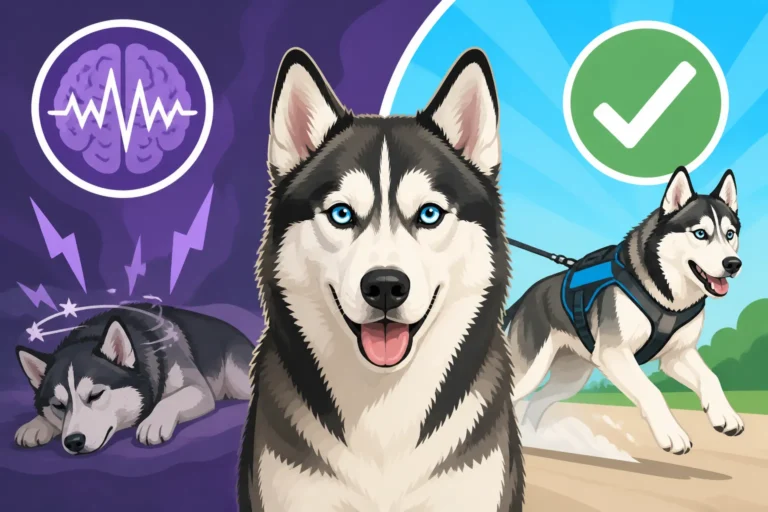
The clinical signs of hypothyroidism can be vague, which is why it often takes owners a while to put the pieces together. You might notice your once-energetic Husky is suddenly lethargic, sleeping more, and not as eager for their usual run. Weight Gain in a Hypothyroid Siberian Husky is a classic symptom, often occurring despite no change in diet or activity. Their beautiful double coat might become dull, dry, brittle, or start thinning, sometimes even leading to bald patches, a phenomenon often described as a Siberian Husky Coat That Turns Dull and Thin. Other signs can include an intolerance to cold, mental dullness, and skin issues like recurrent infections or excessive dandruff. It's easy to dismiss these as "just getting older," but they're important clues.
Diagnosing Hypothyroidism Accurately
Getting a precise diagnosis is the absolute first step, and it's more involved than just a quick blood draw. Misdiagnosis can lead to unnecessary medication and potential side effects, so patience and thoroughness are key.
The Importance of a Full Thyroid Panel
When you bring your Husky in with suspected thyroid issues, your vet won't just run a basic T4 test. A comprehensive thyroid panel is crucial. This usually includes:
- Total T4 (TT4): This measures the total amount of thyroid hormone in the blood, both free and protein-bound. It's a good screening tool but can be affected by other illnesses or medications.
- Free T4 (FT4): This measures the unbound, biologically active form of the hormone. It's less affected by non-thyroidal factors and provides a more accurate picture of thyroid function.
- Thyroid-Stimulating Hormone (TSH): Produced by the pituitary gland, TSH stimulates the thyroid. In hypothyroid dogs, TSH levels are often high because the pituitary is working overtime to try and get the underactive thyroid to produce more hormone.
- Thyroglobulin Autoantibodies (TgAA): These indicate an autoimmune attack on the thyroid gland, confirming lymphocytic thyroiditis. Positive TgAA levels can also predict future hypothyroidism, even if the dog isn't clinical yet.
A full Thyroid Blood Panels for a Siberian Husky gives your vet a much clearer picture of what's happening internally, ensuring they don't jump to conclusions.
Why Misdiagnosis is a Real Concern
It's not uncommon for Huskies to be misdiagnosed with hypothyroidism. Certain medications, other illnesses (like Cushing's disease or chronic infections), or even severe stress can transiently lower thyroid hormone levels, leading to what's known as "euthyroid sick syndrome." In these cases, the thyroid gland itself is fine; it's just reacting to another systemic issue. This is why a simple low T4 isn't enough for a diagnosis, and why a complete panel is so vital. Owners should be aware of Why Husky Hypothyroidism Is Overdiagnosed to advocate for thorough testing. Furthermore, a dog's normal thyroid values can vary depending on breed and even age, so a good vet will interpret results in context.
Navigating Thyroid Medication Doses for Your Husky
Once a definitive diagnosis of hypothyroidism is made, your Husky will likely need lifelong thyroid hormone replacement therapy, typically with levothyroxine. This medication is a synthetic form of the thyroid hormone T4, which your dog's body then converts to the active T3 form.
Starting Doses: What to Expect
The initial dosing of levothyroxine is usually calculated based on your Husky's body weight. A common starting point for dogs is around 0.1 mg per 10 pounds (or 0.022 mg/kg) given twice daily. However, this is just a guideline. Your veterinarian will consider your Husky's specific clinical signs, their overall health, and the severity of their initial blood work results. For a breed like the Siberian Husky, which often has a leaner build and historically efficient metabolism, vets might start on the lower end of the recommended range to avoid over-supplementation. It's a delicate balance, and there's no "one size fits all" dose, even for dogs of the same weight.
The Art of Titration: Finding the Right Balance
Finding the optimal dose for your Husky is truly an art, not a science. It's a process called titration, which involves starting with a dose, monitoring your dog's response, and then adjusting the dose based on follow-up blood tests and observation of clinical symptoms. This process takes time, often several weeks or even months, to get just right.
After about 4-8 weeks on the initial medication, your vet will want to perform another thyroid panel. This follow-up blood test is crucial and is ideally done 4-6 hours after a morning dose, when the medication levels in the blood are usually at their peak. Your vet will be looking for the T4 levels to fall within the upper half of the normal reference range, and the TSH levels to return to normal. They'll also be asking you about any changes you've observed in your Husky's energy, weight, coat quality, and overall demeanor. Be honest and detailed, as your observations are as important as the blood results.
Factors Influencing Your Husky's Dose
Several factors can influence how much thyroid medication your Siberian Husky needs:
- Body Weight: This is the primary factor, but not the only one.
- Individual Metabolism: Each dog processes medication differently. A Husky's historically efficient metabolism can sometimes mean they need less than a dog of another breed of similar weight, but this isn't a hard-and-fast rule.
- Absorption Rate: How well your Husky absorbs the medication from their digestive tract can vary.
- Other Medications: Certain drugs, like corticosteroids, phenobarbital, or even some NSAIDs, can interfere with thyroid hormone levels or its absorption, necessitating dose adjustments. Always inform your vet of all medications and supplements your Husky is taking.
- Overall Health: Other concurrent illnesses can affect metabolism and the required dose.
- Brand of Medication: While levothyroxine is levothyroxine, minor differences in fillers between generic brands can sometimes lead to slight variations in absorption, so consistency with one brand is generally recommended.
Managing a chronic condition like hypothyroidism for your Siberian Husky can be an ongoing financial commitment. Many owners find that pet insurance, such as a policy from Healthy Paws, can significantly help with the costs of lifelong medications, regular blood work, and vet visits needed to manage these conditions.
Monitoring and Adjusting Treatment
Thyroid medication isn't a "set it and forget it" kind of treatment. It requires ongoing vigilance and regular check-ups to ensure your Husky is getting the right amount of hormone.
Regular Blood Work: What Your Vet Will Check
Once your Husky's thyroid levels are stabilized on medication, your vet will recommend periodic re-checks. Typically, this means blood work every 6-12 months. These routine Siberian Husky Vet Visits by Life Stage are vital to confirm the current dose remains effective. Your vet will monitor the same parameters as in the initial diagnostic panel: TT4, FT4, and TSH. The goal is to keep the T4 and FT4 levels consistently in the mid-to-high normal range, and the TSH level normalized. If these levels start to drift, it's a sign that the dosage may need to be fine-tuned again.
Recognizing Signs of Over or Under-Dosing
It's crucial for you, as the owner, to be observant for signs that your Husky's medication dose might be off:
Signs of Under-Dosing (needs more medication):
- Return of lethargy or decreased activity levels.
- Continued or new weight gain.
- Dull, dry coat, excessive shedding, or bald spots.
- Slow heart rate.
- Mental dullness or lack of alertness.
- Intolerance to cold temperatures.
Signs of Over-Dosing (needs less medication):
- Restlessness, nervousness, or hyperactivity.
- Increased thirst and urination.
- Unexplained weight loss despite a good appetite.
- Increased heart rate or panting.
- Excessive excitability.
If you notice any of these symptoms, don't wait for the next scheduled appointment. Contact your vet immediately, as adjustments might be necessary. It’s also important to consider if their general health is changing, perhaps aligning with The Ages a Siberian Husky Changes Health-Wise, and how that might impact their needs.
Long-Term Management: A Lifelong Commitment
Hypothyroidism is a chronic condition, meaning your Siberian Husky will likely be on thyroid medication for the rest of their life. This isn't a cure, but rather a management strategy that replaces the hormones their body can no longer produce sufficiently. This lifelong commitment means regular vet visits, consistent medication administration, and a keen eye for any changes in your Husky's health or behavior.
It’s worth noting that managing chronic conditions plays a significant role in Siberian Husky Lifespan and What Shortens It. Proper and consistent management of hypothyroidism can help ensure your Husky lives a full, happy life. Many owners find that a good pet insurance plan, like those offered by Healthy Paws, is invaluable for covering the ongoing costs associated with such conditions, providing peace of mind and ensuring access to continuous care.
Here’s a general guideline for monitoring your Husky's thyroid levels once treatment has begun:
| Stage of Treatment | Recommended Testing Frequency | Key Observations |
|---|---|---|
| Initial Treatment | 4-8 weeks after starting/adjusting dose | Clinical improvement, peak T4 (4-6 hrs post-pill), TSH normalization |
| Stabilized Phase | Every 6-12 months | Consistent T4/FT4 in mid-high normal range, normal TSH |
| Symptom Recurrence | Immediately | Check for under or over-dosing symptoms, rule out other issues |
| Senior Huskies | More frequent (e.g., every 6 months) | Account for age-related metabolic changes; part of Caring for a Siberian Husky Past Ten |
| Medication Change | 4-8 weeks after any brand/dose change | Verify new regimen's efficacy and stability |
Remember, this table provides general guidance. Your veterinarian will tailor the specific monitoring schedule to your Siberian Husky's individual needs.
Disclaimer
The information provided in this article is for educational purposes only and is not intended to be a substitute for professional veterinary advice, diagnosis, or treatment. Always seek the advice of your veterinarian or other qualified health provider with any questions you may have regarding a medical condition.