Husky Laryngeal Paralysis and Summer Heat
There's nothing quite as alarming for a Siberian Husky owner as the sound of their beloved dog struggling to breathe. That harsh, raspy noise, especially when coupled with the oppressive heat of summer, can send a wave of panic through you. If you've experienced this, or if you're worried about it, you're not alone. This guide aims to demystify laryngeal paralysis, a condition that can severely impact your Husky's ability to breathe, particularly when the temperatures rise, and equip you with the knowledge to manage it effectively.
Unraveling Laryngeal Paralysis in Siberian Huskies
Laryngeal paralysis (LP) is a condition that sounds complicated, but at its heart, it's about a critical part of your dog's airway not working as it should. Understanding what it is and how it manifests is the first step in protecting your Husky.
What Exactly is Laryngeal Paralysis?
Imagine your Husky's throat, specifically the area around the voice box, or larynx. Inside, there are small cartilages, often called vocal cords, that are supposed to open wide every time your dog takes a breath, allowing air to flow freely into the lungs. When they swallow, these same cartilages close tightly to prevent food or water from going down the wrong pipe. It's a beautifully choreographed dance of opening and closing, all controlled by delicate nerves.
With laryngeal paralysis, this crucial opening and closing mechanism goes awry. The nerves that tell those cartilages (specifically, the arytenoid cartilages) to open when your Husky inhales begin to fail. Instead of pulling open fully, they remain partially closed or even collapse inward, obstructing the airway. It's not that the vocal cords themselves are floppy; it's the signals from the brain to the muscles that move them that are faltering. This means less air gets in, and your dog has to work much harder to breathe.
While sometimes it can be a rare congenital issue from birth, for most dogs, including Siberian Huskies, laryngeal paralysis is an acquired condition that develops later in life. Often, it's idiopathic, meaning there's no clear, known cause. In some cases, it can be part of a broader neurological syndrome called Geriatric Onset Laryngeal Paralysis Polyneuropathy (GOLPP), which affects not only the larynx but also other nerves throughout the body, impacting leg strength and coordination. Regardless of the specific cause, for a high-energy breed like a Husky, compromised breathing is a serious concern.
Spotting the Subtle (and Not-So-Subtle) Signs
The tricky thing about laryngeal paralysis is that its early signs can be incredibly subtle, easily mistaken for normal aging or dismissed as something less serious. Many owners initially notice a slight change in their Husky's breathing. It might become a bit raspy or hoarse, especially when they're excited or after a bit of exercise. You might hear a mild, noisy inhalation, almost like a snore, even when they're awake. Their bark might sound different – perhaps quieter, more strained, or even completely lost, which can be particularly unsettling for owners used to a vocal Husky. These initial symptoms might even lead you to think, "Oh, it's just Noisy Breathing in an Older Siberian Husky," but it's crucial to pay attention to these changes.
As the condition progresses, the signs become more pronounced and concerning. You'll likely start hearing a distinct "stridor" – a high-pitched, harsh breathing sound that’s especially noticeable on inspiration. Your Husky might tire out much faster during walks, struggling to keep up even on short stints around the block. You might also observe them coughing or gagging, particularly after drinking water or eating their food. This happens because the vocal cords aren't closing properly to protect the airway, allowing particles to enter the windpipe.
In severe cases, the situation can escalate rapidly into a full-blown emergency. Your Husky might exhibit pronounced respiratory distress, gasping for air, with open-mouthed breathing and an anxious look in their eyes. Their gums might turn a bluish or purplish tint, a clear indication of a dangerous lack of oxygen (cyanosis). This can quickly lead to staggering, collapse, and loss of consciousness. It's vital to recognize that these severe signs are not just discomfort; they are life-threatening events that demand immediate veterinary attention. Any excitement, stress, or physical exertion can make these symptoms dramatically worse, quickly pushing a moderately affected Husky into a crisis.
Why Huskies and Heat are a Bad Mix for Laryngeal Paralysis
Siberian Huskies are magnificent dogs, renowned for their endurance and their incredible double coats, which are perfectly designed for brutal Arctic winters. This thick insulation, however, becomes a significant liability in warmer climates or during summer months. Huskies are masters at retaining heat, but they are notoriously inefficient at dissipating it. Their primary method of cooling down is panting – rapidly exchanging air to evaporate moisture from their respiratory tract.
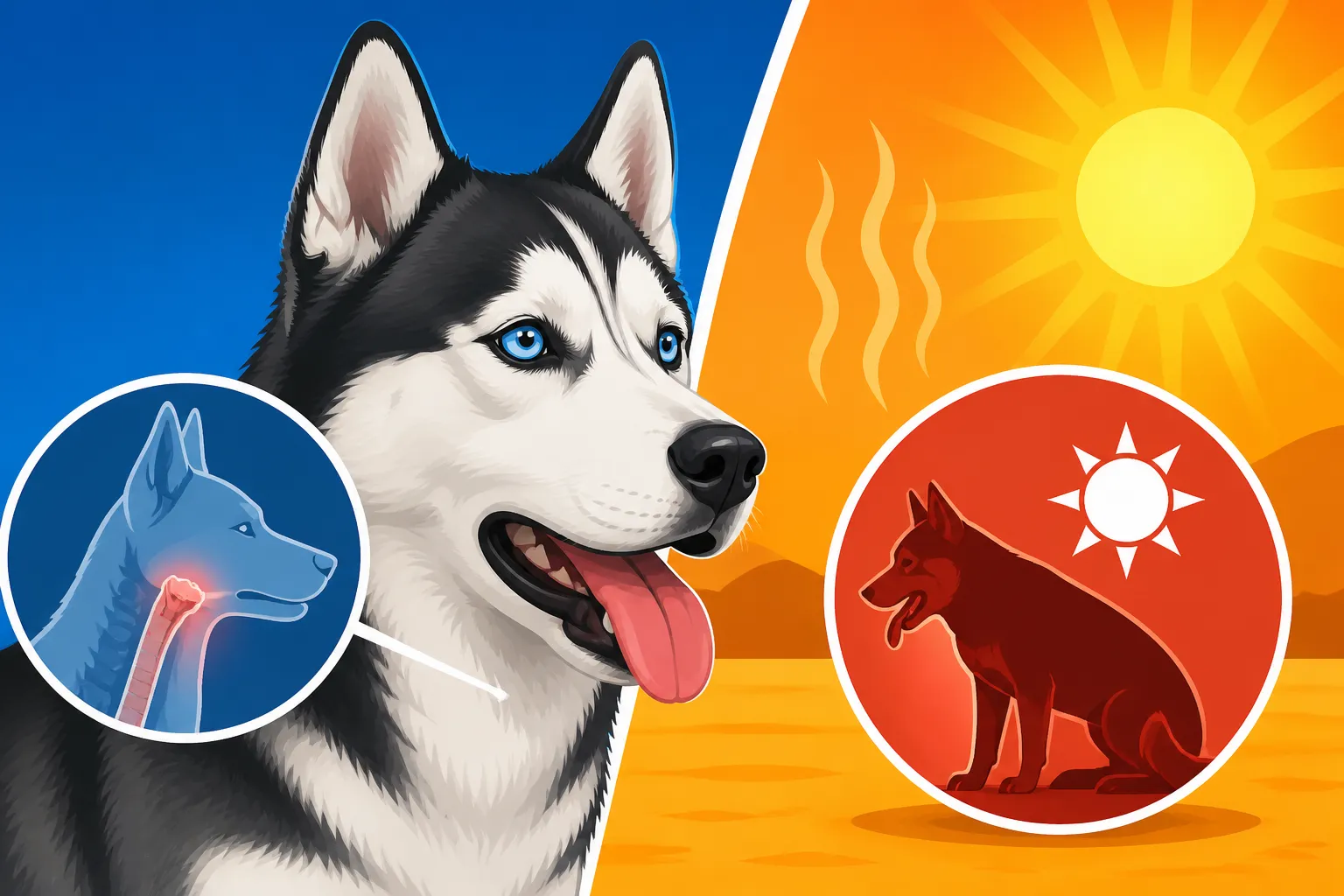
Now, layer laryngeal paralysis on top of this natural predisposition. An already narrowed airway from LP makes panting far less effective. Your Husky has to work much, much harder to move the same amount of air that a healthy dog would with minimal effort. This increased respiratory effort generates even more body heat, exacerbating the problem. It creates a dangerous and rapidly spiraling feedback loop: the dog gets hotter, so it pants more; the constricted larynx can't move enough air, so it works harder, making it even hotter; the heat then causes swelling in the already compromised laryngeal tissues, further narrowing the airway.
This combination of a heat-retaining coat, an inefficient cooling mechanism, and a compromised airway means that a Siberian Husky with laryngeal paralysis will overheat much faster and struggle far more severely than almost any other breed or even a healthy Husky. This isn't just about being uncomfortable; it's a critical situation where organ damage and even death can occur due to the systemic effects of overheating and lack of oxygen. What might seem like a manageable warm day for a healthy dog can quickly become a deadly crisis for a Husky with LP, making owner vigilance about Heat Stroke Risk in a Siberian Husky absolutely non-negotiable. Their inherent stoicism, a trait that often makes Huskies so endearing, can also be a disadvantage here, as they may try to push through discomfort until they are already in a state of crisis, making early owner intervention incredibly important.
Navigating Summer Safely with a Husky Affected by Laryngeal Paralysis
When your Husky has laryngeal paralysis, summer isn't just an inconvenience; it becomes a season fraught with potential danger. Understanding this profound link and preparing for it is essential for their safety and well-being.
The Critical Danger of Heat Exacerbation
For a Siberian Husky living with laryngeal paralysis, the arrival of warm weather isn't just about feeling a bit warm; it's a direct threat to their respiratory system and, ultimately, their life. When the ambient temperature rises, your Husky's body naturally tries to cool down by panting. However, with an already compromised airway due to LP, this essential cooling mechanism becomes woefully inefficient. The laryngeal cartilages, unable to open fully, restrict the amount of air that can pass through with each breath. This means your Husky has to exert significantly more effort just to get enough oxygen, and this increased effort itself generates more internal body heat.
This creates a perilous and rapidly escalating cycle. As your Husky works harder to breathe, their core body temperature rises. This rise in temperature, in turn, causes the tissues around the larynx to swell. Even a small amount of swelling in an already narrowed airway can severely reduce airflow, pushing your Husky into a severe state of respiratory distress. What began as an attempt to cool down quickly transforms into a struggle for survival, as their body cannot get enough oxygen, nor can it effectively shed heat. This rapid spiral towards overheating and oxygen deprivation can lead to organ failure and heat stroke, which is a life-threatening emergency.
It's crucial to understand that even seemingly minor activities can become dangerous. A quick romp in the yard, a short walk around the block, or even just high excitement from greeting a favorite person during a moderately warm or humid day can be enough to trigger a full-blown breathing crisis in a Husky with LP. Their inability to efficiently cool themselves combined with their restricted airway means that the threshold for danger is significantly lower than for a healthy dog. This isn't merely about managing discomfort; it's about actively preventing a systemic breakdown that begins with their inability to breathe and cool themselves.
Immediate Actions During a Breathing Crisis
If you suspect your Husky is experiencing a severe breathing crisis due to laryngeal paralysis and heat, this is an absolute, non-negotiable emergency. There's no time to waste. Your first and most critical action should be to call your veterinarian or the nearest emergency veterinary clinic immediately while simultaneously initiating first aid measures. Inform them you are on your way with a Husky in respiratory distress, as this can help them prepare for your arrival.
The immediate goal is to reduce their core body temperature and help them breathe. Without delay, move your Husky to the coolest possible environment available. This means an air-conditioned room, ideally with a strong fan pointed directly at them. If they are conscious and willing, you can offer a small amount of fresh, cool water, but do not try to force them to drink, as this could lead to aspiration, where water enters the lungs, exacerbating the problem.
Begin active cooling using cool (not icy cold, as this can cause shock) wet towels. Concentrate on applying these towels to areas where major blood vessels are close to the surface of the skin: the groin, armpits, and neck. Changing these towels frequently as they warm up is key, or continuously wetting them down. While effective for cooling, avoid submerging your Husky in cold water entirely, as it can cause peripheral blood vessels to constrict, which paradoxically can hinder cooling and even induce shock. The focus is to lower their core temperature quickly and provide whatever help you can with airflow until professional veterinary help can be administered. Every minute counts in these situations, and swift, decisive action can make the difference between life and death.
Proactive Strategies to Prevent Overheating
When you have a Husky with laryngeal paralysis, proactive prevention is your most powerful tool against a heat-induced crisis. The golden rule is strict heat avoidance. This means scheduling all outdoor activities, even short potty breaks, during the absolute coolest parts of the day – typically before sunrise and after sunset. On truly hot or humid days, it's often safer to skip outdoor exercise altogether and opt for indoor mental stimulation or very brief, slow walks only when absolutely necessary. Never, under any circumstances, leave your Husky in a parked car, even for "just a minute," as internal temperatures can soar to deadly levels within minutes.
Investing in and utilizing various cooling aids can make a significant difference. Cooling vests that you wet and wring out, gel-filled cooling mats for them to lie on, and even a shallow kiddie pool filled with a few inches of cool water can provide much-needed relief in your yard. Ensure your Husky always has access to an abundance of fresh, cool water, perhaps with some ice cubes added. Having multiple water stations around the house and yard is a good idea. For more detailed tips on keeping your Husky cool, be sure to check out our guide on Cooling a Siberian Husky Down Fast.
Beyond temperature control, managing excitement and stress is equally important. Any sudden burst of energy, whether it's an enthusiastic greeting, playtime with another dog, or chasing a squirrel, will cause their respiratory rate to spike, increasing heat production and demand on their already compromised larynx. Try to keep interactions calm and controlled, especially when the weather is warm. This might mean adjusting your routines to maintain a serene home environment. For some Huskies, this might even extend to using calming supplements or pheromone diffusers, under veterinary guidance, to reduce overall anxiety levels that could contribute to heavy panting.
Diagnosis, Treatment, and Long-Term Care for Laryngeal Paralysis
Receiving a diagnosis of laryngeal paralysis for your Siberian Husky can be daunting, but understanding the steps involved in confirming the condition, exploring treatment options, and committing to long-term care will empower you to provide the best possible life for your furry companion.
How Laryngeal Paralysis is Diagnosed
The journey to diagnosing laryngeal paralysis typically begins with a thorough physical examination by your veterinarian, coupled with a detailed account from you regarding your Husky's symptoms. Your vet will carefully listen to your dog's breathing, paying close attention to any abnormal sounds during inhalation, and observe their general demeanor and exercise tolerance. They'll also check for any other concurrent health issues that might be contributing to the breathing difficulties.
The definitive diagnostic test for laryngeal paralysis is a laryngeal exam, performed under light sedation. This is a crucial step because without sedation, a dog might hold its breath or struggle, making it impossible to accurately assess the movement of the arytenoid cartilages. During this procedure, the vet gently retracts the tongue and looks down the throat to directly visualize the larynx. As your Husky breathes, the vet can observe whether the cartilages are abducting (opening) properly with each inspiration. If they remain still or only partially open, the diagnosis of LP is confirmed.
Often, additional diagnostic tests are recommended to provide a more complete picture of your Husky's health and to rule out other conditions that might mimic or contribute to breathing problems. This might include routine blood work to check organ function, a Thyroid Blood Panels for a Siberian Husky to rule out hypothyroidism (which can sometimes be associated with neuromuscular weakness), and chest X-rays. Chest X-rays are particularly important to check for signs of aspiration pneumonia, a common complication where food or water mistakenly enters the lungs due to the compromised laryngeal function. In some cases, especially if GOLPP is suspected, neurological evaluations may be necessary to assess other nerve functions. It's truly essential to seek a veterinarian experienced with this condition or a referral to a veterinary internal medicine specialist or surgeon, as their expertise is invaluable for accurate diagnosis and devising the most appropriate management plan.
Understanding Treatment Options
Once laryngeal paralysis is diagnosed, your veterinarian will discuss the best course of action, which can vary depending on the severity of the condition, your Husky's overall health, and your family's circumstances.
For Huskies with mild symptoms or those for whom surgery isn't an option due to age or other health concerns, conservative medical management may be pursued. This approach focuses on alleviating symptoms and preventing complications. A key component is strict weight control, as excess weight significantly increases respiratory effort. Our article on Siberian Husky Weight and Joint Health stresses how crucial maintaining an ideal weight is. Anti-inflammatory medications, such as corticosteroids, might be prescribed to reduce any swelling in the laryngeal tissues, helping to open the airway slightly. Sedatives can also be beneficial during acute breathing crises to calm your Husky and lower their respiratory rate. Beyond medication, management involves strict avoidance of triggers like heat and excitement, using a harness instead of a neck collar, and making dietary adjustments like feeding softer, meatball-sized portions from elevated bowls to minimize the risk of aspiration.
For many dogs with moderate to severe laryngeal paralysis, surgical intervention often offers the most significant improvement in quality of life. The most common procedure is called unilateral arytenoid lateralization, or more simply, "tie-back" surgery. During this specialized surgery, one of the arytenoid cartilages is permanently stitched (or "tied back") in an open position. This effectively creates a larger, more stable airway, allowing for much improved airflow. The transformation in breathing can be quite dramatic and immediate, offering a huge relief to both the dog and its owners. You can learn more about this procedure in our detailed guide on Tie-Back Surgery for a Siberian Husky.
However, tie-back surgery is not without its risks. The most common and serious complication is aspiration pneumonia, as permanently opening one side of the larynx can slightly reduce its ability to protect the airway during swallowing. This means careful post-operative care is crucial, including vigilant monitoring for coughing, fever, or lethargy, and strict adherence to feeding guidelines (soft, small meals from elevated bowls). The decision to pursue surgery is a significant one, requiring careful consideration of the benefits versus the potential risks. It's a conversation you'll have with your vet, especially considering the insights provided in Deciding About Surgery on an Old Siberian Husky.
Living Comfortably with a Husky with Laryngeal Paralysis
Once your Husky has been diagnosed with laryngeal paralysis, whether you opt for medical or surgical management, life will undoubtedly change, and ongoing diligent care becomes paramount. Your commitment to following your veterinarian's advice meticulously is the cornerstone of ensuring your Husky’s comfort and well-being. This includes adhering strictly to medication schedules, implementing necessary dietary changes (often soft, moist foods fed from elevated bowls to minimize the risk of food entering the windpipe), and constantly monitoring for any signs of aspiration pneumonia, which can manifest as coughing, fever, or a general lack of energy.
A crucial aspect of long-term care revolves around managing your Husky's environment and activity levels. Your home needs to be a sanctuary of calm and cool. Air conditioning is not a luxury but a necessity, especially during warmer months. During outdoor excursions, a harness is absolutely essential over a traditional neck collar, as any pressure on the throat can exacerbate breathing difficulties. Our guide on Harness Against Collar for a Siberian Husky explains why this small change can make a huge difference. You'll need to meticulously plan exercise, keeping it short, low-impact, and restricted to the coolest times of day, avoiding any strenuous activity that could trigger a breathing crisis.
Regular follow-up appointments with your veterinarian are non-negotiable. These check-ups are vital for monitoring the progression of the condition if medically managed, or ensuring the ongoing efficacy of a tie-back surgery and catching any potential complications, such as aspiration pneumonia, early. These appointments are also an opportunity to discuss any new concerns or adjustments needed to your Husky's care plan. It's a journey that requires patience and dedication, but with proper management, many Huskies with LP can continue to enjoy a good quality of life.
Lastly, consider the financial aspect of managing a chronic condition. Veterinary care for conditions like laryngeal paralysis, especially if surgery is involved, can be quite expensive. This is where pet insurance, like Healthy Paws, can be incredibly beneficial. While most policies won't cover pre-existing conditions (those diagnosed before enrollment or during waiting periods), having a policy in place can provide significant financial relief for any new, unrelated health issues that may arise. Enrolling your Husky when they are young and healthy offers the broadest coverage. For more on navigating pet insurance, including how it impacts older dogs, our articles on Siberian Husky Pet Insurance and the Eye Clause and Keeping a Siberian Husky Insured Past Ten can offer valuable insights.
Proactive Steps and the Long-Term Outlook
While laryngeal paralysis can be a challenging condition, adopting a proactive mindset and understanding the long-term outlook can significantly impact your Siberian Husky's quality of life. Prevention, vigilance, and sound financial planning are your best allies.
Prioritizing Overall Health for Laryngeal Paralysis Prevention
While it's true that for idiopathic laryngeal paralysis, there might not be a way to completely prevent its onset, maintaining your Husky's overall health throughout their life is undeniably the best proactive measure you can take. A healthy Husky is more resilient and better equipped to handle any health challenges that come their way. One of the most critical aspects is keeping your Husky at an ideal body weight. Obesity places immense strain on the respiratory system and can exacerbate breathing difficulties, making any potential LP symptoms far worse. Regular, appropriate exercise, tailored to your Husky's age and physical condition, is also important, ensuring strong musculature and cardiovascular health without overexertion.
Consistent veterinary care, starting from puppyhood and continuing through their senior years, is fundamental. Regular check-ups, as outlined in our guide on Siberian Husky Vet Visits by Life Stage, allow your vet to establish a baseline of health and catch any subtle changes or emerging conditions early. A balanced, high-quality diet that supports overall health, nerve function, and immune system strength is also crucial. While no specific diet prevents LP, good nutrition supports overall vitality.
Beyond these physical aspects, being mindful of any shifts in your Husky's breathing patterns or activity levels, even if seemingly minor, is key. Early detection of any issues, even if it's just a suspicion, allows for prompt veterinary evaluation and potentially earlier intervention, which can lead to better management outcomes and a slower progression of symptoms if LP is indeed the cause. Don't dismiss slight changes; they could be early warnings.
The Critical Role of Owner Observation and Advocacy
As a Siberian Husky owner, you are your dog's most important advocate. You spend the most time with them, you know their quirks, their normal sounds, and their typical energy levels better than anyone else. This intimate knowledge makes your observation skills absolutely critical, especially when dealing with a condition like laryngeal paralysis. Trust your instincts; if something feels "off" with your Husky's breathing or behavior, even if it's subtle and you can't quite put your finger on it, it warrants attention.
Keep a detailed record of any symptoms you observe. Note when they occur, what seems to trigger them (e.g., excitement, exercise, heat), how long they last, and their severity. This kind of meticulous information is invaluable for your veterinarian, helping them piece together the puzzle for an accurate diagnosis and to formulate the most effective treatment plan. Don't be afraid to bring up all your concerns, no matter how small they seem.
If you feel that your concerns about your Husky's breathing are not being adequately addressed, or if you're not getting clear answers, don't hesitate to seek a second opinion or ask for a referral to a veterinary specialist, such as an internal medicine specialist or a soft tissue surgeon. Advocating for your Husky means ensuring they receive the highest standard of care. Remember that managing a condition like laryngeal paralysis can be emotionally taxing, requiring a great deal of patience and dedication. Your unwavering support, comfort, and careful management are what will allow your Husky to maintain the best possible quality of life, especially as they enter their golden years, a topic explored further in Caring for a Siberian Husky Past Ten.
Financial Planning and Pet Insurance Considerations
The reality of managing a chronic health condition like laryngeal paralysis is that veterinary care can come with a significant financial burden. Diagnostic tests, ongoing medications, emergency visits, and particularly the cost of specialized procedures like tie-back surgery, can easily run into thousands of dollars. Planning for these potential expenses is a crucial part of responsible pet ownership.
This is where having pet insurance, such as a policy from Healthy Paws, can provide immense peace of mind. While it's important to understand that pet insurance policies typically do not cover pre-existing conditions (any illness or injury that was diagnosed or showed symptoms before your policy started or during its waiting period), having a policy in place before any issues arise can be a lifesaver for unexpected future illnesses or accidents. If your Husky develops LP after enrollment and the waiting periods have passed, the treatment might be covered, but this varies by policy and insurer.
It's highly advisable to research different pet insurance providers and plans early in your Husky's life. Pay close attention to deductibles, reimbursement percentages, annual limits, and any specific exclusions. Enrolling your Husky when they are young and healthy is generally the best strategy, as it ensures broader coverage for conditions that might develop later in life. Beyond insurance, establishing an emergency savings fund specifically for your pet's health care is a wise financial move. This proactive approach ensures that you're able to make critical medical decisions based on what's best for your Husky, rather than being solely constrained by financial concerns.
Understanding Laryngeal Paralysis Symptoms
It's crucial for any Siberian Husky owner to be able to identify the signs of laryngeal paralysis, especially given the breed's susceptibility to heat stress. Early recognition can make a significant difference in management and outcome.
| Symptom Category | Mild/Early Signs | Moderate Signs | Severe/Emergency Signs |
|---|---|---|---|
| Breathing | Raspy or hoarse breathing, subtle noisy inspiration (especially during excitement or exercise) | Audible stridor (high-pitched, harsh breathing sound on inhalation), increased panting effort, noticeable reduction in exercise tolerance | Labored breathing, gasping for air, open-mouth breathing with chest heaving, bluish gums (cyanosis), noisy, frantic respirations |
| Coughing/Gagging | Occasional cough or soft gag after eating or drinking | Frequent coughing or gagging, especially with food or water; occasional choking episodes | Prolonged choking, inability to swallow, food/water coming back up through the nose, signs of aspiration (e.g., fever, lethargy) |
| Voice/Bark | Change in bark quality (hoarse, quieter, less resonant) | Persistent hoarseness or a significant decrease in bark volume; "silent" bark | Complete loss of bark or very strained, weak vocalizations |
| Activity/Behavior | Slight decrease in stamina, tires easily in warm weather, seeking cool spots more often | Reluctance to exercise, panting excessively after minimal exertion, increased lethargy, restlessness | Staggering, disorientation, collapse, extreme lethargy, unresponsive or panicked state, struggling to stand or walk |
| Other | No obvious changes beyond breathing sounds | May have increased drooling, anxiety related to breathing difficulties | Collapse, loss of consciousness, body temperature elevation (indicating heatstroke), significant distress |
Disclaimer
The information provided in this article is for educational and informational purposes only and does not constitute veterinary medical advice. Always consult with a qualified veterinarian for any health concerns or before making any decisions about your pet's health or treatment.