Tick Checks Through a Siberian Husky’s Undercoat
If you're a Siberian Husky owner, you know the absolute joy and, let's be honest, the unique challenges that come with these incredible dogs. One of the most frustrating and often overlooked issues is performing thorough tick checks, especially during peak season. Their magnificent, dense double coat, while perfect for cold weather, turns into an impenetrable fortress for tiny parasites. This guide is here to walk you through exactly how to navigate that beautiful fur to find and remove those pesky ticks, keeping your beloved Husky safe and healthy.
The Unique Challenge of a Siberian Husky's Double Coat
We all adore that luxurious, plush fur, especially when it's gleaming and full, but boy, does it make things difficult when you're hunting for a tiny, blood-sucking parasite. It's not just a superficial layer; it's a carefully engineered insulation system that works against you in this particular scenario.
Understanding the Undercoat's Density
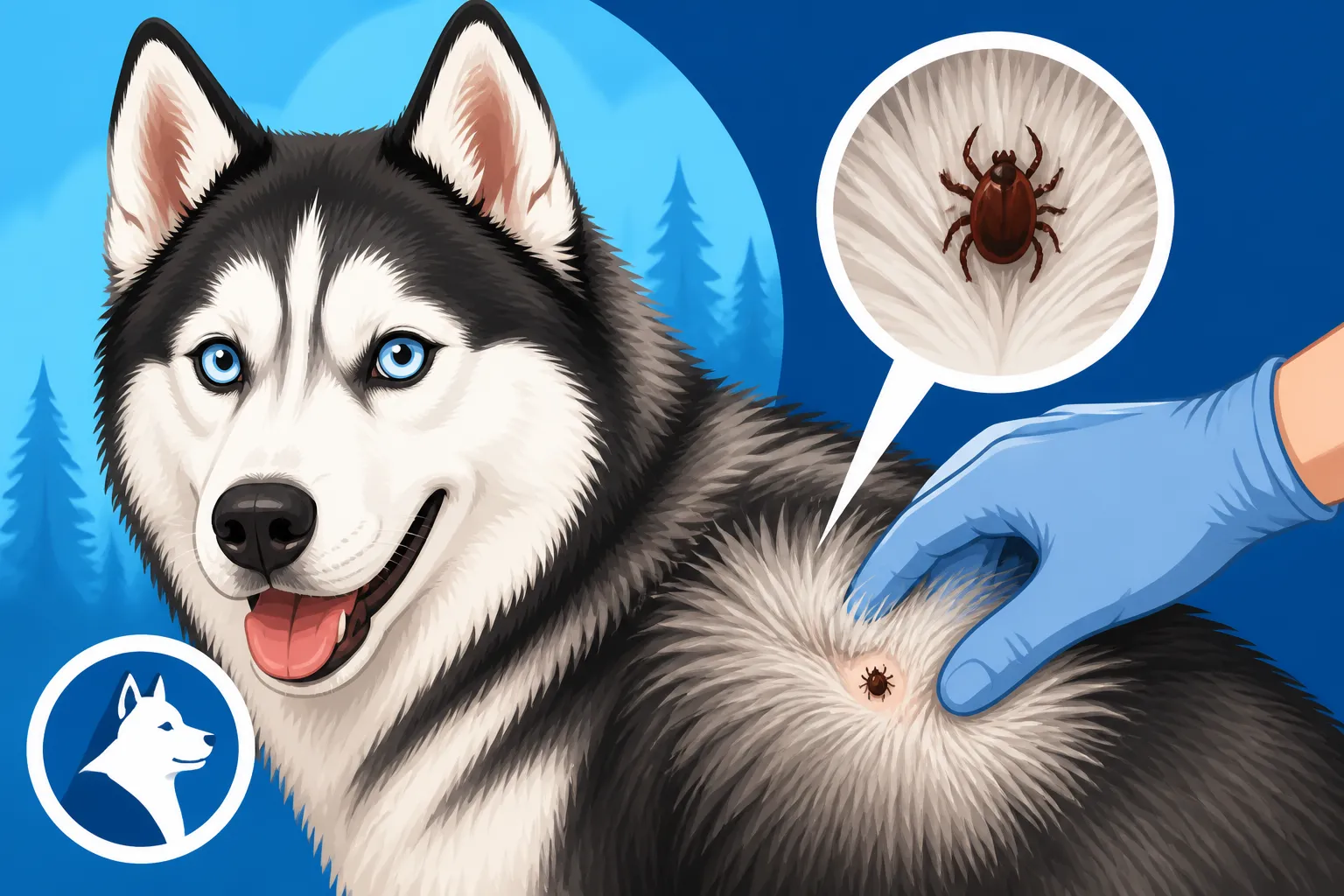
The Siberian Husky’s coat is a marvel of nature, designed to protect them from extreme cold. It's composed of two distinct layers: a soft, dense undercoat and a longer, coarser outer guard coat. The undercoat is incredibly thick, almost wool-like, and provides excellent insulation, trapping air close to the body. This density is fantastic for warmth but creates a perfect labyrinth for ticks to hide. A tick can burrow deep into that undercoat and remain virtually invisible, protected from casual glances or even light petting.
During their seasonal "coat blow" – oh, you know the one, when the fur seems to come off in clouds for weeks – the undercoat becomes even more dynamic, making it a shifting landscape for any unwelcome hitchhikers. You might find yourself doing a lot of Siberian Husky Weekly Grooming Between Blows just to keep up with the shedding, which, incidentally, also helps with tick checks.
Why Ticks Love the Husky Coat
Beyond just being a great hiding spot, the Husky's thick coat offers other advantages for ticks. It provides a warm, often humid microclimate, which ticks appreciate. The sheer volume of fur means there are countless tiny crevices and protected areas where a tick can attach without being disturbed. Think of it as a dense forest from a tick's perspective – plenty of cover, protection from the elements, and a steady supply of food right beneath their feet.
Ticks are opportunistic, and they don't care how beautiful your dog is; they just want a meal. A Husky, with its athletic build and love for the outdoors, often ventures into tick-prone areas like tall grasses, wooded trails, and dense brush, picking up ticks almost effortlessly. Once they latch on, that thick fur becomes their best friend, shielding them as they feed.
The Dangers of Missed Ticks
The problem with missed ticks goes far beyond just a creepy-crawly feeling. Ticks are notorious vectors for a host of serious diseases that can severely impact your Husky's health, and in some cases, even your own. Diseases like Lyme disease, ehrlichiosis, anaplasmosis, and Rocky Mountain spotted fever are prevalent in many areas and can cause a range of symptoms, from lethargy and joint pain to fever, anemia, and even neurological issues.
Early detection and removal are critical. The longer a tick stays attached, the higher the risk of disease transmission. For instance, the bacteria causing Lyme disease often requires the tick to be attached for at least 24-48 hours before transmission occurs. Missing a tick because it's hidden deep in that magnificent fur means it has more time to potentially infect your dog. This is why thorough, routine checks are not just good practice but a vital part of your Husky's overall health management. If your Husky does contract a tick-borne illness, having pet insurance like a plan from Healthy Paws can be a real lifesaver, helping cover the often substantial costs of diagnosis and treatment.
Essential Tools for Effective Tick Checks
You can't go into battle against these tiny parasites unprepared. Just like you wouldn't try to build a house with a spoon, you shouldn't try to find a tick in a Husky's undercoat with just your bare hands. Having the right tools makes the process much more efficient and less stressful for both you and your dog.
Grooming Tools Designed for Deep Penetration
The key here is getting through the guard hairs and into that dense undercoat. Your fingers alone simply won't cut it.
- Undercoat Rake: This is your MVP. An undercoat rake has long, sturdy teeth designed to penetrate deep into the dense undercoat without damaging the guard hairs. As you rake, it helps separate the fur, making it easier to see what's lurking beneath. Look for one with rotating teeth, as these can be gentler and prevent pulling.
- Slicker Brush: While not as good for deep penetration as a rake, a slicker brush can help further separate the topcoat and fluff up the undercoat, making it easier to visually inspect the skin. It’s also great for general grooming to keep the coat healthy.
- Fine-Toothed Comb (Flea Comb): Once you've raked and brushed, a flea comb can be surprisingly effective in more accessible areas like around the face, ears, and legs. The fine teeth will catch even tiny nymphs that might otherwise be missed. For areas like the back and sides, use it to part the fur in sections, running it down to the skin.
Remember, patience is key, and using these tools gently is essential to avoid discomfort. This regular grooming isn't just about tick checks; it's part of the general Siberian Husky Weekly Grooming Between Blows routine that keeps their coat healthy.
Lighting and Magnification
You're looking for something often smaller than a pea, camouflaged by fur, and potentially burrowed deep into your Husky's skin. Good lighting is non-negotiable.
- Bright Room Lighting: Start in a well-lit room. Natural daylight is ideal, but if that's not possible, use overhead lights that illuminate the entire workspace.
- Headlamp or Flashlight: For close-up work and getting into those hard-to-see spots, a headlamp is a game-changer. It keeps your hands free and directs a focused beam exactly where you're looking. A powerful handheld flashlight can also work.
- Magnifying Glass: For extra diligence, especially if you have an older Husky with a particularly dense coat or if your eyesight isn't what it used to be, a magnifying glass can help identify smaller ticks or nits.
Don't underestimate the power of good visibility. A missed tick isn't just an oversight; it's a potential health risk.
Tick Removal Tools
Once you find a tick, you need to remove it safely and completely. Never use your bare fingers or try to burn it off (yes, people still try that!).
- Fine-Tipped Tweezers: These are a must-have. You need tweezers that can grasp the tick as close to the skin as possible without squeezing the tick's body.
- Specialized Tick Removers: Tools like the Tick Twister or Tick Key are designed to easily slide under the tick and lever it out with a twisting motion, minimizing the risk of leaving mouthparts embedded. Many Husky owners find these indispensable for efficient removal.
- Antiseptic Wipes or Rubbing Alcohol: After removal, you'll need to clean the bite site to prevent infection. A dab of rubbing alcohol or an antiseptic wipe works well.
- Gloves: Always wear gloves when handling ticks to protect yourself from potential pathogens.
Having these tools readily available means you can act quickly and confidently, reducing stress for both you and your Husky. It's an important part of Parasite Prevention for an Outdoor Siberian Husky and essential for their well-being.
Step-by-Step Guide to a Thorough Tick Check
Okay, gear assembled, Husky (hopefully) calm and ready. Now for the nitty-gritty: how to actually perform an effective tick check on that furry landmine. This isn't a five-second once-over; it's a methodical examination.
Setting Up Your Workspace and Husky
First things first, create a calm environment. Ticks usually appear after an outdoor adventure, so your Husky might be a bit hyped up. A quiet room, perhaps with some gentle background noise, works best.
- Choose a Spot: A sturdy table or the floor can work, depending on your comfort and your Husky's size and temperament. If using a table, ensure it's non-slip.
- Gather Your Tools: Have your undercoat rake, fine-toothed comb, flashlight/headlamp, tweezers/tick remover, antiseptic, gloves, and a small container with rubbing alcohol (to drown removed ticks) all within arm's reach.
- Calm Your Husky: Offer treats, gentle praise, and a reassuring demeanor. Make it a positive experience, not a wrestling match. For some Huskies, a short grooming session that includes brushing before the focused tick check can help them relax and associate the tools with positive attention. Remember, especially with a Caring for a Siberian Husky Past Ten dog, they might have less patience for long sessions, so efficiency is key.
Systematic Examination of the Entire Body
The trick to not missing anything is a systematic approach. Imagine your Husky's body divided into sections, and go through each one meticulously. You'll be using your hands, eyes, and your grooming tools.
-
Start with the Head and Face:
- Ears: Ticks love ears, especially the warm, protected inner folds. Carefully examine the inside and outside of the ear flap, feeling for bumps. Pay extra attention around the edges and deep inside the ear canal (as far as you can see without inserting anything). Don't forget to incorporate this with your regular Cleaning a Siberian Husky's Erect Ears routine.
- Face and Muzzle: Check around the eyes, eyelids, nose, lips, and chin. Part the fur gently.
- Under the Collar: Always remove the collar and check the skin underneath. Ticks often hide here, where it's warm and dark.
-
Move to the Neck and Shoulders:
- Use your undercoat rake to part the fur down to the skin, running your fingers along the skin to feel for any bumps. Work in small sections, sweeping your fingers against the grain of the fur.
-
Chest and Front Legs:
- Thoroughly check the chest, especially around the armpits, as these are common hiding spots due to warmth and folds of skin. Extend your check down each leg, parting the fur carefully.
-
Belly and Groin Area:
- This is another prime tick location. The skin here is thinner and often less exposed, offering a perfect attachment site. Your Husky might be less keen on this area, so extra treats and patience may be needed.
-
Back and Sides:
- Systematically work your way across the back, again using the undercoat rake to part the dense fur, followed by your fingers feeling for anything abnormal. Don't rush. This is where a lot of the undercoat is densest.
-
Rear Legs and Paws:
- Check the inner and outer thighs, and especially between the paw pads and toes. Ticks love these cozy, protected spots. Check for any cuts or abrasions while you're at it, which is also important for Paw Balm for a Cracked Siberian Husky Pad use.
-
Tail and Perianal Area:
- Don't forget the tail, especially the underside and around the base. Check under the tail and around the anus and genitals.
As you go through each section, use the headlamp/flashlight to get a good visual, and let your fingers do a lot of the work, feeling for any small bumps or irregularities on the skin. Remember, ticks can be tiny, especially nymphs, so a thorough tactile search is just as important as visual inspection.
What to Do When You Find a Tick
Finding a tick can be unsettling, but quick and correct removal is crucial.
- Don Your Gloves: Always protect your hands.
- Part the Fur: Use your fingers to part the Husky's fur around the tick, exposing the skin directly beneath it.
- Grasp with Tool: Use fine-tipped tweezers or a specialized tick remover. If using tweezers, grasp the tick as close to the skin as possible, trying to get hold of its mouthparts, not its body. If using a tick remover, follow the product's instructions for sliding it under the tick.
- Pull Straight Up or Twist: With tweezers, pull steadily straight upwards without twisting or jerking. The goal is to remove the entire tick, including its mouthparts. With a tick remover, usually a gentle twisting motion is recommended until the tick detaches. Avoid squeezing or crushing the tick's body.
- Inspect the Bite Site: After removal, check the area to ensure no mouthparts are left embedded. If they are, try to remove them gently with the tweezers. Clean the area with an antiseptic wipe or rubbing alcohol.
- Dispose of the Tick: The best way to dispose of a live tick is to drop it into a small container filled with rubbing alcohol, which will kill it. Never flush ticks down the toilet; they can survive. Avoid crushing them with your bare fingers.
- Monitor the Area: Keep an eye on the bite site for a few days for any signs of infection or irritation. If it becomes red, swollen, or you notice pus, contact your vet. You should also watch your Husky for any signs of illness like lethargy, loss of appetite, or lameness, and if you have any concerns, a call to your vet is always a good idea. Your pet insurance provider, like Healthy Paws, will be able to provide details on coverage for tick-borne diseases.
Prevention and Ongoing Vigilance
An ounce of prevention is worth a pound of cure, especially when it comes to ticks and your Siberian Husky. Relying solely on manual tick checks is simply not enough given how easily ticks can hide. A multi-faceted approach is always best.
Year-Round Tick Prevention Products
The single most effective way to protect your Husky from ticks is consistent, year-round use of veterinary-approved tick prevention products. Ticks aren't just a summer problem; they can be active any time temperatures are above freezing, even in winter in many regions.
- Oral Medications: Many vets recommend oral chewables that work systemically, meaning they are ingested and circulate in your dog's bloodstream. When a tick bites your dog, it ingests the medication and dies. Brands like Bravecto, NexGard, and Simparica are popular and highly effective, typically lasting one to three months.
- Topical Spot-Ons: These are applied to the skin, usually between the shoulder blades, and spread across the dog's body. They repel and/or kill ticks on contact. Brands like Frontline Plus or K9 Advantix II are common. Ensure you apply them correctly and consistently according to the manufacturer's instructions.
- Tick Collars: Some collars release chemicals that repel or kill ticks. Ensure they are correctly fitted and check the active ingredients. While some can be effective, they may not offer full body protection, and some dogs may be sensitive to them.
Always consult your veterinarian to choose the best tick prevention product for your specific Husky, considering their lifestyle, geographical location, and any existing health conditions. This consultation is a key part of responsible pet ownership and directly ties into Parasite Prevention for an Outdoor Siberian Husky. Remember, if your Husky does pick up a disease, having pet insurance from a reputable provider such as Healthy Paws can alleviate the financial strain of treatment.
Environmental Management and Daily Habits
Beyond products, what you do around your home and during your daily outings can significantly reduce tick exposure.
- Maintain Your Yard: Keep grass mowed short, especially around fences and play areas. Trim bushes and trees, and clear away leaf litter, which are prime tick habitats. Creating a barrier of wood chips or gravel between your lawn and wooded areas can also help.
- Avoid High-Risk Areas: When out walking or hiking, try to keep your Husky on trails and away from tall grass, dense brush, and heavily wooded areas where ticks tend to lurk. If you live in an area known for ticks, reconsider off-leash excursions in untamed nature.
- Daily Checks: Even with prevention, daily quick checks, especially after walks, are a good habit. You don't need a full hour-long session every day, but a quick run-through with your hands, focusing on common areas like ears, paws, and underarms, can catch newly attached ticks before they transmit disease.
The Importance of Regular Vet Visits
Your veterinarian is your best resource for tick prevention and management. Regular check-ups are essential not just for vaccinations and general health but also for discussing current tick threats in your area and ensuring your Husky is on the most appropriate preventative regimen.
- Professional Advice: Your vet can advise on the prevalence of tick-borne diseases in your specific region and recommend the best preventative products. They can also perform blood tests to screen for these diseases, particularly if your Husky has been exposed or shows symptoms. This proactive approach is part of Siberian Husky Vet Visits by Life Stage, ensuring they're protected from puppyhood through their senior years.
- Early Detection of Disease: If, despite your best efforts, your Husky contracts a tick-borne illness, early diagnosis is crucial for effective treatment. Your vet can identify symptoms, run diagnostic tests, and prescribe the necessary medications. Pet insurance, like that offered by Healthy Paws, can be incredibly valuable in helping manage these often costly treatments, giving you peace of mind that you can afford the best care for your Husky.
By combining veterinary-prescribed prevention with diligent environmental management and thorough daily checks, you can significantly reduce the risk of ticks and the diseases they carry, allowing your Siberian Husky to enjoy their active, adventurous life to the fullest.
Common Tick Hiding Spots and Why They Are Missed
| Hiding Spot | Why Ticks Prefer It | Why It's Often Missed | Key Check Strategy |
|---|---|---|---|
| Ears (inside & outside) | Warm, dark, protected folds, thin skin | Deep folds, ear hair, quick checks overlook detailed inspection | Gently fold back ears, use light, feel edges, check inside folds thoroughly (part of Siberian Husky Dental and Ear Care) |
| Armpits & Groin | Warm, moist, skin folds, less dense fur | Easy to overlook, often covered by legs, dog may be sensitive | Lift legs gently, use fingertips to feel skin folds against the body, part fur deeply |
| Between Toes/Paw Pads | Protected, moist, often overlooked by owners | Covered by fur, dog may be sensitive to paw handling | Spread toes, check pads carefully, feel for bumps, especially after outdoor activity (Paw Balm for a Cracked Siberian Husky Pad area) |
| Under the Collar | Dark, warm, constant pressure against skin | Collar can conceal, owners might not remove collar for checks | Always remove collar, check entire neck circumference, paying attention to pressure points |
| Around Eyes & Muzzle | Thin skin, easy access for ticks, hidden by facial fur | Small ticks blend with facial hair, dog may resist face handling | Use fine-toothed comb to part fur, use magnifying glass if needed, be gentle around sensitive areas |
| Tail Base | Dense fur, often overlooked as a primary target | Difficult to see beneath thick tail fur, awkward angle | Lift tail, run fingers from base to tip, part fur along the underside |
Disclaimer
The information provided in this guide is for general informational purposes only and does not constitute veterinary advice. Always consult with a qualified veterinarian for any health concerns or before making any decisions about your pet's health or treatment.