Two De-Shedding Appointments a Siberian Husky Year
If you've ever owned a Siberian Husky, you know the "fluffocalypse" that descends upon your home twice a year. It's not just a little extra shedding; it's an absolute explosion of undercoat that can leave you wondering if you accidentally purchased a cloud instead of a dog. This guide is all about navigating those intense shedding seasons by understanding the power of professional de-shedding appointments, which can honestly be a game-changer for your sanity and your Husky's comfort.
Understanding the Siberian Husky Coat Blow
Let's be real, the Siberian Husky coat is legendary for a reason. It's a marvel of nature, perfectly designed to keep them warm in arctic temperatures, but it comes with a certain… seasonal exuberance. This isn't just everyday shedding; we're talking about a full-on "coat blow" that can make your house look like it snowed indoors, even in the middle of spring.
The Phenomenon of the Double Coat and Shedding Cycle
A Siberian Husky's coat isn't just one layer of fur; it's a magnificent double coat. You have the longer, coarser outer guard hairs, which are waterproof and protect against snow and ice. These give your Husky that beautiful, sleek look. Beneath those guard hairs lies the real powerhouse: the dense, soft undercoat. This undercoat is what provides the incredible insulation, trapping air to keep your dog warm when the temperatures drop. It’s truly a feat of natural engineering.
However, this incredible insulation comes with a catch. As the seasons change, particularly with the shift in daylight hours, your Husky's body signals it's time to adjust its insulation. When warmer weather arrives, they need to shed that thick winter undercoat to prevent overheating. Conversely, in preparation for winter, they shed the old, thinner summer coat to make way for a new, denser one. It's a continuous cycle, but those two major "blows" are when things get really intense. You'll literally see clumps of fur coming off, often in large sheets.
Why Two Major Sheds a Year?
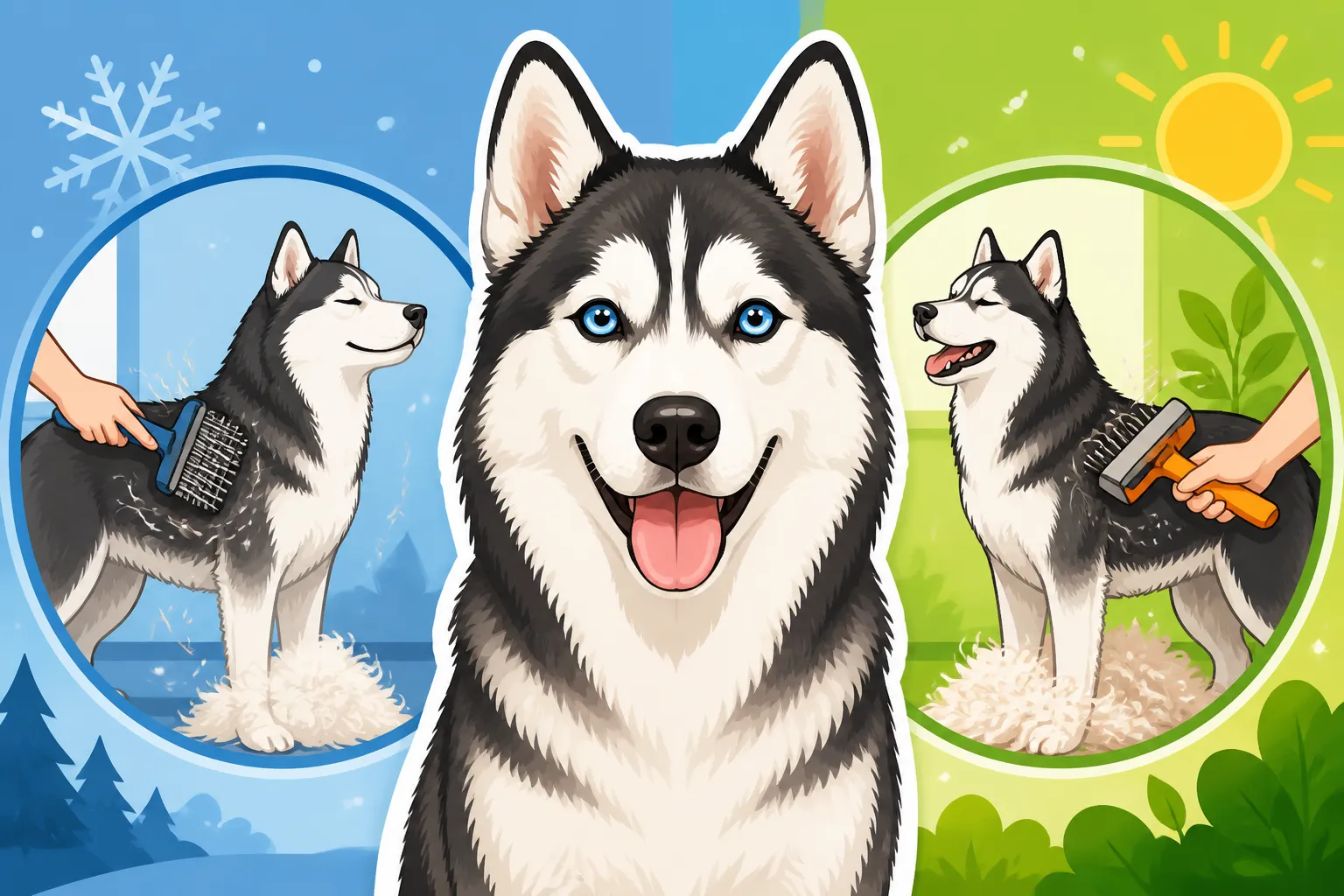
Most Siberian Huskies will experience two significant coat blows annually: one in the spring as they prepare for summer, and another in the fall to get ready for winter. These aren't just minor affairs; they are monumental events that transform your living space into a landscape of floating fur. The sheer volume of hair that comes off during these periods is often what catches new Husky owners completely off guard. You might rake out enough fur to knit a whole new dog, and still, more keeps coming!
The spring shed is often the most dramatic because they're ditching the thickest of their winter warmth. As the days get longer and the mercury rises, that dense undercoat becomes a liability. Then, in the fall, as the daylight wanes and the air cools, they start shedding again, making way for that plush, insulating winter coat. During these times, daily brushing at home is barely enough to keep up, and you might find yourself feeling overwhelmed by the constant battle against fur bunnies. It’s during these peak times that professional help can truly make a difference in managing the seemingly endless cascade of fur. You'll definitely want to read Siberian Husky Coat Blow and the Six Weeks It Lasts to get a full picture of what you're up against.
What Happens During a Professional De-Shedding Appointment
Okay, so you've experienced the shedding, you're tired of dog hair being a primary ingredient in every meal, and you're ready to call in the professionals. A proper de-shedding appointment at a reputable groomer is a specialized service designed to tackle that double coat effectively and efficiently. It's more than just a bath and a brush; it's a multi-step process that utilizes specific tools and techniques to liberate your home from the tyranny of loose fur.
The Multi-Step De-Shedding Process
When your Husky goes in for a professional de-shedding, they're typically treated to a carefully orchestrated sequence of steps. First, many groomers will start with a preliminary brush-out using specialized tools like undercoat rakes to loosen as much dead hair as possible before bathing. This initial step helps to prevent the loose fur from matting when wet and makes the subsequent steps more effective. Then comes the bath, which is far from your average backyard hose-down. Groomers use de-shedding shampoos and conditioners that are formulated to help release the undercoat. These products often contain ingredients that help lubricate the hair shaft, allowing dead hairs to slide out more easily.
After a thorough rinse, the real magic often happens with the high-velocity dryer. This isn't just for drying; it's a powerful tool that literally "blows" the loose undercoat out of your Husky's dense fur. The force of the air separates the guard hairs and pushes out all that dead, fluffy undercoat that manual brushing struggles to reach. It’s truly astonishing to see the amount of hair that comes flying off during this stage. Finally, the groomer will do a meticulous final brush-out and inspection, ensuring all remaining loose fur is removed. This process is designed to get right down to the skin, clearing out the undercoat that would otherwise end up on your furniture. For a deep dive into the yearly cycle, check out Spring and Fall Sheds in a Siberian Husky.
Benefits Beyond Just Hair Removal
While getting rid of the hair is undoubtedly the main goal, professional de-shedding offers a host of other benefits for your Siberian Husky's health and comfort. Firstly, it significantly reduces the risk of matting. That thick undercoat, if not properly shed, can easily clump and form painful mats close to the skin, especially in areas like behind the ears, armpits, and around the tail. Mats pull on the skin, causing discomfort and can even lead to skin infections if left untreated. Regular de-shedding helps prevent these issues by keeping the coat clear.
Secondly, a clean, well-maintained coat promotes better skin health. Removing all that dead hair allows the skin to breathe, reducing the likelihood of hot spots or other irritations that can occur when trapped moisture or debris sits against the skin. It also helps distribute natural oils, keeping both the skin and coat healthy and vibrant. Furthermore, by removing excess undercoat, you're helping your Husky regulate their body temperature more effectively, especially as they transition into warmer months. It allows their natural cooling mechanisms to work as intended, without the hindrance of old, insulating fur. You'd be surprised at How Much Undercoat Comes Off a Siberian Husky during one of these sessions.
The Difference Professional Grooming Makes vs. Home Efforts
Many Husky owners are diligent about brushing at home, and that's fantastic! Regular home grooming is absolutely essential for maintaining a healthy coat between professional appointments. However, there's a distinct difference between what you can achieve with a brush and what a professional groomer can accomplish with specialized tools and expertise.
Limitations of Home De-Shedding
Let's face it, even the most dedicated Husky owner has their limits when it comes to tackling a full coat blow at home. One of the biggest hurdles is the lack of professional-grade equipment. While you can invest in some fantastic tools (and we'll talk about those soon!), replicating the power of a high-velocity dryer in your bathroom is near impossible. That powerful airflow is crucial for really blasting out the deep, loose undercoat. Without it, you're largely relying on brushes and combs, which can only do so much to penetrate the dense layers.
Then there's the sheer time commitment and physical effort involved. Raking and brushing a blowing Husky for hours can be exhausting, not just for you, but for your dog as well. Plus, the mess created at home is legendary. Fur gets everywhere – on your clothes, in your hair, clinging to every surface. It feels like an unending snowstorm of dog hair. It's also challenging to reach all areas effectively, particularly if your Husky isn't keen on being brushed from every angle. You might miss spots, leading to uneven shedding or even small mats. While home grooming is vital, understanding its limitations, especially during peak shedding, helps you appreciate the value of professional help. You might be surprised to learn that Blowing Out a Siberian Husky Coat at Home is a lot harder than it sounds.
When to Schedule and How to Prepare
The ideal timing for those two crucial de-shedding appointments is typically once in early spring and once in late fall, coinciding with your Husky's natural coat blows. For most Huskies, the spring blow starts as the weather consistently warms up, usually March or April depending on your climate. The fall blow generally begins as temperatures start to drop, often September or October. Pay attention to when you start seeing that familiar explosion of fur; that's your cue to call the groomer. Don't wait until your dog is miserably shedding everywhere; try to get ahead of the curve!
When you schedule, be sure to clearly communicate that you need a full de-shedding service for a double-coated breed. Some groomers specialize in this, and it’s important they understand the unique needs of a Husky coat. Before the appointment, ensure your Husky is as comfortable as possible. A walk or some exercise beforehand can help them relax during the grooming session. If your Husky isn't accustomed to professional grooming, it's a good idea to introduce them slowly with positive experiences to make these regular appointments less stressful. Never hesitate to discuss any concerns you have about your dog’s temperament or health with the groomer beforehand. It’s also important to know Why a Shaved Siberian Husky Coat Grows Back Wrong, so you can explicitly tell the groomer not to shave your Husky.
Here's a quick comparison to highlight the differences:
| Feature | Home De-Shedding | Professional De-Shedding |
|---|---|---|
| Tools Used | Undercoat rakes, slicker brushes, combs | Professional de-shedding tools, high-velocity dryer, specialized shampoos |
| Effectiveness | Good for maintenance, surface hair removal | Deep undercoat removal, more thorough |
| Time & Effort | Time-consuming, physically demanding | Efficient, less effort for owner |
| Mess | Significant fur accumulation in home | Contained at the grooming salon |
| Skin Health | Helps, but may miss deep issues | Promotes optimal skin health, prevents matting |
| Cost | Initial tool purchase, ongoing effort | Periodic service fee |
| Frequency | Weekly/daily maintenance | 2 major appointments per year, plus touch-ups |
Managing Your Husky's Coat Between Professional Sessions
Even with two stellar professional de-shedding appointments a year, your Siberian Husky will still shed. It's just a part of their charm! The key is consistent, effective home grooming that helps manage the lighter, ongoing shedding and keeps their coat in top condition until the next big blow. This routine maintenance is crucial for preventing mats and keeping your home a little less hairy.
Essential Home Grooming Tools and Techniques
For daily or weekly maintenance between professional de-shedding sessions, investing in the right tools is paramount. An undercoat rake is your best friend. These rakes are designed with long, blunt teeth that reach through the guard hairs to gently pull out loose undercoat without damaging the topcoat. A good slicker brush can also be useful for smoothing out the guard hairs and catching any surface loose fur. For particularly dense areas or to work out small tangles, a wide-toothed comb can be effective. Many owners find great quality tools through online retailers like Chewy, which makes it convenient to stock up on everything you need.
The technique is just as important as the tools. Aim for regular, consistent brushing sessions, ideally 2-3 times a week, or even daily during lighter shedding periods. Brush in the direction of hair growth, starting from the head and working your way down to the tail and legs. Pay special attention to areas that tend to mat, like behind the ears, in the "armpits," and around the britches. Make these sessions positive experiences with praise and treats, so your Husky learns to enjoy the attention. Consistent home grooming will help you stay on top of the shedding and keep your Husky comfortable. You can dive deeper into the tools you need with Undercoat Rakes and Slickers for a Siberian Husky. Also, make sure to check Siberian Husky Weekly Grooming Between Blows for more tips.
The Impact of Diet on Coat Health
While grooming tools and professional appointments are crucial for managing the external aspects of your Husky's coat, what goes into their body plays a significant role in its overall health and appearance. A high-quality diet provides the foundational nutrients necessary for a strong, healthy coat and skin. Think of it this way: if the building blocks aren't there, no amount of brushing can make up for it.
Look for dog foods that list a high-quality animal protein as the first ingredient and contain a balanced blend of essential fatty acids, particularly Omega-3 and Omega-6. These fatty acids are vital for skin hydration and coat luster, helping to reduce dryness and promote healthy hair growth. Some premium dog food brands focus on these high-quality ingredients, which can make a noticeable difference. While brands like Ollie offer fresh, human-grade ingredients that can contribute to overall health, including coat quality, it's always best to consult with your veterinarian to find the best dietary plan for your individual Husky's needs. A well-nourished Husky typically has a shinier coat, healthier skin, and may even experience less breakage, leading to a slightly more manageable shedding cycle. For more specific dietary information, consider Fish-Based Food for a Siberian Husky Coat.
Disclaimer
This article is for general informational purposes only and does not constitute professional advice. Laws, prices and regulations vary by location and change over time. Consult a qualified professional for guidance on your specific situation.