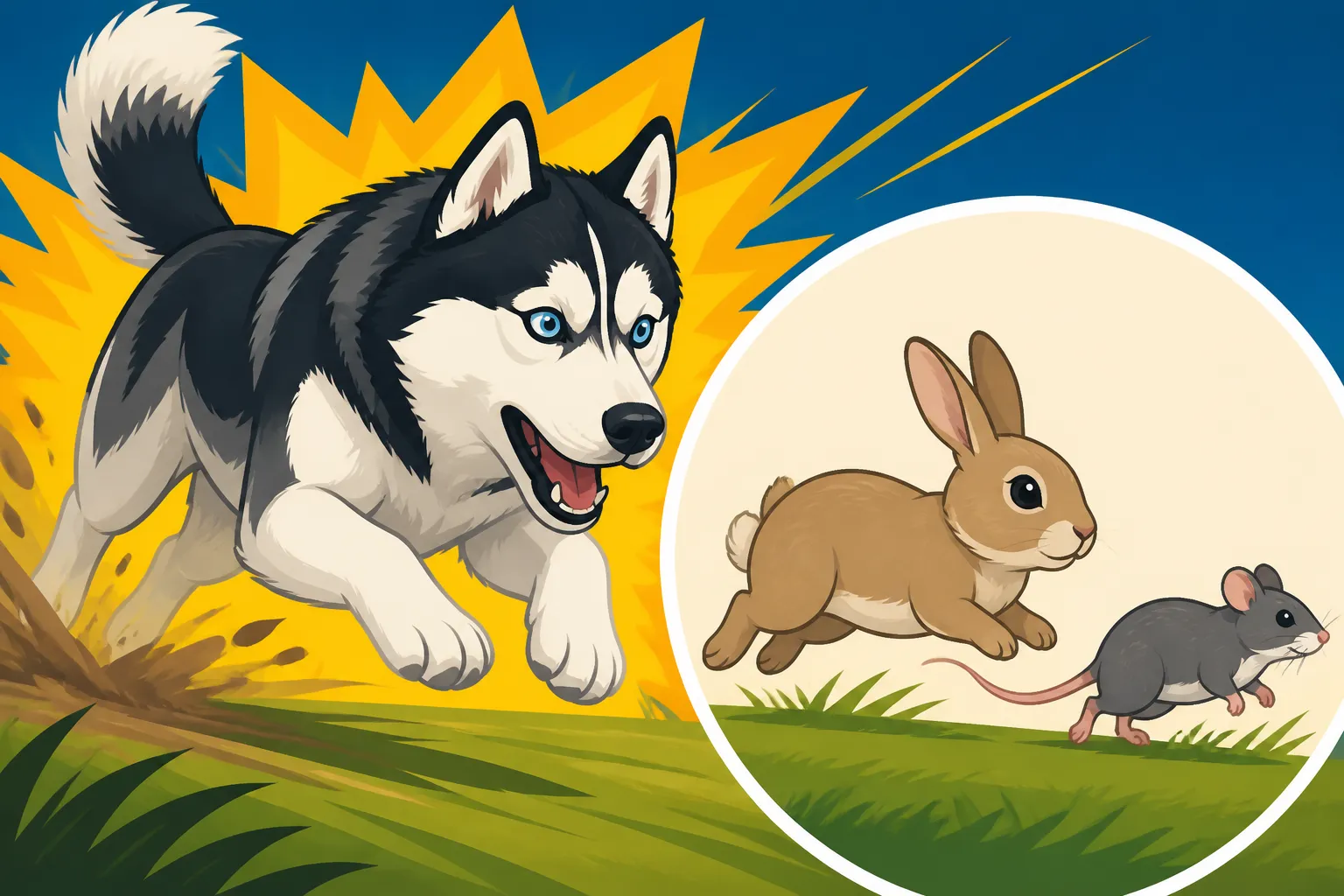
Siberian Husky Prey Drive Around Small Animals
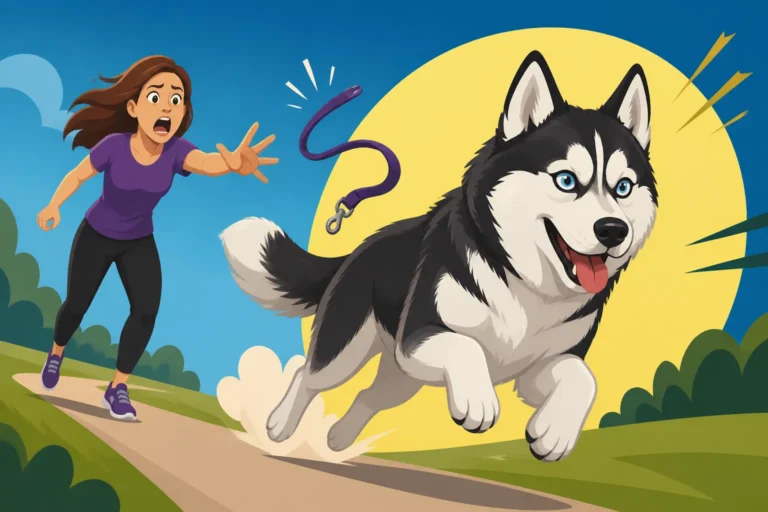
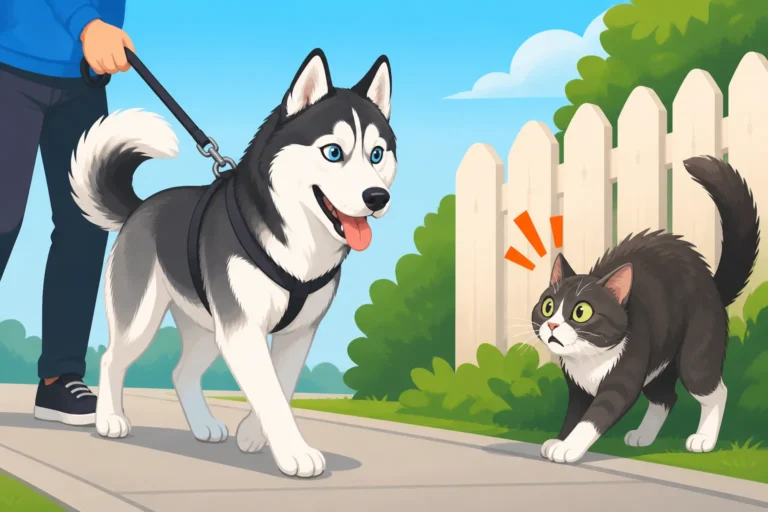
It’s a scenario that plays out in countless homes and yards, leaving many Siberian Husky owners with a knot in their stomach: that heart-stopping moment when your beautiful, intelligent, and seemingly sweet Husky locks onto a squirrel, a rabbit, or even a neighbor's cat with an intensity that shifts their entire demeanor. Understanding and managing this deeply ingrained prey drive isn't just about convenience; it's about the safety of other animals and the peace of mind for you, the owner. This comprehensive guide will walk you through the origins, manifestations, and practical strategies for living safely and happily with a Siberian Husky's powerful hunting instincts.
The Deep Roots of Siberian Husky Prey Drive
When you look into the ancient, intelligent eyes of a Siberian Husky, you're seeing a direct link to dogs bred for survival in some of the most unforgiving environments on Earth. Their ancestors were partners in the hunt, pulling sleds, yes, but also often needing to supplement their diet with whatever small game they could catch. This isn't just a quirk; it's a fundamental aspect of their genetic makeup.
A Legacy of Survival and Sustenance
Imagine the vast, frozen landscapes of Siberia, where the Chukchi people relied on their dogs for everything from transportation to companionship. Food wasn't always plentiful, and a dog's ability to hunt and scavenge for small animals like voles, Arctic hares, or birds was often the difference between life and death, not just for the dog, but potentially for the family it supported. These were not pampered house pets fed kibble; they were working animals whose instincts were honed by necessity. This history means that what we call "prey drive" today was once a highly valued trait. When your Husky fixates on a fleeing critter, they’re not being disobedient; they're simply following millions of years of perfectly reasonable, successful evolutionary programming. It’s a powerful, innate response, not something they choose to do to annoy you.
The Definition of Prey Drive in Huskies
Prey drive is essentially the instinctual sequence of behaviors that a predator exhibits when hunting prey. For Siberian Huskies, this typically includes spotting movement, orienting towards it, stalking, chasing, and, if given the opportunity, capturing and killing. It's a chain of events, and different dogs might get stuck or excel at different points in that chain. Some Huskies might just love the chase, while others have a much stronger drive to "finish" the hunt. It's a primal urge, distinct from play, though it can sometimes look similar to an untrained eye. It’s about fulfilling a deep, hardwired purpose, not just having fun. This drive is a major reason Why a Siberian Husky Cannot Be Trusted Off Leash.
Why It's More Than Just "Bad Behavior"
Many owners, especially first-timers, can misunderstand prey drive as stubbornness, naughtiness, or a lack of training. They might get frustrated when their Husky ignores commands the moment a rabbit darts across their path. However, labeling it as "bad behavior" misses the point entirely. It's an instinct that, once triggered, can be incredibly difficult to interrupt. It overrides learned commands and even personal bonds because it taps into a much deeper, more ancient part of the dog's brain. Understanding this helps us approach the issue with empathy and more effective management strategies, rather than just punishment, which often only suppresses the behavior temporarily or causes fear, without addressing the underlying drive. It’s also closely tied to The Roaming Instinct Bred Into Every Siberian Husky, as the chase can take them far from home.
Recognizing the Signs: What Husky Prey Drive Looks Like
Distinguishing between playful chasing and genuine prey drive is crucial for any Siberian Husky owner. While both involve movement and excitement, the underlying motivation and potential consequences are vastly different. Learning to read your Husky's body language and vocalizations is your first line of defense.
The Stalk, Chase, and Capture Sequence
When a Husky's prey drive is activated, you'll often see a distinct sequence of behaviors. It usually starts with an intense orientation: their ears might swivel, their head might tilt, and their eyes will lock onto the object of interest. Then comes the stalk, where their body might lower, becoming stiff and focused, often moving slowly and deliberately, almost like a coiled spring. The chase is unmistakable—a sudden burst of speed, often silent, with an unwavering focus on the fleeing animal. If they get close enough, the capture phase involves grabbing or pouncing. The key is the intensity and single-mindedness of these actions. There’s no play bow, no loose body wiggles, just pure, unadulterated focus on the "prey." For this reason, Reading a Siberian Husky Before It Fixates is a critical skill.
Vocalizations and Body Language
While some Huskies can be completely silent during a chase, others might emit specific vocalizations. This can range from a low growl or whine of anticipation during the stalk to an excited bark or even a characteristic "woo-woo" howl when the chase is on. More often, though, the body language tells the whole story. Look for:
- Stiff, rigid body posture: Unlike the loose, wiggly body of a dog wanting to play.
- Fixed stare: Eyes narrowed, unblinking, locked onto the target.
- Tail carriage: Can vary, but often held stiffly, sometimes tucked slightly in intense focus, or held high in excitement.
- Hackles raised: Hair standing up on their neck and back, indicating arousal, not necessarily aggression.
- Closed mouth, sometimes with lip-licking: Signs of intense focus and anticipation.
Differential Diagnosis: Is It Prey Drive or Play?
It can be tricky, especially for puppies or young dogs, to differentiate true prey drive from high-energy play. Here’s a quick guide to help you tell the difference:
| Feature | Play Behavior | Prey Drive Behavior |
|---|---|---|
| Body Language | Loose, bouncy, wiggly, play bows, tail wagging | Stiff, rigid, low to the ground, intense focus, stealthy |
| Eye Contact | Soft, inviting, often looking back at owner | Hard, fixed, unblinking, solely on target |
| Vocalizations | Play barks, growls that are clearly not aggressive | Often silent stalk, sudden burst, excited "woos" or barks once chase begins |
| Target Focus | Willingness to disengage, interest in owner's cues | Tunnel vision, extreme difficulty disengaging, ignores owner |
| Interaction | Reciprocal, takes turns chasing, soft mouth | One-sided, relentless pursuit, potential for hard bite/kill instinct |
| Duration | Often short bursts, breaks for rest or interaction | Can be sustained until prey is out of sight or caught |
Remember, play is reciprocal and flexible. Prey drive is typically one-sided and relentless. If there's any doubt, assume it's prey drive and act accordingly to ensure safety.
Mitigating Risk Indoors: Siberian Huskies and Household Pets
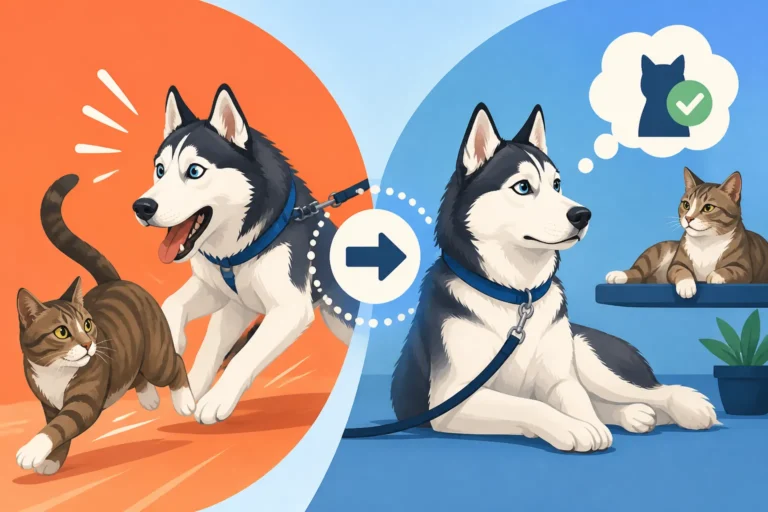
Living with a Siberian Husky and small household pets can be a delicate balance. It requires unwavering vigilance and a proactive approach to management. The goal isn't necessarily to eliminate the prey drive, which is impossible, but to manage it so that all animals can coexist safely. This is especially true when considering Siberian Huskies and Cats Under One Roof.
Introducing a Husky to Existing Small Animals (or Vice Versa)
The absolute best time to introduce a Husky to small animals like cats, ferrets, guinea pigs, or even small dogs, is when the Husky is a puppy. Socialization from a very young age, under strict supervision, can sometimes teach them that these animals are "family" and not "prey." However, even then, never assume that socialization completely overrides instinct. Even a well-socialized Husky might react if a small animal makes a sudden, darting movement.
If you're bringing an adult Husky into a home with small pets, or a new small pet into a Husky home, the process must be slow and meticulously controlled.
- Separate Spaces: Initially, ensure your small pets have their own safe zones, completely inaccessible to the Husky. This might mean baby gates, closed doors, or even dedicated rooms.
- Scent Swapping: Let them get used to each other's scent by swapping bedding or toys.
- Controlled Visuals: Use crates, baby gates, or glass doors to allow them to see each other from a distance, always under close supervision. Reward calm behavior.
- Leash Introductions: For supervised in-person introductions, the Husky should always be on a sturdy leash and harness. Keep sessions short and positive. Never force interaction.
- No Free-Roaming: Until you are absolutely, 100% certain (and even then, maintain vigilance), never allow your Husky to free-roam with small pets unsupervised. A momentary lapse can have tragic consequences.
Strict Management for Peaceful Coexistence
"Management, not training, is the key" is a common mantra for high-prey-drive breeds. This means creating an environment where opportunities for the prey drive to manifest dangerously are eliminated. This isn't about teaching them not to feel the urge, but about ensuring they cannot act on the urge.
- Scheduled Interactions: Only allow interaction between your Husky and smaller pets during specific, highly supervised times.
- One-on-One Supervision: Never leave a Husky alone with a small animal, even for a moment. This includes just stepping out of the room to grab something.
- Designated Safe Zones: Ensure small pets have multiple escape routes and safe havens they can access instantly, like cat trees, high shelves, or small tunnels.
- Leash Indoors: If your Husky struggles with impulse control even inside, consider keeping them on a leash when small animals are out, or use a drag line that you can grab quickly.
The Role of Crates and Physical Barriers
Crates and physical barriers are your best friends in a multi-species household. A secure crate, placed in a central area but allowing the Husky to observe household activity, can be invaluable. It provides a safe space for your Husky and a necessary barrier for your smaller pets. Remember, for a Siberian Husky, a standard wire crate might not be enough if they are determined. Many Huskies are escape artists, and investing in a heavy-duty, reinforced crate (you can find excellent options on Amazon) is often a necessity. Crating a Siberian Husky That Bends the Bars is a real concern for many owners.
Beyond crates, strategically placed baby gates, especially pressure-mounted extra-tall gates, can partition your home into safe zones. Consider Dutch doors for rooms containing small pets, allowing you to close the bottom half while keeping the top open for airflow and visual connection. These barriers are not just about separating animals; they are about preventing impulse-driven accidents and providing a secure environment for everyone.
Navigating the Outdoors: Managing Prey Drive on Walks and in the Yard
The outdoor world presents an even greater challenge for managing a Siberian Husky's prey drive. The abundance of potential "prey" – squirrels, rabbits, birds, stray cats – means that vigilance needs to be at an all-time high. A moment of distraction can lead to your Husky disappearing over the horizon in pursuit, with potentially devastating consequences.
The Dangers of Uncontained Outdoor Spaces
Allowing a Siberian Husky off-leash in an unfenced area, or even in a yard with inadequate fencing, is an invitation for disaster. Their The Roaming Instinct Bred Into Every Siberian Husky combined with their strong prey drive means they can cover vast distances incredibly quickly. Once they catch the scent or sight of something moving, their recall can disappear faster than you can say "treat!" The dangers range from traffic accidents, getting lost, encountering aggressive dogs, or, most distressingly, injuring or killing wildlife or domestic animals. For this reason, whether a Siberian Husky can be trusted off leash is almost universally answered with a resounding "no."
It's not just about what they might catch; it's also about the risks they face. A Husky chasing a rabbit might dart into traffic without a second thought. They might encounter a territorial dog or a protective parent animal, leading to injury for your Husky. The legal and emotional fallout of a Husky harming another animal, whether wildlife or a neighbor's pet, is something no owner wants to face.
Secure Fencing and Supervision Imperatives
If you have a yard, it absolutely must be escape-proof for a Siberian Husky. This means at least a six-foot fence, preferably higher, made of sturdy materials like solid wood or heavy-gauge chain link. However, height alone is often not enough. Huskies are notorious diggers and climbers.
- Digging Prevention: Install an L-footer or bury chicken wire along the base of your fence, extending it at least 1-2 feet horizontally underground. This prevents them from digging their way out. This is why Burying Fence Wire Against a Digging Siberian Husky is so vital.
- Climbing Prevention: Ensure there are no footholds or objects near the fence that they can use to climb over. Some creative owners even install "coyote rollers" along the top of fences to prevent climbing.
- Gate Security: Gates must be securely latched and ideally locked. Huskies are clever and can learn to open simple latches.
Even with the most secure fence, never leave your Siberian Husky unsupervised in the yard if you know there's wildlife present or if they have a history of escapes. Your presence allows you to interrupt behavior, reinforce boundaries, and ensure any attempts at escape are thwarted immediately.
Leash Protocols and Equipment Choices
When walking your Husky, a secure leash and harness setup is paramount. A simple collar is easily slipped if they lunge after prey, and it also puts undue pressure on their neck.
- Harness Type: Opt for a well-fitting, escape-proof harness. Many owners find front-clip harnesses helpful for managing pulling, as they redirect the dog's momentum back towards you. Brands found on Amazon often offer a variety of sturdy, multi-clip harnesses designed for strong pullers.
- Leash Type: A strong, non-retractable leash (preferably 6 feet long for good control) is essential. Avoid retractable leashes, which offer poor control and can snap or cause rope burns if your Husky suddenly bolts.
- Double Leashing: For Huskies with extremely high prey drive or those in new, unpredictable environments, consider using two leashes simultaneously—one attached to a collar and one to a harness—for added security.
- Situational Awareness: Always be scanning your environment. If you see a squirrel or rabbit ahead, cross the street, change direction, or create a barrier between your Husky and the potential trigger. This proactive approach can prevent the prey drive from even being ignited.
Training Strategies for a High-Prey-Drive Husky
While management is crucial for safety, strategic training can help build better impulse control and teach your Husky to respond to you, even when temptations are present. This isn't about extinguishing the drive, but about giving your Husky alternative, desirable behaviors.
Building a Rock-Solid Recall and Emergency Stop
A reliable recall is the holy grail for any dog owner, but it's especially challenging and critical for a Husky with prey drive. It's often said that a Husky's recall is merely "optional." However, with consistent, high-value training, you can significantly improve it, even if you can never guarantee perfection off-leash.
- High-Value Rewards: Forget dry kibble. For a Husky, recall rewards need to be absolutely irresistible—think boiled chicken, cheese, or hot dogs.
- Start in Low-Distraction Environments: Begin practicing recall in your home or a securely fenced, familiar yard, gradually introducing mild distractions.
- Long Line Practice: Once your Husky has a good recall indoors, move to a long line (20-50 feet). This allows them to experience more freedom while you retain control. This is the essence of Starting Long Line Work With a Siberian Husky. Practice your recall word frequently, always making it a positive, rewarding experience.
- Emergency Stop: Teach an "emergency stop" or "down-stay" from a distance. This command tells your Husky to immediately drop and stay in place, regardless of what they are pursuing. This can be a lifesaver. This requires immense dedication and consistency, and platforms like BAXTER & Bella offer comprehensive online courses that guide you through these advanced obedience steps, often with video demonstrations that can be invaluable for visual learners.
The key to Building a Siberian Husky Recall Word From Scratch is consistency and making yourself more interesting and rewarding than any potential prey.
Impulse Control and "Leave It" Commands
Teaching "leave it" and other impulse control exercises can give your Husky the mental tools to resist their urges.
- "Leave It": Start by placing a low-value treat on the floor and covering it with your hand. When your Husky looks away from it, reward them with a higher-value treat from your other hand. Gradually increase the difficulty by uncovering the treat, then placing it on the floor and walking past it. The goal is for them to understand that ignoring the tempting item leads to a better reward from you.
- Door Manners: Practice "wait" at doors and gates. This teaches them that bursting through an opening is not allowed, helping prevent escapes and accidental encounters with small animals outside.
- Wait for Food: Making them wait patiently for their food bowl teaches valuable patience and self-control, which can transfer to other situations.
These exercises build a foundation of self-control, making your Husky more responsive to your commands when their prey drive is triggered. It’s all about Rewards That Beat the Siberian Husky Chase Instinct.
Channeling Instincts Through Appropriate Outlets
Since you can't eliminate prey drive, you can channel it into safe and appropriate activities. This provides mental and physical stimulation, fulfilling their innate needs without endangering other animals.
- Flirt Poles: These are excellent for mimicking the chase and capture sequence. A flirt pole is a long pole with a lure (a toy or rag) attached to a rope. You can drag and wiggle the lure, letting your Husky chase and "catch" it. This is a controlled outlet for their predatory instincts.
- Interactive Toys: Strong, durable puzzle toys (many available on Amazon) that dispense treats can engage their minds and satisfy their desire to "work" for food.
- Lure Coursing: If available in your area, lure coursing events are specifically designed to let sighthounds and other prey-driven dogs chase a mechanical lure in a safe, fenced environment. This is an incredible outlet for their natural instincts.
- Scent Work/Nose Work: Training your Husky to use their nose to find hidden treats or toys can be incredibly mentally stimulating and tiring, tapping into their natural hunting senses in a constructive way.
- Harness Sports: Activities like canicross, bikejoring, or even recreational sledding (if you have snow!) allow your Husky to engage their desire to run and pull, providing a fantastic physical and mental workout. How Much Exercise a Siberian Husky Really Needs often means more than just a walk around the block.
Essential Safety Measures and Containment
Beyond training, establishing robust safety protocols and containment measures is non-negotiable for a Siberian Husky with prey drive. It's about layers of protection to minimize risks.
Double-Checking Your Home and Yard Security
Think like a Husky trying to escape or get to something. Walk around your home and yard daily, looking for potential vulnerabilities.
- Doors and Windows: Ensure all doors are closed and locked when not in use. Huskies are incredibly adept at opening door handles or pulling on levers. Window screens should be sturdy, not flimsy, as a determined Husky can push through them.
- Gates and Latches: Check gate latches for rust or weakness. Add secondary locks, such as barrel bolts or carabiners, to prevent accidental openings or clever escapes.
- Indoor Pet Zones: Routinely inspect crates, baby gates, and any barriers separating your Husky from smaller pets. Are they still secure? Is there any damage your Husky might exploit? Small pets should never be left within reach or sight without a solid, impenetrable barrier.
- Guest Awareness: Inform all visitors and guests about your Husky's prey drive and the strict rules for keeping doors closed and small pets contained. A well-meaning visitor who accidentally leaves a gate open can lead to catastrophe.
Emergency Preparedness: What If an Incident Occurs?
Despite all precautions, accidents can happen. Being prepared for an emergency is crucial.
- Immediate Separation: Know how to safely and quickly separate your Husky from a smaller animal without putting yourself in harm's way. This might involve a verbal command, a loud noise to startle them, or physically intervening with a barrier if safe to do so. Never put your hands between fighting animals.
- First Aid: Have a pet first aid kit readily available for both your Husky and any smaller pets. Know basic first aid for bites and scratches.
- Emergency Vet Contact: Have your veterinarian's emergency contact information, and that of the nearest 24-hour animal hospital, readily accessible. Time is often critical in such situations.
- Leash and Muzzle Readiness: Keep a sturdy leash and, if necessary, a muzzle (properly fitted and conditioned) near entryways for quick use in an emergency or when anticipating a high-risk situation.
Devices and Tools to Aid Management
A range of products can assist in managing a Husky's prey drive, making your life easier and safer.
- GPS Trackers: For Huskies prone to escape or if you live in an area with unfenced land nearby, a GPS tracker (easily found on Amazon) can be a lifesaver for locating a lost Husky quickly. They are not a substitute for containment but an extra layer of protection.
- High-Quality Crates: As mentioned, investing in a heavy-duty crate from a reputable brand can prevent escapes and give you peace of mind when you can't actively supervise.
- Interactive Feeders: Slow-feeder bowls or puzzle toys that make your Husky "work" for their food can provide mental stimulation and slow down eating, which is beneficial for their overall well-being.
- Long Lines: A long line is indispensable for training recall in a semi-controlled environment, allowing your Husky to explore while you maintain a safety connection.
- Secure Harnesses: A well-designed harness that prevents slipping and gives you control during lunges is crucial for walks. Many brands focus on escape-proof designs, recognizing the unique needs of Houdini-like breeds.
When Professional Intervention Becomes Necessary
Sometimes, despite your best efforts, managing a Husky's prey drive can feel overwhelming or dangerous. This is when it's time to swallow your pride and seek professional help. There's no shame in admitting you need expert guidance.
Identifying When You're Out of Your Depth
It's natural to feel like you should be able to handle your own dog, but some situations demand more expertise than a typical owner possesses. You should consider professional intervention if:
- Incidents are recurring: Despite management, your Husky repeatedly escapes or has dangerous encounters with other animals.
- Escalating behavior: The intensity or frequency of the prey-driven behavior is increasing.
- Fear or Anxiety: You or your family members feel constantly anxious or fearful about potential incidents.
- Injury to animals: Your Husky has injured or killed another animal, regardless of size. This is a serious indicator that current methods are insufficient.
- Lack of progress: You've been consistently applying training and management strategies but see no improvement in your Husky's impulse control or responsiveness.
- Stress on Household: The constant vigilance and management are causing significant stress or strain on your household dynamic, making it hard to enjoy your dog.
Finding a Qualified Trainer or Behaviorist
Not all dog trainers are equipped to handle high-prey-drive breeds or severe behavioral issues. It's crucial to find a professional with the right experience and methodology.
- Look for Certified Professionals: Seek out certified professional dog trainers (CPDT-KA) or, for more severe cases, certified dog behaviorists (CDBC) or veterinary behaviorists (DACVB). These individuals have specific education and experience in behavior modification.
- Experience with Northern Breeds: Ask specifically about their experience with Siberian Huskies or other northern breeds known for strong prey drive. A trainer who understands the unique temperament of these dogs will be far more effective.
- Positive Reinforcement Focus: Ensure their methods are rooted in positive reinforcement. Aversive tools (like shock collars) are not only inhumane but often counterproductive for Huskies, who tend to shut down or become more reactive under pressure, making Whether a Shock Collar Belongs on a Siberian Husky a definite no.
- In-Home Consultations: For prey drive issues, in-home consultations can be incredibly beneficial, as the behavior often occurs in the home environment or immediately outside it.
- References: Ask for references and don't hesitate to contact them.
Platforms like BAXTER & Bella, while offering DIY training resources, also often provide guidance on when and how to seek professional, in-person help, emphasizing the limits of online courses for severe behavioral challenges.
Realistic Expectations for Modification
It's important to set realistic expectations. You are working with an instinct, not a simple habit.
- Management is Primary: A professional will reinforce that management remains the cornerstone of living with a high-prey-drive Husky. Training helps, but robust physical barriers are still your main defense.
- No "Cure": Prey drive cannot be "trained out" of a Husky. It's an innate part of their genetic makeup. The goal is to modify behavior, improve impulse control, and teach alternative responses, not to eliminate the instinct itself.
- Lifelong Commitment: Managing prey drive is a lifelong commitment. There will be good days and bad days, and vigilance cannot waver.
- Small Victories: Celebrate small victories—a successful "leave it" command during a walk, a calm encounter near a small pet, or a smooth introduction to a new animal. Every step forward is progress.
A professional can help you develop a tailored plan, teach you new handling skills, and provide the ongoing support needed to ensure a safe and harmonious environment for your Husky and all other animals.
Living Long-Term with a Husky's Instincts
Embracing the reality of your Siberian Husky's prey drive and integrating careful management into your daily life is the path to long-term success and peace of mind. It's about respect for their heritage and responsibility as an owner.
The Ongoing Commitment to Management
Living with a high-prey-drive Husky means accepting that vigilance is not a temporary phase, but a permanent aspect of your ownership.
- Consistency is Key: Every member of the household must be consistent with rules, boundaries, and supervision. A single lapse can undermine weeks or months of diligent effort.
- Routine Checks: Make it a habit to routinely check gates, leashes, harnesses, and the security of small animal enclosures. This proactive approach prevents accidents before they happen.
- Education: Continually educate yourself about canine behavior, new training techniques, and potential risks. The more informed you are, the better equipped you'll be to handle various situations.
- Adapting to Changes: As your Husky ages, their energy levels and physical capabilities might change, but their instincts will likely remain. You might need to adapt your management strategies over time. For example, an older Husky might be slower to react, but still capable of a quick lunge if the opportunity presents itself.
Enrichment That Satisfies Without Endangering
Providing outlets for your Husky's natural instincts is vital for their mental well-being. A bored or under-stimulated Husky is more likely to create their own "fun," which often involves unwanted behaviors like escape attempts or destructive chewing.
- Structured Play: Engage in structured play sessions that mimic hunting. Flirt poles are fantastic for this, allowing them to chase, catch, and "kill" a toy safely. Regularly cycling through different toys can keep them engaged.
- Scent Games: Hide-and-seek with treats or toys uses their powerful sense of smell, tapping into their hunting heritage in a non-destructive way. Scatter feeding their meals in the yard (a secure one, of course!) can also provide enrichment.
- Physical Exercise: Regular, vigorous exercise is non-negotiable. This could be long runs, hikes on leash, or harness sports like canicross or bikejoring. A physically and mentally tired Husky is generally a well-behaved Husky.
- Training Challenges: Continue to challenge your Husky with new tricks, obedience commands, or even dog sports like agility or rally (with careful consideration of other dogs/animals present). Mental work is just as important as physical exertion.
Understanding Your Husky's Unique Personality
While prey drive is a breed trait, every Siberian Husky is an individual. Some may have a stronger drive than others. Some might learn to coexist with a cat, while others can never be trusted.
- Observe and Learn: Pay close attention to your Husky's specific triggers, body language, and reactions. The more you understand their individual personality, the better you can anticipate situations and manage them effectively.
- No Guarantees: Never assume your Husky is "over" their prey drive, even after years of good behavior. One wrong move, one unexpected trigger, can bring it right back to the surface.
- Embrace the Challenge: Owning a Siberian Husky, especially one with strong prey drive, is a commitment to a unique and often challenging canine companion. But with dedication, understanding, and consistent effort, you can provide a fulfilling life for your Husky while keeping all animals safe. It's about finding harmony with their wild side, not trying to extinguish it entirely.
Disclaimer
This article is for general informational purposes only and does not constitute professional advice. Laws, prices and regulations vary by location and change over time. Consult a qualified professional for guidance on your specific situation.