Giving a Siberian Husky a Job in Harness
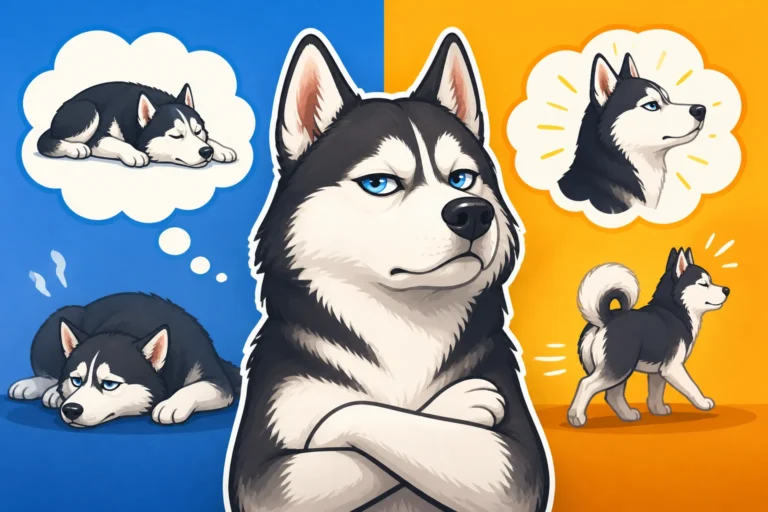
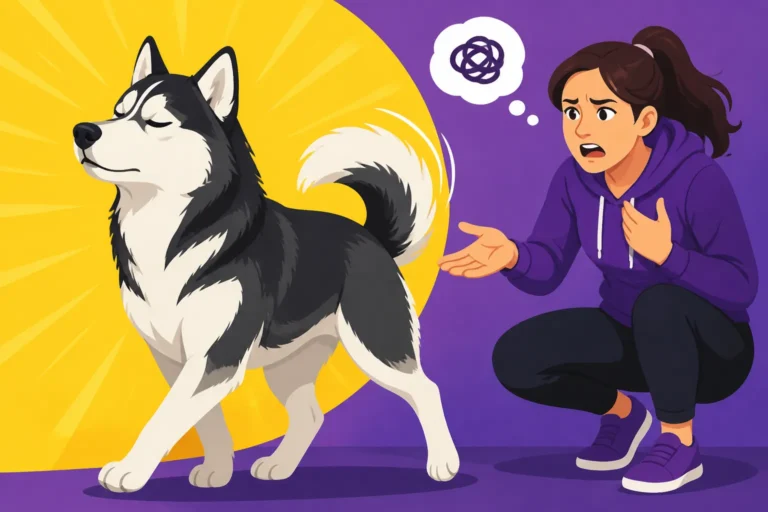
It’s a common frustration: you have this magnificent Siberian Husky, bursting with energy, and all they seem to want to do is pull your arm out of its socket on walks. But what if I told you that very instinct to pull isn’t a problem to be corrected, but a powerful drive that, when channeled correctly, can transform your dog into a happy, engaged working partner? This guide will dive deep into understanding and nurturing your husky's innate desire to work in harness, turning that "stubborn" pulling into a magnificent collaborative effort that benefits both of you.
Understanding the Siberian Husky's Drive to Work
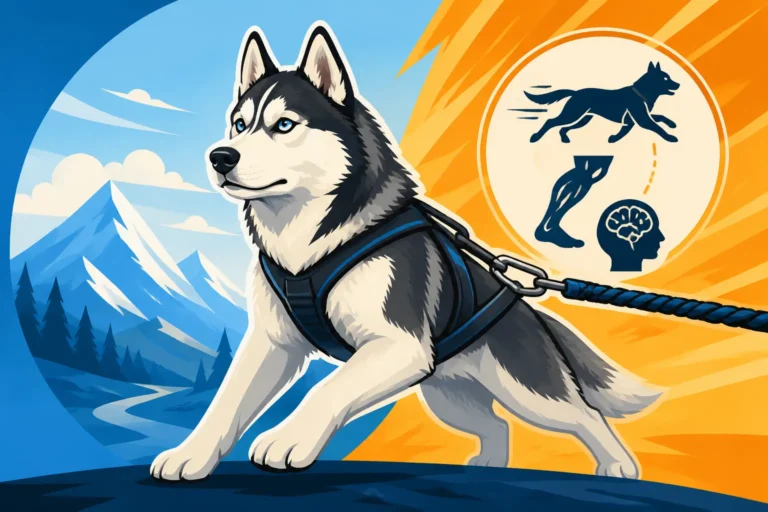
Siberian Huskies weren't bred to be couch potatoes. Their ancestors, developed by the Chukchi people in Siberia, were essential survival partners, pulling light loads quickly and efficiently over vast, frozen landscapes. This isn't just a historical footnote; it’s hardwired into their very being. When your husky pulls on the leash, they aren't being "naughty"; they're simply responding to an ancient, deeply ingrained instinct that says, "I can go faster, and I can pull this!"
The Instinct to Pull: It's in Their DNA
Think about it: for thousands of years, the survival of the Chukchi people depended on their dogs' ability to cover ground quickly, often carrying supplies or people through blizzards and extreme cold. These dogs were selected, generation after generation, for their endurance, their resilience, and their willingness to pull. They weren't bred to heel politely at your side; they were bred to move forward with purpose and strength. This deep-seated urge to pull against resistance is why simply telling a husky "no pull" on a regular flat collar often feels like fighting a losing battle. You're asking them to deny a fundamental part of their genetic makeup.
When a husky feels the tension of a leash on a collar, many interpret it not as a signal to slow down, but as an indicator that it's time to engage their pulling muscles. It's almost an invitation to lean into it. This is why a simple walk can become a tug-of-war, leaving many owners feeling exhausted and defeated. Understanding that this isn't defiance but instinct is the first step toward working with your husky, not against them. It shifts the entire dynamic from conflict to cooperation.
More Than Just Exercise: Mental Stimulation
Beyond the physical exertion, providing a husky with a "job" in harness offers crucial mental stimulation. These are intelligent, problem-solving dogs. While they might seem independent or "stubborn," as described in Training an Independent Siberian Husky, much of that comes from their ability to think for themselves and make decisions in a working environment. Simply going for a walk, even a long one, might not fully satisfy their complex needs. A walk primarily provides physical exercise, but working in harness engages their minds by requiring focus, understanding cues, and learning to work as part of a team, whether that team is just you or a small pack.
Imagine a husky whose sole daily activity is a walk around the block. They might come home physically tired, but their mind is still buzzing. This pent-up mental energy can lead to destructive behaviors, excessive howling, or endless attempts to escape. Now, picture that same husky pulling a person on a bike or a sled. They are not only expending energy but are also mentally engaged, responding to commands, navigating terrain, and understanding their role. This kind of mental engagement is incredibly satisfying for them, leading to a calmer, more content dog at home. It taps into their inherent purpose, providing a sense of accomplishment that a simple walk rarely delivers.
Why a Harness, Not a Collar, is Essential for Work
If your husky is going to pull, it needs to be done safely and effectively. This means saying goodbye to the idea of a standard neck collar for pulling work and embracing the power of a purpose-built harness. The difference is night and day, not just for comfort and safety, but for how your husky perceives the activity itself. As highlighted in Teaching a Siberian Husky the Difference Between Pull and Walk, distinguishing between everyday walks and dedicated pulling activities is crucial.
The Dangers of Collar Pulling
Using a traditional flat collar or even a choke/prong collar for a husky that pulls heavily can lead to serious physical harm. Huskies have strong necks, but their throats are still vulnerable. Constant pressure from pulling on a collar can cause:
- Tracheal Damage: The trachea (windpipe) can be bruised, collapsed, or suffer long-term irritation, leading to coughing or difficulty breathing.
- Thyroid Issues: Some theories suggest prolonged neck pressure might impact the thyroid gland, although more research is needed here.
- Esophageal Damage: While less common than tracheal issues, the esophagus can also be affected, making swallowing painful.
- Eye and Head Pressure: Extreme pulling can increase pressure in the eyes, which can be particularly concerning for breeds prone to eye conditions like those discussed in Siberian Husky Eye Disease and the Annual Exam. It can also contribute to headaches or general discomfort.
- Neck and Spinal Injuries: Repetitive jerking or sudden stops while pulling on a collar can cause strains or more severe injuries to the cervical spine.
Beyond the physical dangers, constant collar pulling creates a negative association with walks. It becomes a battle of wills, fostering resentment rather than partnership. The dog is constantly being corrected or feeling discomfort, which can diminish their desire to engage in activity with you. It’s simply not fair to a dog whose instincts are so strong to punish them for doing what comes naturally.
The Right Harness for the Job
The key to safe and effective pulling is the right harness. These aren't your everyday "no-pull" harnesses designed to stop pulling by redirecting force. Instead, they are engineered to allow and optimize pulling, distributing weight evenly and comfortably across the dog's chest and shoulders, rather than their neck.
There are several types of harnesses suitable for various pulling activities:
- X-Back Harness: This is the classic sled dog harness. It's designed for serious pulling, distributing the load across the chest, shoulders, and along the back, connecting to a towline at the dog's rump. The "X" shape across the back allows for maximum freedom of movement in the shoulders and hips. These are ideal for sustained pulling activities like sledding, canicross, bikejoring, and scootering.
- H-Back Harness: Similar to the X-back but with a more open back design, sometimes preferred by dogs with certain builds or sensitivities.
- Adjustable Multi-Sport Harness (e.g., a "Freemotion" style): These are often more adjustable and versatile, making them excellent for recreational harness sports. They lift the attachment point higher on the back, allowing for a natural gait while pulling and are good for activities where the line might come from slightly above, like canicross with a belt.
- Weight Pulling Harness: These are specifically designed for competitive weight pulling, focusing on distributing extreme loads and preventing injury under heavy strain. They are usually heavily padded and have a very low attachment point.
When selecting a harness, fit is paramount. A poorly fitting harness can chafe, restrict movement, or cause injury. The harness should allow full range of motion in the shoulders and hips, and the neck opening should be snug but not tight. The length should ensure the pulling force is transmitted from the strong back muscles, not the delicate last ribs. Many reputable brands offer detailed sizing guides, and it's always best to measure your dog carefully. You can find a variety of high-quality pulling harnesses on platforms like Amazon, making it easy to compare options and find one that fits your husky perfectly.
| Harness Type | Primary Use | Key Features | Ideal For |
|---|---|---|---|
| X-Back Harness | Sledding, Canicross, Bikejoring | Distributes weight evenly across chest, shoulders, and back; rear attachment | Serious, sustained pulling activities; traditional sledding |
| Adjustable Multi-Sport | Canicross, Bikejoring, Scootering | Highly adjustable for fit; slightly higher rear attachment for natural gait | Recreational harness sports; adaptable to various activities and dog builds |
| Weight Pulling Harness | Competitive Weight Pulling | Heavy padding; very low attachment point for maximum leverage and safety | Specialized sport of weight pulling; not for general recreational use |
| Hiking/Backpacking Harness | Carrying gear on hikes | Padded saddlebag compartments; secure, comfortable fit over torso | Dogs carrying their own water/food on trails; not designed for pulling loads |
Choosing the right harness is an investment in your husky's well-being and your shared enjoyment of a working relationship.
Getting Started with Harness Training
Once you have the right harness, the real fun begins! Introducing your husky to harness work is a process that requires patience, positive reinforcement, and clear communication. Remember, these are intelligent dogs, but they need to understand what you're asking of them. Resources like those offered by BAXTER & Bella can be invaluable for breaking down complex training steps into manageable, positive experiences.
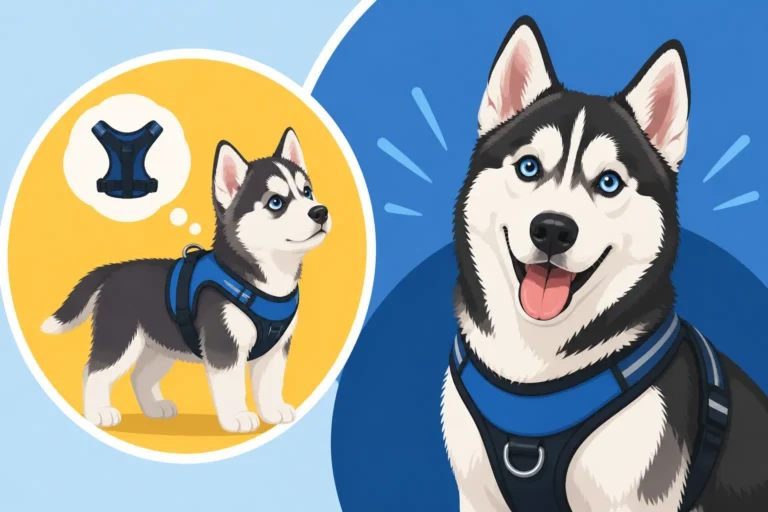
Introducing the Harness: Making It Positive
For some huskies, a harness is just another piece of gear. For others, it might feel strange or restrictive at first. The goal is to create a positive association from day one.
- Start with Short, Happy Sessions: Don't just throw the harness on and expect your husky to understand. Let them sniff it, reward them with treats, and praise them.
- Practice Putting It On and Taking It Off: Do this several times a day, even if it's just for a minute. Pair it with high-value treats and enthusiastic praise. This helps them understand that the harness coming out is a good thing.
- Wear It Around the House: Once your husky is comfortable with the harness, let them wear it for short periods inside. Supervise them to ensure it fits well and isn't causing any discomfort. Distract them with toys or a chew bone.
- First "Pulling" Experience: Attach a light towline to the harness, and let them drag something small and light, like a plastic bottle on a string, or even just the empty line, while you walk alongside them. Praise them for moving forward with the harness on. Keep it fun and low-pressure.
The key is never to force it. If your husky is resistant, go back a step. The harness should signify fun, purpose, and delicious rewards, not stress or discomfort. Remember that consistent, positive experiences will build their confidence and eagerness to work.
Basic Cues for Pulling: Gee, Haw, Whoa
Unlike regular obedience where "heel" is king, harness work uses specific directional and speed cues that hark back to traditional mushing. Teaching these cues establishes a clear language for your husky when they are in their working mindset.
- "Gee" (pronounced "jee"): Turn right.
- "Haw" (pronounced "haw"): Turn left.
- "Whoa": Stop. This is your emergency brake and should be practiced diligently.
- "Hike!" or "Let's Go!": Start pulling.
- "Easy" or "Slow": Reduce speed.
- "On By": Ignore distractions and continue forward. This is incredibly useful for Siberian Husky Prey Drive Around Small Animals or when passing other dogs.
Start teaching these cues without the harness first, in a low-distraction environment. Use hand signals along with verbal commands. For "Gee" and "Haw," you can lure them with a treat, then give the command as they turn, rewarding heavily. For "Whoa," practice by taking a few steps, saying "Whoa," and stopping yourself, rewarding them when they stop with you. Only introduce these cues with the harness once your husky understands them reliably in a relaxed setting. Consistency is paramount; always use the same words and signals for the same actions.
Starting Light: Weight and Distance
You wouldn't ask a beginner weightlifter to lift a car on their first day, and the same applies to your husky. Start with minimal resistance and short distances, gradually increasing both as their strength and endurance grow. This also helps prevent injury and builds their enthusiasm for the work.
- No-Load Pulling: Begin by simply having your husky wear the harness and a towline while you walk or run beside them, encouraging them to move forward. The initial "load" is just the friction of the line. Praise and reward them for engaging.
- Adding Light Resistance: Once they're enthusiastic about moving forward in the harness, introduce a very light load. This could be a small tire, a plastic sled, or even just the resistance of a canicross belt on your waist. The goal is for them to feel something to pull, but nothing that strains them.
- Short Distances: Keep early sessions very short, perhaps just a few minutes of active pulling, followed by ample breaks. Think of it like interval training. You want them to finish wanting more, not feeling exhausted or discouraged.
- Gradual Increase: Over weeks and months, slowly increase the duration and the amount of resistance. Pay close attention to your husky's body language. Are they still eager? Are they moving freely? Are they breathing comfortably? If you notice any signs of discomfort or fatigue, ease back. Building endurance takes time and consistency, and rushing it can lead to injury or a loss of interest.
Remember to celebrate every success, no matter how small. A happy, confident husky is one that loves their job.
Types of Harness Sports for Siberian Huskies
The beauty of a husky's pulling instinct is that it opens up a world of activities beyond just walking. From trail running to winter adventures, there's a harness sport for almost every husky and owner. Giving a Siberian Husky a Job in Harness covers some general ideas, but let's dive into specifics.
Canicross: Running With Your Husky
Canicross is essentially cross-country running with your dog. You wear a specially designed waist belt, and your husky wears a pulling harness, connected to you by a bungee line. The dog runs in front, pulling you along, which can add incredible speed to your run and make challenging terrain feel easier. It’s a fantastic way to bond and get fit together.
- Getting Started: Begin with short, flat trails. Make sure you have good trail running shoes for yourself, as your husky will definitely add power to your stride! Start with walk-run intervals, gradually increasing the running duration.
- Benefits: Canicross provides a phenomenal cardiovascular workout for both of you. It's less impactful on your joints than pavement running, and the natural terrain engages your husky's proprioception and balance. It's also an excellent way to burn off steam and can significantly improve a husky's focus and obedience on the trail, as they learn to respond to your directional commands while moving.
- Considerations: Running a Siberian Husky in Summer Heat is a critical concern for canicross. Huskies can overheat quickly, so choose cooler times of day or seasons, and always carry plenty of water for both of you. Always check the pavement or trail temperature before heading out.
Bikejoring and Scootering: Wheels and Speed
For those who crave more speed or have huskie(s) with an insatiable drive, bikejoring (dog pulling a bike) and scootering (dog pulling an off-road scooter) are exhilarating options. These sports allow your husky to unleash their full power, as they can pull a bike or scooter much faster than they can pull a person running.
- Equipment: Beyond the proper pulling harness for your dog, you'll need a mountain bike or a specialized dog scooter, and a "bike antenna" or "bikejor arm" that extends from your bike/scooter to keep the bungee line from getting tangled in the front wheel. Helmets are non-negotiable for the human!
- Training: Dogs need solid "Gee," "Haw," and "Whoa" commands, as well as an "On By" to ignore distractions. Start in open, flat areas away from traffic. Your dog should be comfortable with the bike/scooter itself before attempting to pull it. Many start with scootering as it's often easier for the human to bail out if needed, and the dog is lower to the ground.
- Safety: Again, managing heat is crucial. Always prioritize your dog's comfort and safety. Be mindful of terrain – roots, rocks, and tight turns can be hazardous. This is a high-speed activity, so ensure your dog is well-conditioned and mentally ready for the excitement. Canicross and Bikejoring With a Siberian Husky provides more details on these exciting activities.
Skijoring and Sledding: Winter Wonderland Fun
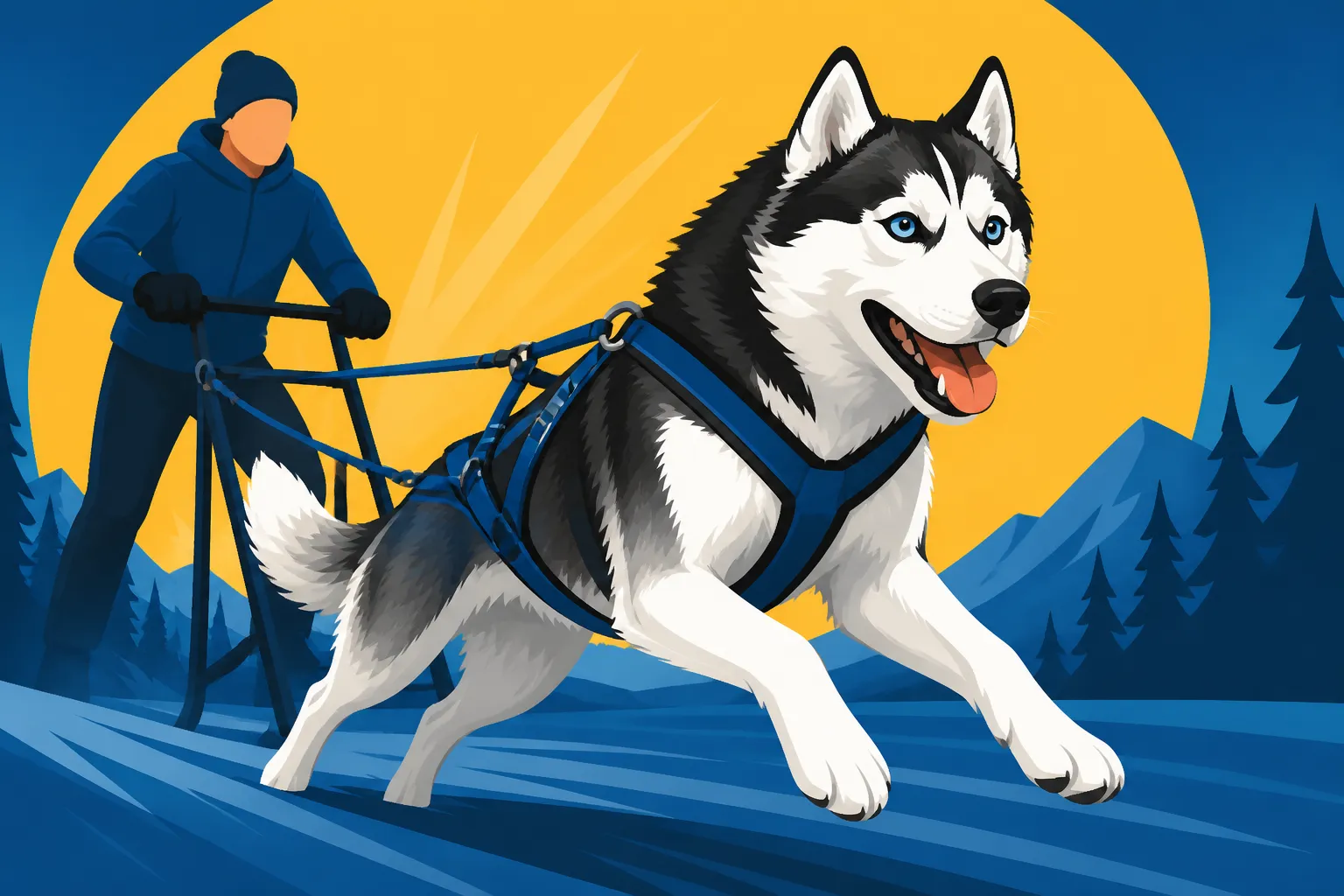
If you live in a snowy climate, skijoring (dog pulling a person on skis) and recreational sledding are the quintessential husky activities. This is where their heritage truly shines, allowing them to glide effortlessly across snow-covered landscapes, doing what they were literally bred to do.
- Skijoring: You wear cross-country skis and a waist belt, and your husky wears a pulling harness, connected by a bungee line. The dog pulls you while you provide propulsion with your skis. It's a fantastic workout and an incredible way to experience winter trails.
- Recreational Sledding: For this, you’ll need a small recreational sled or kick sled, and one or two huskies in pulling harnesses. It’s a bit more involved than skijoring but offers the classic sled dog experience. You stand on the runners or ride in the sled, and your dog(s) pull.
- Training: Strong directional commands ("Gee," "Haw") and a reliable "Whoa" are absolutely critical. Dogs need to be comfortable with the sound and movement of skis or a sled behind them. Start on flat, open snow.
- Gear: For skijoring, invest in good quality cross-country skis, boots, and poles. For sledding, a kick sled is a great entry point. Don’t forget booties for your husky if you'll be on icy or abrasive snow, to protect their paws.
- Enjoying the Snow: Huskies thrive in cold weather. While Siberian Husky Cold Weather Care and Its Limits is important, these conditions are generally their happy place. Just ensure they have access to water and aren’t overexerted, especially if they’re new to the activity. The joy of seeing a husky truly "work" in the snow is unparalleled.
Safety First: Protecting Your Working Husky
Engaging your Siberian Husky in harness sports is incredibly rewarding, but it comes with a responsibility to prioritize their safety and well-being. This means having the right gear, understanding environmental risks, and staying on top of their health.
Essential Gear for Harness Work
Beyond the pulling harness itself, there's a range of gear that will keep your husky safe and comfortable during their working adventures. Think of it as investing in their performance and longevity.
- Towline/Bungee Line: This is the rope that connects the dog's harness to your belt (canicross/skijoring) or to your bike/scooter. It should have some elasticity (bungee) to absorb shocks and prevent jarring pulls on both ends. Ensure it's the correct length for your activity, typically 6-8 feet for canicross/skijoring and 8-12 feet for bikejoring/scootering, to keep the dog a safe distance from your equipment.
- Dog Booties: These are critical for protecting your husky's paws on challenging terrain or in extreme weather. On icy trails, abrasive gravel, or very cold snow, booties prevent cuts, cracks, and frostbite. They also offer protection against road salt in urban areas. Have several pairs on hand, as they can get lost or wear out.
- Proper Collars and Leashes: Even though your husky will be in a pulling harness, you still need a sturdy flat collar with ID tags and a strong leash for leading them to and from the trail or during breaks. A martingale collar can be a good choice for general walking to prevent slips, as discussed in What Happens When a Siberian Husky Slips a Collar.
- Reflective Gear and Lights: If you're working your husky in low light conditions (dawn, dusk, night), reflective vests for both of you, and clip-on lights for your dog's harness or collar, are non-negotiable. Visibility is key to preventing accidents.
- First-Aid Kit: Always carry a basic pet first-aid kit. This should include paw balm, antiseptic wipes, gauze, vet wrap, medical tape, tweezers, and any necessary medications for your dog. A small amount of sugar or honey can be useful for low blood sugar in working dogs.
- Water and Collapsible Bowl: Hydration is paramount. Even in cold weather, working dogs need plenty of water. Carry more than you think you'll need.
Investing in quality gear ensures that your husky can focus on their job without discomfort or risk, allowing you both to enjoy the experience to the fullest. You can find all of these specialized items, from harnesses to booties, on online retailers like Amazon, often with reviews from other husky owners.
Environmental Considerations: Heat, Cold, Terrain
Siberian Huskies are built for specific environments, and understanding these limits is crucial for their safety. Pushing them too hard in the wrong conditions can be dangerous, even fatal.
- Heat: This is the biggest danger for a Siberian Husky. Their thick double coat, while excellent for insulation against cold, makes them prone to overheating in warm or humid weather. Never work your husky in temperatures above 60°F (15°C) if it's sunny or humid. Even lower temperatures can be too much if the dog is working intensely. Look for signs of overheating: excessive panting, bright red gums, lethargy, stumbling. If you see these, stop immediately, get them into shade, and cool them down. Heat Stroke Risk in a Siberian Husky is a very real concern.
- Cold: While huskies thrive in cold, there are still limits. Extreme cold (below -20°F or -28°C) combined with wind can still pose a risk of frostbite to ears, tails, and paw pads. Ensure they are moving and not standing still for long periods.
- Terrain: Choose trails wisely. Avoid overly rocky, paved, or uneven surfaces that can injure paws or joints. Soft, natural trails (dirt, snow, grass) are ideal. Be aware of hidden hazards like sharp sticks, broken glass, or ice patches. Always scout new trails if possible.
- Hydration: Always ensure ample water availability before, during, and after any harness activity. Even in cold weather, working dogs can dehydrate rapidly. Snow is not a substitute for water.
- Time of Day: Schedule sessions during the coolest parts of the day in warmer seasons (early morning or late evening). In winter, consider mid-day when temperatures might be more moderate.
Health Checks for the Working Dog: Nutrition and Vet Care
A working husky is an athlete, and like any athlete, they require specialized care to maintain peak performance and health. Neglecting these aspects can lead to injury, illness, or a shortened working life.
- Nutrition: Working huskies have higher caloric needs than sedentary ones, but their metabolism is incredibly efficient. You need to provide a high-quality diet, often higher in fat and protein, to fuel their activity. Monitor their weight and body condition closely – you should be able to easily feel their ribs but not see them prominently. Feeding a Siberian Husky That Runs in Harness dives deeper into their dietary needs. Always ensure they have access to fresh water.
- Regular Vet Check-ups: Schedule routine veterinary exams, at least once a year, but perhaps more frequently if your husky is involved in intense sports. These check-ups can catch potential issues early.
- Joint and Muscle Health: Pay attention to any limping, stiffness, or changes in gait. Harness work can put stress on joints. Consider supplements like glucosamine and chondroitin, or discuss other preventative measures with your vet. Siberian Husky Hips and Why the Rate Is Low outlines why joint care is so important.
- Paw Care: Regularly inspect your husky's paw pads for cuts, cracks, or foreign objects. Use paw balm to keep pads supple and resilient.
- Dental Health: Good dental hygiene is often overlooked but crucial. Dental disease can lead to pain and systemic health issues, impacting a dog's overall well-being and ability to work.
- Parasite Prevention: Ensure your husky is up-to-date on all parasite preventatives (fleas, ticks, heartworm, intestinal worms), especially if they are frequently on trails or in wooded areas. Parasite Prevention for an Outdoor Siberian Husky is a good resource for this.
A healthy husky is a happy husky, and a happy husky is one who will enthusiastically embrace their working role for years to come.
Troubleshooting Common Harness Work Challenges
Even with the best intentions and gear, you might encounter bumps on the trail when training your husky to work in harness. Their independent nature and intelligence mean they often need different approaches than other breeds.
The Husky That Refuses to Pull: Motivation Issues
It might seem counterintuitive, given their breed history, but some huskies initially resist pulling, or they might seem unmotivated. This isn't usually stubbornness; it's often a lack of understanding or insufficient motivation.
- Is the Harness Comfortable? First, double-check the fit of the harness. A poorly fitting harness can pinch, rub, or restrict movement, making the dog reluctant to engage. Watch for chafing or skin irritation.
- What's the Reward? Huskies, like all dogs, work for what they value. For some, it's a high-value treat (cubed chicken, cheese, hot dogs). For others, it's a favorite toy or enthusiastic verbal praise and petting. Experiment to find their ultimate motivator. Make the reward immediate and generous when they take even one step forward into the pull.
- Are They Confused? If you've spent a lot of time teaching "no pull" on a collar, your husky might be confused about when it's okay to pull. This is why having distinct gear (harness vs. collar) and distinct commands is so important. When the pulling harness comes out, it's a different game with different rules.
- Start With a Lead Dog: If you have another dog that already knows how to pull, or a friend with a working dog, sometimes a new husky will learn by emulation. Hook them up together for short, supervised runs. The younger or newer dog often follows the lead of the experienced one.
- Build Drive: Sometimes a husky just needs to learn the joy of running out front. Start with you jogging ahead, encouraging them to chase you while wearing the harness and line. Gradually increase the distance between you, reinforcing their forward motion. Remember the key insights from Training an Independent Siberian Husky – short, fun sessions are more effective than long, demanding ones.
Over-Excitement and Distraction: Focusing on the Task
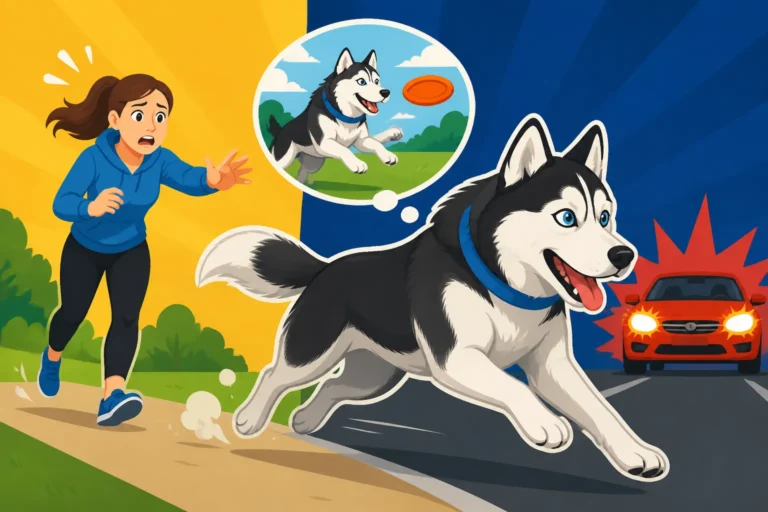
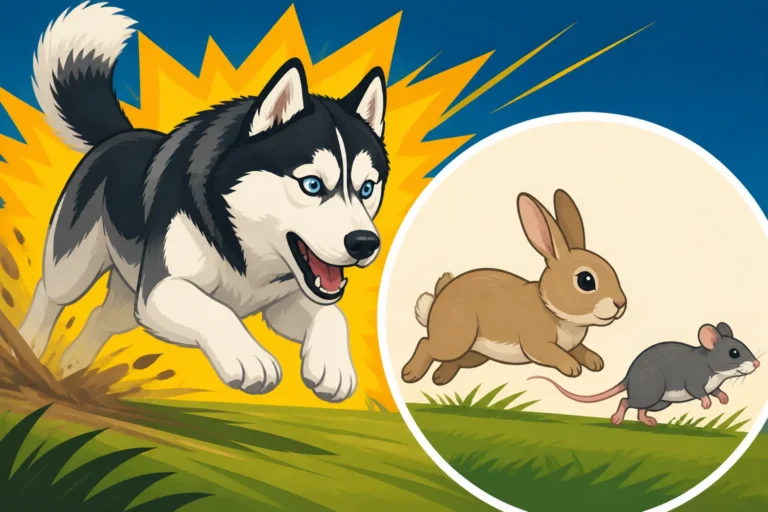
Siberian Huskies are curious and often easily distracted, especially by small animals (prey drive!) or other dogs. This can be a challenge when you're trying to maintain focus during a run.
- Controlled Environment First: Begin training in quiet, familiar areas with minimal distractions. As your husky becomes more confident and understands the commands, slowly introduce more stimulating environments.
- The "On By" Command: This command is your best friend. Start practicing "On By" on leash walks before moving to harness work. When your husky notices a distraction, give the command firmly, use a leash correction (a quick, light tug, not a harsh yank), and immediately reward them when they re-focus on moving forward. The goal is for them to understand that their job is to keep moving forward, regardless of what's happening on the sidelines.
- High-Value Rewards: When working through distractions, your rewards need to be extremely motivating. That piece of kibble might not cut it when a squirrel darts across the path.
- Manage Expectations: Understand that huskies have a strong prey drive, as explored in Siberian Husky Prey Drive Around Small Animals. You may never completely eliminate their interest in a squirrel, but you can train them to prioritize your command and the forward motion of the team.
- Exhaustion Management: A husky that isn't sufficiently exercised is more likely to be over-excited and distracted. Ensure they are getting adequate physical and mental outlets in general. However, don't confuse this with pushing them to exhaustion during harness work, which can be dangerous.
Managing Multiple Huskies: Working as a Team
Running multiple huskies in harness can be an incredibly rewarding experience, but it adds layers of complexity. From tangled lines to differing paces, it requires careful planning and coordination.
- Individual Training First: Never try to put two untrained huskies into harness together. Each dog should be proficient in their individual harness work and commands before attempting to run them as a team. This means they understand their harness, know "Gee," "Haw," and "Whoa," and are comfortable pulling independently.
- Introducing the Pair: Start with one experienced dog and one new dog. The new dog will learn a lot from watching and following the lead of the seasoned partner. Keep early paired sessions short and in a very controlled environment.
- Matching Paces: Ideally, your team should have similar energy levels and running paces. If one dog is much faster or slower, it can lead to frustration, uneven pulling, and tangled lines. If you have mismatched paces, consider training them separately or forming different teams.
- Ganglines: When running multiple dogs, you'll need specialized equipment called ganglines. These connect the dogs' harnesses to each other and to your towline, keeping them in formation and preventing tangles. Ganglines usually have main lines and shorter "necklines" to keep dogs side-by-side.
- Leadership and Communication: You are the leader of the team. Your commands need to be clear and consistent. Both dogs need to respond to your voice and cues. Practicing commands like "Gee," "Haw," and "Whoa" with both dogs simultaneously is crucial. The Cues a Siberian Husky Needs in Harness is essential reading here.
- Patience is Key: Expect tangles, arguments, and moments of utter chaos. It's all part of the learning process. Remain calm, untangle the lines, and restart. With patience and persistence, your huskies can learn to work beautifully as a unified team, a truly magnificent sight to behold.
The Benefits Beyond Exercise: A Profound Impact
Giving your Siberian Husky a job in harness extends far beyond simply burning calories. It addresses fundamental needs rooted in their history and temperament, leading to a happier, healthier, and more balanced dog. The impact on their overall well-being and your relationship is profound.
Channeling Destructive Energy: A Tired Husky is a Good Husky
Many of the common behavioral issues associated with Siberian Huskies – the incessant digging, the destructive chewing, the seemingly boundless energy – stem from a lack of appropriate outlets for their physical and mental energy. A husky that isn't adequately stimulated can become a canine whirlwind of chaos.
Imagine a husky left alone for hours with nothing to do after a meager walk. Their instincts compel them to explore, to problem-solve, to run. Without a constructive outlet, this energy often manifests destructively. They might chew through furniture, rip up carpets, or excavate your prize-winning rose bushes. This isn't out of malice; it's born of boredom and frustrated instinct. When a husky spends an hour or two pulling in harness, they are not only physically exhausted but also mentally satisfied. They've used their bodies and their minds in a way that resonates with their ancestral purpose. The result? A dog that is far more likely to settle calmly at home, chew on appropriate toys, and simply relax. This makes for a much more peaceful household and a stronger bond, as you're meeting their needs rather than constantly correcting unwanted behaviors.
Strengthening Your Bond: Partnership and Trust
Working a husky in harness is a deeply collaborative activity. You are not just exercising your dog; you are a team, relying on each other. Your husky relies on your commands for direction and safety, and you rely on their strength and drive to move forward. This shared experience fosters an incredible depth of connection and trust that goes beyond what simple obedience training might offer.
Think about the nuances of communication during a canicross run: a slight shift in your weight, a subtle verbal cue, and your husky responds, adjusting their pace or turning smoothly. These moments build a profound understanding between you. Your husky learns that when they listen to you, they get to do something they love. You learn to read their body language, anticipating their needs and motivations. This partnership transforms your relationship from simply owner and pet to that of a true working duo. It's a mutual respect and appreciation for each other's roles, deepening your bond in a unique and powerful way. You're no longer just walking; you're embarking on adventures together, guided by trust and shared purpose.
Mental Enrichment and Confidence Building
Beyond physical exertion, harness work provides immense mental enrichment. Huskies are intelligent, and they thrive on challenges. Learning directional commands like "Gee" and "Haw" at speed, navigating tricky trails, and responding to "On By" amidst distractions all engage their cognitive abilities. This mental workout is just as important as the physical one.
Furthermore, success in harness work can dramatically boost a husky's confidence. For a dog that might otherwise feel frustrated or understimulated, the act of successfully performing a "job" can be incredibly empowering. They learn that they are capable, strong, and that their efforts lead to positive outcomes. This increased confidence can spill over into other areas of their life, making them generally more resilient, less anxious, and more adaptable. A confident husky is often a calmer husky, less prone to insecurity-driven behaviors. The consistent positive reinforcement and clear expectations inherent in harness training contribute to a well-adjusted dog who knows their role and takes pride in it. It’s truly a holistic approach to their well-being.
Disclaimer
This article is for general informational purposes only and does not constitute professional advice. Laws, prices and regulations vary by location and change over time. Consult a qualified professional for guidance on your specific situation.