The Diphtheria Outbreak That Called Out the Huskies
The 1925 diphtheria outbreak in Nome, Alaska, forced dog sled teams to deliver life-saving antitoxin across treacherous trails.
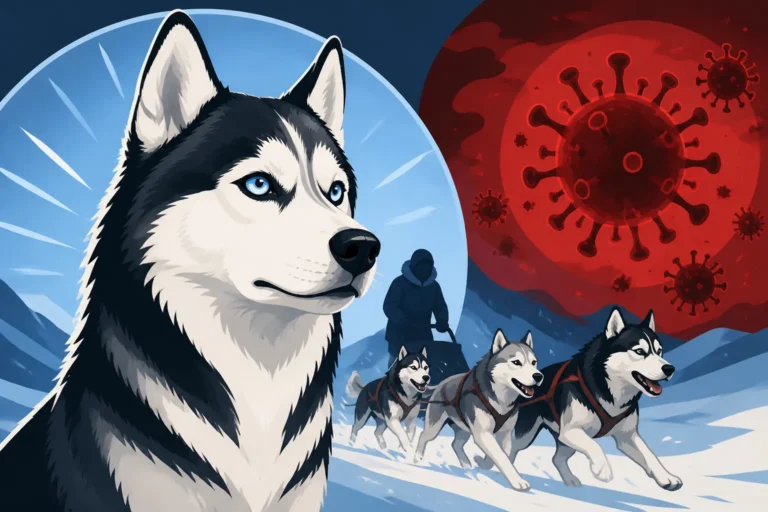
The 1925 diphtheria outbreak in Nome, Alaska, forced dog sled teams to deliver life-saving antitoxin across treacherous trails.
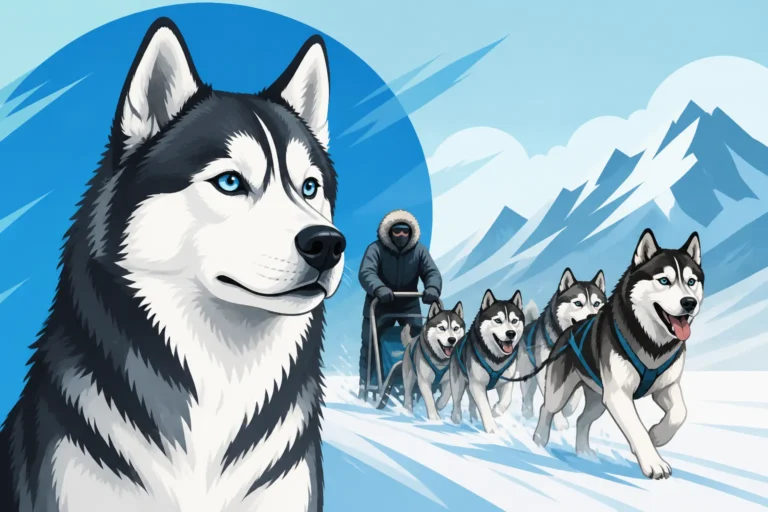
Leonhard Seppala arrived in Nome in 1900, trained Siberian Huskies, and won the All Alaska Sweepstakes multiple times.
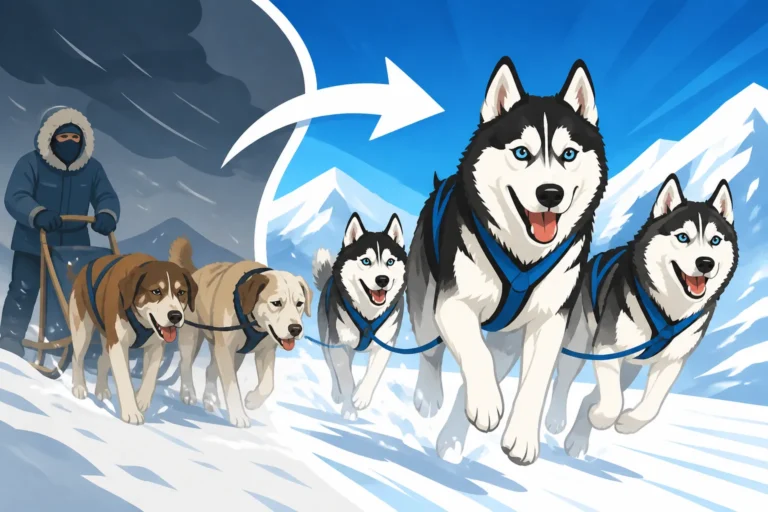
Siberian Huskies in Nome sled dog racing explain why racers switched from heavy breeds for speed and efficiency.
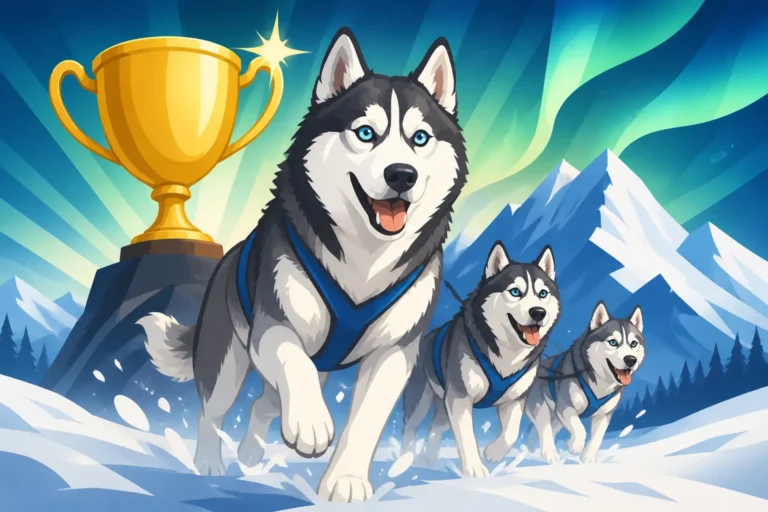
Siberian Huskies in the All-Alaska Sweepstakes details how small dogs from Siberia won the grueling Nome races.
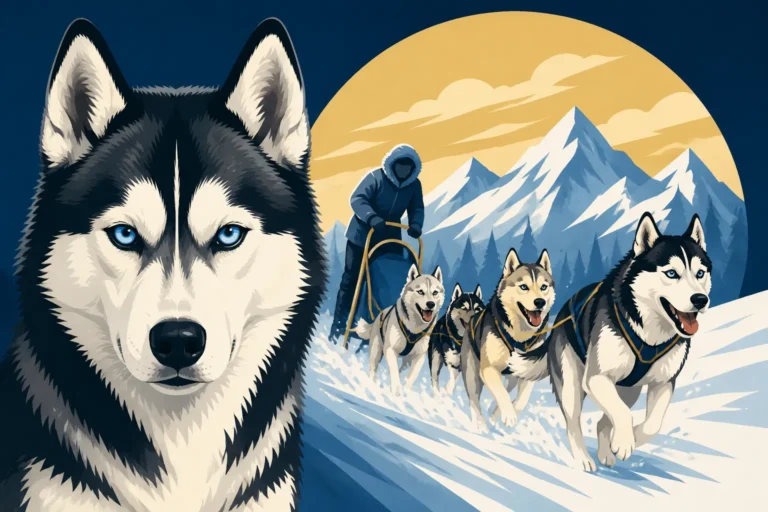
The 1909 All-Alaska Sweepstakes introduced Siberian Huskies to America, where locals mocked the smaller dogs as Siberian Rats.
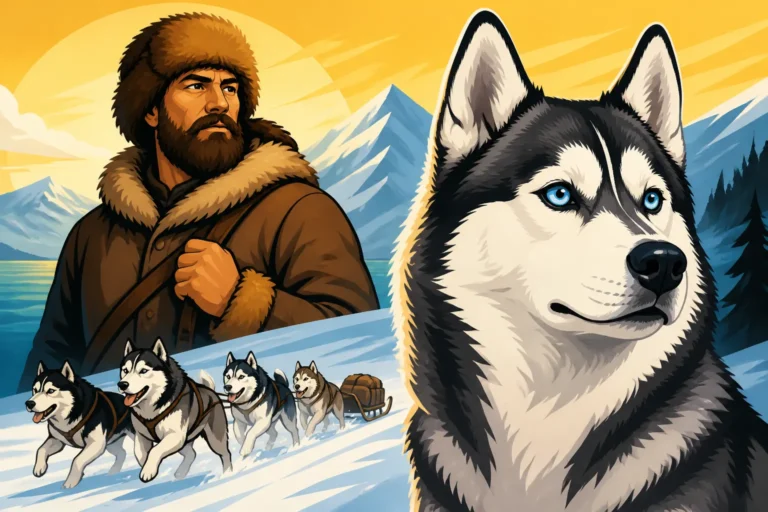
Fur trader William Goosak brought nine Siberian dogs across the Bering Strait to Nome in 1908 to enter the All-Alaska Sweepstakes.
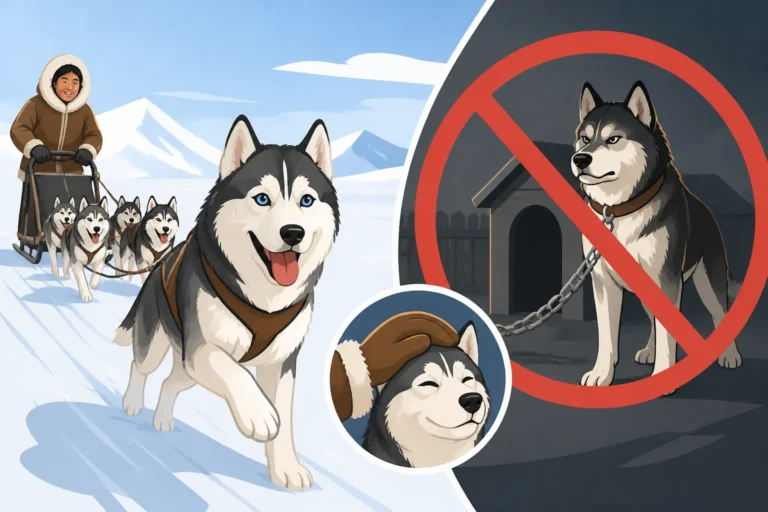
Siberian Huskies are not guard dogs because the ancient Chukchi bred them for pulling sleds and living indoors.
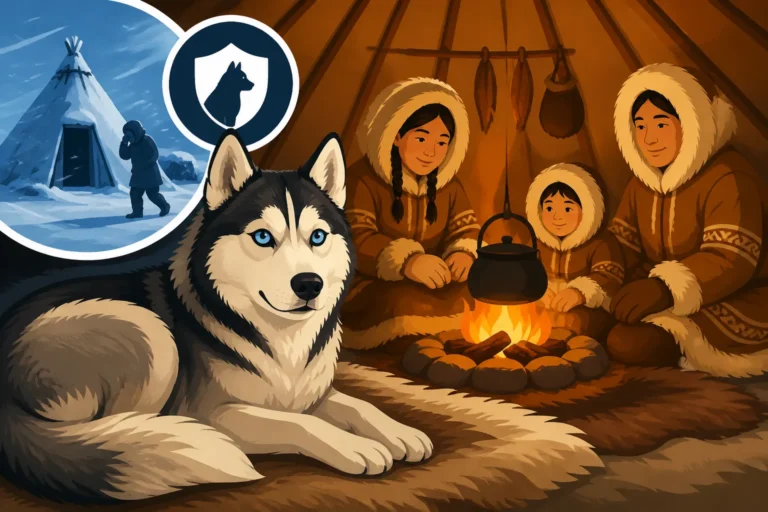
Siberian Husky ancestors shared cramped Chukchi homes to provide warmth, security, and survival support during extreme Arctic winters.
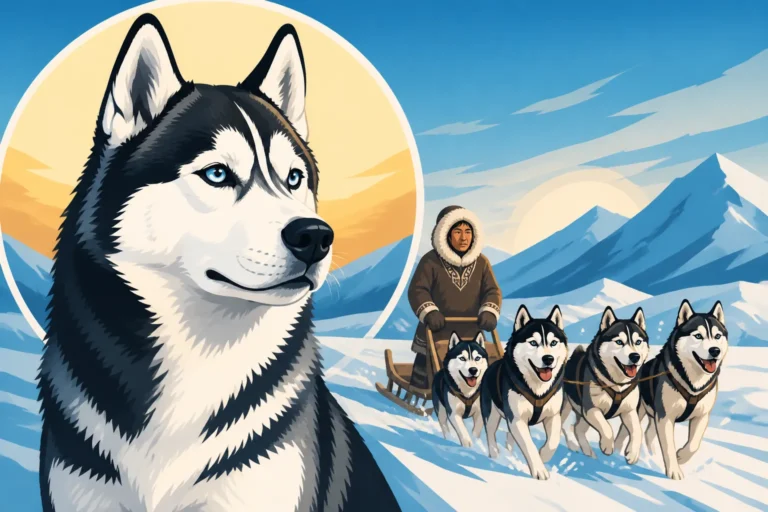
The historical purpose of the Chukchi people breeding Siberian Huskies for Arctic survival, speed, endurance, and efficiency.

The Chukchi people bred Siberian Husky ancestors for three to four millennia, creating resilient sled dogs for Arctic survival.