The Siberian Husky Scream and What Sets It Off
If you've ever owned a Siberian Husky, you've likely experienced "the scream" – that piercing, high-pitched, often alarming vocalization that can turn heads and fray nerves. It's not quite a bark, not quite a howl, but something uniquely Husky that leaves many owners wondering what on earth their dog is trying to communicate, or if they've suddenly adopted a banshee. This guide will dive deep into this unforgettable sound, exploring its origins, common triggers, and practical strategies to manage it without stifling your Husky's vibrant personality.
Decoding the Siberian Husky Scream: More Than Just Noise
The Siberian Husky scream is one of the most distinctive and often misunderstood vocalizations these dogs produce. It's a sound that can range from an excited, almost joyful shriek to a frustrated, ear-splitting wail, and it's distinctly different from their more melodic howls or typical barks. Understanding what this sound truly is is the first step in learning to live with it, or gently guide your Husky toward calmer forms of expression.
What Exactly is the Husky Scream?
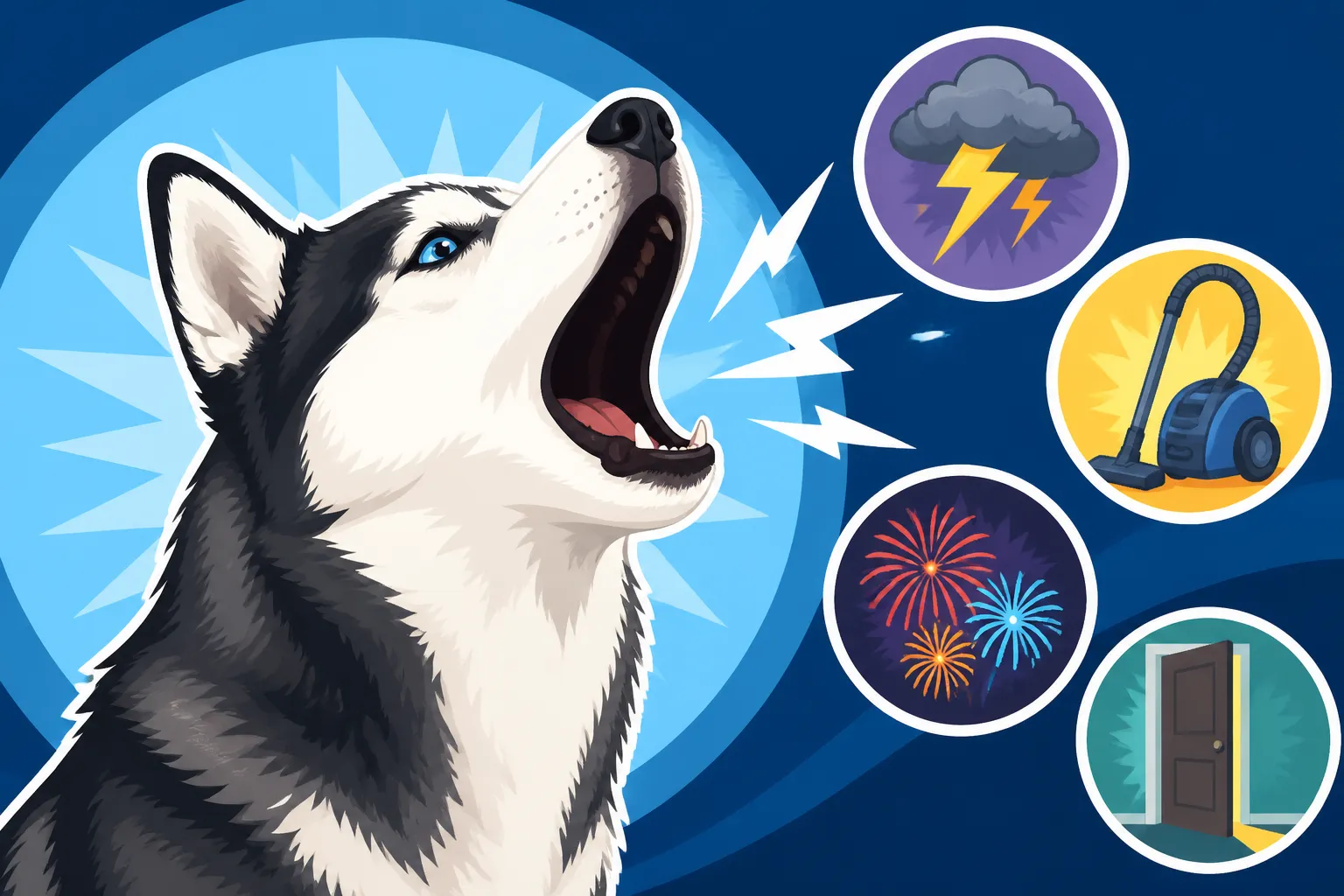
Unlike the deep, resonant howl that connects Huskies to their ancient ancestors and serves as a long-distance communication tool, the scream is typically a close-quarters, intense vocalization. It's often sharp, high-pitched, and can sound incredibly dramatic. Imagine a child throwing a tantrum, but with the lung power of a sled dog – that's often the impression it leaves. It's not necessarily a sign of pain or distress in all cases, though it certainly can be. Rather, it's a powerful expression of strong emotion, be it excitement, frustration, demand, or even protest. Many owners often find themselves asking, "What is The Siberian Husky Noise Nobody Warns You About?" and the scream is usually a top contender.
For example, your Husky might let out a short, sharp scream when you grab the leash for a walk, anticipating the fun. Or, it could be a longer, more drawn-out wail if you accidentally step on their paw. The context is everything, and that's what makes it so complex for new owners to interpret. It's rarely a subtle hint; it's usually a full-blown declaration of their current emotional state, delivered at maximum volume.
Differentiating Screams from Other Husky Vocalizations
Huskies are renowned for being quite vocal, but their repertoire extends far beyond just barking. They howl, they grumble, they "talk," and yes, they scream. Knowing the difference is key to understanding your dog.
- Howling: This is typically a prolonged, melodic sound, often directed at sirens, other dogs, or simply for the sheer joy of it. It's part of their pack communication, meant to signal presence and location. Think of it as their song. Why Your Siberian Husky Howls and Talks covers this in more detail.
- Barking: While Huskies can bark, they are generally not incessant barkers like some other breeds. Their barks are usually sharp, used to alert, or sometimes as a form of attention-seeking, but they lack the distinct high-pitched, almost human-like quality of a scream.
- Talking/Grumbli ng: This involves a mix of low growls, 'woo-woos,' and varied vocalizations that sound like a dog attempting to speak. It's often playful and communicative, expressing happiness, mild annoyance, or engagement. Siberian Husky Talking Back During Training is a great example of this.
- The Scream: This is the most intense of the bunch. It's typically sudden, loud, and can have an almost frantic quality. It often indicates a surge of emotion – extreme excitement, deep frustration, acute demand, or discomfort. It's less a song and more an exclamation point.
Understanding these nuances helps you respond appropriately. A happy howl might warrant joining in, while a frustrated scream might signal a need to reassess the situation or provide an alternative outlet for their energy.
The Deep Roots of the Husky Scream
To truly grasp why Huskies vocalize in such a unique and dramatic way, we need to look back at their lineage and the purpose for which they were originally bred. These aren't just pets; they're working dogs with a history that predates modern domesticity in many ways. Their vocalizations are deeply ingrained, not just a quirk.
Ancestral Echoes: The Canine Call
Huskies, like all dogs, are descended from wolves. Wolves communicate extensively through howls, barks, whines, and growls, each serving a specific social function within the pack. The Husky's rich vocal palette is a clear echo of this heritage. While our pet Huskies aren't living in wild packs, those ancient instincts are still very much alive, expressed in their unique ways.
Their ability to communicate complex emotions vocally was an asset in their original working environment. When a team of sled dogs is spread out on a long trail, or when they're working together to achieve a common goal, clear vocal signals can be crucial. The "scream" might be an exaggerated, domesticated version of a more primal urgent call or alarm within their ancestral pack structure, now repurposed for the modern home.
The Role of Selective Breeding in Husky Vocalizations
The Chukchi people, who developed the Siberian Husky, bred them for endurance, speed, and a remarkably social, tractable temperament within their human families. They were not bred to be guard dogs that bark at strangers; in fact, excessive barking would have been counterproductive in their nomadic camps. Instead, they needed dogs that could communicate effectively within a team and with their human drivers.
While specific "screaming" wasn't necessarily a trait the Chukchi actively selected for, the general tendency toward expressive vocalizations was part of their social and intelligent nature. Over generations, living in close quarters with people and other dogs, their vocalizations became highly varied. The scream likely developed as an intense form of communication that gets immediate attention, whether from a fellow dog on the line or a human handler in a busy camp. It's a "listen to me now!" sound.
Temperament and Expressiveness
Siberian Huskies are known for their independent, intelligent, and often mischievous personalities. They aren't shy about expressing themselves, and their vocalizations are a huge part of that. They are dogs with opinions, and they aren't afraid to share them.
Consider a Husky who wants to play but you're busy. Instead of a polite nudge, you might get a frustrated grumble that escalates into a full-blown scream if ignored. This isn't necessarily defiance, but rather an intense expression of their desire, paired with a realization that this particular sound tends to get a reaction. Their intelligence means they learn quickly what works, and if a scream yields attention, even negative attention, it can become a reinforced behavior. It's part of their overall expressive nature, making them engaging companions for those who understand their unique communication style.
Common Triggers for the Siberian Husky Scream
So, what makes a Husky unleash that signature shriek? It's almost always tied to intense emotions, whether positive or negative. Pinpointing the trigger is crucial for understanding your dog and deciding how to respond.
Over-Excitement and Anticipation
This is perhaps one of the most common and endearing (or infuriating, depending on your mood) reasons for the Husky scream. Huskies get excited. Really, really excited. And when that excitement hits a peak, words (or barks) just don't cut it.
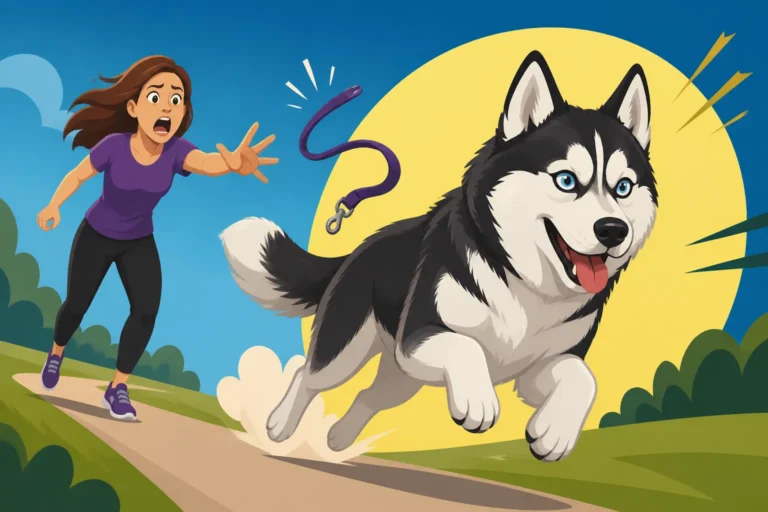
- Walks and Outings: The sound of a leash jingling, the sight of you putting on your shoes, or the mention of "walkies" can often set off a burst of happy screams. They anticipate the adventure, the smells, the freedom, and that overwhelming joy simply bursts out vocally. You might see them bouncing, spinning, and screaming all at once, practically vibrating with energy.
- Playtime: A favorite toy coming out, the prospect of a game of fetch, or a wrestling match with another dog can also elicit the scream. It's their way of saying, "YES! This is the best thing ever! Let's GO!" This form of scream is usually accompanied by loose, happy body language – a wagging tail, play bows, and bright eyes. It’s important not to confuse this with aggression; it’s pure, unadulterated Husky glee.
- Greetings: When a beloved human returns home after a long absence, or a favorite canine friend arrives for a playdate, the greetings can be accompanied by an excited scream. It’s their way of expressing intense happiness and relief, a full-body celebration that includes their powerful vocal cords. This often happens with people they truly adore and have a strong bond with.
Frustration and Demand
Huskies are smart, and they learn quickly what gets them what they want. If screaming has worked in the past to get attention, food, or access to something, they will absolutely use it as a tool.
- Attention-Seeking: A Husky craving your attention might start with a nudge, then a paw, then a grumble, and if those fail, a full-blown scream. They might do this if you're engrossed in a book, talking on the phone, or watching TV. It's their way of saying, "Hello! I am here! Pay attention to me now!" This can be particularly frustrating for owners, as giving in often reinforces the behavior.
- Food Demands: If mealtime is even a minute late, or if they see you preparing their food, some Huskies will vocalize their impatience with intense screams. This is especially true if they've been rewarded for such behavior in the past, even accidentally. They understand cause and effect.
- Barrier Frustration: Imagine your Husky sees a squirrel in the yard but is behind a fence. The frustration of being unable to chase can manifest as a series of intense screams, coupled with frantic digging or fence climbing. The same can happen if they are crated and want out, or if they are on a leash and desperately want to greet another dog or person. This pent-up energy and inability to act on their instincts boils over into loud vocalizations.
Discomfort or Pain
While not always the cause, a sudden, sharp, or unusual scream can definitely be a sign that your Husky is in pain or experiencing significant discomfort.
- Accidental Injury: If you accidentally step on their tail, or they bump into something hard, a quick, sharp scream is a natural reaction to sudden pain. This is different from a sustained, attention-seeking scream; it's usually brief and immediately followed by licking the injured area or favoring a limb.
- Medical Issues: More prolonged or repeated screaming without an obvious external trigger could indicate an underlying medical issue, such as an upset stomach, an ear infection, or joint pain. If your Husky suddenly starts screaming more than usual, or if the scream seems genuinely distressed, a vet visit is absolutely warranted. Changes in vocalization can sometimes be subtle indicators of internal discomfort, so it's always better to rule out health problems.
Managing the Siberian Husky Scream: Practical Strategies
Dealing with the Husky scream requires a combination of understanding, patience, and consistent training. The goal isn't necessarily to eliminate all vocalizations – that would be unrealistic and unfair to a naturally vocal breed – but rather to manage excessive screaming and redirect their energy into more appropriate outlets.
Environmental Enrichment and Exercise
A bored or under-exercised Husky is a noisy Husky. These dogs were bred for endurance and mental engagement, and if they don't get enough of both, they'll find their own (often destructive or vocal) ways to release that energy.
- High-Energy Outlets: Provide ample opportunities for vigorous exercise. This could mean daily runs, long walks, bikejoring, or canicross. A tired Husky is generally a quieter Husky. Remember that Huskies need sustained activity, not just a quick trip around the block. How Much Exercise a Siberian Husky Really Needs is a great resource. If they're regularly getting two runs a day for a Siberian Husky, you'll likely see a decrease in frustrated screams.
- Mental Stimulation: Don't forget their intelligent minds. Puzzle toys, training sessions, and scent work can be just as tiring as physical exercise. Consider a snuffle mat for meal times or a KONG filled with frozen peanut butter. These activities keep their minds busy and reduce the likelihood of attention-seeking screams. You can find a huge variety of these types of enrichment toys on Amazon.
- Consistent Routine: Huskies thrive on routine. Knowing when walks, meals, and playtime are scheduled can reduce anxiety and anticipatory screaming. If they know a walk is coming at 7 AM every day, they might be less likely to scream at 6:50 AM.
Training and Behavior Modification
Training is key to shaping any behavior, and vocalizations are no exception. The goal here is to teach your Husky that calm behavior gets rewards, while screaming does not.
- "Quiet" Command: Teach a "quiet" command using positive reinforcement. When your Husky starts to vocalize, say "Quiet," and when they momentarily stop, immediately reward them with a treat. Gradually increase the duration they need to be quiet before getting the reward. This takes patience, especially with a dog that loves to talk.
- Ignoring Attention-Seeking Screams: This is tough, but critical. If your Husky is screaming for attention, turn your back, walk away, or leave the room. Only re-engage or reward them when they are quiet for at least a few seconds. Even making eye contact or scolding them can be a form of attention that reinforces the behavior. This is particularly effective for A Siberian Husky That Screams When Left and attention-seeking.
- Redirecting Excitement: When your Husky starts to scream from excitement (e.g., before a walk), don't reinforce it. Wait for a moment of calm, then reward that calm with the desired activity (the walk). You can also redirect their energy into a quick obedience command before the exciting event. Make them sit or lie down calmly before opening the door or attaching the leash.
- Online Training Resources: For consistent, structured guidance, online puppy and dog training programs like those offered by BAXTER & Bella can be incredibly helpful. They provide step-by-step instructions on positive reinforcement methods, which are especially effective for independent breeds like Huskies. Their programs often cover managing excitement and teaching impulse control, which directly addresses many screaming triggers.
Environmental Adjustments
Sometimes, simple changes to their environment can make a big difference, especially if your Husky is sensitive to external stimuli or prone to separation anxiety.
- Soundproofing: If external noises trigger your Husky's screaming (e.g., sirens, neighbor's dogs), consider soundproofing strategies. Heavy curtains, white noise machines, or even moving their crate to a quieter part of the house can help.
- Safe Spaces: Ensure your Husky has a comfortable, secure "den" where they can retreat and feel safe. A well-placed crate, covered with a blanket, can provide a sense of security and reduce anxiety-induced vocalizations.
- Management During Absence: If your Husky screams when left alone, ensure they have plenty of appropriate chew toys to keep them occupied. Consider a pet camera to monitor their behavior and identify triggers. For separation-related vocalizations, gradual desensitization training is often necessary. Hours a Siberian Husky Copes With Alone discusses ways to help your Husky manage time by themselves.
When to Seek Professional Help
While a certain level of vocalization is normal for a Husky, there are times when their screaming might indicate a deeper issue that requires professional intervention. Knowing when to escalate your concerns can save you and your Husky a lot of stress.
Persistent or Escalating Screaming
If your Husky's screaming is becoming more frequent, louder, or harder to interrupt, despite your best efforts at training and management, it might be time to call in the cavalry. This is especially true if the screaming seems increasingly frantic or distressed, rather than just expressive.
A professional dog trainer or a certified canine behaviorist can observe your Husky in their environment, identify specific triggers you might be missing, and develop a tailored behavior modification plan. They have the expertise to distinguish between normal Husky exuberance and problematic anxiety or frustration. Sometimes, even the most dedicated owners miss subtle cues or accidentally reinforce behaviors. An objective eye can make all the difference.
Signs of Distress or Anxiety
Screaming related to genuine distress or anxiety looks different from a demand for attention or excitement. Watch for these accompanying signs:
- Destructive behavior: Chewing furniture, digging at doors or windows, especially when left alone. This often indicates separation anxiety, which can manifest as screaming.
- Inappropriate urination/defecation: House-soiling that occurs specifically when left alone, separate from other potty training issues.
- Excessive drooling or panting: Even when not hot or exercising, these can be signs of stress.
- Pacing or restlessness: Inability to settle, even when you are present.
- Self-harm: Licking or chewing paws excessively, or other self-mutilating behaviors.
If you observe these symptoms alongside persistent screaming, particularly if it happens A Siberian Husky That Screams When Left, consult with a veterinary behaviorist. These specialists are veterinarians with advanced training in animal behavior and can prescribe medication if necessary, alongside behavior modification techniques, to help manage severe anxiety.
Sudden Changes in Vocalization
Any sudden and unexplained change in your Husky's vocalizations should always prompt a call to your veterinarian. If your normally quiet Husky suddenly starts screaming, or if their screams sound genuinely painful or distressed, don't wait.
A vet can rule out underlying medical conditions that might be causing discomfort or pain. For instance, dental pain, an injury, an ear infection, or even more serious internal issues can manifest as increased vocalization. Since Huskies are stoic about pain, a scream might be one of the few overt signs they give. It's always better to be safe than sorry, and a quick check-up can either reassure you or lead to early intervention for a treatable condition.
Living Harmoniously with a Vocal Husky
Embracing the Siberian Husky scream often means shifting your perspective. While it can be loud and startling, it's also a powerful expression of your dog's personality and their deep desire to communicate with you. It's part of what makes them, well, Huskies!
Acceptance and Realistic Expectations
The first step in living with a vocal Husky is acceptance. You are unlikely to ever have a truly silent Siberian Husky, and trying to train out every single vocalization would be frustrating for both of you. Instead, aim for realistic expectations. Can you reduce the frequency and intensity of unwanted screams? Absolutely. Can you teach your Husky to use more appropriate forms of communication? Yes. Will they ever completely stop "talking" to you? Probably not, and that's okay. Their vocalizations, including their unique talking and howling, are part of their charm.
Think of it this way: your Husky is trying to communicate, even if the method is a bit dramatic. Learning to decipher what they're trying to say, rather than just reacting to the noise, builds a stronger bond. Remember, a happy, well-exercised, and mentally stimulated Husky is generally a less frantic and less vocal Husky.
Building a Strong Bond Through Communication
Working through vocalizations together can actually strengthen your relationship. When you respond calmly and consistently, teaching your Husky that quiet gets rewards, you're building trust and understanding.
For instance, if your Husky screams excitedly before a walk, consistently waiting for a moment of calm before proceeding teaches them self-control. This isn't about punishment; it's about clear communication. They learn that their calm behavior directly leads to the desired outcome. This kind of consistent positive reinforcement, often found in training methodologies like those from BAXTER & Bella, fosters a cooperative spirit. Keeping a Siberian Husky Interested in Training is all about making learning a positive, ongoing experience.
When your Husky grumbles or "talks" to you, engage with them. Respond in your own calm, happy voice. This interaction reinforces that their vocalizations can be a part of your daily conversations, without them resorting to the high-pitched shriek. It’s all part of the unique bond you share with this incredible breed.
Embracing the Husky Personality
The Siberian Husky scream is just one facet of their vibrant, often larger-than-life personality. They are known for their independence, their playful antics, their mischievous streaks, and their incredible expressive range. These dogs aren't for the faint of heart, but for those who embrace their unique traits, they are incredibly rewarding companions.
Living with a Husky means understanding that they are not like other dogs. Their instincts are strong, their energy is boundless, and their voices are powerful. Instead of seeing the scream as a flaw, try to view it as part of their inherent Husky-ness – a dramatic flourish in their rich tapestry of communication. With patience, consistent training, and a deep well of affection, you can guide your vocal Husky to be a well-mannered, cherished member of your family.
| Vocalization Type | Common Triggers | Common Meaning | Recommended Response |
|---|---|---|---|
| Scream (High-Pitched) | Extreme excitement, frustration, demand, pain | "Pay attention!", "I want it!", "Ouch!" | Redirect, ignore (for demand), check for injury (for pain) |
| Howl (Melodic) | Sirens, other dogs, being alone, happiness | Pack call, expression of joy/loneliness | Join in, comfort, provide company |
| Bark (Sharp, short) | Alertness, attention-seeking | "Someone's there!", "Play with me!" | Acknowledge, investigate, redirect |
| Grumbles/Talks | Play, mild annoyance, contentment | "I'm happy," "I'm bored," "Leave me alone" | Engage playfully, provide enrichment |
| Whine (Soft, drawn out) | Seeking comfort, mild demand, anxiety | "I need something," "I'm uncomfortable" | Check needs, provide comfort, address anxiety |
Disclaimer
This article is for general informational purposes only and does not constitute professional advice. Laws, prices and regulations vary by location and change over time. Consult a qualified professional for guidance on your specific situation.