Interrupting a Siberian Husky Mid-Chase
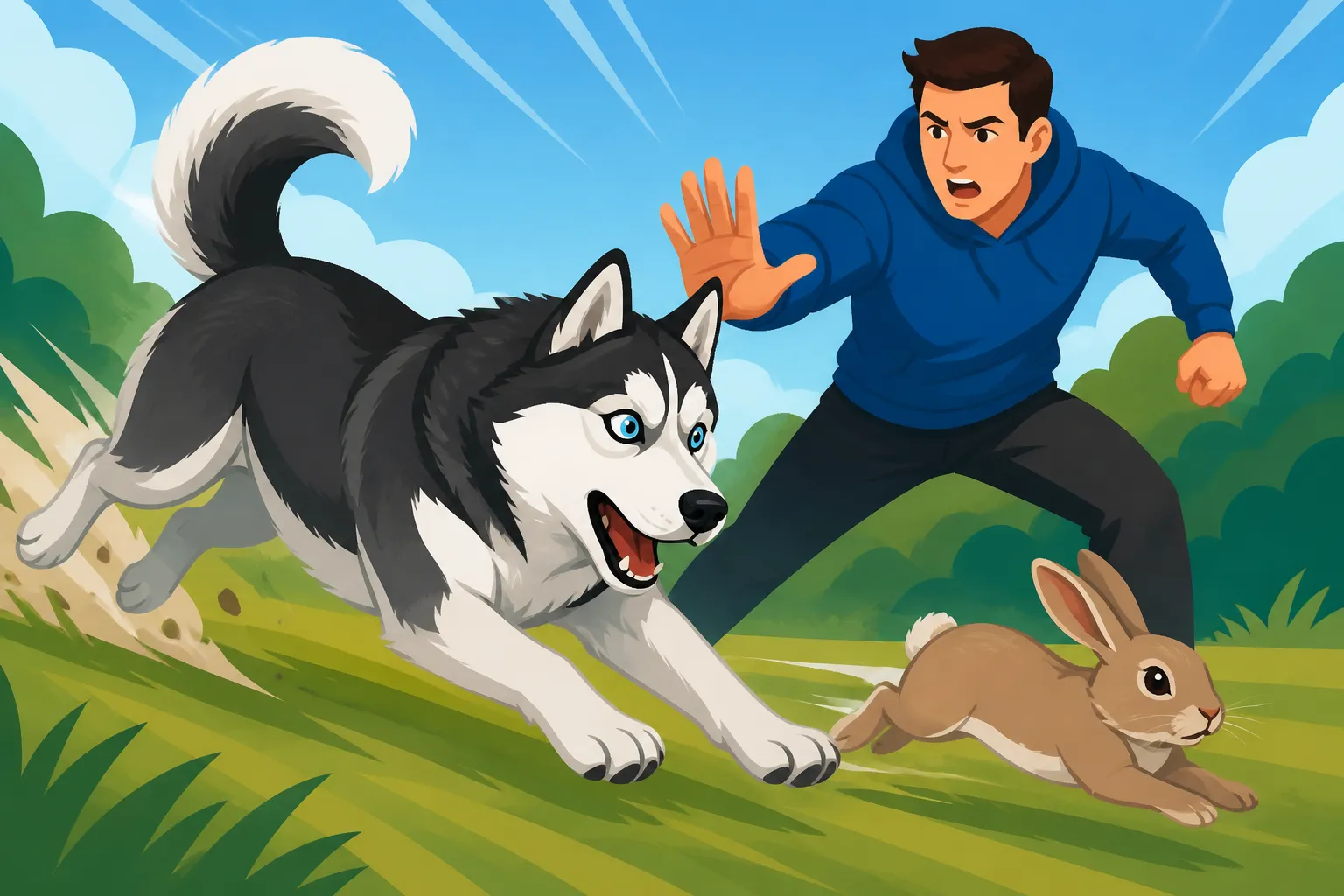
It’s that gut-wrenching moment: your Siberian Husky, usually so attentive, suddenly locks onto a squirrel, a rabbit, or another dog in the distance, and takes off like a rocket. Your calls fall on deaf ears, and panic sets in. We’ve all been there, feeling utterly helpless as our beloved snow dog becomes a blur of focused prey drive, seemingly deaf to the world. This guide is here to help you understand why this happens and, crucially, what you can do in those high-stress moments to interrupt a Siberian Husky mid-chase, and how to set up long-term strategies to prevent such heart-stopping incidents.
Understanding the Siberian Husky's Prey Drive
To even begin to talk about interrupting a Siberian Husky mid-chase, we first have to grapple with the profound, inherent nature of their prey drive. It's not a matter of disobedience; it's a deep-seated instinct that has been carefully selected for generations. These dogs were bred to run, to hunt, and to respond to environmental cues with incredible speed and focus.
The Instinctive Nature of the Chase
Siberian Huskies hail from a lineage of working dogs, specifically bred by the Chukchi people for endurance sled pulling and survival in harsh environments. Part of that survival package included a keen awareness of their surroundings and, yes, a strong instinct to chase. While they weren't primarily hunting dogs in the same way a Pointer or a Setter might be, their ability to spot, pursue, and sometimes catch small game was an asset in their native lands. This isn't just a quirky personality trait; it's hardwired into their DNA. It means that when a small, fast-moving object — be it a rabbit, a cat, or even a blowing leaf — triggers that primal instinct, their brain literally flips a switch, and all other commands often become secondary.
Many owners mistakenly believe that with enough training, this drive can be eradicated, but that's rarely the case. Instead, it needs to be managed and channeled. Trying to "train out" prey drive entirely is like trying to train a fish to walk; it goes against their fundamental being. Understanding this makes it easier to approach the problem with patience and realistic expectations, rather than frustration. You might also want to read up on Siberian Husky Prey Drive Around Small Animals to get a deeper understanding of this powerful instinct.
When Prey Drive Becomes a Problem
A strong prey drive becomes a genuine safety concern when your Husky decides to act on it in inappropriate or dangerous situations. Think about that moment when your Husky spots a deer bounding across an open field, or even a child on a bicycle. Their instinct tells them "chase," and they will often ignore everything else – your voice, the leash snapping taut, or even pain. This isn't because they don't love you; it's because the neurological reward pathway for the chase is incredibly powerful, releasing a cocktail of feel-good hormones that makes the pursuit supremely gratifying.
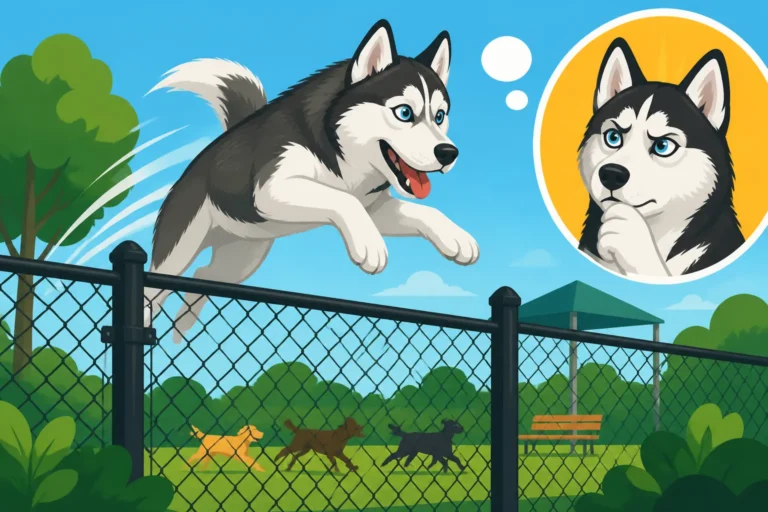
The risk isn't just to the small animal they're chasing, but also to your Husky. A dog in full chase mode is often oblivious to cars, fences, or other hazards. They can run into traffic, get lost, or injure themselves. This is why many experienced Husky owners will tell you that Why a Siberian Husky Cannot Be Trusted Off Leash is one of the breed's most defining characteristics. It's a matter of safety, for them and for others, to always manage this drive responsibly.
Immediate Interruption Techniques for an Active Chase
When your Siberian Husky is already in the throes of a chase, every second counts. You need strategies that can cut through their intense focus and bring them back to the present moment. These are often last-ditch efforts, but having them in your toolkit can make all the difference.
The Emergency Recall: A Last Resort
An emergency recall is not your everyday "come." It's a high-value, never-fail command reserved for life-or-death situations, and it should be trained with an intensity that matches its importance. This command should only ever be used when truly necessary, as using it too often dilutes its power. The key to an effective emergency recall is an incredibly high-value reward that your Husky never gets otherwise. Think about a piece of cooked chicken liver, a dollop of peanut butter (xylitol-free!), or a squeaky toy they adore. The reward needs to be more compelling than the chase itself.
To train this, you start in a controlled, low-distraction environment. Say your emergency word (e.g., "NOW!" or "TOUCH!"), present the high-value reward immediately, and celebrate exuberantly. Practice it only a few times a day, keeping it short and incredibly positive. Gradually introduce mild distractions, always ensuring success and rewarding heavily. The goal is for your Husky to associate that specific word with an instant, undeniable payout. If you've been consistent, sometimes, just sometimes, that emergency recall can cut through the chase instinct. For more on building this foundation, consider resources that specialize in advanced recall, like the kind found through online training platforms such as BAXTER & Bella. They often break down complex behaviors into manageable steps.
Physical Interruption When Possible and Safe
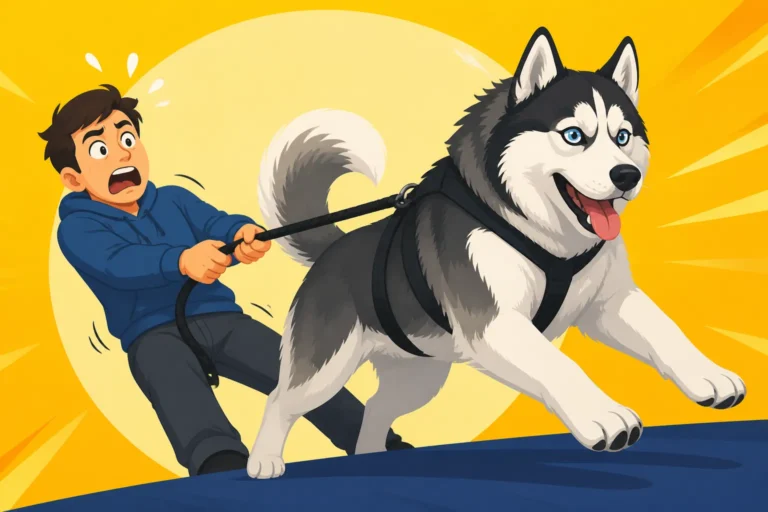
Sometimes, if you're quick enough and close enough, a physical interruption can break the chase. This isn't about punishment, but about redirecting their focus. If your Husky is on a long line, a firm, sharp tug can sometimes surprise them out of their tunnel vision. It’s not about yanking them back, but rather a quick, single correction that snaps their attention back to you. However, this is only safe and effective if you have a proper long line and harness setup that won't cause injury. A sudden jolt on a neck collar can be dangerous.
In an off-leash scenario (which, frankly, should be rare for a Husky prone to chasing), physical interruption becomes much riskier. Never chase your Husky; this often just fuels their game. If they happen to run close by, a quick, firm grab of their harness or collar might be an option, but only if you can do so without putting yourself or your dog at risk. For instance, if they're bolting past you on a trail, extending your leg or arm to gently block their path can sometimes work, but again, safety is paramount. The primary takeaway here is that physical interruption is a tool of last resort and dependent on circumstances, proximity, and safety.
Sound and Visual Distractions
When your Husky is locked onto its target, you need something that is loud, sudden, or visually jarring enough to break that focus. A shrill whistle, a sudden clap of your hands, or even dropping something noisy like a metal bowl can sometimes create enough of a disruption to make them pause. The key is novelty and intensity – if they hear the same sound all the time, they’ll habituate to it. You want something unexpected. Some owners carry "shake cans" (a soda can with coins inside) for this very purpose, though these should be used judiciously and never thrown at the dog.
Visual distractions can also work, though they are often harder to execute quickly. Waving a brightly colored jacket, or stepping suddenly into their line of sight (again, without chasing or endangering yourself) might just break their concentration long enough for you to get a verbal cue in. The aim is not to scare them, but to provide a stimulus that is momentarily more interesting or surprising than the prey. Once their head snaps toward you, even for a split second, that's your window to try your emergency recall. This requires quick thinking and a bit of luck, but it’s a technique worth having in your back pocket.
Preventing the Chase: Long-Term Strategies and Training
While immediate interruption techniques are vital for those critical moments, the real solution lies in proactive prevention and consistent training. It's about building a foundation of reliability and understanding how to manage your Husky's natural instincts.
Foundation Training and Impulse Control
Solid obedience training is the bedrock of managing prey drive. This goes beyond just "sit" and "stay." It means teaching your Husky to focus on you even in distracting environments. Impulse control exercises are especially important. Games like "leave it" and "wait" are invaluable. Start with low-value items, slowly increasing the temptation. Practice having them hold a "stay" while you move away or introduce mild distractions. This teaches them that resisting an urge and checking in with you leads to a reward, slowly building their ability to override their immediate impulses. A dedicated program, like those offered by BAXTER & Bella, often includes structured lessons specifically for impulse control and building a rock-solid recall, which is essential for a breed like the Husky.
It’s also crucial to practice recall in every possible environment. Don't just call them when they're close and uninterested. Call them when they're a little distracted, when they're sniffing something interesting, or when another dog is nearby. Always make coming back to you the most rewarding experience possible. Use treats, praise, and enthusiastic play. Over time, your Husky will learn that responding to you is always more profitable than continuing whatever they were doing. Many people find Rewards That Beat the Siberian Husky Chase Instinct to be a game-changer in this regard.
Managing the Environment
The simplest and most effective way to prevent a mid-chase scenario is through vigilant environmental management. This means understanding where your Husky is safe to be off-leash (if anywhere!) and where they are not. For most Siberian Huskies, completely off-leash privileges in unfenced or open areas are simply not safe due to their high prey drive and powerful roaming instinct. Whether Any Siberian Husky Is Reliable Off Leash is a question many owners ponder, but for the vast majority, the answer leans towards no.
This might mean utilizing long lines in open spaces, ensuring your yard is absolutely escape-proof, and always checking your surroundings before letting them out. If you live near woods or fields known for wildlife, walk your Husky at times when wildlife is less active. If you know a neighbor has free-roaming cats or chickens, avoid those areas, or walk on a very short leash. This isn't about limiting your dog's fun, but about keeping them safe and preventing incidents. Remember that Siberian Husky Deaths From Trauma and Escape are tragically common, and proactive management is the best defense.
Working with a Professional Trainer
Sometimes, despite all your best efforts, the prey drive is simply too strong, or you're finding it difficult to implement effective training strategies on your own. This is where a professional trainer, especially one experienced with northern breeds and their unique characteristics, can be invaluable. A good trainer won't promise to "cure" prey drive, but they will teach you advanced techniques for managing it, building stronger obedience, and understanding your individual dog's triggers.
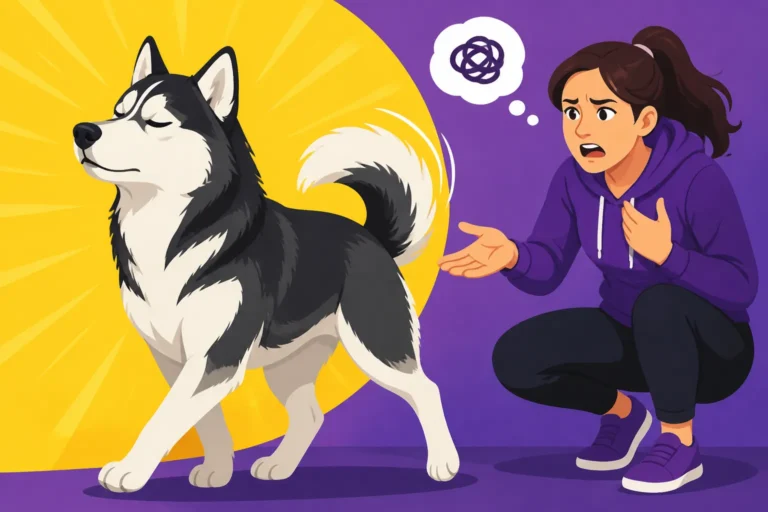
They can help you identify subtle cues your Husky gives before they launch into a chase – that slight stiffening, the intense focus in their eyes, the tail twitch. Reading a Siberian Husky Before It Fixates is a skill a good trainer can help you develop. They can also work with you on creating a custom training plan, often using positive reinforcement methods that build trust and cooperation, rather than attempting to suppress natural behaviors through force. When searching for a trainer, ask about their experience with high-prey-drive breeds and their philosophy on working with independent dogs like the Husky. Finding a Trainer Who Has Worked With Huskies is a critical step in overcoming these challenges.
Tools and Gear to Aid in Management
Beyond training, the right tools and gear are absolutely essential for managing a Siberian Husky's powerful chase instinct and ensuring their safety. Think of them as extensions of your training and management strategy.
Leashes, Harnesses, and Long Lines
For a Siberian Husky, a sturdy leash and a well-fitting harness are non-negotiable. A regular flat collar is often insufficient, as Huskies are notorious for slipping out of them, especially when panicked or driven by chase instinct. A martingale collar can offer a bit more security on walks, but a front-clip harness or a properly fitted "escape-proof" harness is often the safest bet. These distribute pressure evenly and make it much harder for a determined Husky to back out. When looking for these, online retailers like Amazon offer a wide variety, but always prioritize fit and durability over aesthetics.
Long lines are another critical piece of equipment. These are extended leashes (often 15 to 50 feet) that allow your Husky to explore more freely in a secure, open area while still remaining safely connected to you. They are fantastic for practicing recall in a semi-controlled environment and giving your dog a sense of freedom without the risks of being fully off-leash. Remember, the long line is not a substitute for a fence; it's a training tool. Always use a long line with a harness, never a collar, to prevent neck injuries if your Husky hits the end of the line at a run. You might find our guide on Long Lines and Recall Gear for a Siberian Husky particularly helpful when choosing the right gear.
Here's a quick comparison of common leash and harness types:
| Equipment Type | Pros | Cons | Best Use Case |
|---|---|---|---|
| Flat Collar | Simple, holds ID tags | Easy to slip, can cause neck injury if pulled hard, minimal control | ID tags, very controlled environments only |
| Martingale Collar | Prevents slipping when pulled, gentle tightening | Still on the neck, less effective for strong pullers or mid-chase | Daily walks, dogs prone to slipping collars |
| Front-Clip Harness | Reduces pulling, good control, harder to slip out | Can tangle legs if not fitted well, may not stop determined chase | Daily walks, training loose-leash walking |
| Back-Clip Harness | Comfortable for dog, less chance of tangling | Offers less control for pullers, easy for Huskies to slip out if not secure | Dogs with good leash manners, less likely to pull |
| Escape-Proof Harness | Designed to prevent backing out, very secure | Can be bulky, may take time to fit properly, may limit movement for some activities | High escape risks, strong prey drive dogs |
| Long Line | Allows freedom in open areas, safe for recall practice | Can tangle, requires vigilance, not for crowded areas | Supervised training in large, open, safe spaces |
GPS Trackers and Identification
Despite our best efforts, Huskies are escape artists and can sometimes find a way to get loose. This is where robust identification and tracking technology become vital. A microchip is an absolute must, but it's only useful if your Husky is found and scanned. A collar with clear, up-to-date ID tags (including your phone number) is a front-line defense.
Beyond these basics, a GPS tracker can be a literal lifesaver for a Siberian Husky. These small devices attach to your dog's collar and allow you to track their location in real-time via an app on your phone. While they require a subscription fee for cellular service, the peace of mind they offer when your Husky inevitably tests boundaries is priceless. They won't stop a chase, but they dramatically increase your chances of finding your dog if they do get away. Always make sure the tracker is securely attached and durable enough to withstand a Husky's adventures. Combine these tools with consistent training and environmental management, and you'll be well on your way to a safer, happier life with your magnificent, if sometimes maddening, Siberian Husky.
Disclaimer
This article is for general informational purposes only and does not constitute professional advice. Laws, prices and regulations vary by location and change over time. Consult a qualified professional for guidance on your specific situation.