Siberian Husky Talking Back During Training
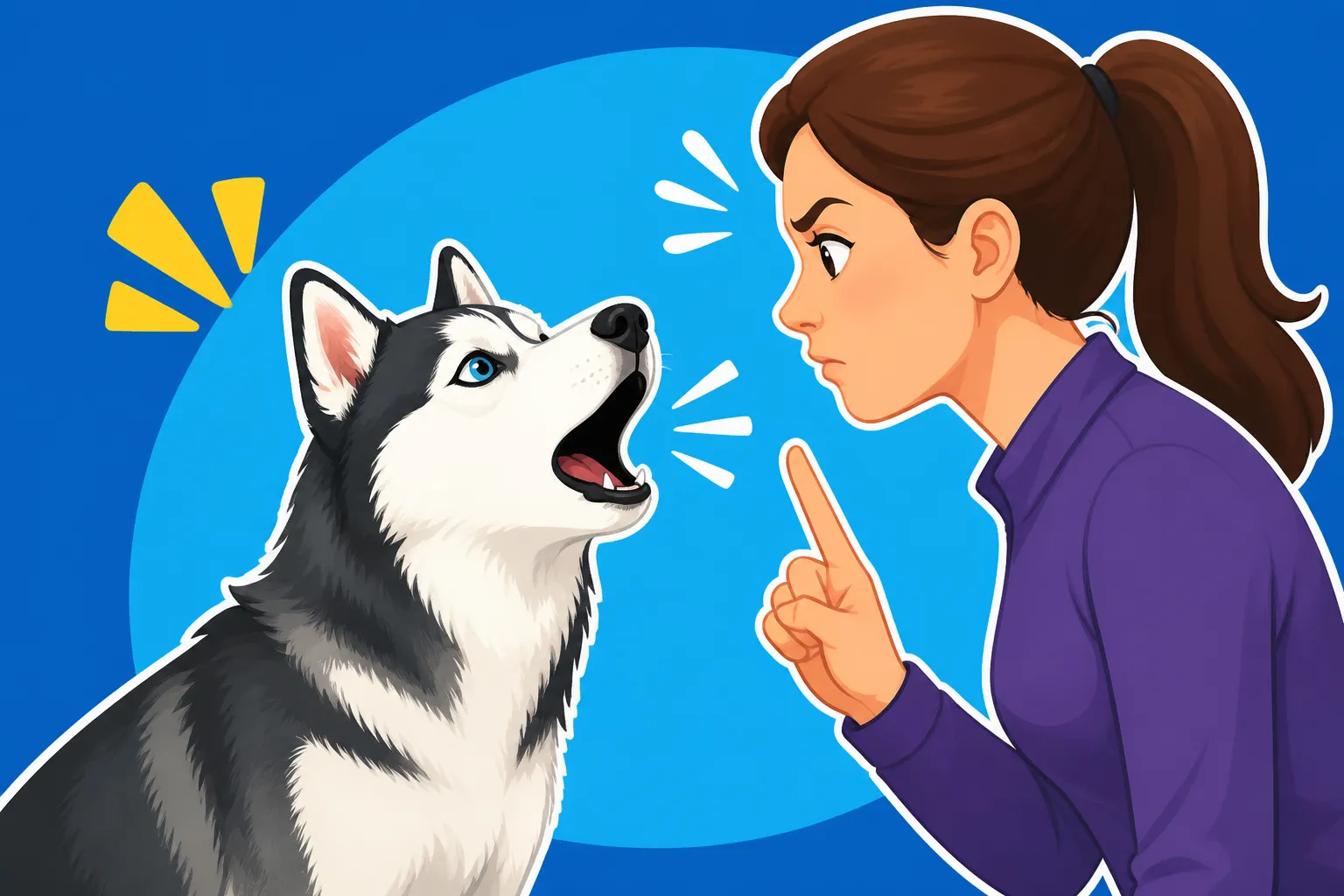
It's a scene many Siberian Husky owners know all too well: you're trying to teach your beautiful, independent dog a new cue, and instead of performing, you get a symphony of "arooos," grumbles, and dramatic sighs. This isn't just a quirky behavior; it's your Husky "talking back," a common and often perplexing part of their communication style during training. This guide will dive deep into why your Siberian Husky vocalizes so much during training sessions and how you can understand and even work with this unique aspect of their personality.
Understanding the Husky 'Talk': Why They Vocalize So Much
Siberian Huskies are a truly unique breed, not just in their striking looks and athletic prowess, but in their incredibly expressive vocal repertoire. Unlike many breeds that bark to communicate, Huskies are master conversationalists, employing a range of sounds that can often sound like they're having a full-blown argument with you, especially during training. This "talking back" isn't defiance in the human sense, but a deep-seated part of their heritage and personality that requires a different approach to training and understanding.
The Husky's Ancestral Roots and Communication Style
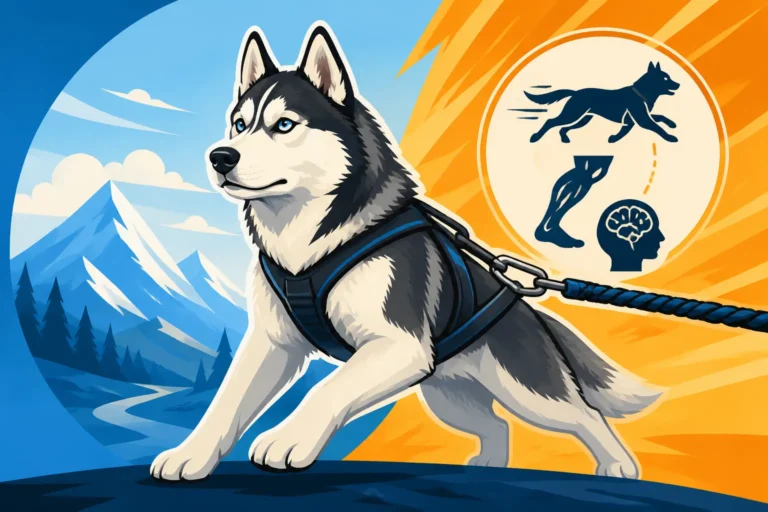
To truly grasp why your Siberian Husky talks back, you have to look at their history. These dogs were bred by the Chukchi people in Siberia, not as guard dogs or silent hunters, but as working sled dogs that lived in close quarters with humans. Their communication style evolved to be highly varied, including howls, "woos," grumbles, and even those distinct, almost human-like vocalizations. Barking was often discouraged, as it could attract unwanted attention to the camp. Instead, they developed a rich vocabulary of non-barking sounds.
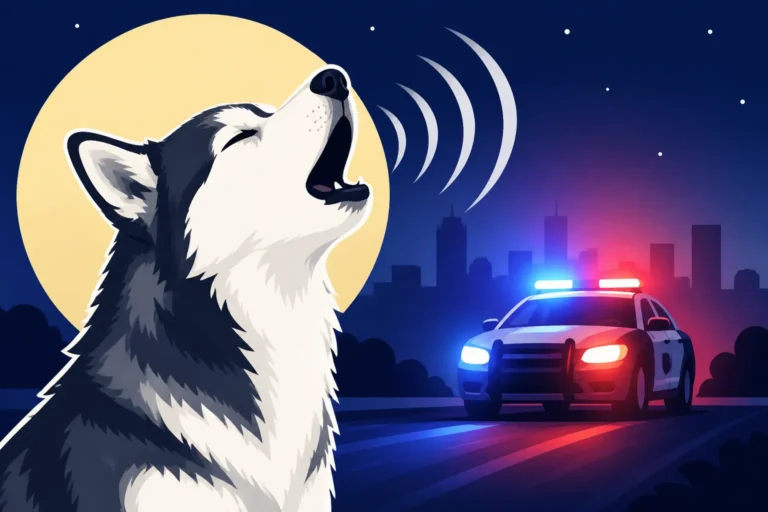
This ancestral trait means that vocalizing is a natural, ingrained behavior for them. It’s how they interact with their pack (you!) and express their feelings. When you ask them to do something, they might not just silently comply; they might offer an opinion, a suggestion, or simply comment on the situation. It’s less about being disobedient and more about their innate desire to communicate in their own special way. Understanding Why Your Siberian Husky Howls and Talks is key to appreciating this aspect of their character.
Think of it this way: if you were part of a team pulling a sled across vast snowy plains, you'd probably "chat" with your teammates too, even if it was just a grumble about the cold or an excited yip at the prospect of food. Your Husky carries this ancient communication blueprint, making every training session a potential conversation. Their vocalizations are a window into their current state of mind, whether it’s joy, confusion, or a bit of good-natured protest.
Expressing Frustration, Excitement, or Confusion
When your Husky starts "talking back" during a training session, it's often a direct expression of their emotional state. They might be genuinely frustrated if they don't understand what you're asking. Imagine trying to learn a new language with someone shouting commands you don't fully grasp—you'd probably make some noise in protest too! Huskies are intelligent, but also independent thinkers, and a lack of clarity can lead to an "arooo" of exasperation.
On the flip side, their vocalizations can also stem from pure excitement. Perhaps they know the cue, but they're so thrilled to perform it, or so eager for the treat you're holding, that they can't help but let out a few joyful barks or "woos." This isn't them being disrespectful; it's just their exuberant personality bubbling over. The Siberian Husky Scream and What Sets It Off can sometimes be an extreme manifestation of this excitement or frustration.
Sometimes, it's simply confusion. They might be trying to process the command, or they might be distracted by something in the environment. Their "talking" can be their way of saying, "Hold on a minute, I'm thinking!" or "Wait, are you sure that's what you want?" As pet parents, we sometimes interpret their vocalizations as a challenge to our authority, when in reality, it's a deeply honest form of self-expression.
Seeking Attention or Engaging in Dialogue
Another common reason for the "talk back" is a desire for attention or to engage you in a verbal back-and-forth. Huskies are highly social animals who thrive on interaction. If they've learned that vocalizing gets a reaction from you—even if it's a scolding or a laugh—they're likely to repeat the behavior. They might see it as an invitation to "talk" with you, rather than a disruption to training.
This can be particularly true if your Husky is bored or feels like the training is too monotonous. A well-placed grumble or a dramatic sigh might be their attempt to spice things up, or to remind you that they're a sentient being with thoughts and feelings, not just a robot following commands. They want to be part of the conversation, not just on the receiving end of instructions. This is where Howling in a Siberian Husky Household becomes a constant soundtrack.
It's a fine line to walk, because you want to acknowledge their communication without inadvertently reinforcing disruptive vocalizations. The key is to understand the context. Are they genuinely confused, or are they playfully trying to get a rise out of you? Learning to read their body language alongside their vocalizations will help you differentiate between these intentions and respond appropriately.
Common Scenarios Where Huskies 'Talk Back' in Training
Understanding why Huskies talk is one thing, but pinpointing when it's most likely to happen during training can help you prepare and adjust your approach. These vocal outbursts aren't random; they often occur in predictable situations that highlight the Husky's unique blend of intelligence, independence, and expressiveness. Learning to anticipate these moments can make training a much smoother, and often more amusing, experience.
When Challenged by a New or Difficult Cue
Introducing a brand new cue or tackling a particularly complex trick often brings out the Husky's vocal side. They're intelligent dogs, but their independence means they sometimes need to "think it through" or even "debate" the command internally (and externally!). When you're trying to teach them something like "fetch" or a more intricate agility move, don't be surprised if you get a series of expressive "arooos" or huffs.
For instance, you might be trying to teach your Husky to "leave it" with a high-value treat on the floor. Instead of silently resisting, your Husky might lower their head, look at the treat, then look at you, and let out a frustrated grumble, as if to say, "Are you serious? You expect me to ignore that?" This isn't defiance; it's a verbal processing of the challenge you've presented. They're weighing their options, and they're not shy about letting you know their internal monologue.
This scenario highlights why patience is paramount. Huskies don't always learn in a linear fashion, and forcing them can backfire. If you push too hard when they're vocally protesting a new concept, you might build resentment rather than understanding. Instead, break down the cue into smaller, easier steps, and celebrate even the smallest quiet successes. Remember that Why a Siberian Husky Looks Stubborn Rather Than Slow is often a matter of their independent nature at play.
During Repetitive Drills or Perceived Boredom
Siberian Huskies are incredibly smart, but they are not automatons. They bore easily with repetitive drills. Ask them to "sit" five times in a row without a change in pace, reward, or context, and you might start hearing the grumbles. They might lie down, look away, and let out a dramatic sigh or a soft "woof," clearly indicating their disinterest. For them, life is an adventure, and endless repetition simply isn't stimulating enough.
Imagine trying to practice your musical scales for an hour straight without a break or any variation. You'd probably start to tune out, or even protest. Your Husky feels the same way. Their "talking back" in this context is a plea for variety, a change of scenery, or a more engaging approach. They’re essentially saying, "Isn't there something more interesting we could be doing?" Keeping a Siberian Husky Interested in Training is crucial to minimizing these vocal protests.
To combat this, keep training sessions short, varied, and fun. Incorporate games, use different locations, and introduce new cues or challenges frequently. Even changing the type of reward can help. Instead of always using treats, sometimes offer a quick game of tug or a thrown toy. This keeps their intelligent minds engaged and reduces the likelihood of boredom-induced vocal protests.
When You're Not Meeting Their Expectations (or They Yours)
Huskies are clever and quickly learn routines and expectations. If you deviate from what they expect, or if they feel you're not understanding their signals, they might vocally let you know. For example, if you always give a specific high-value treat after a "down-stay," and one day you offer a less appealing one, you might get a disapproving grumble. They know the deal, and they're not afraid to point out when you're not upholding your end of it.
Similarly, they might "talk back" if they perceive you're not meeting their needs or if there's a miscommunication. Maybe they need a potty break, or they're genuinely tired and you're pushing for one more repetition. Their vocalizations can be a direct attempt to communicate their needs to you. It's their version of saying, "Excuse me, but I think you've missed something important." This reciprocal understanding is key to building a strong relationship.
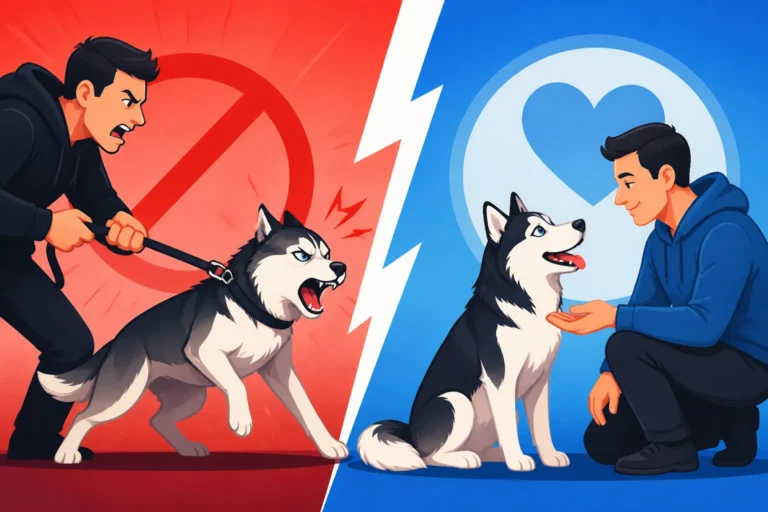
This can also extend to how they respond to your methods. Huskies generally do not respond well to harsh corrections or force. If you're using a training technique that they find unfair, confusing, or too demanding, their "talking back" might escalate into more significant protest, such as stubborn refusal to move or even a "scream" of indignation. This is why Why Force Training Fails on a Siberian Husky is so important to grasp; they thrive on positive reinforcement and clear, consistent communication, not coercion.
How to Respond to Your Husky's Vocalizations During Training
Responding effectively to your Husky's "talking back" during training is an art form. It's about finding the balance between acknowledging their unique communication style and ensuring it doesn't become a means to avoid training or demand inappropriate attention. The goal isn't to silence your Husky completely – that's often impossible and goes against their nature – but to manage the vocalizations so they don't hinder your progress or become overly disruptive.
Differentiating Between Communication and Disruption
The first, and arguably most crucial, step is to learn the nuance of your Husky's vocalizations. Is that "aroooo" a genuine expression of confusion or frustration with a complex task, or is it a dramatic performance designed to get a reaction out of you? A truly frustrated or confused Husky might exhibit other signs too: furrowed brow, ears slightly back, hesitant body language. An attention-seeking Husky, on the other hand, might lean into the performance, making eye contact, escalating the volume, or adding dramatic body movements.
If it's genuine confusion, your response should be empathetic: simplify the task, take a step back, or change the context. Maybe your current training method isn't clicking. If you're using a BAXTER & Bella online training program, perhaps review their troubleshooting guides for specific behaviors or try a different approach suggested there. For instance, if you're trying to teach a "stay" and they're grumbling, perhaps shorten the duration, reduce distractions, or use a higher-value reward. Your goal is to alleviate their stress and help them understand.
If it's a clear bid for attention or a way to avoid work, then your response needs to be calm and disengaging. Giving them any attention, even negative, reinforces the behavior. This is where strategic ignoring comes in. A common mistake is to react instantly, which inadvertently teaches them that vocalizing works. Understanding this distinction allows you to tailor your response to the root cause, rather than just the symptom.
Strategic Ignoring and Redirection Techniques
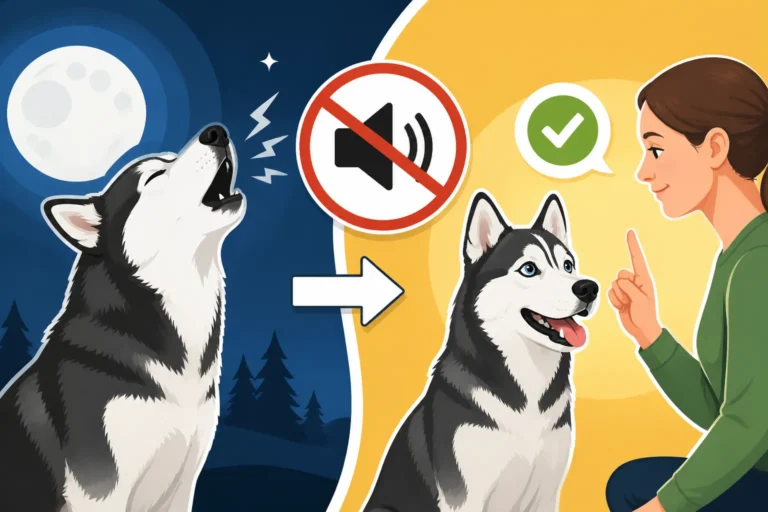
When you've determined your Husky's vocalization is primarily attention-seeking or an attempt to avoid a task, strategic ignoring is your best friend. This doesn't mean you become completely unresponsive to your dog, but rather that you withhold the desired attention at that specific moment. For example, if your Husky "arooos" loudly when you ask for a "down," simply pause, turn your back, or even walk a few steps away. The moment they quiet down, even for a second, turn back and re-engage, rewarding the silence or the calm demeanor.
Consistency is absolutely vital here. If you sometimes give in, even with a quick glance or a "shush," you've just reinforced their belief that their vocalizations can work. It can be incredibly difficult to ignore a dramatic Husky, especially one that sounds like it's throwing a full-blown toddler tantrum, but it's essential for teaching them that calm behavior gets results. You might consider using a clicker, as recommended in Clicker Training a Siberian Husky, to mark the exact moment of silence or desired behavior, making your communication even clearer.
Redirection can also be effective. If your Husky is talking back due to boredom or frustration, instead of solely ignoring, try to redirect their energy. Introduce a quick, easy cue they know perfectly, reward them generously, and then return to the more challenging task. Or, offer a high-value chew toy or a puzzle feeder (many options available on Amazon) for a short break, then resume training. The aim is to shift their focus from the vocal protest to a more appropriate outlet or a successful, quiet interaction.
Leveraging Vocalization as a Training Tool
While it might seem counterintuitive, you can actually use your Husky's natural vocal tendencies to your advantage in training. Instead of trying to suppress all vocalization, why not teach them to "speak" on cue? This gives them an approved outlet for their talkativeness and can even reduce unsolicited vocalizations, as they learn there's a specific time and place for their chatty expressions.
To do this, wait for your Husky to naturally vocalize, say "speak!" or "talk!", and then immediately reward them. Repeat this process, gradually shaping the behavior until they vocalize when you give the cue. This can be a fun trick to show off, and it satisfies their innate need to communicate verbally. This teaches them that you control the "conversation," rather than them dictating when they get to be heard.
Furthermore, you can use subtle vocalizations as indicators. For example, if your Husky makes a soft grumble before settling into a "down-stay," you might learn that this sound precedes successful compliance, even if it's a minor protest. You can reward the ultimate desired behavior (the "down-stay") and gently discourage the pre-protest with a soft "shush" or a pause if it's too much. It's about listening to their "voice" while still guiding them toward desired training outcomes. Remember, Food Rewards a Siberian Husky Will Work For can be varied to keep their motivation high, from small bits of cheese to commercial training treats like those you might find on Amazon.
| Vocalization Type | Common Interpretation (During Training) | Effective Response Strategy |
|---|---|---|
| Aroooo / Howl | "I'm expressing myself," "I'm bored," "I want attention," "I'm excited!" | Disengage if attention-seeking, re-engage when quiet. Shorten sessions. |
| Grumbles / Huffs | "I don't like this," "I'm thinking about it," "Are you serious?" | Simplify task, make it easier, or redirect to a known cue. |
| Sighs (dramatic) | "I'm so put out," "This is beneath me," "I'm done." | Strategic ignoring, then reward calm, quiet compliance. |
| Whines (low, soft) | "I'm confused," "I'm anxious," "I need something." | Assess underlying need (potty, water, clarification). |
| Screams (high-pitched) | Extreme frustration, panic, or over-arousal. | Remove dog from situation, calm down, re-evaluate stressors. |
| Barks (rare but possible) | "Stranger danger" (outside), frustration, or excitement. | Redirect focus, ensure proper socialization, manage environment. |
Embracing the Husky Personality: Turning "Talking Back" into a Training Asset
Living with a Siberian Husky means embracing their unique personality, and their vocal nature is undoubtedly a big part of that. Instead of viewing their "talking back" as a flaw to be corrected, shift your perspective to see it as an opportunity for deeper connection and more nuanced training. This breed thrives on partnership and understanding, and when you learn to speak their language (and they yours), your bond will flourish.
Building a Stronger Bond Through Understanding
When you stop fighting your Husky's vocalizations and start trying to understand them, a whole new level of communication opens up. Instead of just hearing noise, you begin to hear nuances: the "I'm trying, but this is hard" grumble, the "Are we there yet?" arf, or the "Finally! You got it right!" excited whine. This understanding builds trust, as your Husky realizes you're listening to them, even if you're not always giving in to their demands.
This empathetic approach strengthens your bond immensely. When your Husky feels heard and understood, they are more likely to cooperate and engage willingly in training. It fosters a relationship based on mutual respect, rather than a master-servant dynamic. This is particularly important for an independent breed like the Husky, who responds best to collaboration. Their Siberian Husky Intelligence and Independence means they want to be part of the team, not just a pawn in your game.
Consider the times your Husky doesn't talk back during training. Those moments of quiet focus are valuable, and they often come after you've successfully navigated a period of vocal communication. Celebrate these quiet successes, reinforcing that calm attention yields the best rewards. Over time, your Husky will learn to modulate their vocalizations, saving their full "conversations" for appropriate moments.
Tailoring Training Methods to Their Unique Style
The Husky's vocal nature demands a flexible and creative approach to training. What works for a silent, eager-to-please retriever might utterly fail with a chatty, independent Husky. You need to become an adaptable trainer, ready to adjust your methods to suit their individual personality and communication style. This might mean shorter, more varied training sessions, or incorporating more interactive play into your routine.
For example, if your Husky is prone to dramatic "arooos" during leash training, you might need to focus more on rewarding silence and calm walking, or break up the walk with short bursts of play or sniffing time. Using a front-clip harness can also help manage their pulling, as discussed in "Why a Siberian Husky Pulls Harder in a Harness" (though I don't see this in the list, so I'll avoid linking it directly). The key is to avoid confrontation and instead find ways to make the desired behavior more appealing than their vocal protests.
Think about what truly motivates your specific Husky. Some are highly food-motivated, others live for play, and many thrive on praise and interaction. Whether Praise Alone Motivates a Siberian Husky can vary greatly, so experiment with different types of rewards and motivations. The more you tailor your approach to their unique drives and communication style, the more successful and less "talk-back-filled" your training will be.
Celebrating Their Quirks
Ultimately, a Siberian Husky's "talking back" is a defining characteristic of the breed. It's part of what makes them so endearing, so frustrating, and so unforgettable. Instead of trying to erase this part of their personality, learn to appreciate and even celebrate it. Your Husky isn't just a dog; they're a vocal, opinionated, and often hilarious companion.
Many Husky owners revel in their dog's ability to "talk" and even learn to have full-blown "conversations" with them. These interactions become inside jokes, cherished memories, and a hallmark of the Husky ownership experience. What might initially seem like defiance often transforms into a charming quirk that enriches your life. Embrace the grumbles, the "arooos," and the dramatic sighs – they are all part of the package when you bring a magnificent Siberian Husky into your home.
This celebration doesn't mean letting them run wild with their vocalizations, but rather understanding when to engage with it and when to gently guide them towards calmer behavior. It's about finding that sweet spot where you respect their expressive nature while still fostering a well-behaved, responsive dog. Your life with a Husky will never be quiet, but it will certainly be full of character, conversation, and love.
Disclaimer
This article is for general informational purposes only and does not constitute professional advice. Laws, prices and regulations vary by location and change over time. Consult a qualified professional for guidance on your specific situation.