Front-Clip Harnesses on a Siberian Husky
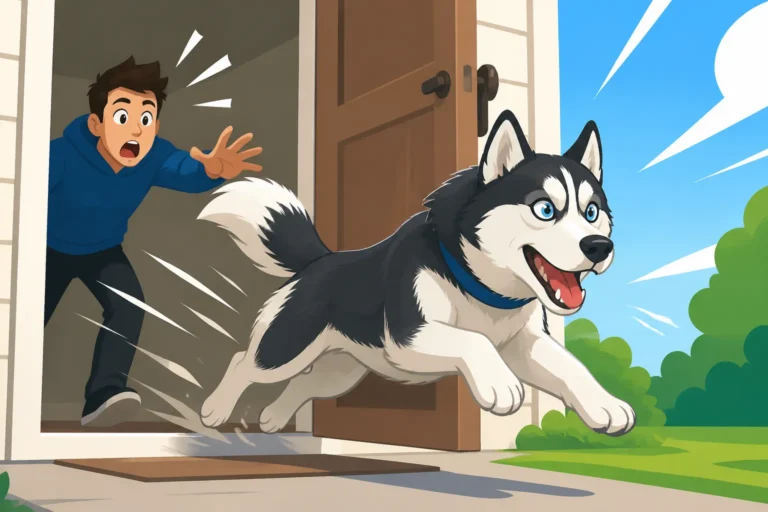
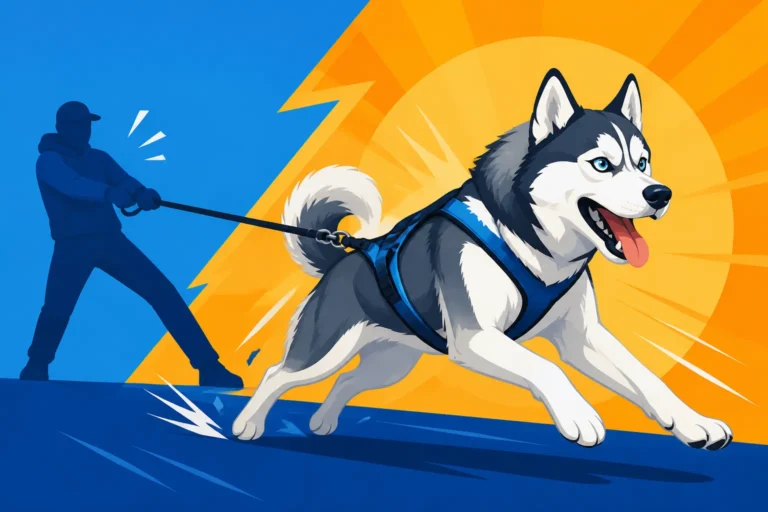
There’s a common scene played out in neighborhoods everywhere: a determined Siberian Husky dragging its owner down the street, seemingly impervious to all pleas and tugs. It’s a frustrating and often painful reality for many Husky parents who just want to enjoy a peaceful walk with their powerful, energetic companions. If you've found yourself dreading walks because your Husky transforms into a miniature sled dog the moment the leash clips on, you're in the right place. This guide will delve into how front-clip harnesses can be a game-changer for reclaiming your sanity and your arm strength on walks.
The Perennial Problem: Why Huskies Pull on Leash
It’s not just you; your Siberian Husky isn’t being defiant, they’re simply doing what they were bred to do. These magnificent dogs have a deep, ingrained instinct to pull, rooted in centuries of working as sled dogs in harsh Arctic environments. Understanding this isn't about excusing the behavior, but rather about recognizing the powerful genetic drive you're up against. It helps shift your perspective from "my dog is being bad" to "my dog is expressing a natural behavior that needs redirection." Their bodies are fundamentally built for propulsion, making the simple act of putting on a leash feel like an invitation to engage their prime directive: move forward with force.
The Instinct to Pull: Born for the Harness
Imagine a team of Huskies, harnessed together, pulling a sled across vast stretches of snow. Their bodies are built for it: strong shoulders, deep chests, and an enduring stamina that few other breeds possess. When you attach a leash to a collar or even a back-clip harness, your Husky feels that pressure and interprets it as a cue to engage their natural pulling mechanism. It’s not about disrespect; it’s about ingrained purpose. They aren't trying to make your life difficult; they're responding to a sensation that, for generations, has meant "go forward, pull hard." This inherent drive means that for many Husky owners, simply saying "heel" isn't enough when their dog's entire being is screaming "MUSH!" It’s a powerful internal dialogue that you, as their handler, need to gently redirect.
Traditional flat collars or even choke chains often prove ineffective, or worse, can cause discomfort and even injury to your Husky's delicate throat and neck. The forceful pulling against a neck collar can lead to tracheal damage, thyroid issues, or simply make walks a miserable experience for both of you. You might find yourself locked in a constant battle of wills, with your dog's strong neck muscles making short work of your attempts to correct their course. This constant tension can create a negative association with walks, turning what should be a bonding experience into a source of stress. It's a lose-lose situation that often leaves owners exhausted and dogs still pulling. Siberian Husky Leash Work Against a Pulling Instinct really highlights how deep this struggle can go and why traditional methods fall short.
Traditional Collars and the Husky's Neck
Many owners start with a standard flat collar, thinking it will be sufficient, only to quickly realize it's no match for their Husky's determination. The problem isn't just the lack of control; it's the potential for physical harm. A Husky pulling against a flat collar puts immense pressure on their trachea, which can lead to coughing, gagging, or even long-term damage to the delicate structures in their neck. Imagine the strain on your own throat if you were constantly being pulled forward by your neck – it's certainly not comfortable, nor is it effective for teaching polite leash manners. The Husky's strong neck is designed to withstand frontal pressure, which a collar only exacerbates.
Beyond the physical discomfort, traditional collars often fail to provide any meaningful communication. A quick tug on a flat collar might get your Husky's attention for a second, but it rarely translates into lasting loose-leash walking. The dog quickly learns to "brace" against the pressure, further engaging their pulling muscles. Even chain or prong collars, while sometimes offering more immediate correction, can be misused and cause pain or fear, damaging the bond you share with your Husky. They also don't fundamentally change the dog's desire to pull, only suppressing it through aversion, which can lead to other behavioral issues down the line as your dog associates walking with discomfort or punishment. It's truly a complex issue for Harness Against Collar for a Siberian Husky, and finding a solution that promotes well-being is paramount.
Enter the Front-Clip Harness: A Game Changer?
So, if traditional collars aren't the answer and back-clip harnesses just encourage pulling, what’s a devoted Husky parent to do? This is where the front-clip harness enters the scene, often heralded as a revelation for those struggling with strong pullers. It's not a magic bullet, but it's certainly a tool that leverages your Husky's own mechanics against their pulling instinct, making walks far more manageable and enjoyable for everyone involved. Think of it as a clever bit of engineering designed to make communication clearer and control gentler, shifting the power dynamic in a much healthier way.
How a Front-Clip Harness Works Its Magic
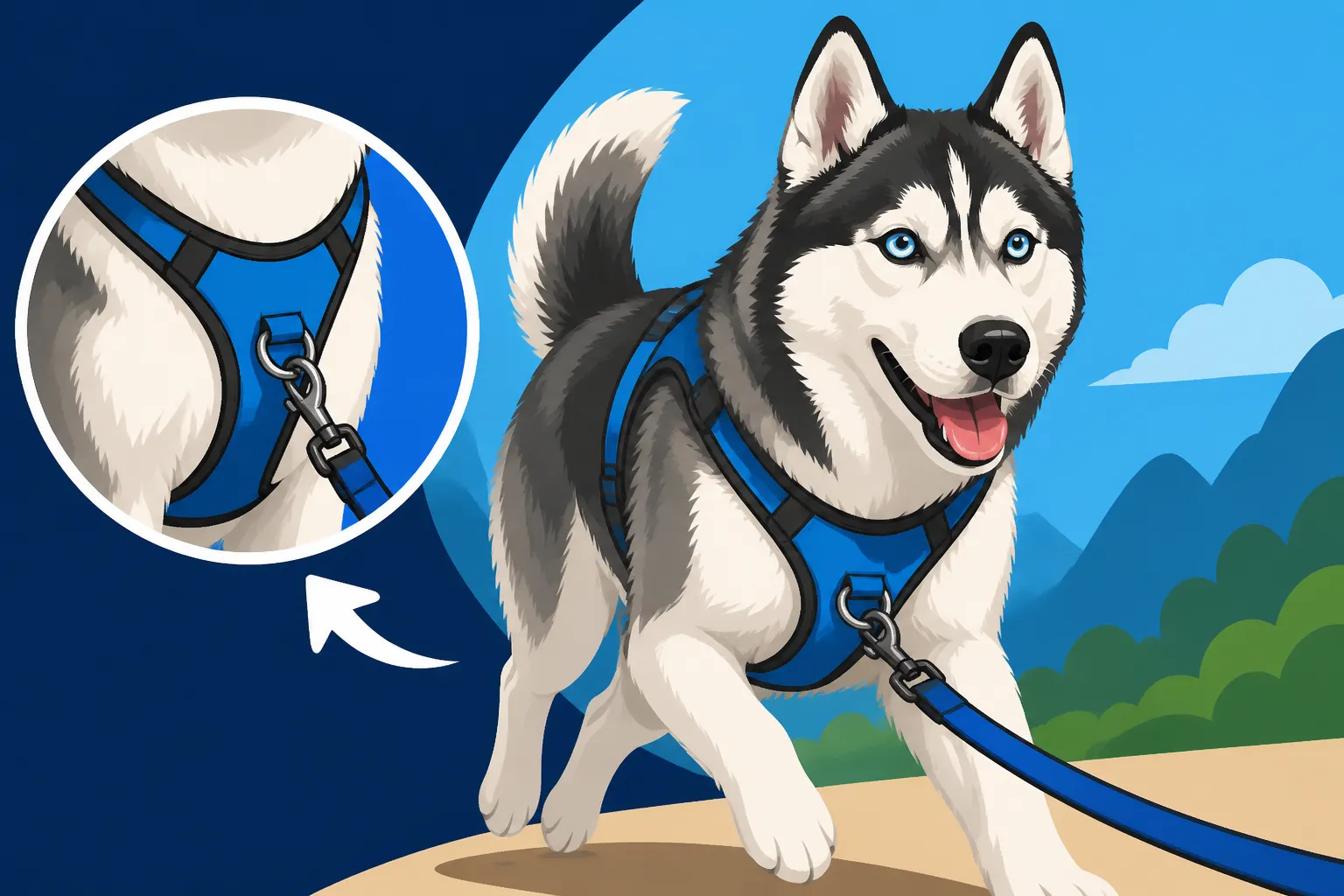
Unlike traditional harnesses that clip on the back, the front-clip harness features a D-ring or attachment point at your Husky's chest. When your dog starts to pull ahead, the leash pressure from this front attachment gently redirects their momentum to the side, turning their body towards you. Instead of being able to lean into the pull and power forward, they're subtly steered off course. This disorients their forward drive and makes pulling inefficient and uncomfortable, though not painful. It's a brilliant, non-aversive way to say, "Hey, wait up! Let's go this way instead." The key is that it disrupts their ability to exert their full strength forward, encouraging them to walk beside you, without causing any harm or fear.
This redirection works wonders because it takes advantage of the Husky's natural biomechanics. Their powerful shoulders and chest are designed to push forward, but when the pressure comes from the side, it forces them to shift their weight and reorient themselves. It’s like trying to push a shopping cart by pushing on its side – it just doesn’t go where you intend, and it becomes far less efficient. Many owners report an almost immediate reduction in pulling once they switch to a properly fitted front-clip harness, as the dog quickly learns that pulling simply doesn't get them to their desired destination efficiently. This method truly helps you take back control without having to resort to harsh corrections or constantly fighting against their immense strength. Holding a Siberian Husky That Outweighs Your Grip becomes a much more realistic proposition.
Not All Front-Clips Are Created Equal: Choosing Wisely
Just like with any dog gear, there's a wide range of front-clip harnesses on the market, and choosing the right one for your sturdy Siberian Husky is crucial. You'll want something durable, comfortable, and secure. Look for harnesses made from strong, woven nylon or similar robust material that can withstand your Husky's strength and outdoor adventures. Padded straps can enhance comfort, preventing chafing under their arms and across their chest, which is especially important for active dogs that might be out for extended periods. Some popular brands offer excellent options, readily available on platforms like Amazon, but always read reviews specific to large, strong breeds. Pay attention to the stitching and hardware quality, as a strong Husky can put a surprising amount of strain on these components.
Consider the design: some harnesses feature multiple adjustment points, allowing for a more custom, snug fit, which is paramount for a breed known for its escape artistry. A harness that's too loose can be wiggled out of in seconds, turning your pleasant walk into a frantic chase. Look for secure buckles and strong stitching to ensure longevity and safety. Reflective elements are also a huge plus, especially if you walk your Husky during early mornings or late evenings, adding an extra layer of visibility. Remember, a cheap, flimsy harness will likely not last long against the sheer will and power of a determined Husky, making the initial investment in a quality product well worth it.
Fitting Your Husky for Maximum Effect
A front-clip harness is only as effective as its fit. A poorly fitted harness can still allow pulling, chafe your dog, or worse, become a safety hazard. When you're fitting your Siberian Husky, aim for snug, but not tight. You should be able to comfortably slip two fingers under the straps at any point, ensuring there’s no restriction but also no room for escape. The chest strap, where the front clip is located, should sit horizontally across your Husky's chest, just above the "keel bone" (sternum), ensuring it doesn't ride up into their throat or interfere with their natural gait. The strap around their ribs should sit far enough back to avoid interfering with their leg movement or causing discomfort in their armpits.
Take your time with the adjustment. It might require a few tries, especially with a wiggly Husky. Start by putting the harness on in a calm environment, offering treats and praise so your dog associates it with positive experiences. After the initial fit, take a short walk and observe. Does it rub anywhere? Does it shift excessively, particularly when they try to pull or change direction? Can your Husky back out of it if they try? Adjust as needed. A proper fit ensures comfort, security, and maximizes the redirecting power of the front clip. A well-fitted harness is a key component to a successful walk, making it far harder for your dog to turn into a furry rocket, and much more likely that you'll have a pleasant experience.
Training with a Front-Clip Harness: Beyond the Equipment
While a front-clip harness is an excellent tool, it's essential to remember that it is just that – a tool. It assists in managing pulling, but it doesn't magically teach your Siberian Husky loose-leash walking skills. True progress comes from combining this effective equipment with consistent, positive reinforcement training. Your Husky is incredibly intelligent and learns quickly, especially when there's a rewarding outcome. The harness creates an opportunity; your training seals the deal. Without proper training reinforcement, even the best equipment will only offer temporary relief from pulling.
Coupling the Harness with Positive Reinforcement
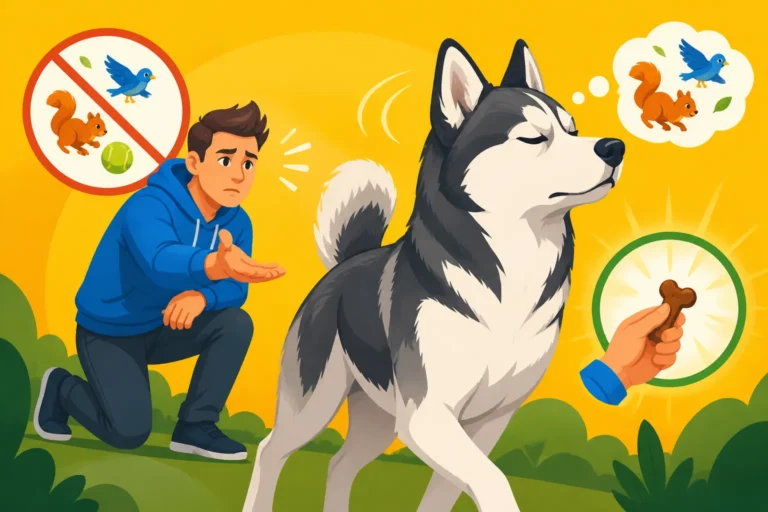
Using a front-clip harness provides you with a physical advantage, but positive reinforcement is what truly motivates your Siberian Husky to choose good behavior. Every time your Husky walks with a loose leash, even for just a few steps, mark that moment with a verbal cue like "Yes!" or a clicker, followed immediately by a high-value treat. This teaches them that walking politely earns them rewards, rather than pulling getting them nowhere. The harness makes it easier for them to succeed because it reduces the physical sensation of pulling, and your rewards cement that success by making the good behavior desirable. Think of it as creating a clear communication channel where loose leash equals delicious outcomes.
Practice in low-distraction environments first, gradually increasing the complexity as your Husky masters the skill. Start in your quiet backyard, then move to a calm street, and eventually to more stimulating environments like a park or busy sidewalk. Consistency is paramount. Everyone who walks your Husky should use the same technique and the same harness. If one person allows pulling, it undermines all the hard work everyone else is putting in. You want to build a clear association: loose leash equals good things. Online programs, like those offered by BAXTER & Bella, often provide structured training plans that integrate equipment like front-clip harnesses with comprehensive positive reinforcement strategies, guiding you step-by-step through the process of teaching polite leash manners and ensuring everyone in the household is on the same page.
The Long-Term Goal: Loose Leash Walking Skills
The ultimate aim isn't to rely on the front-clip harness forever, but to use it as a bridge to truly teach your Siberian Husky how to walk politely on a loose leash. As your Husky learns to respond to the gentle redirection of the harness and associates loose-leash walking with rewards, you'll start to see a shift in their understanding. The harness provides immediate feedback, giving you leverage to reward correct behavior before the pulling becomes habitual and ingrained. This is where you really build those fundamental skills, enabling your dog to make better choices on their own. The goal is a dog that chooses not to pull, rather than one that is simply prevented from pulling.
Think of it as learning to ride a bike with training wheels. The training wheels (front-clip harness) provide stability and prevent crashes (pulling), allowing the rider (your Husky) to focus on pedaling and steering. Once they're confident and competent, the training wheels can eventually come off. In your Husky's case, as they consistently walk politely, you might find you can transition to a different type of harness or even a collar for short, controlled walks in very familiar, low-distraction areas. However, for a breed with such a strong pulling instinct, many owners wisely choose to continue using a front-clip harness for most walks, simply because it makes the experience more pleasant and safer for everyone involved. For a deep dive into specific techniques, check out Teaching a Siberian Husky to Heel on One Side and The Cues a Siberian Husky Needs in Harness.
Common Pitfalls and What to Watch Out For
While front-clip harnesses are incredibly helpful, they're not foolproof, especially when dealing with a smart, determined, and sometimes mischievous Siberian Husky. It's crucial to be aware of potential challenges and how to address them to ensure both your safety and your Husky's comfort. Understanding these common pitfalls will help you manage expectations and troubleshoot issues proactively, preventing frustration down the line and ensuring your walks remain a positive experience.
Huskies and Their Houdini Tendencies
Siberian Huskies are notorious escape artists. Their flexibility, intelligence, and sheer will mean they can often wriggle out of collars and harnesses that would hold other breeds. A poorly fitted front-clip harness becomes just another challenge for your Husky to conquer. If the harness isn't snug enough, or if the straps are positioned incorrectly, a determined Husky can back out of it surprisingly fast, especially if they're spooked, highly motivated to chase something enticing, or simply decide they're done with the walk. This is a critical safety concern, as a loose Husky can quickly become a lost Husky, or worse, put themselves in danger in traffic or unfamiliar environments. Why an Escaped Siberian Husky Is a Health Risk is a topic no one wants to experience.
Always double-check the fit before leaving the house, and be particularly vigilant during moments of high excitement or distraction. If you suspect your Husky might be a potential escape artist, consider pairing the front-clip harness with a flat collar and using a double-ended leash, clipping one end to the harness and the other to the collar. This provides a backup in case they manage to slip one of the attachments. There are also "escape-proof" or "triple-strap" harnesses available from brands like Ruffwear and Blue-9 Pet Products (often found on Amazon) designed with extra security in mind, which can be a worthy investment for particularly slippery Siberians who always seem to find a way out.
When a Front-Clip Isn't Enough
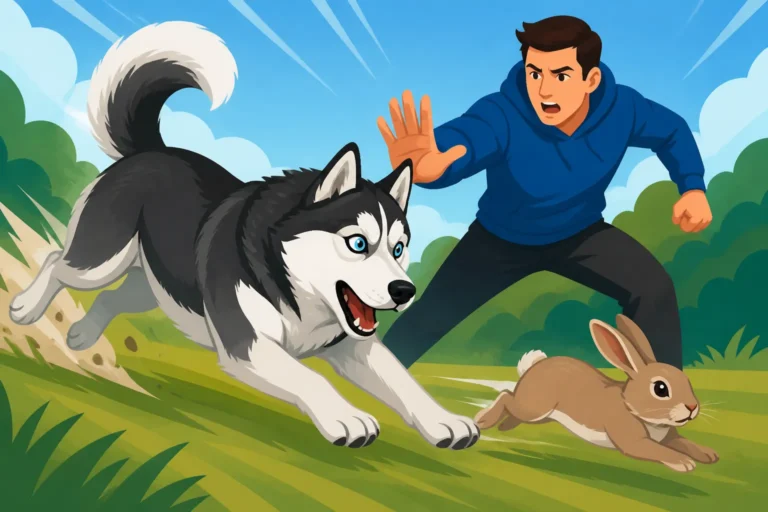
While highly effective for many, a front-clip harness might not be a complete solution for every Siberian Husky, particularly those with extremely high prey drive, reactivity, or strong established habits of pulling. If your Husky's pulling is deeply entrenched, or if they're lunging aggressively at other dogs or wildlife, the harness alone might not be sufficient to manage their behavior safely. It provides mechanical redirection, but it doesn't address the underlying emotional or instinctual drivers that fuel these intense behaviors. A Siberian Husky That Pulls Toward Other Dogs might need more than just a harness to learn polite greetings.
In such cases, it's wise to consult with a professional positive reinforcement dog trainer who has experience with strong, independent breeds like Huskies. They can help you develop a comprehensive training plan that combines the use of the front-clip harness with behavior modification techniques, counter-conditioning, and desensitization exercises. Sometimes, it takes a multi-faceted approach to truly change deeply ingrained behaviors, and an expert eye can pinpoint specific triggers and optimal strategies. The front-clip harness is a fantastic starting point and a powerful aid, but it shouldn't replace consistent training and, when necessary, professional guidance. For dogs that truly enjoy their pulling work, consider providing an outlet, such as Canicross and Bikejoring With a Siberian Husky, to fulfill that drive in a safe, controlled way, reserving the front-clip for casual walks.
Comparative Table of Harness Types for Siberian Huskies
| Harness Type | Pros | Cons | Best For | Not Ideal For |
|---|---|---|---|---|
| Front-Clip | Reduces pulling by redirecting momentum; safer for throat than collars; excellent for training loose-leash manners; offers good control. | Can tangle legs if poorly fitted or dog changes direction suddenly; might chafe if not padded or adjusted incorrectly; not suitable for heavy pulling activities like sledding. | Everyday walks where control is needed; initial loose-leash training; managing strong pullers; active dogs requiring better manners. | Sledding or other working tasks that require forward pulling; dogs with sensitive skin or existing chafing issues. |
| Back-Clip | Generally comfortable for long wear and does not restrict shoulder movement; easy to put on and take off; good for dogs that already walk well. | Encourages pulling because it allows the dog to lean into the harness with their full body weight; offers very little control for strong pullers; can get tangled in a thick Husky coat. | Dogs that are already reliable loose-leash walkers; casual outings where pulling isn't a concern; small, non-pulling breeds. | Strong pullers; dogs needing leash manners training; reactive dogs where quick control is essential; dogs with a high prey drive. |
| Head Halter (Gentle Leader) | Provides excellent control over the head, giving the handler significant leverage; immediate redirection of focus; can be highly effective for extreme pullers or reactive dogs. | Many dogs dislike the sensation on their muzzle and require extensive desensitization; can be mistaken for a muzzle, which some owners dislike; potential for neck strain if dog lunges suddenly without proper handling. | Extreme pullers unresponsive to other tools; highly reactive dogs needing maximum head control; short-term behavioral modification with professional guidance. | Owners unwilling to dedicate time to desensitization; dogs with neck injuries or respiratory issues; as a long-term primary walking tool without supplemental training. |
| Martingale Collar | Designed to prevent slipping out, making it safer for "Houdini" dogs than a flat collar; provides a gentle tightening action under pressure; less severe than a choke or prong collar. | Does not inherently stop pulling; can still cause throat pressure if the dog constantly pulls against it; offers less direct steering control compared to a front-clip harness. | Dogs known to slip out of flat collars; as a backup safety measure when used with a front-clip harness or for well-behaved dogs in securely fenced areas. | As a primary tool for strong, persistent pullers; for dogs needing significant behavior modification to learn not to pull. |
Disclaimer
This article is for general informational purposes only and does not constitute professional advice. Laws, prices and regulations vary by location and change over time. Consult a qualified professional for guidance on your specific situation.