Whether a Siberian Husky Can Jog Beside You
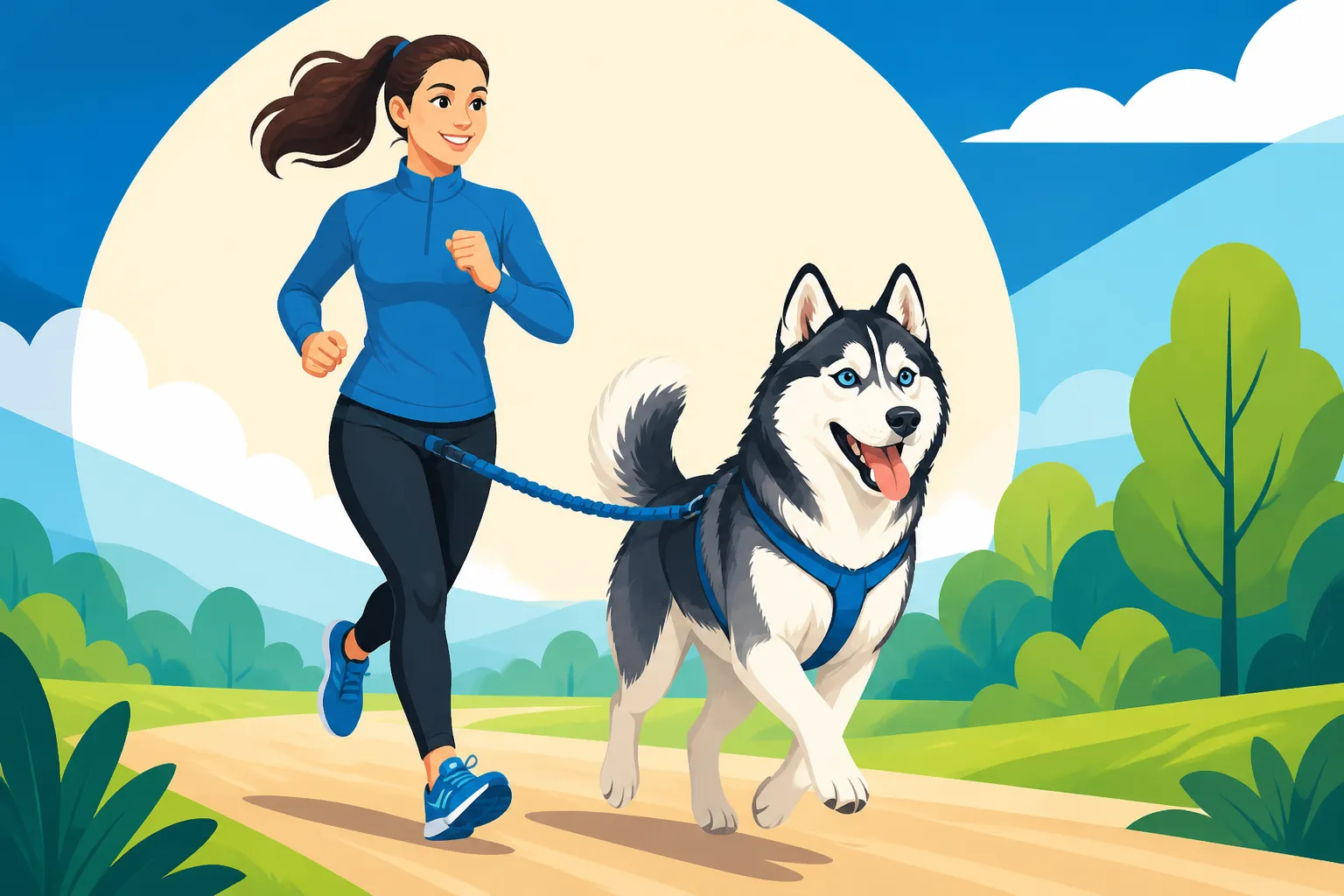
It's a common dream for many runners: picturing your beautiful, athletic Siberian Husky trotting gracefully beside you, a perfect running companion for miles on end. The reality, however, often looks a little different. Instead of a harmonious cadence, you might find yourself in a constant tug-of-war, your arm being wrenched out of its socket as your Husky tries to convert your leisurely jog into a full-blown sled pull. This guide is here to help you understand why that happens and how you can actually train your Siberian Husky to jog politely beside you, or, perhaps, explore other activities that better suit their inherent instincts.
Understanding the Siberian Husky's Instinct to Pull
Let's be honest, asking a Siberian Husky not to pull is like asking a bird not to fly. Their very essence, their historical purpose, is rooted in pulling. It's not a flaw; it's a feature. If you want to successfully jog with your Husky, you first need to acknowledge and understand this fundamental aspect of their breed.
The "Pulling" Breed: Why They're Built for It
Siberian Huskies were developed by the Chukchi people of northeastern Asia specifically for pulling light loads over long distances at a moderate pace in extremely cold conditions. Think about that for a moment: pulling was their job description. Their physiology is perfectly adapted for it. They have powerful, well-angulated hindquarters that act like pistons, driving them forward. Their efficient, ground-covering gait is designed for endurance, not necessarily for a tight, disciplined heel beside a human trying to get their morning miles in.
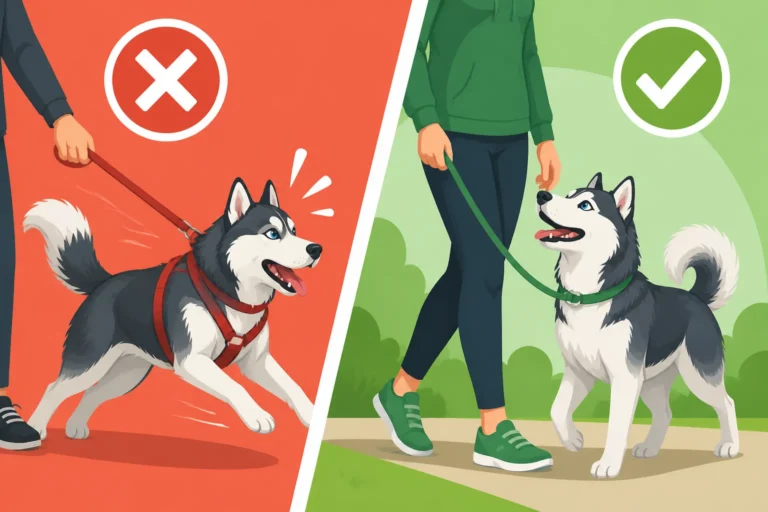
When your Husky feels the gentle tension of a leash, their genetic programming kicks in. That sensation on their chest or neck, which for many other breeds signifies "slow down" or "stay with me," for a Husky, often means "engage the muscles, lean into it, and go!" It's less about them being disobedient and more about them doing exactly what their ancestors were bred to do. This instinct is incredibly strong and can be a source of constant frustration for owners who don't understand its depth. They're not being stubborn; they're being a Husky.
The Difference Between a Walk and a "Job"
For a Siberian Husky, a casual walk around the block might feel fundamentally different from a dedicated exercise session. When you put on their harness and head out for a jog, they often interpret this as a "job." And for a Husky, a job usually involves working, which means pulling. It's a mental switch that flips.
They differentiate between the slow, sniff-heavy stroll where they might wander and investigate, and the more purposeful, faster pace you adopt for a run. During a run, they might assume you want them to put their shoulder into it and contribute to the forward motion. This is why loose-leash walking, a skill many owners strive for, often feels like fighting against their natural inclination. They possess immense energy and when unleashed (metaphorically speaking, of course – never literally unleash a Husky!), they want to convert that energy into forward momentum, often at speeds and with pulling power that can easily overwhelm a human runner.
Mental vs. Physical Drive: More Than Just Speed
It's a common misconception that if you just tire out a Husky physically, all their behavioral quirks will disappear. While physical exercise is absolutely crucial for this high-energy breed, it's not the whole picture. Siberian Huskies also have a significant mental drive. They are intelligent, problem-solving dogs who need engagement beyond just running.
A jog where they're constantly corrected for pulling, or where they're just mindlessly trotting alongside you, might not be fulfilling their mental needs. Their minds might still be buzzing, looking for an opportunity to chase a squirrel, investigate a scent, or simply take the lead. This combination of physical prowess and mental independence is what makes them such unique athletes, but also such challenging running partners if not properly managed. You might be exhausted, but your Husky could still be ready for more, especially if the activity hasn't tapped into their innate drives. For many Huskies, a "job" that allows them to use their pulling muscles provides a far more satisfying workout than merely being forced to "heel."
Training Your Siberian Husky for Loose-Leash Jogging
So, you understand why they pull. Now, how do you work with that powerful instinct to achieve your jogging goals? It’s not impossible, but it requires patience, consistency, and the right tools. It's about teaching them that there are different kinds of "jobs," and sometimes, the job is to move with you, not ahead of you.
Starting Early and Being Consistent
The best time to teach a Siberian Husky anything is when they're a puppy. Puppyhood offers a golden window for socialization and foundational training. Start with short, positive loose-leash walking sessions from the moment you bring your puppy home. Even if you're just walking, establish the expectation that the leash means staying by your side without pulling. Use high-value treats and praise every time they walk politely, even for a few steps.
If you have an adult Husky who already has a pulling habit, don't despair! It will simply require more dedication and patience. Consistency is key. Every time you go out, whether it's a short potty break or a long run, reinforce the "no pulling" rule. Allowing them to pull "just this once" undermines all your hard work. Remember, Huskies are smart but also notoriously independent. They'll quickly learn if they can get away with something. Focus on frequent, shorter training sessions rather than long, frustrating battles. The Training an Independent Siberian Husky article delves deeper into strategies for this breed.
Essential Tools for Managing a Husky on a Jog
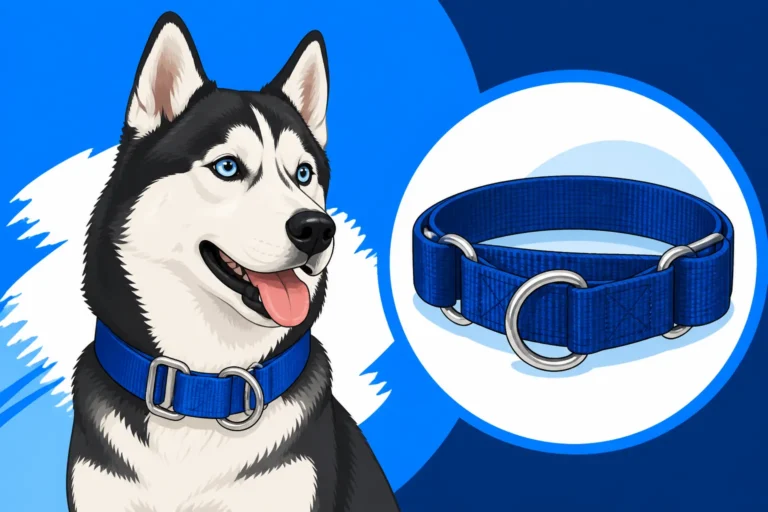
Choosing the right equipment can make a world of difference in your success. A standard collar and leash, or even a back-clip harness, often just provides a more comfortable way for a Husky to pull with their full body weight.
- Front-Clip Harnesses: These are often the hero for teaching a Husky not to pull. A front-clip harness has the leash attachment point on the dog's chest. When your Husky pulls, the leash redirects them gently to the side, turning them back towards you. This makes it physically difficult and uncomfortable for them to pull forward with all their might. Brands like Easy Walk or Freedom Harness are popular choices. It doesn't hurt them, but it discourages the forward momentum. This is a game-changer for many owners trying to gain control without resorting to harsh methods. For more information, check out Front-Clip Harnesses on a Siberian Husky.
- Hands-Free Leashes: These are fantastic once your Husky has mastered loose-leash jogging. They clip around your waist, allowing you to run naturally without holding a leash. However, they are not a training tool. If your Husky still pulls, a hands-free leash will just mean you're being pulled by your waist instead of your arm, which can be dangerous for you both. Only graduate to these once your Husky truly understands how to jog politely beside you.
- High-Value Treats: Huskies are often motivated by food. Find what your Husky considers irresistible – perhaps bits of cooked chicken, cheese, or specialized training treats. These will be your primary reward system.
Mastering the "Heel" Command
The "heel" command (or "close," "with me," etc.) is your cornerstone for polite jogging. This command teaches your Husky to walk or run directly beside you, usually on your left side, with slack in the leash.
- Start in a Quiet Area: Begin in your home or a very low-distraction backyard. Hold a high-value treat in your hand, close to your side where you want your Husky to be.
- Lure and Reward: Lure your Husky into the heel position with the treat. As soon as they are there, mark the behavior (with a clicker or a verbal "yes!") and immediately give them the treat. Take a step or two, lure them back into position, and reward.
- Add the Cue: Once they understand the position, add your verbal cue ("Heel," "Jog," "With me") just before you lure them into position.
- Gradual Increase in Distraction and Duration: Slowly increase the number of steps you take before rewarding. Then, move to slightly more distracting environments (your quiet street, a park during off-peak hours). The goal is to build up the duration and resistance to distractions over time.
- Change of Pace: Practice "heel" at both walking and jogging speeds. Your Husky needs to understand the command applies regardless of your pace. The article Teaching a Siberian Husky to Heel on One Side offers further tips on this specific skill.
- Consistency is King: Remember, one polite jog doesn't mean the work is done. This is an ongoing process of reinforcement and practice. Every outing is a training opportunity.
The Realities of Jogging with a Siberian Husky
Even with diligent training and the right gear, jogging with a Siberian Husky isn't always like running with a perfectly disciplined border collie. There are some very real factors unique to the breed that you need to consider.
Temperature Considerations: When It's Too Hot (or Too Cold)
Siberian Huskies are built for cold weather. Their dense double coat, a marvel of insulation, keeps them warm in sub-zero temperatures. This same coat, however, makes them incredibly susceptible to overheating in warmer climates or during intense exercise. Running in hot weather with a Husky is not just uncomfortable for them; it can be life-threatening.
- Heat Risk: Anything above 60-65°F (15-18°C) can be too warm for vigorous exercise, especially if it's humid or sunny. Always check the pavement temperature with the back of your hand – if it's too hot for you to hold your hand there for five seconds, it's too hot for your Husky's paws. Signs of overheating include excessive panting, drooling, lethargy, bright red gums, and stumbling. If you notice these, stop immediately, seek shade, and offer water. For more serious cases, consult Heat Stroke Risk in a Siberian Husky.
- Best Times to Run: In warmer months, plan your runs for early morning or late evening when temperatures are cooler. Stick to shaded trails if possible.
- Cold Tolerance: Huskies excel in cold. They can handle quite low temperatures for exercise, but even they have limits. During extreme cold, monitor for frostbite on their ears or paw pads, especially if they are thin-skinned or have previous injuries. Cold Tolerance Limits for a Siberian Husky provides more details. While they might love to play in the snow, vigorous exercise in truly extreme cold still requires common sense.
Pacing and Endurance: Matching Your Husky's Stride
Huskies are built for endurance, not necessarily speed bursts. Their natural trot is a ground-covering, efficient pace that allows them to travel for many miles without tiring. This means they might not be the best companions for a short, fast sprint interval workout.
- Long, Steady Pace: Your Husky will likely thrive on longer, steady jogs or runs rather than quick bursts. This matches their ancestral work ethic.
- Building Up: Just like humans, dogs need to build up their running endurance gradually. Don't take your couch-potato Husky on a 10-mile run on day one. Start with short distances, mixing walking and jogging, and slowly increase the duration and intensity over weeks or months. Pay attention to their cues: if they're lagging, constantly trying to stop, or excessively panting, it's time for a break or to end the run.
- Checking Their Health: Before starting any rigorous exercise program, especially with an adult Husky, get a full vet check-up to ensure they are healthy enough for the activity.
Distraction Management on the Trail
Here's where the Siberian Husky's independent, prey-driven nature truly shines (or rather, challenges you). These dogs have a formidable prey drive and an insatiable curiosity about their environment.
- The Squirrel Problem: A squirrel darting across your path, a rabbit hopping through the underbrush, or even a leaf blowing just right can trigger a powerful chase instinct. When this happens, all your training can vanish in an instant, and you'll find yourself being pulled with surprising force.
- Other Dogs and People: Huskies are generally friendly, but their enthusiasm can be overwhelming. They might want to greet every person and dog, making a smooth, continuous jog difficult.
- Scent-Driven Detours: Their keen noses will pick up fascinating scents that you completely miss. Expect them to want to stop, sniff, and investigate, which interrupts your running flow.
Strategies for managing distractions:
- High-Value Rewards: Keep those super-tasty treats on hand. If your Husky spots a distraction but chooses to check in with you instead, reward them heavily.
- "Look at Me" Command: Teach a strong "look at me" command. Practice it at home, then in increasingly distracting environments. This helps you re-engage their focus when something tempting appears.
- Change Direction: If you see a distraction ahead, quickly change direction before your Husky fixates. A sudden turn can break their focus and give you an opportunity to reward them for staying with you.
- Strong Leash Grip: Always maintain a firm, but not white-knuckled, grip on the leash. You need to be prepared for sudden lunges. Consider a Leashes That Hold a Siberian Husky That Lunges if you struggle with this.
- Practice, Practice, Practice: The more you expose your Husky to various environments while consistently reinforcing good behavior, the better they will become at ignoring distractions. The article Interrupting a Siberian Husky Mid-Chase gives detailed methods for managing this powerful instinct.
Alternative Ways to Exercise a Jogging-Oriented Husky
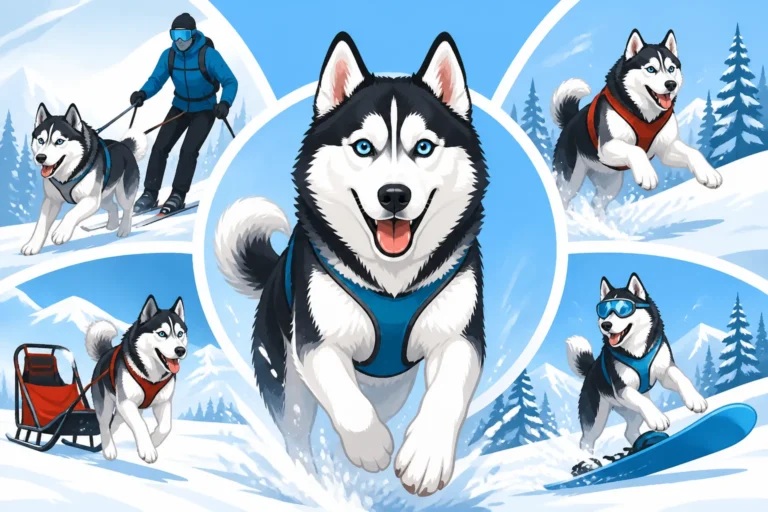
While it's certainly possible to train your Siberian Husky to jog politely beside you, sometimes it's more fulfilling for both of you to lean into their natural instincts rather than constantly fight them. There are fantastic canine sports designed for dogs like Huskies that embrace their desire to pull and run.
Canicross: Embracing the Pulling Instinct
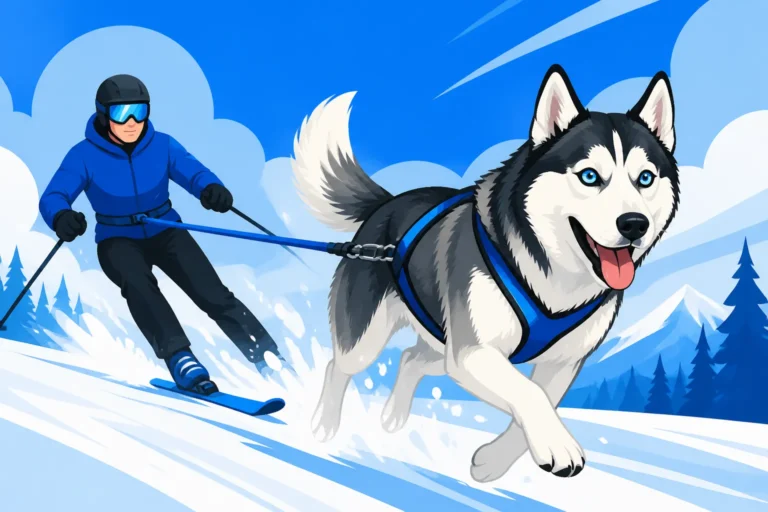
Canicross is essentially cross-country running with your dog attached to you via a specialized belt, harness, and bungee leash. The dog runs in front, pulling you, and you run along with them. This is often the ideal solution for a Husky owner who loves to run, because it allows your dog to do what they're naturally inclined to do: pull and run fast.
- What it Is: You wear a comfortable canicross belt around your waist or hips. Your dog wears a specially designed pulling harness that allows for free movement of their shoulders and distributes pressure evenly across their chest and back. A bungee leash connects your belt to their harness, absorbing shock and making the experience smoother for both of you.
- Why Huskies Love It: In canicross, pulling is not only allowed but encouraged! Your Husky gets to fulfill their innate desire to lead and work, engaging both their body and mind. It's a fantastic way to burn off energy and build a strong bond as you work as a team.
- Getting Started: You'll need the right gear (a proper canicross belt and a well-fitting pulling harness – not a regular walking harness). Start with short distances and gradually increase as both you and your dog build fitness. You'll also learn directional cues ("gee" for right, "haw" for left, "on by" for passing distractions). If you're keen to try this, read Starting Canicross With a Siberian Husky and specifically, Canicross Belts for Running a Siberian Husky.
- Contextual Brands: Many brands like Non-Stop Dogwear or Ruffwear offer excellent canicross-specific harnesses and belts suitable for Huskies. You can find a good selection on platforms like Amazon.
Bikejoring and Scootering for High-Energy Huskies
If you want an even faster pace or have multiple Huskies, bikejoring (being pulled by your dog while on a bicycle) or scootering (being pulled while on an unmotorized scooter) are excellent options. These activities allow your Husky to reach higher speeds and exert more power than you ever could on foot.
- The Thrill of Speed: Huskies are incredibly fast, and these sports let them truly open up and run. The sensation of being pulled by your powerful dog is exhilarating.
- Equipment: These activities require specific equipment, including a sturdy bike or scooter, a proper pulling harness for your dog, and a "bike antenna" or "bike arm" that keeps the bungee leash away from your front wheel.
- Safety First: Safety is paramount. Always wear a helmet and other protective gear. Practice in low-traffic areas and ensure your dog understands basic directional commands. Starting with one dog is often recommended. If this sounds exciting, check out Bikejoring Safely With One Siberian Husky.
- Channeling Instincts: Like canicross, these sports channel the Husky's natural pulling drive into a productive and fun activity, often leading to a much more settled and content dog at home.
Incorporating Variety and Mental Stimulation
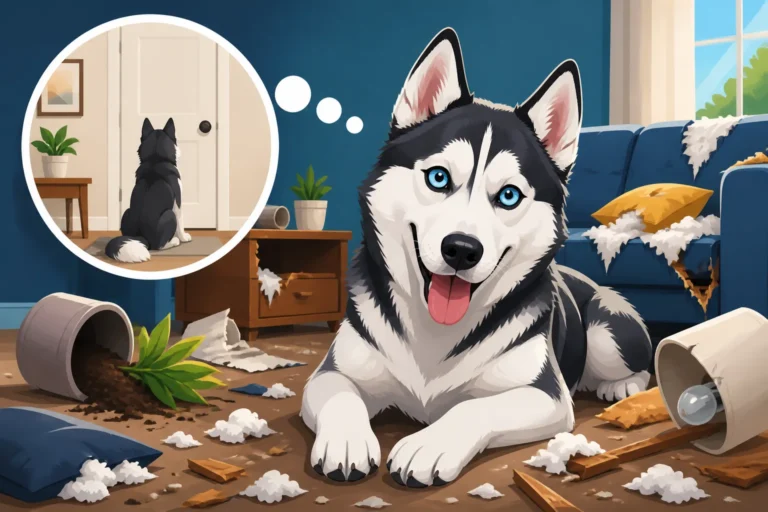
Remember, even if your Husky can jog politely beside you, or excels at canicross, variety is the spice of life for this intelligent breed. A dog that is physically tired but mentally bored can still be destructive or exhibit unwanted behaviors.
- Hiking and Trail Runs: Explore different trails. The varied terrain and new smells provide excellent mental stimulation.
- Nose Work/Scent Games: Huskies have good noses. Engaging them in scent detection games, either formal nose work classes or simple "find the treat" games at home, can be incredibly enriching.
- Puzzle Toys and Interactive Feeders: Make them work for their food! Puzzle Feeders a Siberian Husky Cannot Beat can keep their minds engaged during meal times. This helps with the Wearing Out a Siberian Husky Without Leaving the House challenge.
- Training Classes: Agility, obedience, or even trick training can build their confidence and strengthen your bond. BAXTER & Bella offers great online resources for dog training, including foundational skills that are useful for all types of activities.
By diversifying their activities, you're not only keeping them physically fit but also mentally stimulated, which contributes to a happier, healthier, and better-behaved Siberian Husky.
Here's a quick look at how different activities stack up for your Husky:
| Activity | Description | Husky Suitability | Key Benefits | Challenges |
|---|---|---|---|---|
| Loose-Leash Jogging | Running alongside you with a slack leash. | Moderate | Builds discipline, good for urban environments. | Requires extensive training, fights natural pulling instinct, distractions. |
| Canicross | Dog pulls you via a belt and bungee leash while you run. | High | Embraces pulling instinct, great physical and mental workout. | Requires specialized gear, dog must understand directional cues. |
| Bikejoring | Dog pulls you while you ride a bicycle. | High | High speed, intense workout, great for strong pullers. | Requires specialized gear, high safety considerations, needs open trails. |
| Scootering | Dog pulls you while you ride an unmotorized scooter. | High | Similar to bikejoring, good control, high intensity. | Requires specialized gear, needs open trails, balance required. |
| Hiking | Walking on varied trails, often off-leash in safe areas. | High | Mental stimulation from new scents, varied terrain, endurance. | Siberian Husky Prey Drive Around Small Animals, escape artist risk. |
| Dog Park (Fenced) | Supervised play with other dogs in a secure area. | Moderate | Socialization, burst energy release. | Not always enough mental stimulation, not all Huskies are dog-park dogs. |
| Backyard Play | Fetch, tug, zoomies in a secure yard. | Low to Moderate | Convenient, good for short bursts, but often not enough. | Can lead to boredom, digging, or escaping if not stimulated enough. |
While it's absolutely possible to teach your Siberian Husky to jog politely beside you, it's crucial to understand that it goes against a deeply ingrained instinct. For many Huskies, their ideal form of exercise involves a harness and the freedom to pull. By embracing activities like canicross or bikejoring, you can often achieve a more harmonious and fulfilling exercise routine for both you and your incredible Husky. Always prioritize their well-being, especially concerning temperature and ensuring their physical and mental needs are met.
Disclaimer
This article is for general informational purposes only and does not constitute professional advice. Laws, prices and regulations vary by location and change over time. Consult a qualified professional for guidance on your specific situation.