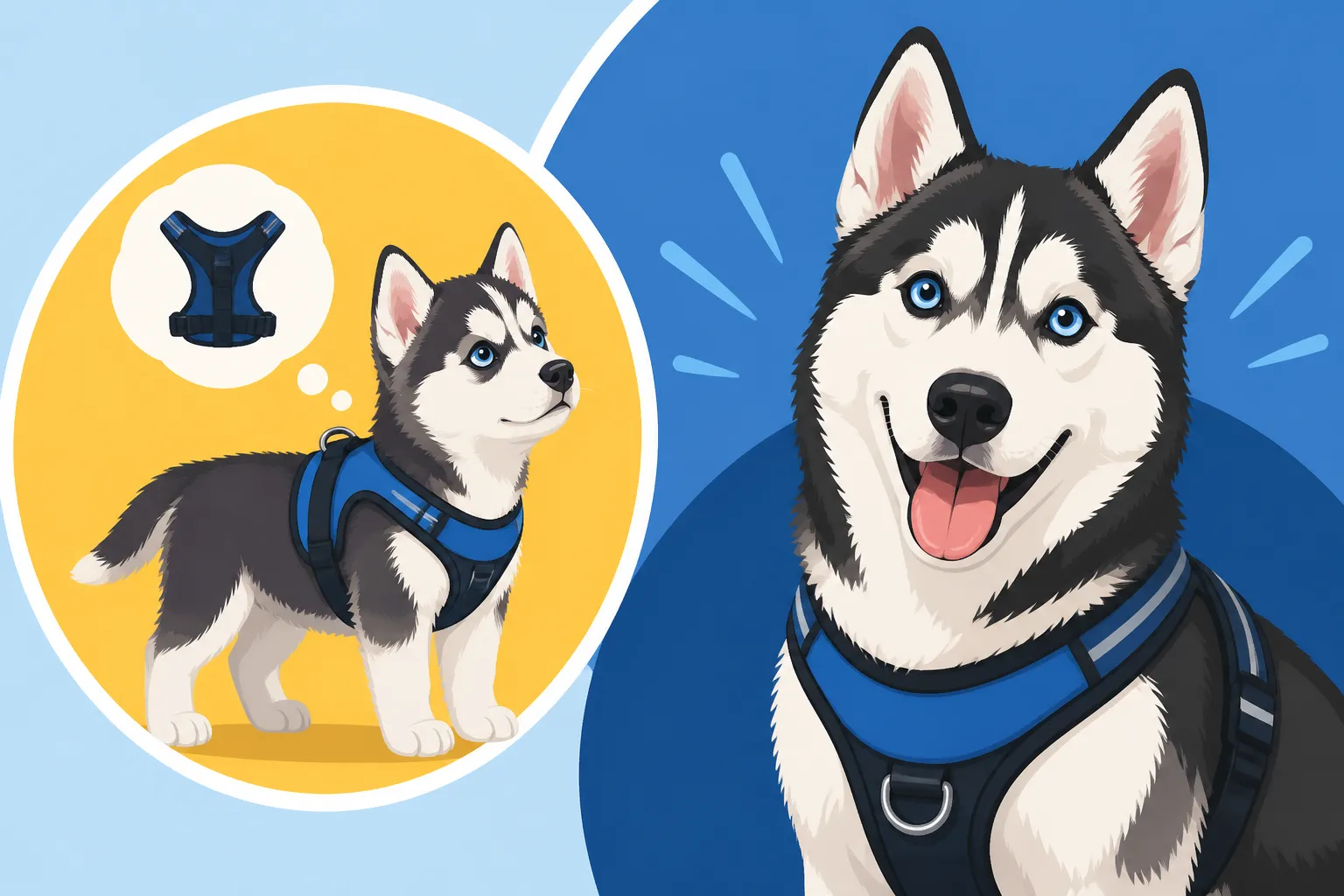
The Age a Siberian Husky Can Start in Harness
It’s a common scenario for Siberian Husky owners: you've got this energetic, powerful dog, often still very young, and you see them pulling on their regular leash with such gusto that you can't help but wonder if they're meant to pull something more. You dream of canicrossing or bikejoring, but a nagging worry stops you – how young is too young? Starting a Husky in harness work prematurely can lead to serious, lifelong injuries, especially to their developing joints and skeletal structure. This guide will walk you through the crucial physical and developmental milestones to consider, how to safely introduce harness work, and what steps to take to build a strong, healthy working relationship with your Husky as they mature.
Understanding Your Siberian Husky's Physical Maturity
The sheer athleticism of a Siberian Husky can be deceiving. While they might look like fully grown, robust dogs by a year old, their internal development, particularly their skeletal system, is often still in a delicate stage. Rushing into strenuous pulling activities can cause irreversible damage, setting your dog up for pain and limitations down the road. It’s all about respecting their biology and ensuring their long-term health.
Why Growth Plates Are the Key
Imagine your Husky's bones not as solid, unchanging structures, but as works in progress during their youth. At the ends of their long bones, there are areas of cartilage called growth plates. These plates are responsible for adding length to the bones as your puppy grows. They remain open and vulnerable to injury until your Husky reaches skeletal maturity, which is when the cartilage turns into solid bone and "closes." Any significant stress, impact, or twisting motion on an open growth plate can cause it to fracture, separate, or close prematurely. This can lead to deformities, limb length discrepancies, and lifelong lameness. For a breed like the Siberian Husky, which is prone to various orthopedic issues if not managed correctly, protecting these plates is paramount. Protecting a Siberian Husky Puppy's Growth Plates is absolutely critical.
Skeletal Development Milestones
Siberian Huskies typically reach their full height and weight between 12 and 18 months, but their growth plates may not fully close until they are closer to 18 to 24 months old. Smaller breeds often mature faster, but larger, more active breeds like Huskies take more time. This means that even if your Husky looks like an adult at 12 months, the internal structures of their joints are still quite vulnerable.
During these formative months, low-impact exercise is best. Think walks on soft ground, gentle play, and short, controlled bursts of running rather than sustained, high-impact activities. Avoid repetitive jumping, hard landings, or long-distance running on pavement. The aim is to build muscle and cardiovascular fitness without putting undue stress on those still-ossifying joints.
Observing Individual Readiness
While general age guidelines are helpful, every dog is an individual. Some Huskies might mature slightly faster, others slower. You'll need to observe your specific dog for signs of readiness. Are they well-muscled? Do they move fluidly without any stiffness or lameness? Have they maintained a healthy weight throughout their growth? A lean, fit Husky with good muscle tone will be better prepared for physical work than one who is underweight or overweight.
A good relationship with your veterinarian is key here. Regular check-ups can help confirm healthy development. If you have any concerns about your Husky's bone or joint health, always discuss them with your vet before introducing new, strenuous activities like harness work. They can provide a professional assessment and advise on appropriate timelines for your individual dog.
The First Steps: Introducing the Harness and Basic Cues
Before your Siberian Husky ever pulls a sled or a person, they need to be completely comfortable in their harness and understand what is expected of them. This early stage is all about positive association and clear communication, not about physical exertion. Rushing this can create negative feelings towards the equipment or the work itself, making future training much harder.
Choosing the Right Harness for Young Huskies
Not all harnesses are created equal, especially when it comes to pulling work. A standard walking harness or a front-clip harness, while great for walks, isn't designed for sustained pulling and can actually restrict movement or cause chafing. For pulling sports, you’ll want a specialized pulling harness that distributes pressure evenly across the chest and shoulders, allowing for a full range of motion. Brands like Non-stop Dogwear, Ruffwear, and even some options found on Amazon offer harnesses specifically designed for activities like canicross, bikejoring, and sledding.
When you first introduce a harness, ensure it fits properly. It should allow unrestricted shoulder movement and sit comfortably around the neck and chest without rubbing. Start with short periods of wear, perhaps during meal times or during a favorite game, to create a positive association. Harness Against Collar for a Siberian Husky delves more into this.
Making the Harness a Positive Experience
The harness should be a signal for fun and work, not a punishment. Introduce it gradually and always pair it with positive reinforcement. Let your Husky sniff the harness, then reward them with a treat. Drape it over their back, reward. Fasten it loosely for a few seconds, reward, then take it off. Build up the duration slowly.
Once they're comfortable wearing it, let them wear it for short, easy walks around the yard. Don't ask them to pull anything yet. The goal is simply for them to see the harness as a normal, good thing. You can even use some high-value treats from a brand like Wellness or Zuke's as you put the harness on, to sweeten the deal. If they show any signs of discomfort or reluctance, take a step back and make the process even shorter and more rewarding.
Beginning With Basic Directional Cues
Before any actual pulling begins, your Husky needs to understand basic verbal commands for direction and speed. These cues, often called "gee" (right), "haw" (left), "hup" (go), and "whoa" (stop), are essential for safe and efficient harness work. Start teaching these commands on a regular leash, in an environment with minimal distractions. Use clear, consistent language and hand signals.
Practice these cues frequently during your regular walks. Reward every correct response with enthusiasm and treats. Remember, Huskies are intelligent but can be independent, so consistency and patience are key. Think of it as building their vocabulary for their future job. A good online training resource, like those offered by BAXTER & Bella, can provide structured lessons on these foundational cues, even for young puppies. The Cues a Siberian Husky Needs in Harness can provide more detail on these commands.
Graduating to Light Pulling Work
Once your Siberian Husky has reached skeletal maturity (typically 18-24 months), is comfortable in their pulling harness, and understands basic directional cues, you can begin to introduce them to actual pulling work. This stage, much like the introduction to the harness, should be gradual and carefully managed to prevent injury and maintain their enthusiasm.
Starting With Very Short, Light Drags
When you first introduce pulling, think "feather-light." Attach the harness to something incredibly light, like a small, empty plastic bottle or a very lightweight tire, on a flat, soft surface. The goal is for them to feel the sensation of resistance and learn that pulling forward is what you want, not pulling against the lead at your side. Keep these initial sessions extremely short – just a few minutes at a time.
Use your established directional cues and praise them lavishly for any forward movement while feeling the drag. The idea is to build their understanding and confidence, not to test their strength. This is also a good time to introduce a longer line, perhaps 30 to 50 feet, so they learn to work ahead of you. Teaching a Siberian Husky to Pull in Harness offers more in-depth guidance on this foundational skill.
Building Stamina and Strength Safely
As your Husky gets the hang of light pulling, you can gradually increase the duration and the very slight weight of the drag. Remember, "gradually" is the operative word. Add only a little at a time, and always monitor your Husky for signs of fatigue, discomfort, or loss of interest. Short, frequent sessions are far better than long, exhausting ones.
Focus on building cardiovascular stamina and muscle strength evenly. Vary your routes to include gentle inclines and declines, and different terrains like dirt trails, grass, or packed snow. Avoid hard pavement initially, which can be tough on joints. It's about developing an overall athlete, not just a pulling machine. Consistent, appropriate exercise is vital for their physical and mental health. Consider that How Much Exercise a Siberian Husky Really Needs will vary greatly from a young, developing dog to a seasoned athlete.
Progressing to Different Disciplines
Once your Husky consistently pulls light loads with enthusiasm and understands their commands, you can begin to explore specific pulling sports. Canicross (running with your dog pulling you), bikejoring (cycling with your dog pulling you), and skijoring (cross-country skiing with your dog pulling you) are popular options. Each requires slightly different equipment and techniques, but the foundational harness work remains the same.
Before jumping into a new sport, ensure you have the correct, safety-tested equipment, such as a proper canicross belt or a bikejoring attachment that keeps the line away from your bike wheels. Always prioritize your dog’s safety and comfort. Look for local clubs or experienced mentors who can guide you. Canicross and Bikejoring With a Siberian Husky can offer more insights into these exciting sports.
Essential Safety Considerations and Common Mistakes
Venturing into harness work with your Siberian Husky is a rewarding journey, but it comes with a significant responsibility to prioritize their safety and well-being. Avoiding common pitfalls and being attuned to your dog's needs will ensure a long and happy working life together.
Monitoring for Discomfort or Injury
Your Siberian Husky can't tell you in words if something hurts, so it's up to you to be a diligent observer. After every session, especially when introducing new activities or increasing intensity, thoroughly check your dog. Look for any limping, stiffness, tenderness when touched, or excessive panting that doesn't subside quickly. Check their paw pads for abrasions, especially if working on rough terrain. Examine their harness areas for rubbing or chafing.
Changes in behavior, such as reluctance to put on the harness, lagging behind, or a decrease in enthusiasm, can also be subtle signs of discomfort. If you notice any of these, stop the activity and consult your veterinarian. Early intervention can prevent minor issues from becoming major problems.
The Dangers of Overtraining a Young Husky
It's easy to get caught up in the excitement of training, but overtraining a young Husky, even one who has reached skeletal maturity, carries serious risks. Just like human athletes, dogs need rest and recovery. Pushing too hard, too fast, can lead to muscle strains, joint inflammation, and even chronic injuries like tendonitis or ligament damage. This is particularly true if you ignore guidelines like Weight Limits for a Siberian Husky in Harness.
Overtraining isn't just physical; it can also lead to mental burnout. A dog forced to work beyond their enjoyment might become reluctant, develop undesirable behaviors, or lose their natural drive. Remember, these activities should be fun for your Husky. Pay attention to their energy levels, their interest, and their overall demeanor. If they seem tired or disengaged, it's time for a break.
Maintaining Enthusiasm Without Pressure
The joy of harness work for a Siberian Husky is often in their innate desire to run and pull. Your role is to foster that joy, not to diminish it with excessive pressure or unrealistic expectations. Keep training sessions positive, engaging, and always end on a good note. If your Husky makes a mistake, redirect them gently rather than punishing them.
Mix up your training routines to prevent boredom. Incorporate fun games and different types of exercise. Sometimes, a short, fast sprint followed by a sniffari (a leisurely walk focused on sniffing) can be more enriching than a long, monotonous pull. Remember that not every run has to be a race; sometimes it's about the sheer enjoyment of working together. This also means being mindful of environmental factors, like avoiding strenuous activity in warm weather. Running a Siberian Husky in Summer Heat requires careful planning and consideration. The goal is for your Husky to eagerly anticipate their harness time, not dread it. Ultimately, you want to ensure Whether a Pet Siberian Husky Enjoys Pulling, as their happiness is paramount.
Disclaimer
This article is for general informational purposes only and does not constitute professional advice. Laws, prices and regulations vary by location and change over time. Consult a qualified professional for guidance on your specific situation.